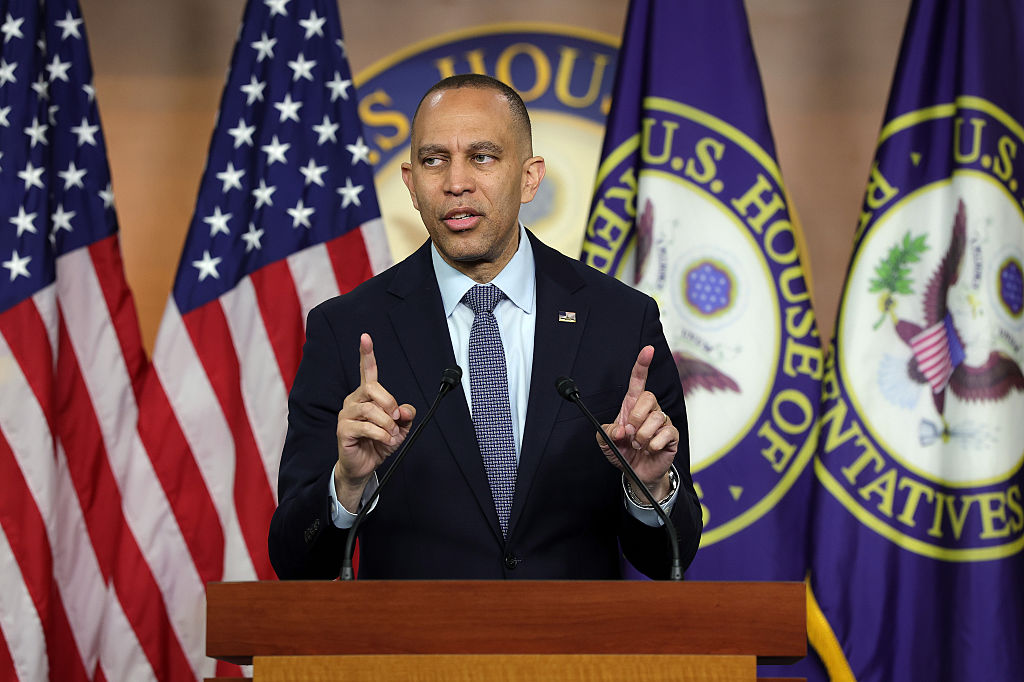
New York Rep. Hakeem Jeffries is one step away from making history as the first Black speaker to lead the House in U.S. history after receiving a majority nomination vote from the Democratic party.
What happened
On Wednesday, November 18 House Democrats met behind closed doors and voted by secret ballot on who they want as their candidate for speaker. Jeffries ran unopposed and won 251-11, according to two sources in the room, meaning only 11 Democrats voted against him. The speaker is the House’s top leader, second in line to the presidency after the vice president, and has major say over which bills reach a vote.
The vote served as the party choosing its pick, with the full House making the final call in the new year. The tally came at Jeffries’ own request.
Why he had the votes
The nomination follows a midterm cycle that handed Democrats their largest majority in Congress in recent years. NBC News projects the party will hold 259 House seats, the biggest majority in 35 years, after Jeffries campaigned across the country in recent months.
What happens next
The official vote will take place on January 3, 2027, when the new Congress convenes and Democrats take control of the House. Unlike Wednesday’s secret ballot, each member will stand and announce their choice aloud during a televised proceeding. Jeffries needs 218 votes to be elected, and Democrats’ projected numbers sit well above that mark, therefore he will likely be elected. Until then, he remains minority leader for the rest of the current Congress.
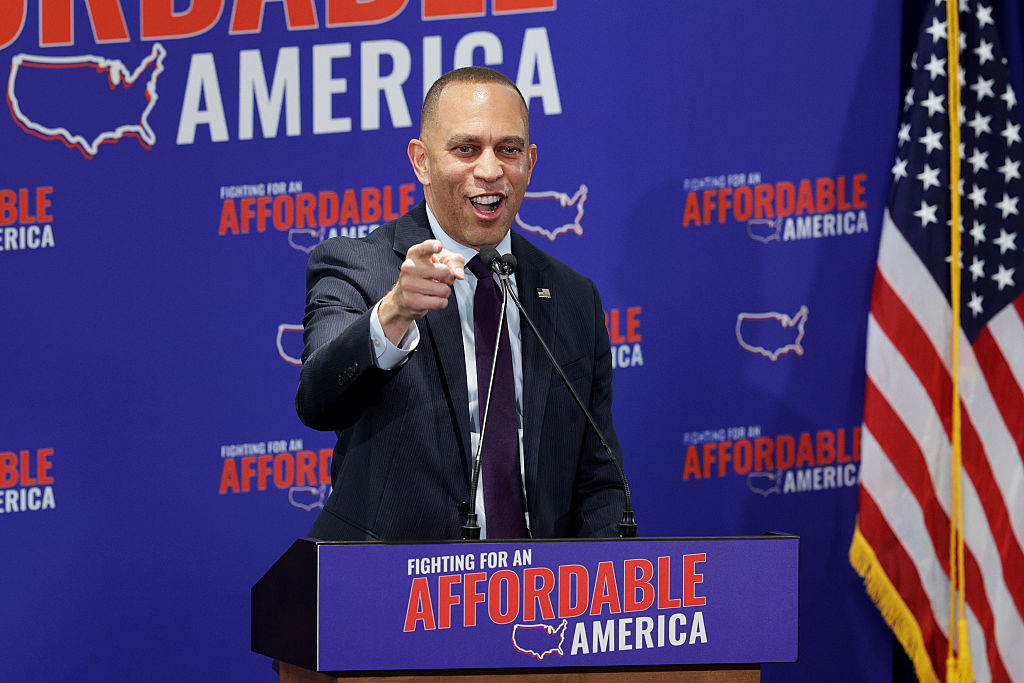
Getty
The pushback
CNN reported that Jeffries overwhelmingly won the nomination and is all but certain to secure the speakership in January, while correspondent Manu Raju examined the threat he faced from far-left members of the party. Some in the party’s progressive wing have pushed for votes on priorities like Medicare for All, but with Democrats holding a double-digit margin, it’s unclear how much leverage they’ll have.
Why it matters
Jeffries is a 56-year-old Brooklyn native, former attorney and former state lawmaker. He has led House Democrats since 2023, becoming the first Black lawmaker to lead either party in Congress. If elected, he would break a barrier that has stood for more than two centuries and replace Republican Speaker Mike Johnson.
The next test comes on January 3. Only a handful of incoming members have said outright they will oppose him, so the public roll call will show whether the 11 “no” votes hold.