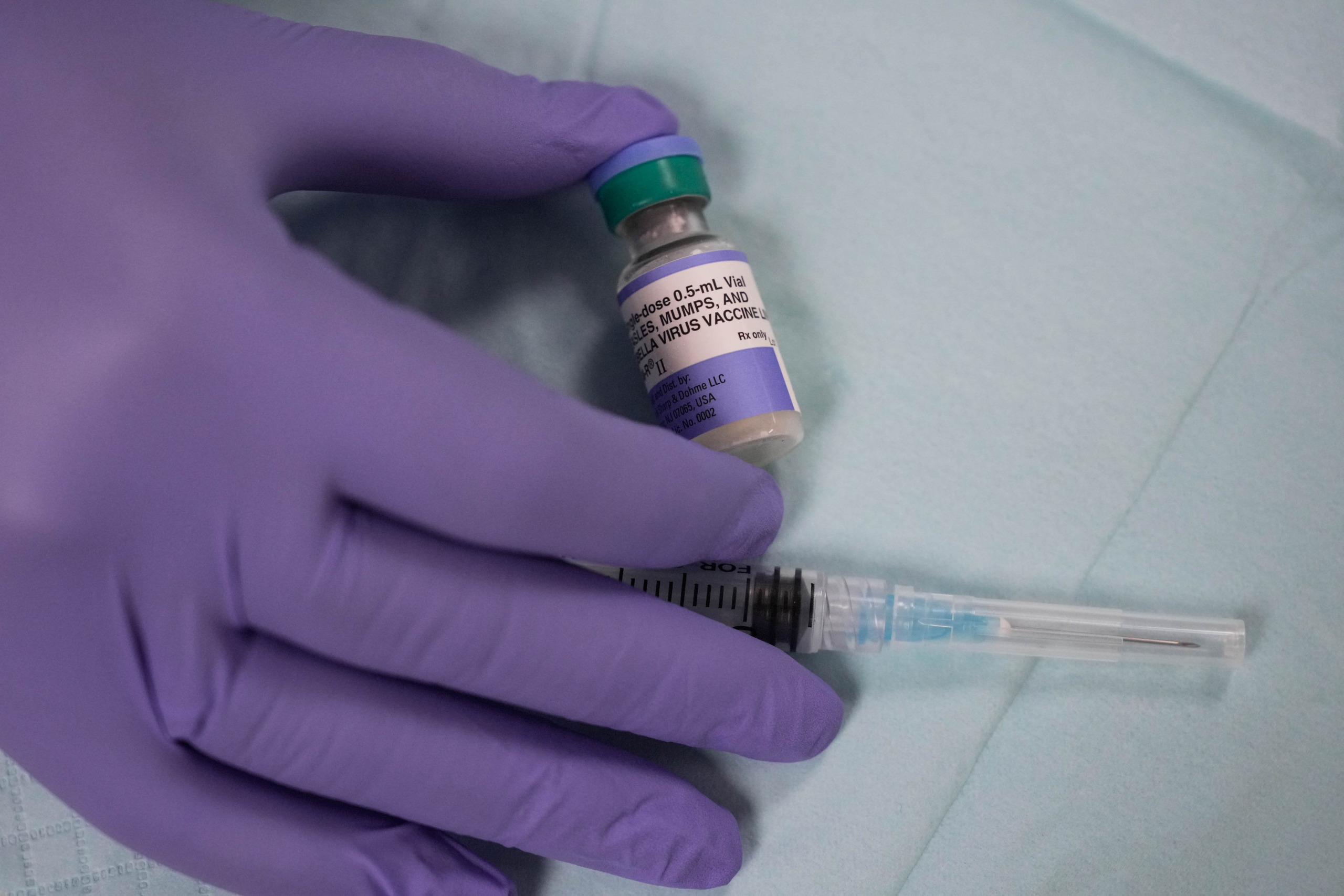
Throughout the colder months, many factors contribute to cold and flu season, and measles is now back at the top of the list, so families need to be aware of the risk of an outbreak. According to the U.S. Centers for Disease Control and Prevention There have been 43 new outbreaks reported in 2026, and 96% of confirmed cases (5,216 of 5,412) are outbreak-associated (3,831 from outbreaks starting in 2026 and 1,385 from outbreaks that started in 2025).
“We’re now seeing levels of measles that we haven’t seen in 30 years,” Dr. Adam Ratner, a member of the American Academy of Pediatrics’ infectious diseases committee, told AP. “When you have measles under control, congenital measles doesn’t happen.”
This outbreak comes after declining vaccination rates, which have caused the virus to spread so much that a new study revealed that the U.S. has lost the measles-free status it’s had since 2000. In the past two years, according to the CDC, there have been more than 7,500 measles cases. As we get into the holiday season, it’s vital that everyone does their part and takes preventive measures for measles.
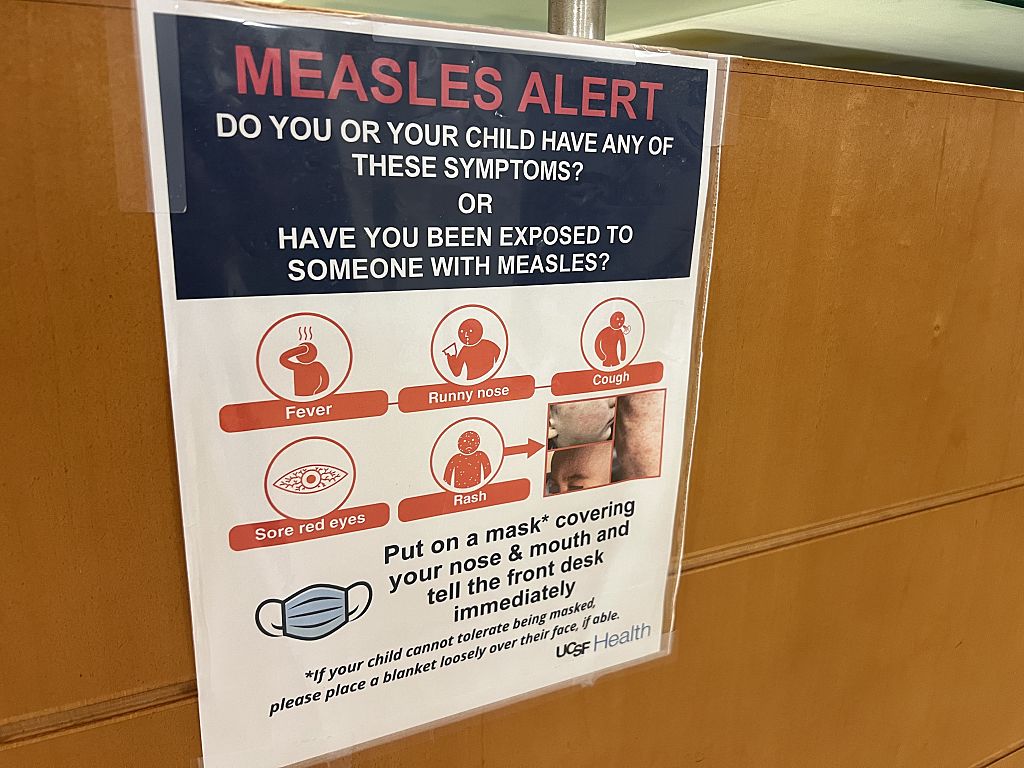
According to the American Academy of Family Physicians, Measles is not harmless. It is highly contagious, and infants, children, older adults, pregnant patients and people with underlying health conditions all face serious risks. “We cannot accept measles as an endemic disease again in this country and must commit now to a robust, sustained campaign to re-eliminate, Joseph Kanter, MD, MPH, CEO of the Association of State and Territorial Health Officials, said in a statement. “Families across the U.S. deserve nothing less. We appreciate the partnership of the CDC and broader public health community. Expanded promotion of and access to vaccines, improved data systems, community partnerships, and empathy will be essential to this work. Health departments across this country remain committed to continuing their vital work protecting American families.”
What is Measles?
Measles is a highly contagious disease that causes a high fever, rash, cough and red eyes. The disease can lead to long-term complications, such as brain inflammation and pneumonia. Measles is caused by a virus. According to experts, getting the measles vaccine is the best way to prevent measles and stop it from spreading. Even small outbreaks can cost millions to contain, and every hour and resource spent responding to measles outbreaks is time taken from other urgent community health needs.
What Causes Measles?
Since this is an airborne disease, it’s highly contagious, and you can be exposed through things like being around someone with measles and sharing food or drinks. It can also be through vertical transmission from a pregnant woman to the fetus or baby during pregnancy, delivery or while breastfeeding.
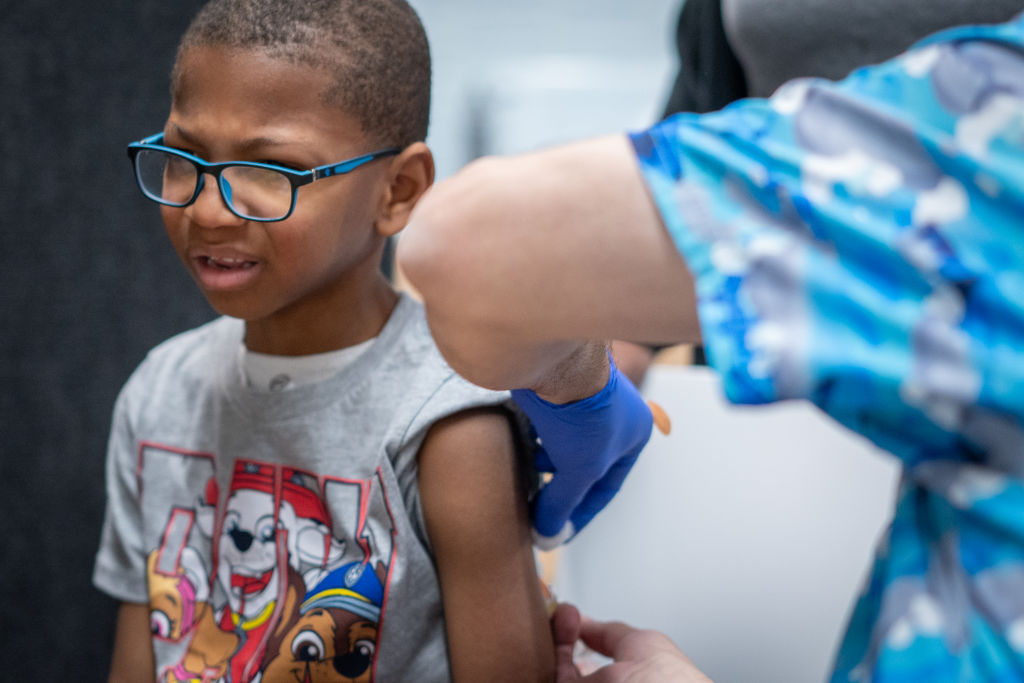
“By performing testing and conducting whole genome sequencing to better detect cases and understand transmission patterns, public health laboratories are giving health leaders the timely data they need to act,” Scott J. Becker, MS, CEO, Association of Public Health Laboratories, said in a statement. “Regaining our measles elimination status requires sustained investment in laboratory capacity and a strong public health workforce to reach people in every community.”
What are Ways to Treat Measles?
Always consult with a doctor to ensure you are taking the right steps first and foremost. Measles usually lasts around 14 days, so quarantine is the best way to kick off any at-home treatment if there are no complications. Other remedies include taking painkillers for aches, pains, or fever; resting; and drinking plenty of fluids.
The Centers for Disease Control and Prevention remains committed to rebuilding the measles elimination status. “The measles elimination designation is not what protects Americans. Vaccination does. We know where transmission is occurring and we’ve invested $100 million in state and local health departments to reach those communities,” CDC Director Dr. Erica Schwartz said in a statement. “Losing a designation doesn’t mean we abandon an evidence-based approach. It means we remain focused on stopping outbreaks.”