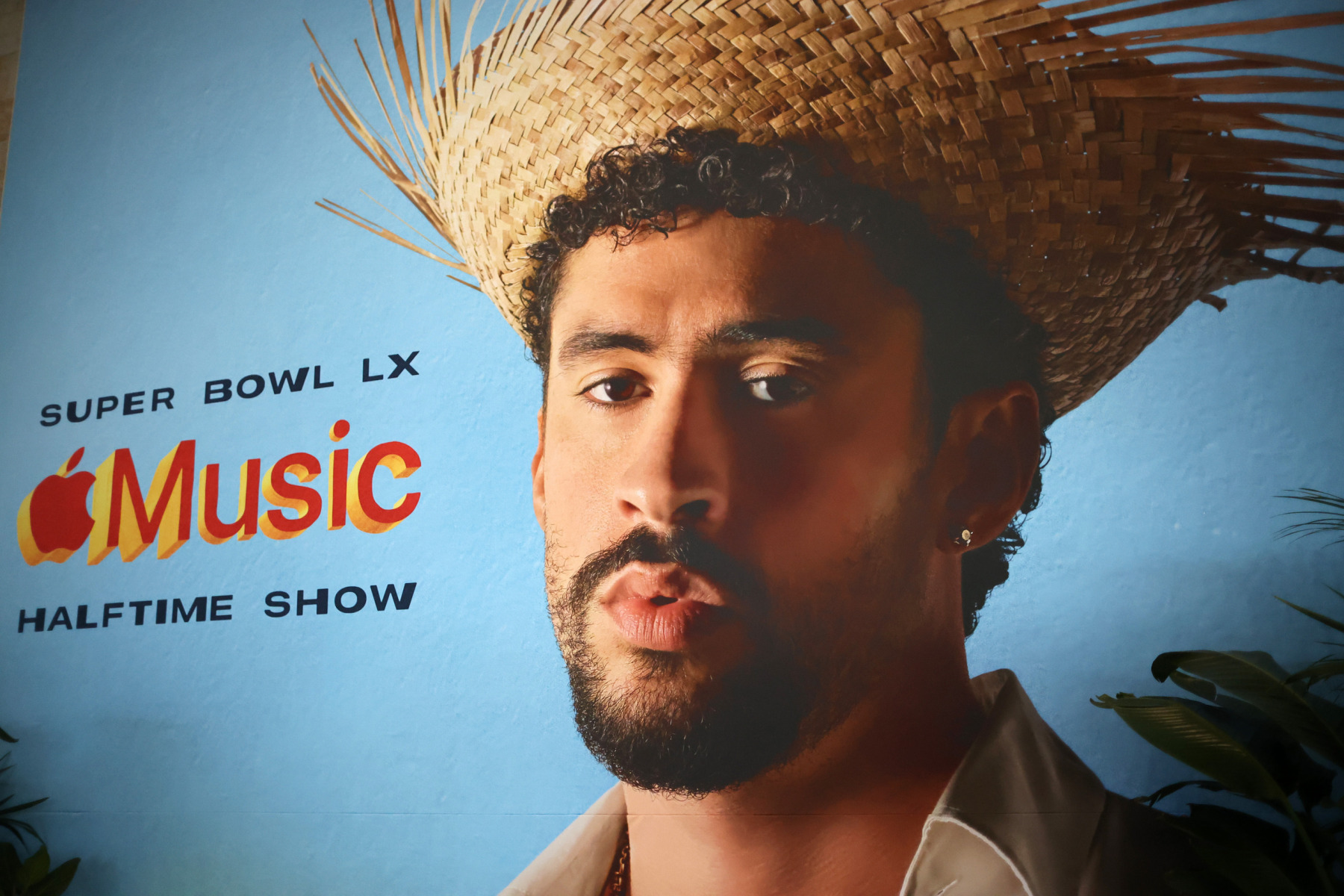
There are performances, and then there are cultural interventions. The Super Bowl halftime show has long functioned as America’s most paradoxical ritual: a corporate spectacle wrapped in the language of unity, yet consistently shaped by artists who typically refuse to shrink themselves for comfort. The upcoming Super Bowl LX performance by Puerto Rican global icon Bad Bunny arrives at another fault line, a collision between pop culture, politics, race and ethnicity, and the nation’s uneasy relationship with difference.
And yes, some people are upset, but that, historically speaking, is part of the tradition.
A Stage Built on Disruption, Not Neutrality
The halftime show is about entertainment, but it also sets a ritualized cultural stage where the NFL negotiates identity, nationalism, and power before an audience of more than 100 million viewers. The myth that the halftime show is apolitical collapses the moment you look at its history.
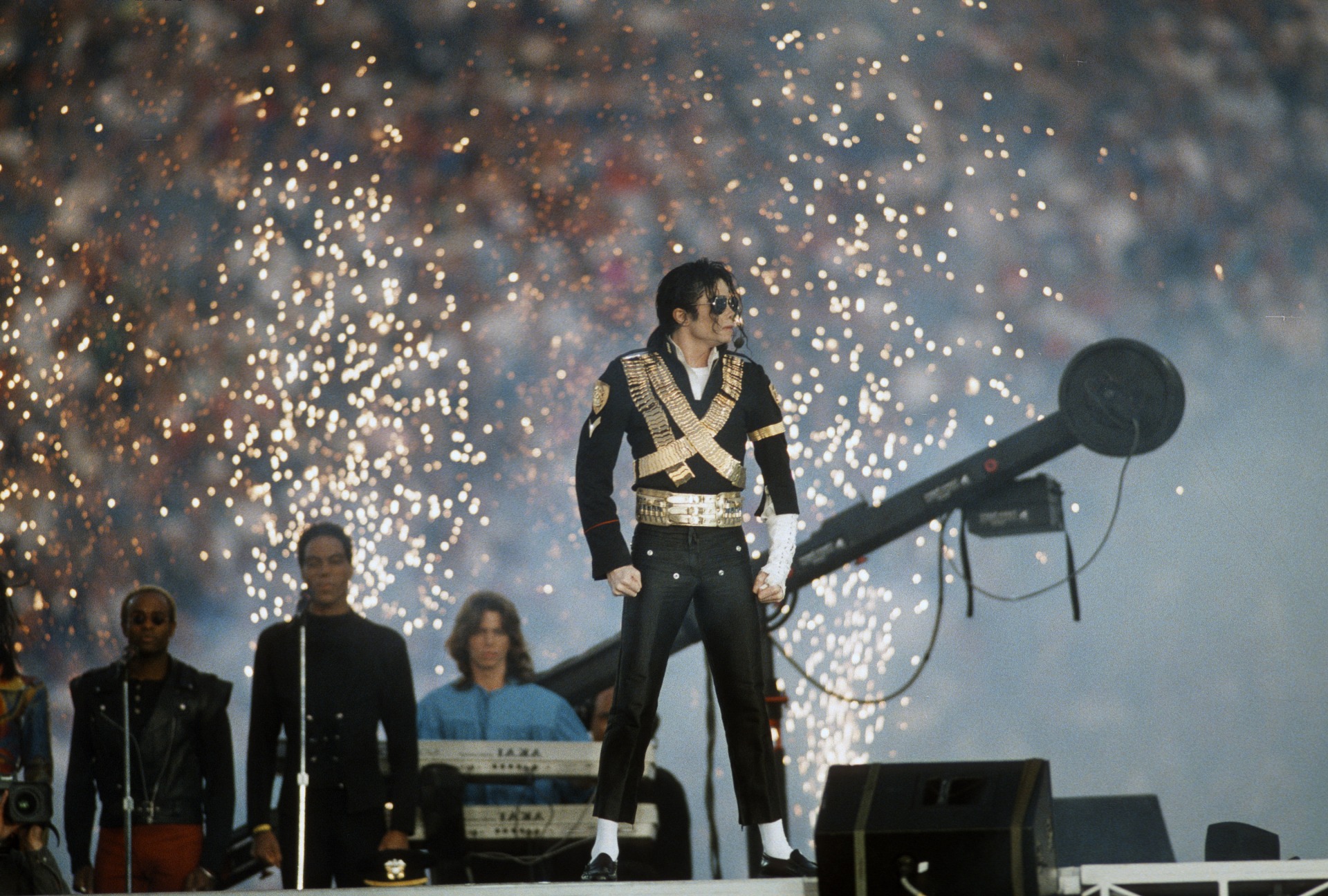
Consider the pivot point: Michael Jackson’s 1993 performance. The NFL did not suddenly become culturally enlightened. It reacted to a ratings scare when viewers abandoned the game for Fox’s Black-led variety show, “In Living Color.” Booking Jackson was a strategic disruption that transformed halftime into a global spectacle and elevated Black pop performance to the center of American identity. That decision signaled that Black culture was no longer an accessory to American tradition. Instead, it acknowledged it was the engine driving it.
Every major halftime era since then has been built on that foundation.
The Roc Nation Era and the Politics of Presence
Fast forward to the modern era, where Jay Z and Roc Nation help shape the halftime lineup. Since 2019, the partnership has shifted the NFL’s musical direction toward artists whose work sits at the intersection of culture and social commentary.
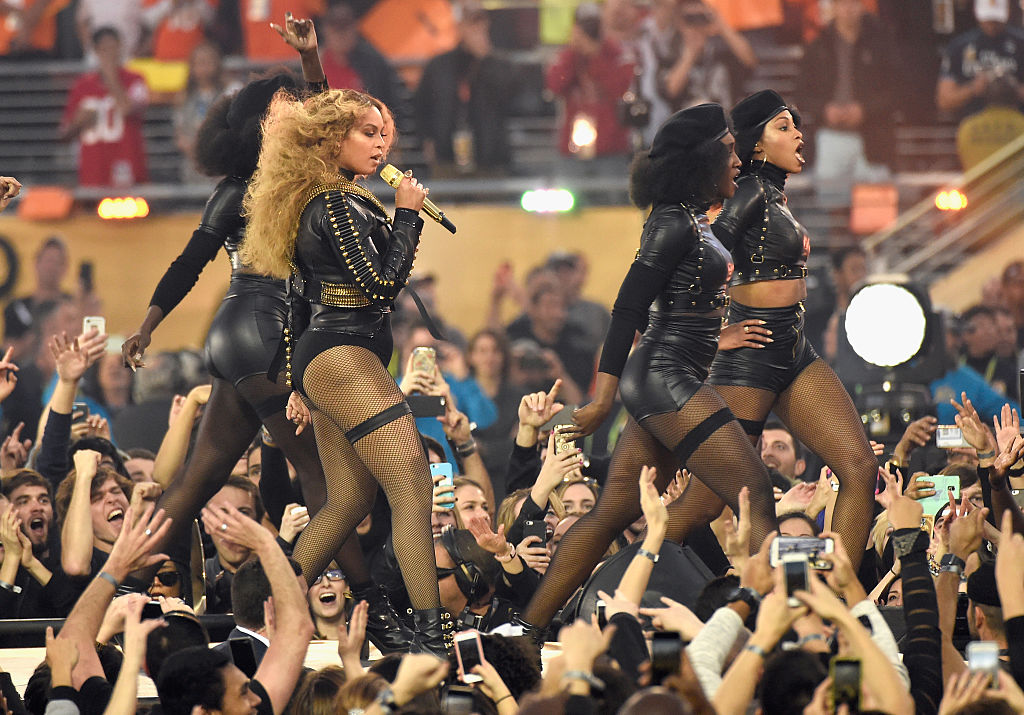
Beyoncé turned the Super Bowl into a living archive of Black political memory, referencing Hurricane Katrina, the Black Panthers, and the ongoing fight for dignity in America. Kendrick Lamar leaned into controversy and satire, refusing to sanitize his artistic vision even on the country’s most corporate stage, positioning himself as a prophetic voice confronting America’s contradictions.
So when critics claim that Bad Bunny’s presence represents a sudden political shift, they miss the broader arc. The halftime show has been political for decades, just not always in ways that were legible to everyone.
When Logic Collapses and Bias Speaks Louder
If the halftime show reveals anything, it is how quickly cultural debate exposes the fragile line between opinion and prejudice. Reactions to Bad Bunny’s selection have made that painfully clear.
In The Athletic‘s annual anonymous poll of current NFL players, one respondent argued that the performer should be “an American,” seemingly unaware that Puerto Rico is part of the United States and that Bad Bunny is, in fact, an American citizen. This is a prime example of when logic collapses, bias fills the space.
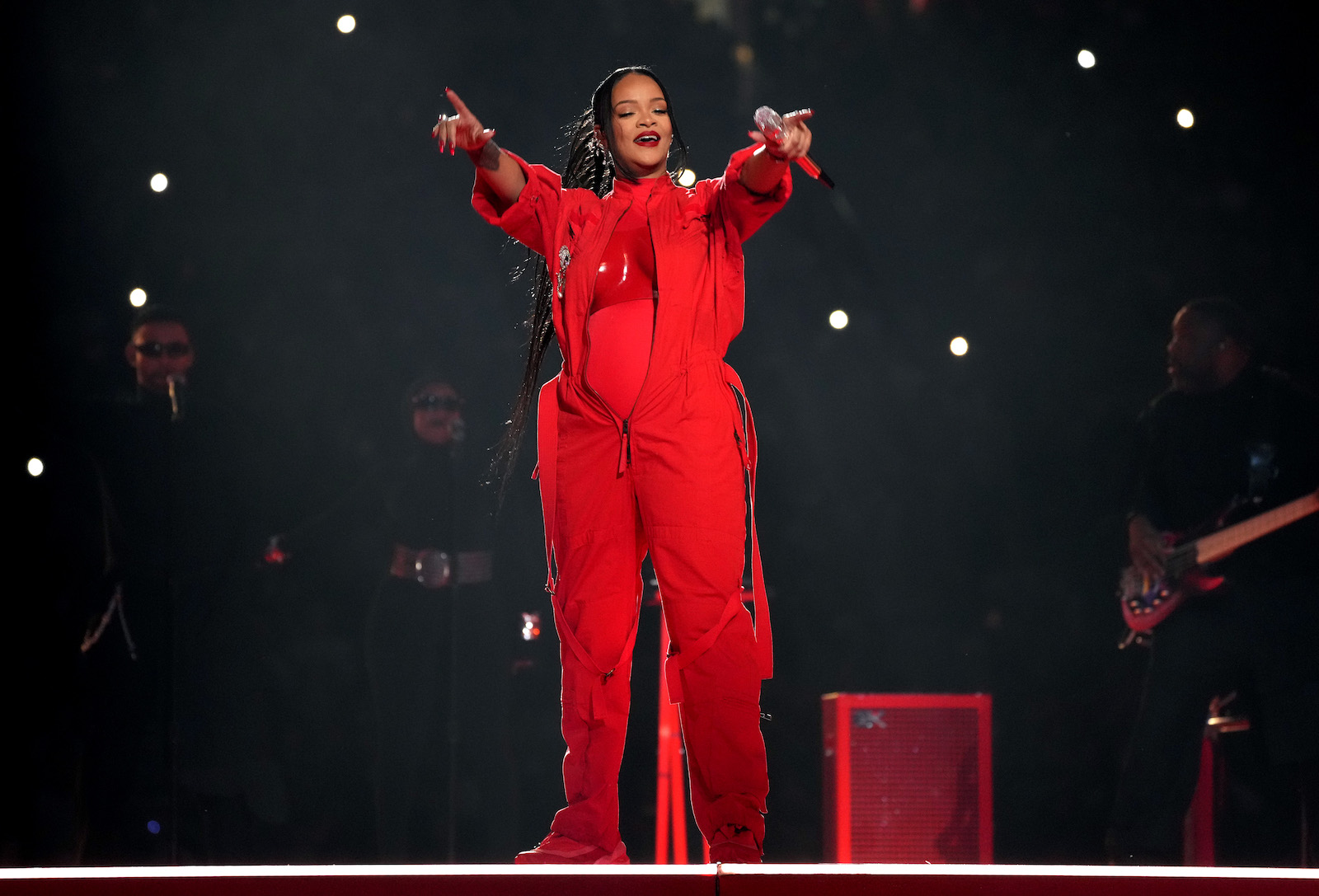
What makes the backlash more revealing is the inconsistency. Rihanna, The Weeknd, and Shakira all delivered halftime performances that reflected global culture rather than narrow nationalism. None were born U.S. citizens, and each faced critique, because no halftime show escapes criticism. But the tone surrounding Bad Bunny has been sharper and more ideological. Bad Bunny’s presence is seemingly less about sound and more about who belongs on the stage.
Let’s be clear: this is not a defense campaign for Bad Bunny. He does not need one. It is simply an acknowledgment that some of the loudest critiques reveal more about the critics than the artist. When calls for “American” performers ignore geography, citizenship, and history, they expose a deeper discomfort with multilingual identity and cultural expansion.
Even within that same player poll, the contradictions were obvious. Some respondents embraced the performance as a reflection of a diverse country built on immigration and global exchange, and others admitted they did not know his music yet still framed the decision as political. The tension between curiosity and resistance tells a larger story about how culture evolves faster than public perception.
Bad Bunny and the Politics of Language and Identity
As the first solo male Latin artist expected to headline the show and potentially perform entirely in Spanish, he disrupts long-held assumptions about whose voice defines American culture.
His public criticism of immigration enforcement policies and his willingness to challenge political authority have sparked backlash, including claims that his performance will divide audiences rather than unite them. When marginalized voices move from the margins to the center, visibility is often interpreted as a threat.
And when visibility is framed as a threat, reaction is rarely subtle. This is where Turning Point USA enters the chat. The ultra-conservative group curated an alternative half-time show meant to be a celebration of “faith, family, and freedom” without an agenda. The irony writes itself.
Creating a separate stage in protest of inclusion while claiming neutrality exposes the very politics it attempts to avoid.
Beyond Protest: The Power of Symbolic Presence
Here is the deeper truth. Even if Bad Bunny delivers a performance devoid of overt political messaging, his presence alone carries meaning. Representation on a stage this large is itself a form of discourse. When a different body occupies the center, the structure of the moment shifts.
Bad Bunny does not need to raise a fist or wave a flag to make a statement. His very existence within this American ritual challenges narrow definitions of patriotism that have historically excluded multilingual and diasporic identities.
And perhaps that is why the reaction has been so loud.
A Halftime Reckoning
Every generation gets the halftime show it deserves. Michael Jackson transformed it into global theater. Beyoncé turned it into a cultural archive. Kendrick Lamar made it a lyrical interrogation of the American myth. Now Bad Bunny arrives at a moment when debates about immigration, language, and national identity are impossible to ignore.
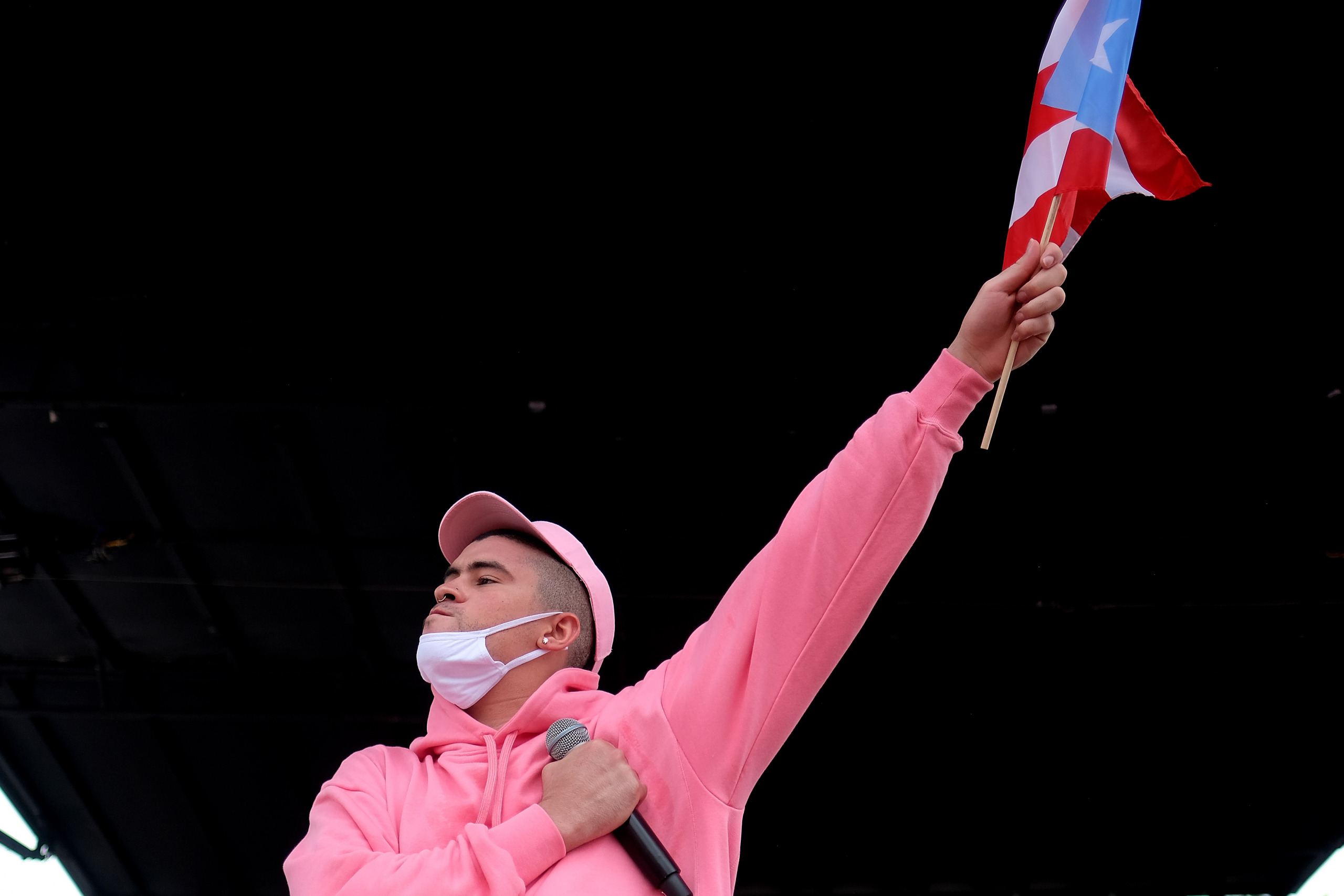
Whether viewers see unity or provocation will depend less on the performance itself and more on what they bring to the screen. But one thing is clear. The halftime stage remains one of the few places where culture forces America to look at itself, not as it imagines it is, but as it is becoming.
And if that makes some people uncomfortable, history suggests the show is doing exactly what it was meant to do.