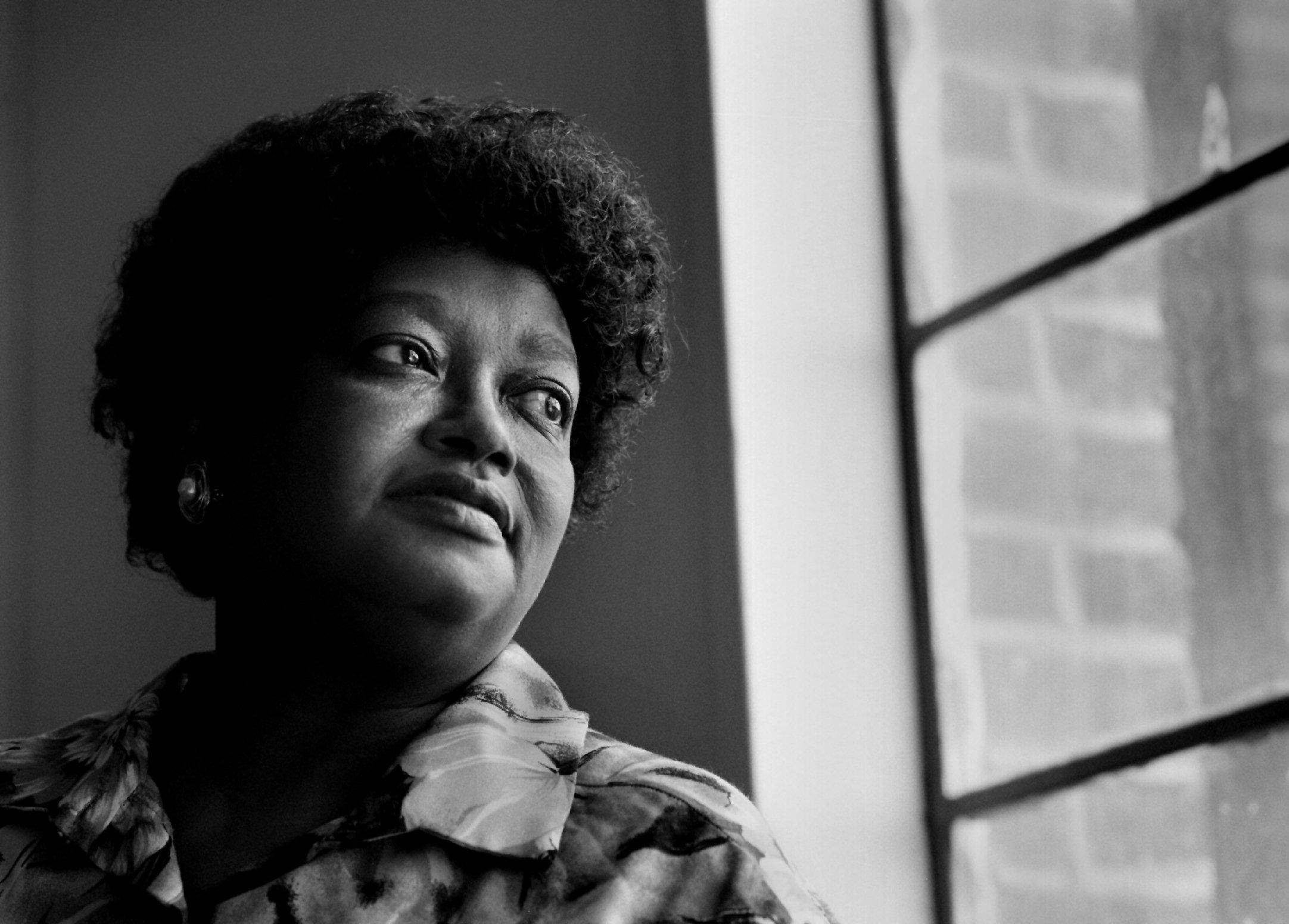
Claudette Colvin , at 15 years of age, was the first person arrested for refusing to surrender her seat in Montgomery, Alabama. She died on Jan. 13, 2026. She was 86. Born Sept. 5, 1939, Colvin grew up in what biographer Phillip Hoose called “three unpaved streets lined with red shotgun shacks and outdoor toilets.” Colvin was raised by her great‑aunt Mary Jane and great‑uncle Q.P. Smith. She was surrounded by books and, as a young girl, would read the works of Edgar Allan Poe and William Shakespeare obsessively.
As a teenager, Colvin experienced Jim Crow in the harsh South. In school, she learned about the 14th Amendment and wrote a paper detailing segregation in her hometown. She became politically conscious, learning about the case of Jeremiah Reeves — a Black teenager sentenced to death after false accusations of rape. When a white woman demanded her seat nine months before Rosa Parks became the face of this movement, Colvin stayed put.
She later said she felt Harriet Tubman pressing on one shoulder and Sojourner Truth on the other, helping to make her refusal to move seem fated. As police yanked the adolescent from her seat, they made inappropriate comments about her body and she feared sexual assault. Colvin calmed her mind by reciting Poe’s “Annabel Lee,” bits of A Midsummer Night’s Dream – including the “Lord’s Prayer” and Psalm 23.
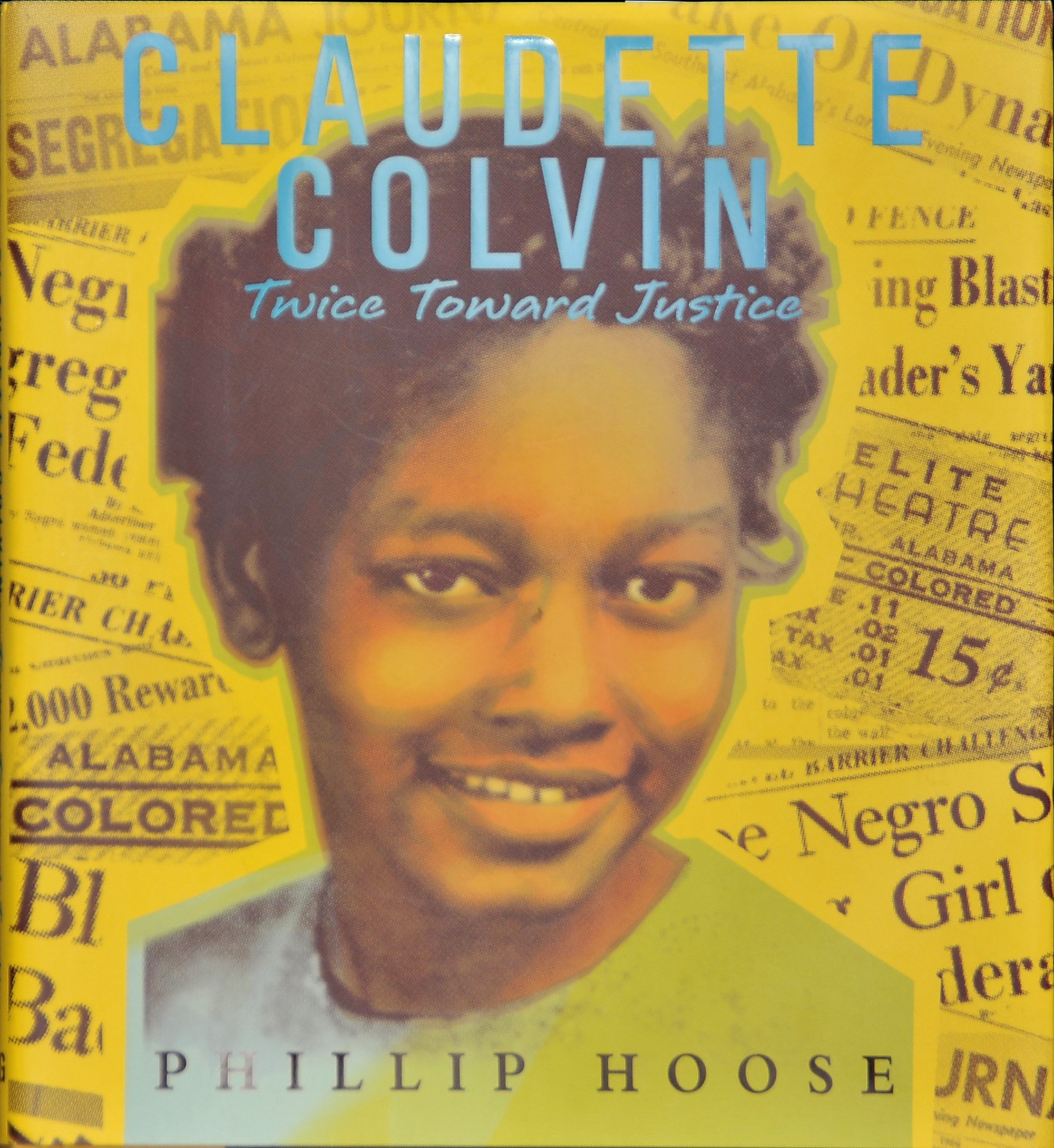
At Booker T. Washington High, Colvin devoured Black history and learned to argue constitutional rights. As a youth council member in the NAACP, she watched veteran organizers like Rosa Parks and Virginia Durr mobilize lawyers and money for her case. Parks made Colvin secretary and urged her to retell her story. Through mentorship, Colvin learned that leadership comes from practice and unwavering commitment.
Colvin went on to become a plaintiff in Browder v. Gayle — the case that ended bus segregation in Montgomery. She joined other women whose names rarely appear in textbooks. An academic study on transborder civil‑rights activism points out that women rode buses more often than men- because they were domestic workers.

Laborers showed signs of defiance in kitchens and bus aisles before the polished actors of the movement and men whose sermons would later fill headlines. Later in life, Colvin moved to New York and worked for decades as a nurse’s aide, raising her sons, as she told her story quietly.
Today, as young activists continue to confront systemic racism, Colvin’s life inspires a passion for righteousness. She shows that courage doesn’t wait for permission or perfection — it comes from knowing one’s rights and drawing strength from community. When elders invested in Colvin, she developed as a young organizer despite the judgment of seasoned critics. Her defiance at fifteen proves that liberation movements not only depend on well-spoken icons but also on the raw moral clarity of youth. “History only has room for a few icons,” Colvin said, but other voices must be heard. Her example did just that.