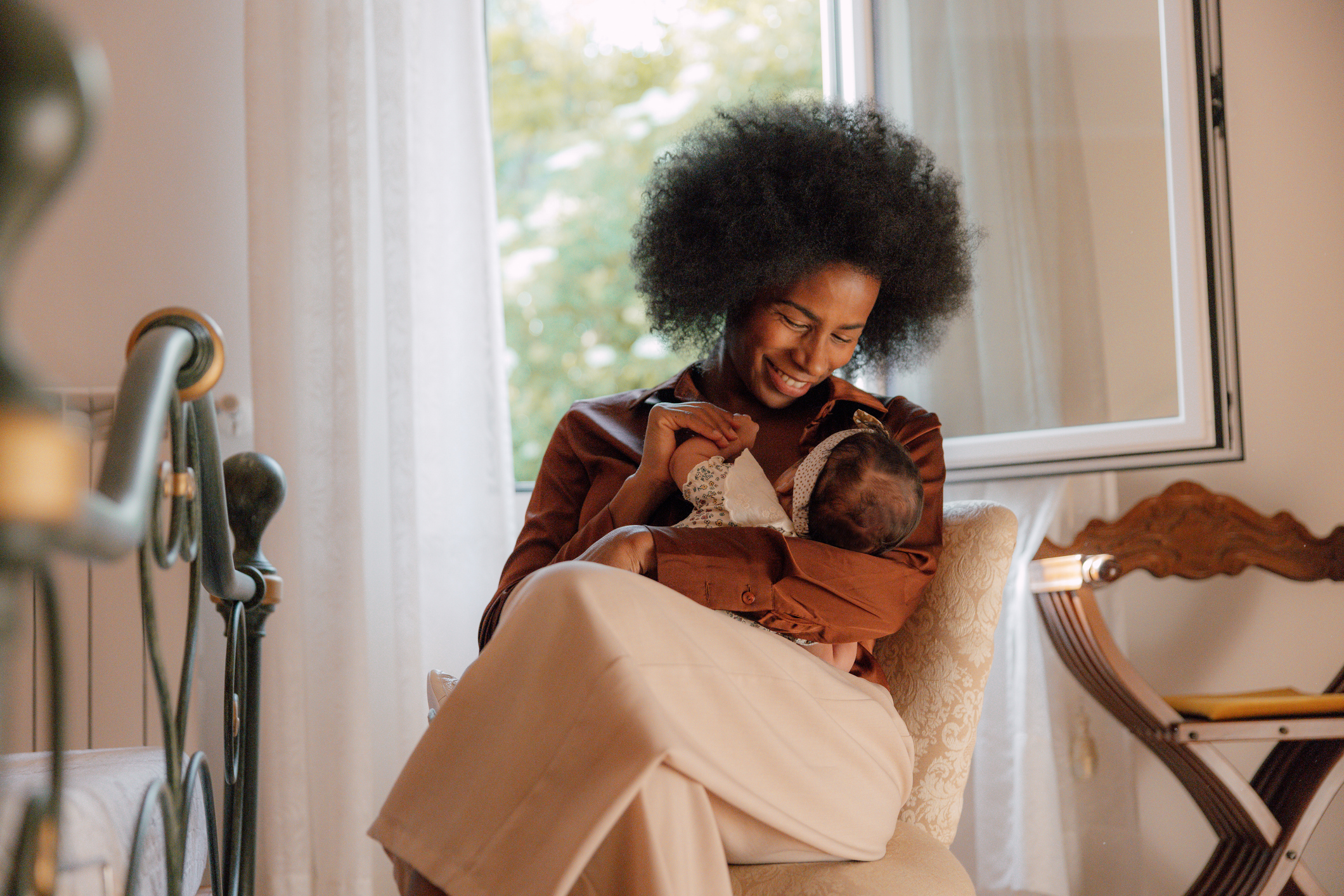
In celebration of Black Breastfeeding Week, Mayor Zohran Kwame Mamdani and the New York City Department of Health and Mental Hygiene celebrated a major milestone for the Citywide Doula Initiative: more than 4,200 people have received doula care through the program since its launch, many of them in neighborhoods most affected by health and socioeconomic inequities.
“This milestone speaks to the power of one of our City’s most successful programs: the Citywide Doula Initiative, which has already supported thousands of families, including in communities that have been too often left behind by our health care system,” Mayor Mamdani said in a statement. “4,000 people served is only the beginning. We are expanding access through our public hospitals and to City employees because every New Yorker deserves support to bring a child into this world safely and with care.”
Black Breastfeeding Week was launched in 2013 to address long-standing racial disparities in breastfeeding rates and highlight the unique cultural and systemic barriers faced by Black mothers. The administration has recognized six hospitals, including four from NYC Health + Hospitals: Elmhurst, Jacobi, Lincoln, and Metropolitan. These hospitals are the first to complete the Citywide Doula Initiative’s Doula-Friendly Hospital Program, which encourages policies and practices that support the use of doulas in maternity care settings.
“I became interested in becoming a doula when I was pregnant with my first child in 2017 and discovered what a doula does,” said Tonya Hardy, Full Spectrum Doula. “I was amazed by the physical, emotional, and mental support doulas provide to mothers during such a vulnerable and transformative time. As an early childhood teacher, I also understand how important those early foundations are for both babies and families.”
Together, these efforts mark a major expansion of access to doula care across New York City. Doula support is associated with improved health outcomes for birthing parents and infants and can help make pregnancy, childbirth and the postpartum period safer and more supportive.
Hospitals that participate in this initiative acknowledge doulas as essential members of the care team. The overarching goal is to promote equitable birth outcomes for Black and Latino New Yorkers, who are at a higher risk of experiencing medical complications before, during, and after childbirth.
“I’m a doula in the CDI through Mama Glow. This initiative is important to me because birth is super vulnerable, and everyone deserves the support that doulas provide during that time,” Mari Padilla said. “No one should walk through this transition alone, and it shouldn’t just be limited to those who can afford to pay for doulas out of pocket. Being in this program allows me to directly serve my community and make an impact by sharing knowledge and helping people advocate for themselves.”
According to the National Library of Medicine, research indicates that doula support is linked to a range of positive outcomes, including fewer cesarean births, fewer preterm and low-birth-weight babies, and lower rates of postpartum depression. Individuals who work with a doula are also more likely to breastfeed and report higher satisfaction with their maternity care. Collaboration between doulas and clinical providers, as well as incorporating doulas into hospital care teams, can help maximize these benefits.
“The Citywide Doula Initiative has given me the incredible opportunity to serve parents of color and families in disadvantaged communities who face the greatest inequities in maternal healthcare,” Ropani Sebit. “By providing free prenatal visits, continuous labor support, and postpartum care, we help our clients build the confidence and empowerment they need to navigate pregnancy and motherhood. I am deeply grateful for Citywide’s leadership, which ensures that cost is never a barrier to life-saving, compassionate birth support, while empowering mothers and breaking down systemic barriers by ensuring that everyone who wants a doula can have one at no cost.”