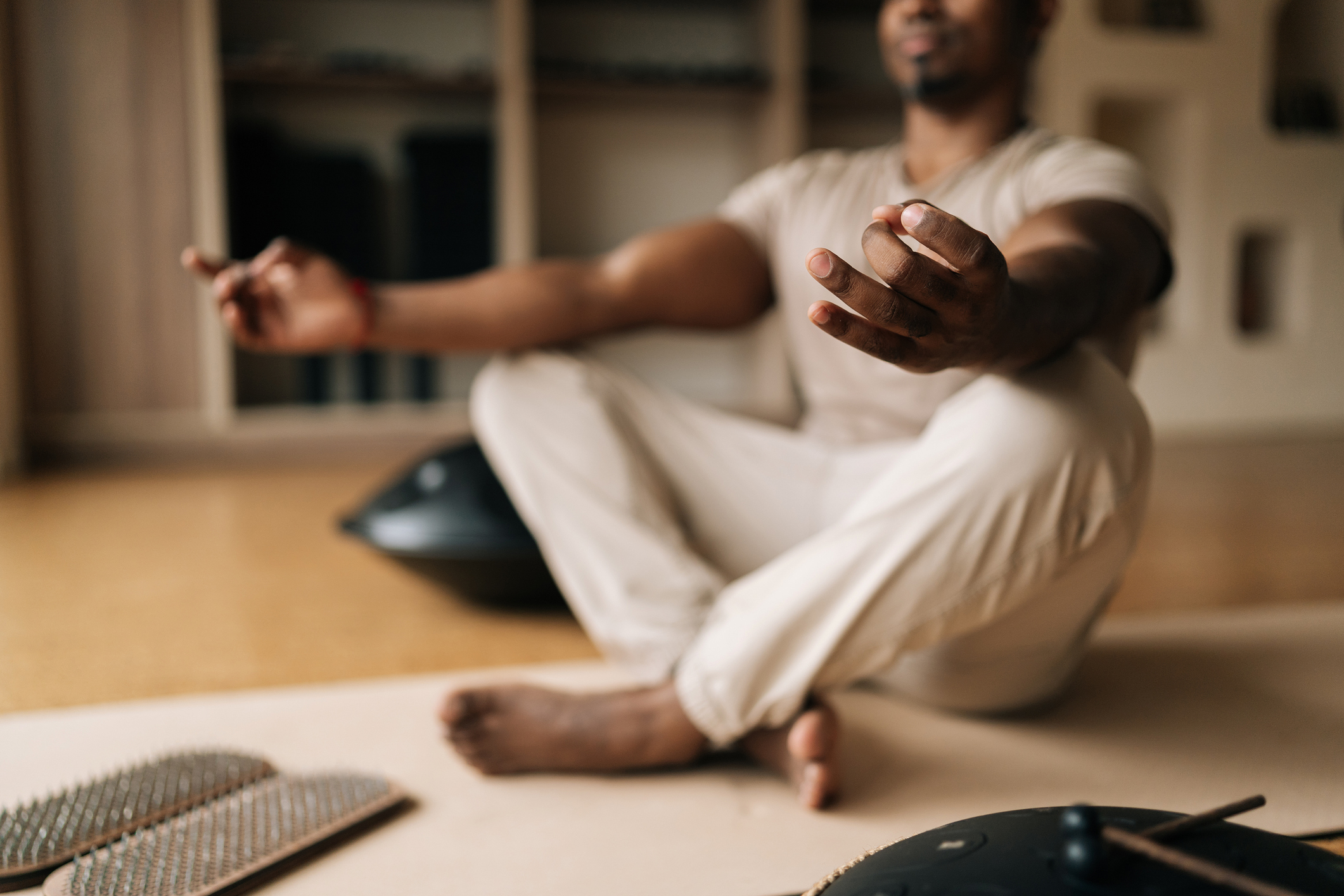
Wellness doesn’t have to begin at a spa or luxury retreat. It can start the moment you walk through your front door. As our homes increasingly serve as offices, gyms, entertainment spaces, and places to unwind, creating a restorative environment has become less about following a particular design aesthetic and more about designing around how you want to feel. A wellness-focused home doesn’t have to be stark or minimalist. It can be colorful, layered, collected, and filled with objects that bring joy.
The goal is simple: create a space that encourages you to slow down, reconnect with yourself, and make everyday rituals feel more intentional.
Here are a few thoughtful upgrades to consider, along with aesthetically pleasing products, below:
Turn Your Bedroom Into a Sleep Sanctuary
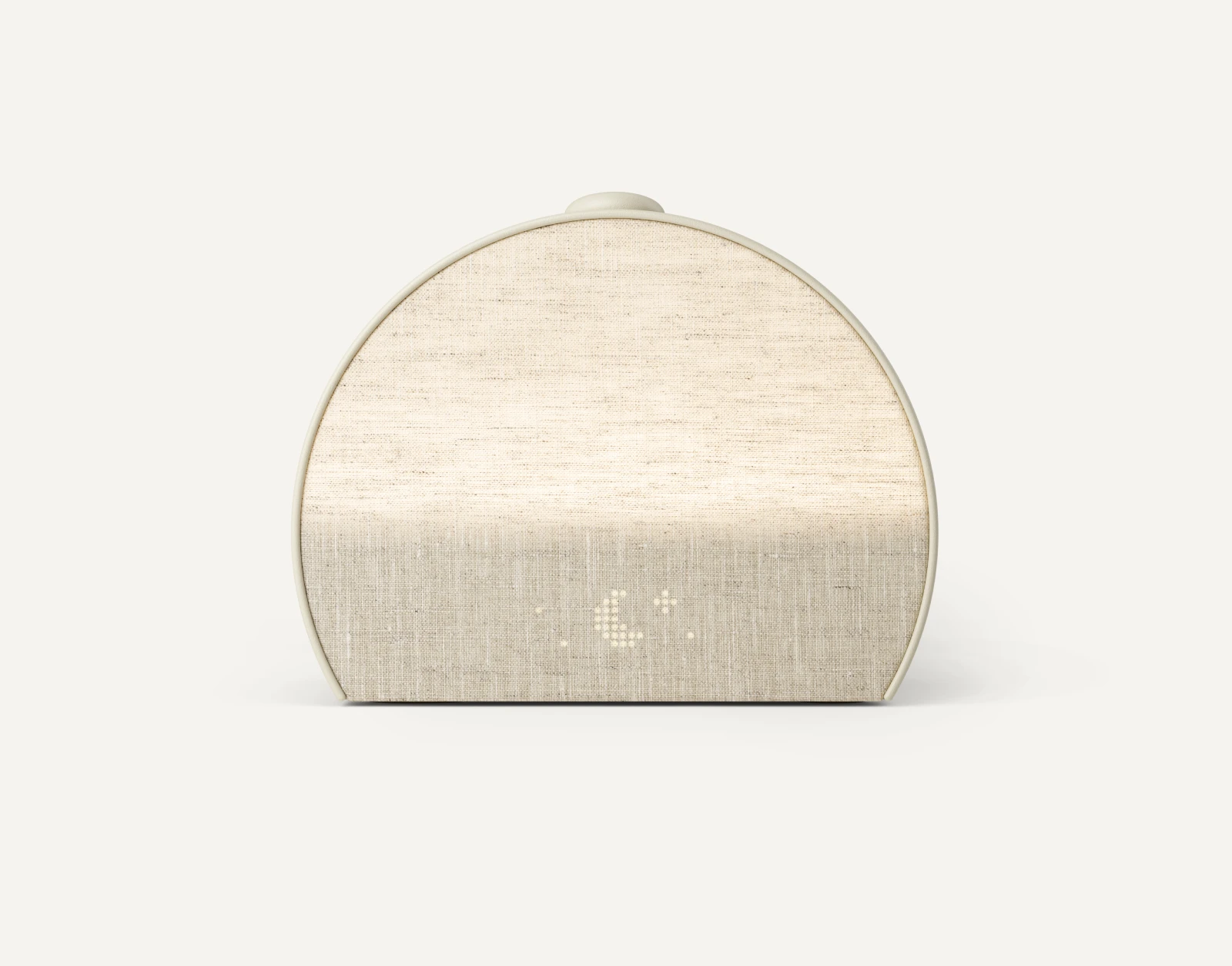
Good wellness design starts with daily rituals—especially sleep. The Hatch Restore 3 Smart Light & Sound Machine helps create a more intentional sleep and wake-up routine. Combining customizable light and sound with a sunrise alarm, the bedside device can become part of a consistent nighttime and morning ritual. Rather than reaching for your phone as soon as you wake up, a sunrise-style alarm can provide a gentler transition into the day. At night, incorporating calming sounds and low, warm light can help establish a clear distinction between the busyness of the day and your wind-down routine.
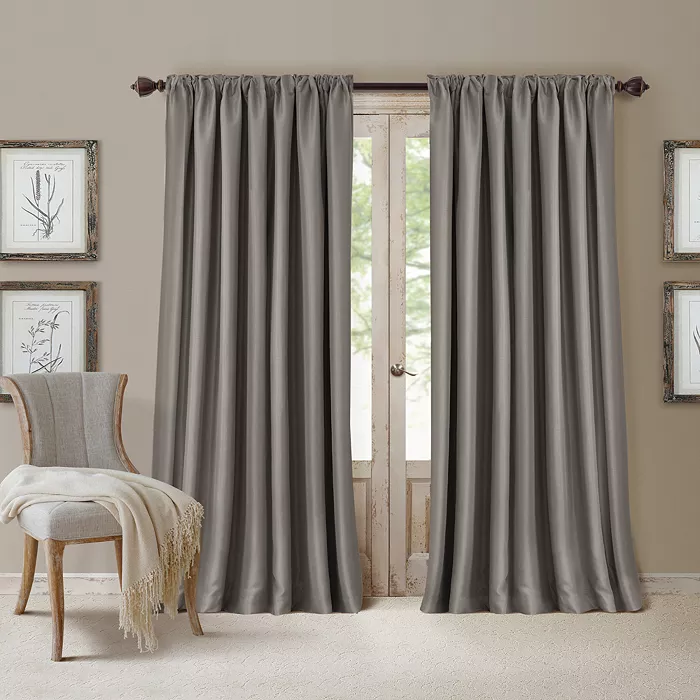
Pair it with blackout curtains to make the bedroom feel even more like a retreat. The Elrene Home Fashions All Seasons Blackout Curtain Panel, for example, features a lightly textured design with blackout lining, offering both function and style. The takeaway? Your bedroom should be designed around rest—not productivity.
Create a Meditation Corner With Personality
You don’t need an entire room to create a meditation space. A quiet corner with a comfortable cushion, soft lighting, a small table, and a meaningful piece of artwork can become a dedicated place to meditate, journal, read, stretch, or simply sit in silence. And don’t assume a wellness corner needs to be completely neutral.
For inspiration, look to Justina Blakeney’s recent guest curation for Saatchi Art. Blakeney says she has spent years surrounding herself with things that make her feel alive, including color, pattern, and plants. For her Saatchi Art collection, she was drawn to pieces depicting blooming gardens, wild animals, family, mythology, and bold contrast. Her approach gets to the heart of personal wellness design: surround yourself with things that make you feel something. A meaningful work of art can become more than decoration. It can remind you of a person, place, memory, or feeling—and that emotional connection can make your space feel uniquely yours.
One example from her curation is Girls and a Horse at a Mountain Lake, a painting that brings an imaginative, nature-inspired quality to a room. Whether you choose that particular piece or another work that speaks to you, the principle is the same: select art based on how it makes you feel, not simply whether it matches your sofa.
Make Everyday Rituals More Sensory
Wellness at home should engage more than your eyes. Scent, texture, sound, and light can all shape a room’s emotional experience. A candle can signal the end of the workday. A plush pillow can make a reading corner more inviting. Soft lighting can shift a room from functional to relaxing.
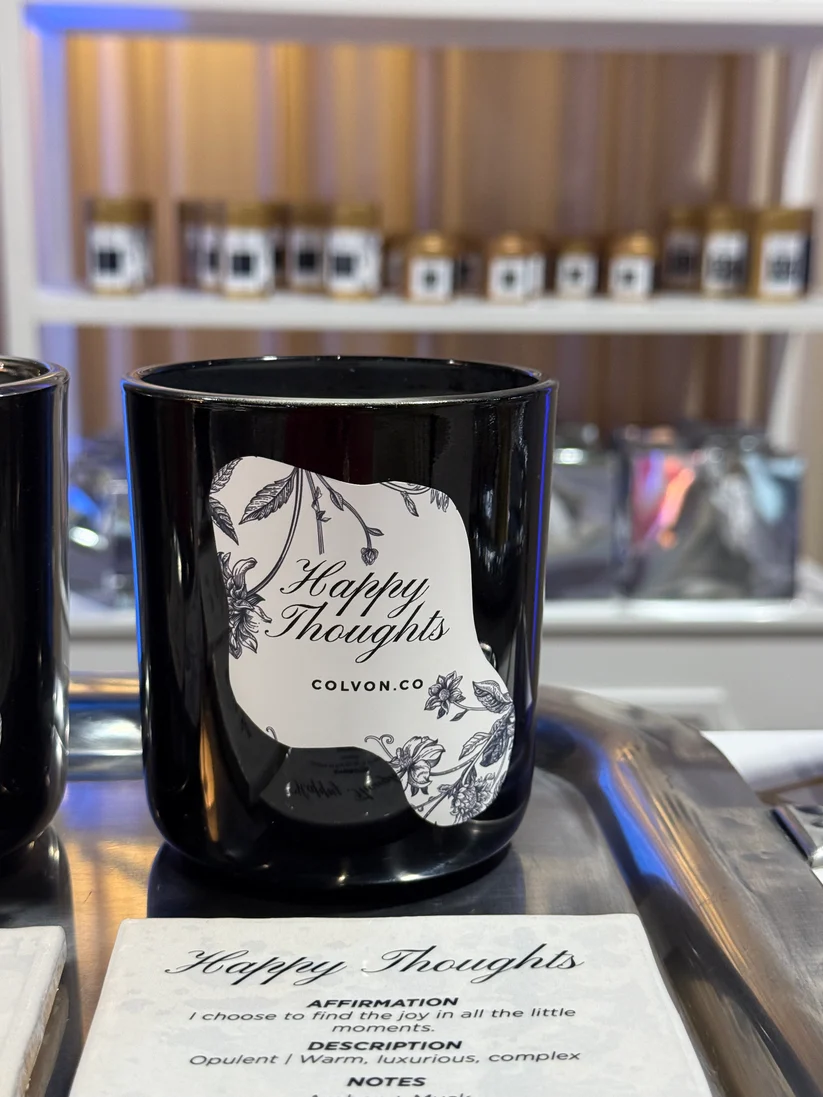
The Colvon Happy Thoughts Candle embraces that idea, encouraging people to slow down and savor everyday rituals. Its fragrance features top notes of ozone, jasmine, saffron, and bergamot, followed by tonka bean, patchouli, sandalwood, and leather, with vetiver, musk, and amber at the base.
Light it while journaling, reading, taking a bath, or simply settling in for the evening. The candle becomes less about adding another decorative object and more about creating a ritual around pausing.
Bring Nature Into Your Space
Plants are one of the simplest ways to make a home feel more alive, but you don’t have to stop there. Incorporate natural wood, woven textures, botanical patterns, organic shapes, floral artwork, and outdoor-inspired colors. These details can bring warmth and visual interest to a meditation corner or living space.
This is another place where Blakeney’s colorful, nature-inspired design philosophy offers inspiration. Rather than stripping a room of personality in the name of calm, consider creating calm through the things that genuinely make you happy. A restorative space can have personality.
Add Comfort Through Texture
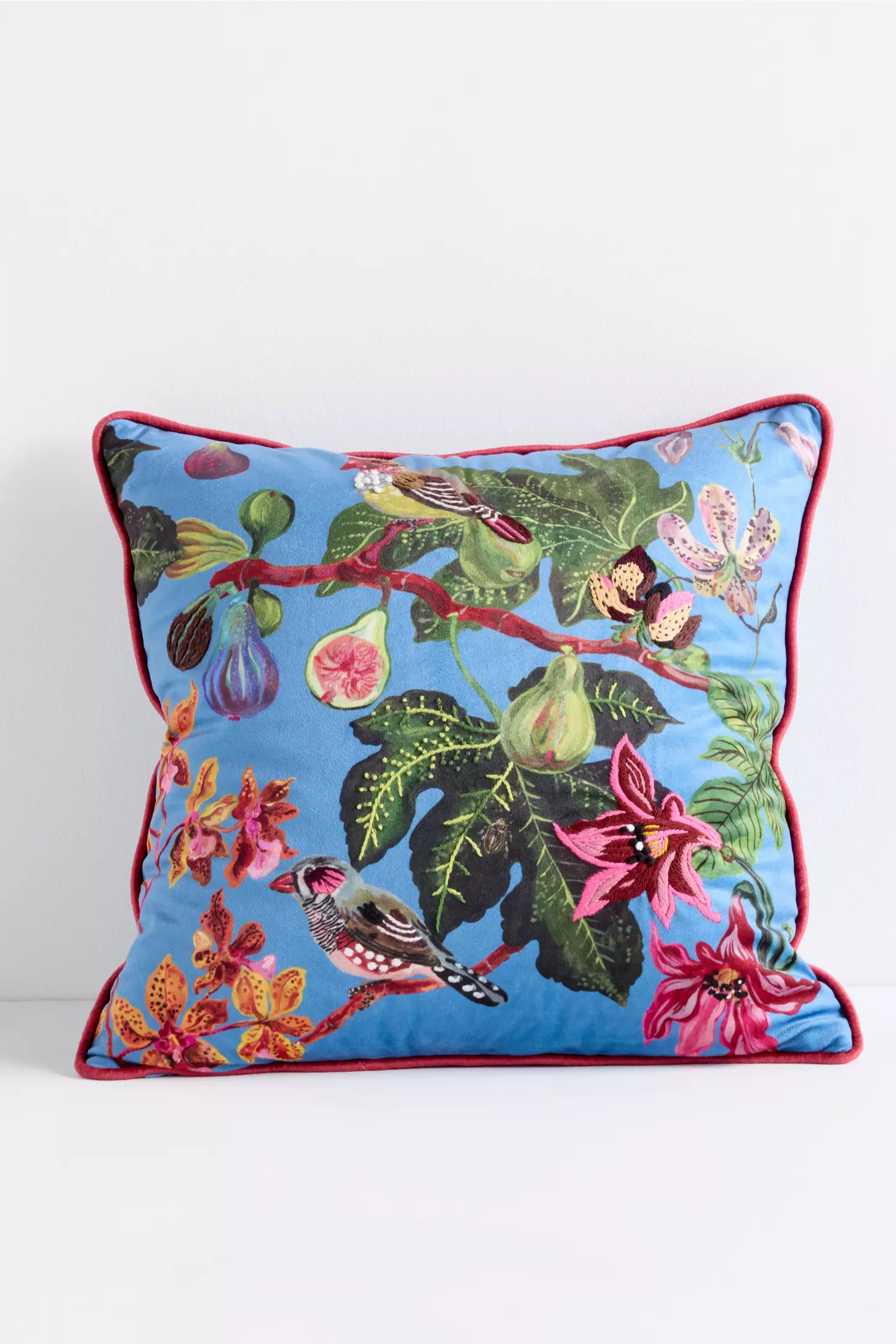
If you want a meditation or reading corner that you will actually use, make it comfortable. The Nathalie Lété Embroidered Velvet Pillow, designed exclusively for Anthropologie, is one way to introduce softness and color. Inspired by woodland imagery and whimsical fauna, the pillow can bring a playful element to a living room, reading nook, or meditation area.
The broader design lesson is to layer textures that invite you to linger: velvet, linen, cotton, wool, woven materials, and soft rugs can make a room feel warmer and more tactile.
Rethink Your Lighting
Lighting can completely change how a space feels. Instead of relying exclusively on bright overhead fixtures, layer your lighting throughout the home. Incorporate table lamps, floor lamps, sconces, candles, and dimmers so you can adjust the environment by time of day. Think brighter and more energizing in the morning, softer and warmer in the evening.
Design for How You Want to Feel
Ultimately, the best wellness upgrade may be the most personal one. Ask yourself: ‘What do I want my home to help me do?’
If you need better sleep, prioritize your bedroom. If you want to meditate more consistently, create a dedicated corner. If you decompress through reading, invest in a comfortable chair and good lighting. If you love art, surround yourself with pieces that make you pause.
Wellness at home isn’t about recreating a picture-perfect spa. It’s about creating an environment that supports your actual life. As Justina Blakeney’s approach to art suggests, the pieces we live with can evolve alongside us. A work of art can take on new meaning as our lives change, while a familiar scent, favorite pillow, or morning light can become part of a ritual that makes home feel like a place to return to—not just physically, but emotionally.
Your home doesn’t simply have to look like a sanctuary. It should feel like one.