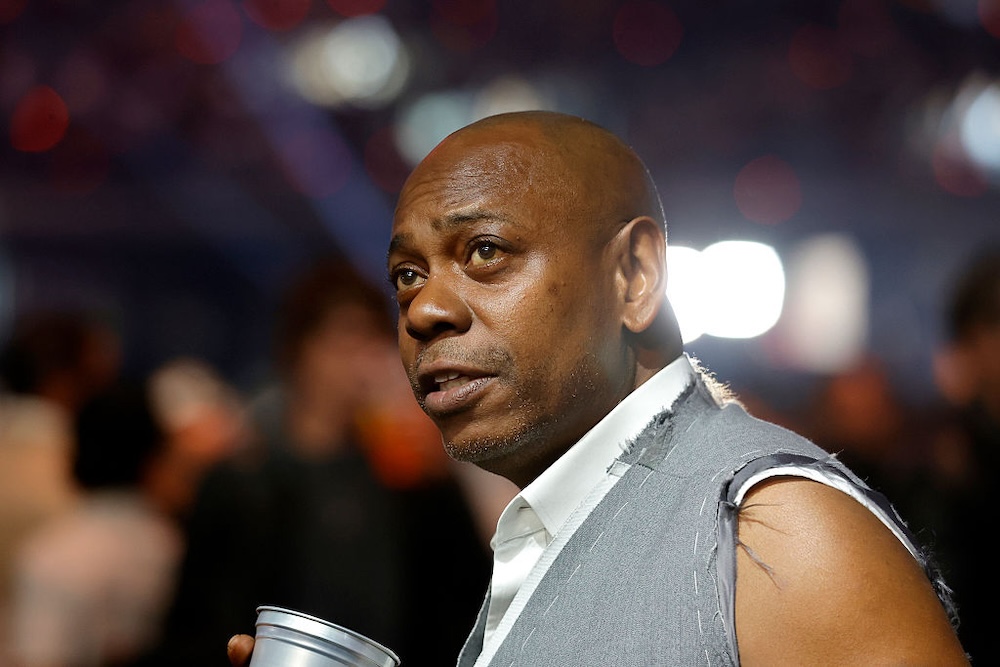
Netflix recently surprise-dropped Dave Chappelle: The Unstoppable, the comedian’s first stand-up special in two years. By the end of its 75 minutes, the intention behind the release becomes clear: the special closes with an extended, humorous history lesson on Jack Johnson, the first Black heavyweight boxing champion, and the cultural cost of speaking freely in hostile territory.
Earlier this year, Chappelle was raked over the coals in some circles for headlining the inaugural Riyadh Comedy Festival, an event that also featured Wayne Brady, Chris Tucker, Hannibal Buress, Kevin Hart, and others. Modeled in part after Riyadh’s annual Soundstorm music festival (where Cardi B headlined this year), the comedy showcase positioned Saudi Arabia as a luxe, global entertainment destination akin to Dubai.
Human rights organizations, including Amnesty International, criticized Chappelle’s participation due to the country’s documented human rights violations, most notably the 2018 murder of journalist Jamal Khashoggi, who was killed by Saudi agents after years of reporting on political corruption.
Chappelle addresses the backlash not so subtly, joking about how much he was paid, but also said, “Israel’s killed 240 journalists in the last three months,” during the special. “So, I didn’t know y’all were still counting.” According to the Committee to Protect Journalists, at least 249 journalists and media workers have been killed during the Israel-Gaza war as of this month.
The line lands as both provocation and commentary, consistent with a career that has increasingly blurred the line between stand-up, social critique, and historical reflection. In a set where crowd-pleasing, nothing-appeared-off-limits jokes — whether about Trump and Elon, buying property in his Ohio hometown, or Charlie Kirk and Sean “Diddy” Combs — Chappelle pivots toward broader commentary on Palestine, censorship, and the limits of free speech, topics he links to his recent overseas appearances.
Taken together, The Unstoppable… poses a familiar question through a contemporary lens: How much room does a Black comedian have to speak plainly in 2025?
Comedy as Confrontation
This tension has long shaped Chappelle’s work. Since Chappelle’s Show, he has increasingly structured his comedy around mini history lessons, threading humor through narratives about race, power, and American mythmaking. Whether unpacking the assassinations that marked the end of the country’s postwar innocence in The Age of Spin or referencing COINTELPRO in The Bird Revelation, Chappelle often positions himself as both entertainer and archivist—explaining Black American history to audiences that are frequently not its primary inheritors.
This approach places comedy in a familiar role: not simply as relief, but as confrontation. The laughter becomes a vehicle, not the destination, allowing uncomfortable truths to move through rooms that might otherwise resist them.
The Long Line of Black Comic Truth-Tellers
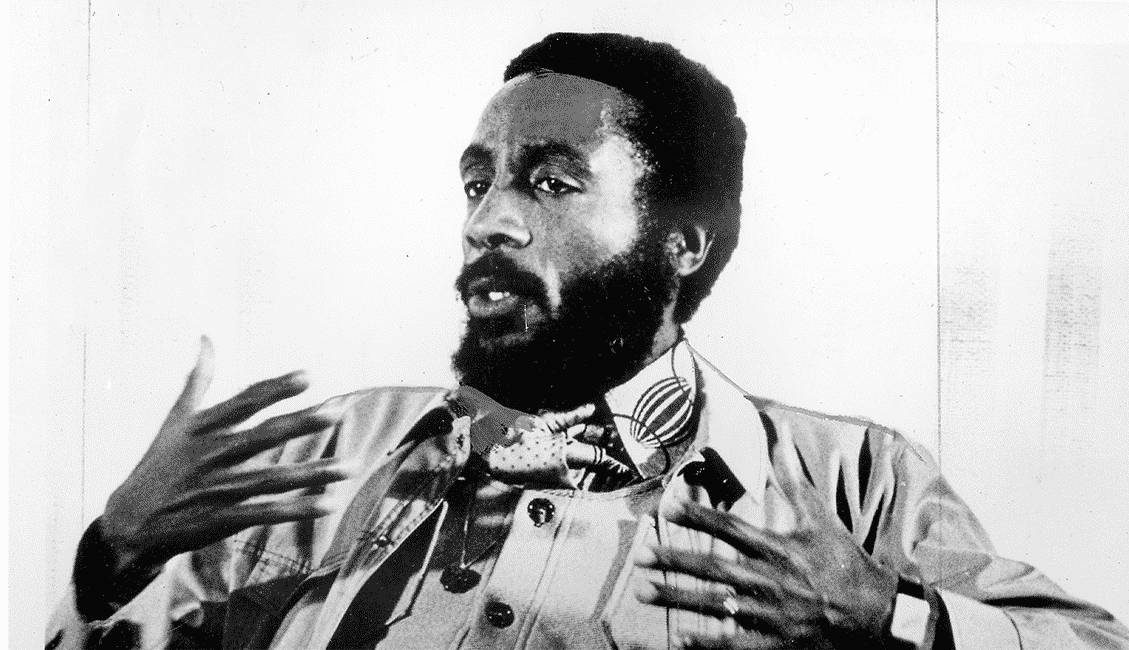
That tradition did not begin with Chappelle. Comics like Richard Pryor, Paul Mooney, and Dick Gregory understood stand-up as a form of cultural interrogation, often at great personal and professional cost. Gregory, in particular, leaned fully into activism during the civil rights era, using comedy as a platform to challenge American hypocrisy while risking financial stability and mainstream acceptance.
Like his predecessors, Chappelle has repeatedly tested the limits of public tolerance. Each generation of Black comics creators who have spoken plainly about race, power, and empire has faced some form of backlash, often framed as concern about tone rather than substance.
Who Gets to Speak and Who Decides
So far, there has been little public backlash from pro-Israeli advocacy groups or organized campaigns directed at Netflix over The Unstoppable… That relative quiet stands in contrast to the scrutiny Chappelle faced earlier this year after saying onstage in Saudi Arabia that “it’s easier to talk [there] than it is in America,” a claim he reiterates in the new special.
The disparity raises questions not so much about any single comment as about the broader ecosystem that determines which critiques are amplified, ignored, or condemned. In that sense, Chappelle’s work continues to operate in a gray zone, where provocation, satire, and commentary coexist without clear boundaries.
The Comedian’s Bargain
Chappelle closes The Unstoppable… with a self-aware riff about how audiences will know if he has finally been compromised by power, joking that if he ever declares, “I stand with Israel” onstage, they’ll know the deal has been done. Whether read as satire, provocation, or calculated boundary-pushing, the moment underscores the central tension of his late-career work.
Comedy, in this tradition, is a bargain. The comedian speaks freely, the audience laughs and society decides how much truth it is willing to tolerate in exchange for entertainment.
Whether that space continues to exist may depend less on Chappelle himself than on how much latitude the culture is willing to grant its comedians in the years ahead.