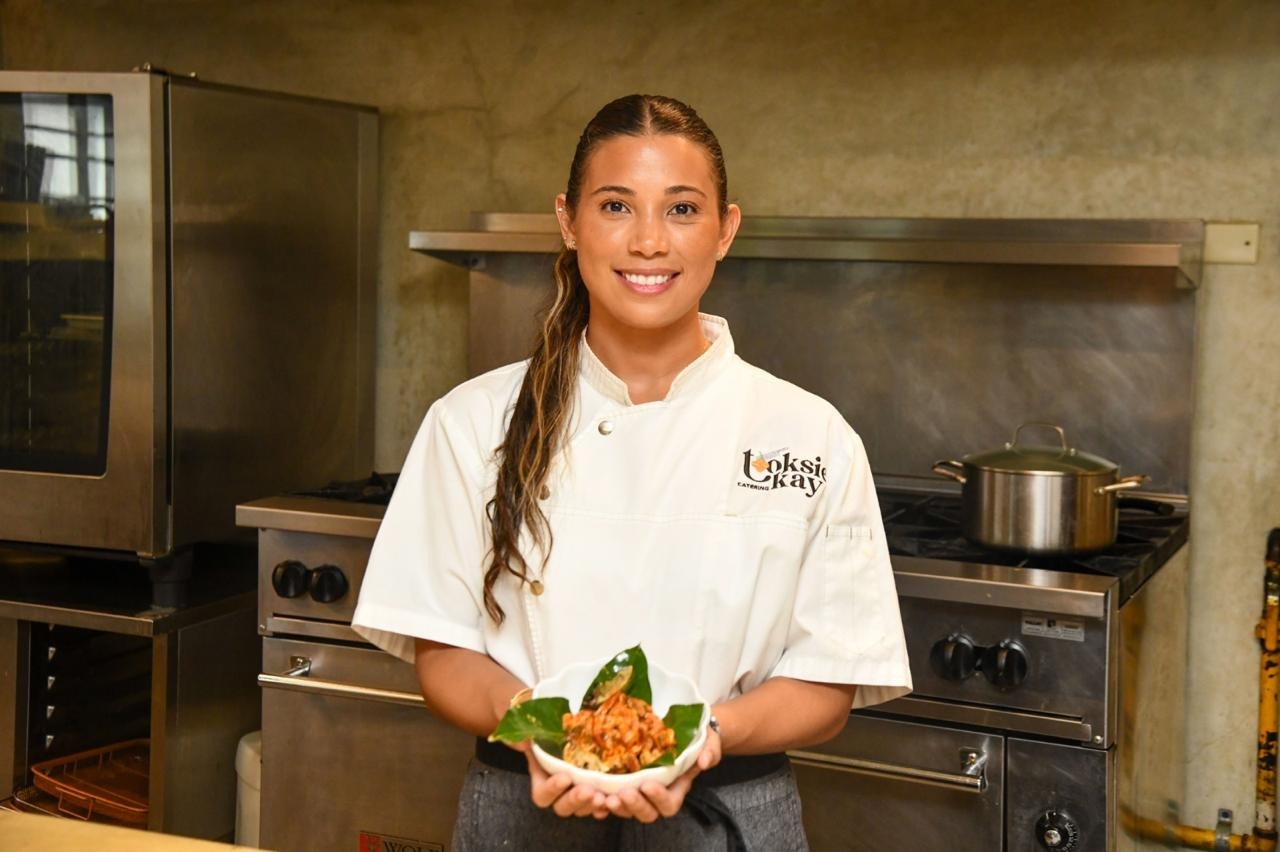
Having a Jamaican father means Caribbean food has always been a staple in my life. Whether it was at my grandmother’s house or my uncle’s, I remember eating dishes like jerk chicken, oxtail, and rice and peas—foods I loved growing up and still enjoy today. As I got older, I started to appreciate the cuisine even more and wondered whether others enjoyed it just as much as I did.
There’s no denying that Caribbean food has made a lasting impact on the world. The dishes reflect generations of history, culture, and identity while influencing kitchens far beyond the region. And no matter what’s being ordered, it’s a cuisine that people will keep coming back to.
Yet despite its global impact, the cuisine has remained absent from one of the culinary world’s most prestigious honors: Michelin recognition. Now, as more Caribbean chefs gain international recognition, some are asking whether the region’s cuisine is finally ready for its Michelin moment.
EBONY spoke with Jamaican Chefs Lisa and Christopher Binns, co-founders of Stush in the Bush, Chef Shea Stewart of Komo Mai, and Alexa Von Strolley, founder of TOOKSIES, about why Caribbean cuisine is ready for global recognition—and what still stands in the way.
Jamaican Chefs Say Caribbean Cuisine Is More Than Jerk Chicken and Oxtails
For years, many people outside the Caribbean associated Jamaican food with a handful of familiar staples. But Von Strolley says that perception is finally beginning to change. “When I first started, Jamaican food abroad was almost always boxed into jerk chicken, rice and peas, oxtail and patties,” Von Strolley tells EBONY. “Don’t get me wrong, I love all of those, but our cuisine is so much bigger than that.”
Today, Von Strolley says she’s seen a shift in how people first encounter the food. “For a lot of people, a bottle of sauce might be their very first taste of Jamaica,” she says. “That first experience shapes how they see our food and culture.” She’s watched people grow curious about ingredients like scotch bonnet peppers, pimento, sorrel, tamarind, escovitch, and rundown—not just because of their flavors, but because they want to understand the history and culture behind them.
Caribbean Chefs Say the World Is Finally Catching Up
For Lisa and Christopher Binns, having their restaurant, Stush in the Bush, named one of North America’s 50 best restaurants felt less like a personal achievement and more like validation for Caribbean cuisine as a whole.
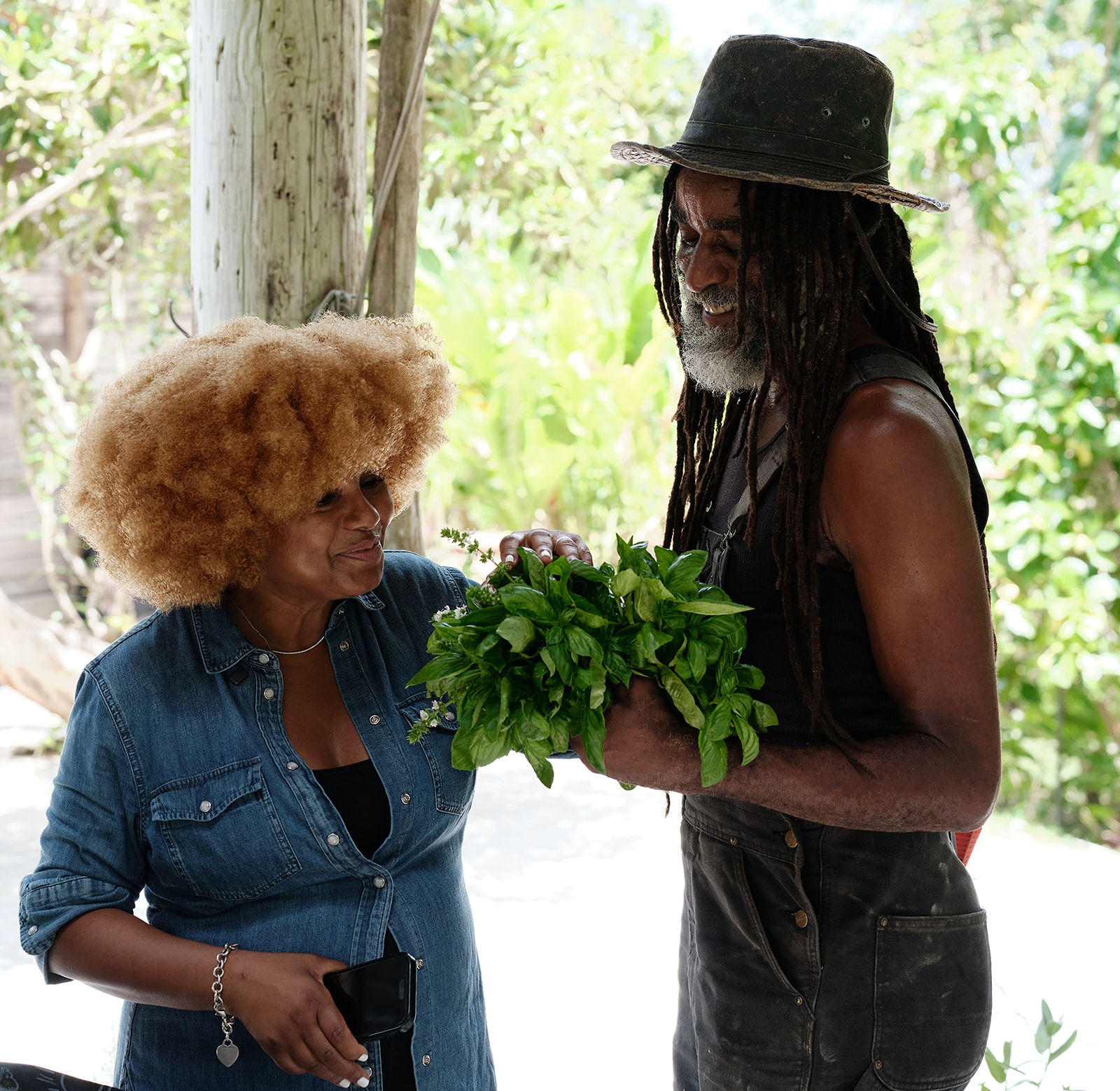
“It still moves me to think about,” Lisa Binns tells EBONY. Reflecting on what the recognition says about the growing appreciation for Caribbean cuisine, she adds, “What I hope it says about Caribbean cuisine is that the wider world is finally catching up to what we have always known at home.” Binns says Caribbean cuisine has often been reduced to comfort food, holiday food, or food you eat on the beach when, in reality, it’s not the full story.
When asked about whether Caribbean restaurants are ready for Michelin recognition, Binns said yes. “I think the cooking in this region is more than ready, and I would love to see that acknowledged,” she explains.
Although she believes the region is ready, there’s still work that needs to be done, she says. “There is honest work to do on our side as well. Reliable cold chain, specialty supply, formal training pathways, and the ability to keep talented young cooks at home when hotels and cruise lines can offer far more—these are infrastructure questions, not questions of ability.”
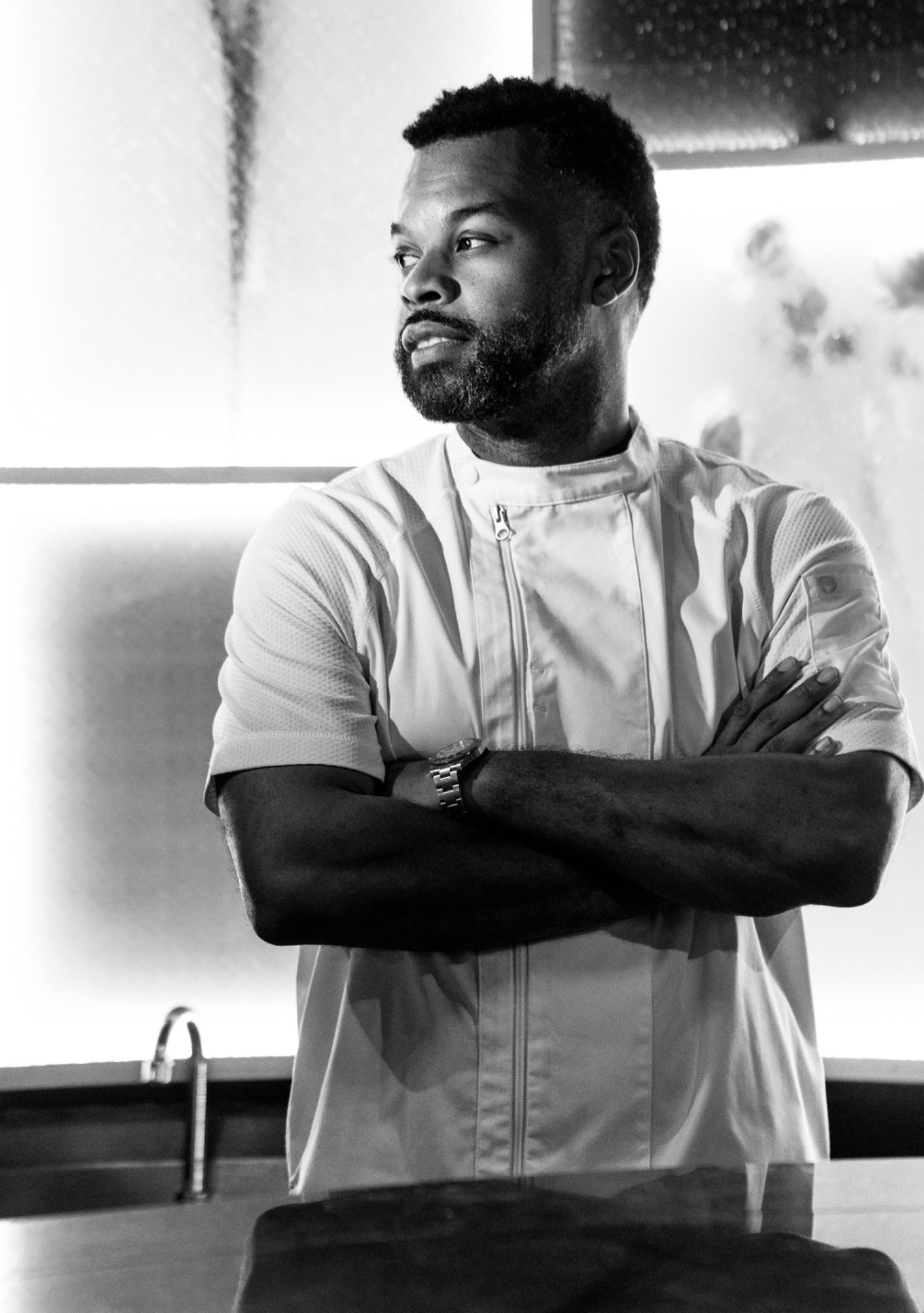
Shea Stewart, owner of Komo Mai, co-signed with Binns. “I believe the process begins with having the desire, drive and ambition to succeed,” Stewart tells EBONY. “We already have the talent; we simply need to learn and understand what is required so we can dot every ‘i’ and cross every ‘t’.” When it comes to his thoughts on the global culinary stage. He says, “Right now, we’re at a gentle simmer—but we’re about to bubble.”
Recognition Could Open Doors Beyond the Kitchen
While global recognition has the potential to create lasting opportunities throughout the region, it could also transform the future of Caribbean cuisine. “Recognition would help enormously with all of it, because it brings investment and it brings visitors past the resort wall. Most of all, it lets a young cook in St. Ann see a career worth staying home for. That is the part I care about,” Binns explains.
Von Strolley agreed that the ripple effects will impact the region. “Every time someone falls in love with a Caribbean ingredient, they’re one step closer to discovering a Caribbean chef or restaurant,” she says. “Success for one Caribbean brand opens the door for the next one, and I think that’s something we should all be excited about.”
For the Binns family, the future isn’t just about awards—it’s about ensuring Caribbean chefs don’t feel they have to leave home to succeed. “I hope our best cooks no longer feel they have to leave in order to be taken seriously. Caribbean talent has quietly held up kitchens in New York, London and Toronto for decades. In ten years, I would love to see young chefs coming here to train, because this is where some of the most interesting cooking in the hemisphere is happening.” She adds, “I would also love to see us building our own institutions—our own guides, our own awards, our own writers and critics—so that our standard of excellence is defined here first.”