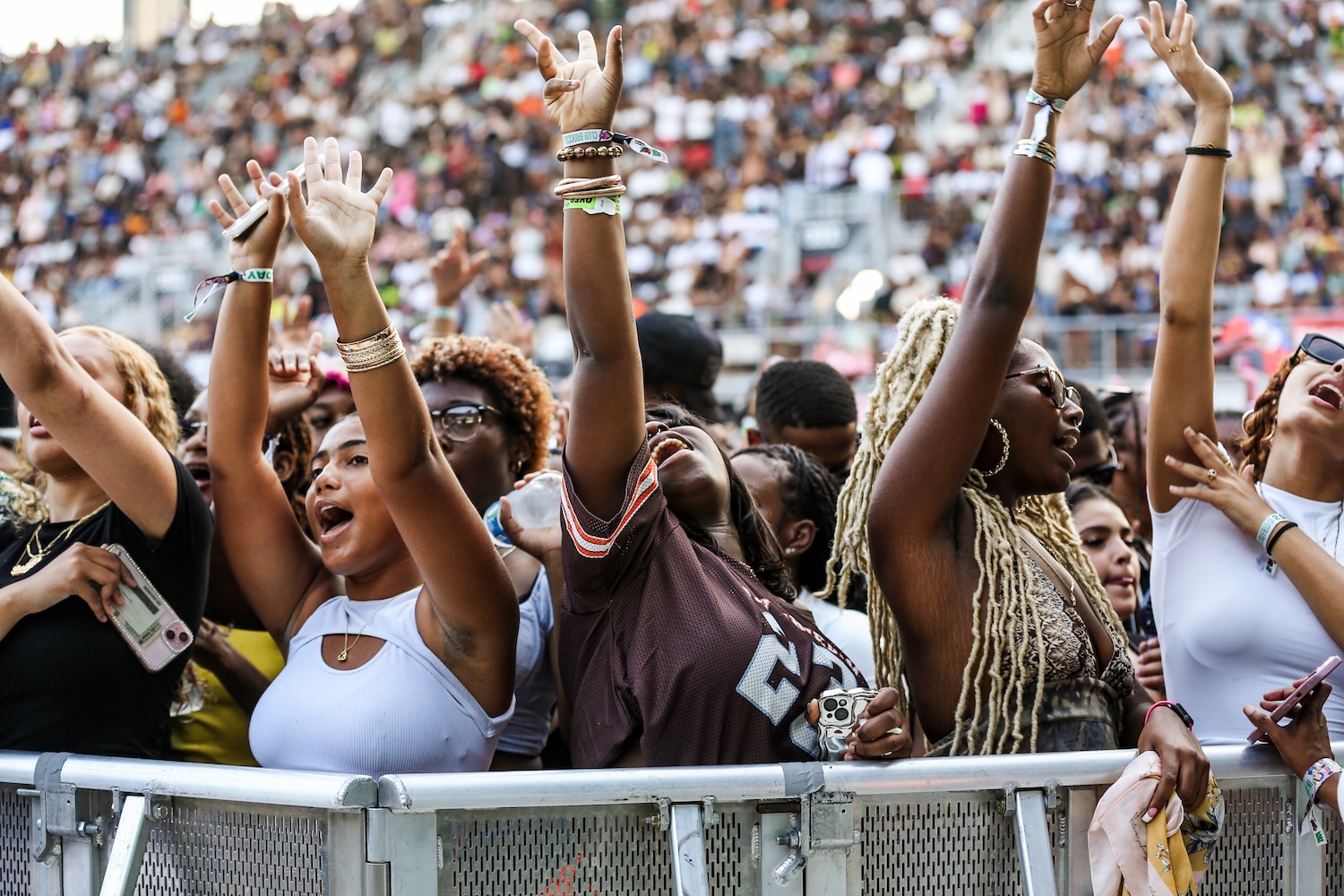
Everybody wants to see their favorite R&B artist live. But in this economy, with these prices, with artists dropping new tours left and right!? Unfortunately, not everybody can afford to.
Broccoli City founder Brandon McEachern created Holding Hands: An R&B Experience to solve that very problem. The new event debuts September 19 at Jiffy Lube Live in Bristow, Virginia (about 45 minutes outside Washington, D.C.), with Summer Walker, KWN, Elmiene, and Destin Conrad on the bill, and tickets as low as $25 to $39.
Yes, for the cost of a week’s worth of coffee.
McEachern got the idea watching the day party circuit charge $100, sometimes $150, for a DJ half the crowd couldn’t name. “Y’all are paying this?” he exclaimed, still sounding a little stunned by it months later. That frustration is what led to Holding Hands. He wanted to create something community-forward, without assuming everyone in the crowd has $200 to spend to come out and listen to the music they love.
That vision for community comes with a bill somebody has to pay, and it isn’t the fans. “We definitely still have to pay these artists their rate and respectfully,” McEachern said. The gap comes out of Broccoli City’s own margin. What makes it possible, he said, are partners like AT&T, and he credited them directly for absorbing a chunk of what it takes to hold the line on price.
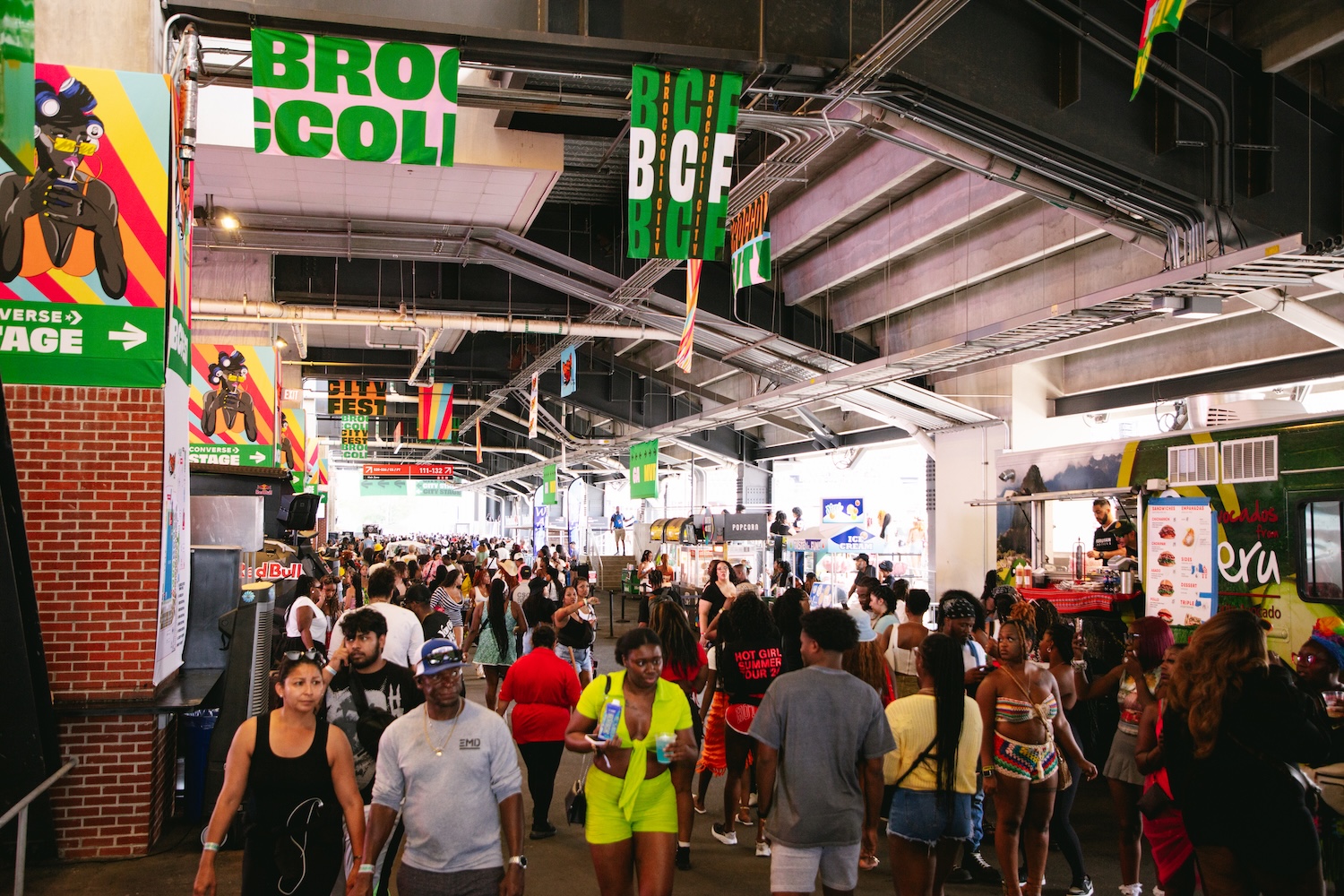
Partners like that are rarer than they used to be. Corporate money for Black cultural events has thinned considerably over the past few years, even though the audiences behind those events haven’t gone anywhere. McEachern chose his words carefully here, unwilling to call out any brand by name, but it wasn’t hard to read between the lines: a budget that supposedly doesn’t exist for one event has a way of reappearing for a similarly sized show built around a different crowd.
He remembers a short window right after the pandemic when it felt like brands were actually listening to what Black organizers were telling them. Not anymore. “It’s a blessing to have relationships with folks like AT&T who actually do see the value within this core audience,” he said.
McEachern took a similar risk with the lineup. If you’ve seen most all-R&B shows recently, you’ll notice that they all tend to lean legacy with artists like Boyz II Men, Tank, Mary J. Blige and others. And McEachern could have gone that route given his own taste, but instead built the bill young (i.e. Gen Z) and international, pulling KWN and Elmiene in from the UK alongside Destin Conrad.
“I’ve just seen her take the world by storm,” he said of KWN, adding that “all my little young homegirls” already know every word. He also brought in R&B Only, an established R&B party brand with its own built-in crowd, and Club 1BD, a newer outfit blowing up on TikTok for viral mashup sets. It’s for sure a departure from the DJ-on-the-mic tradition McEachern came up on.
And while corporate dollars might be harder to come by, McEachern didn’t cut back on the vendor program. Around 500 vendors applied for roughly 20 spots at Holding Hands, most of them Black-owned.
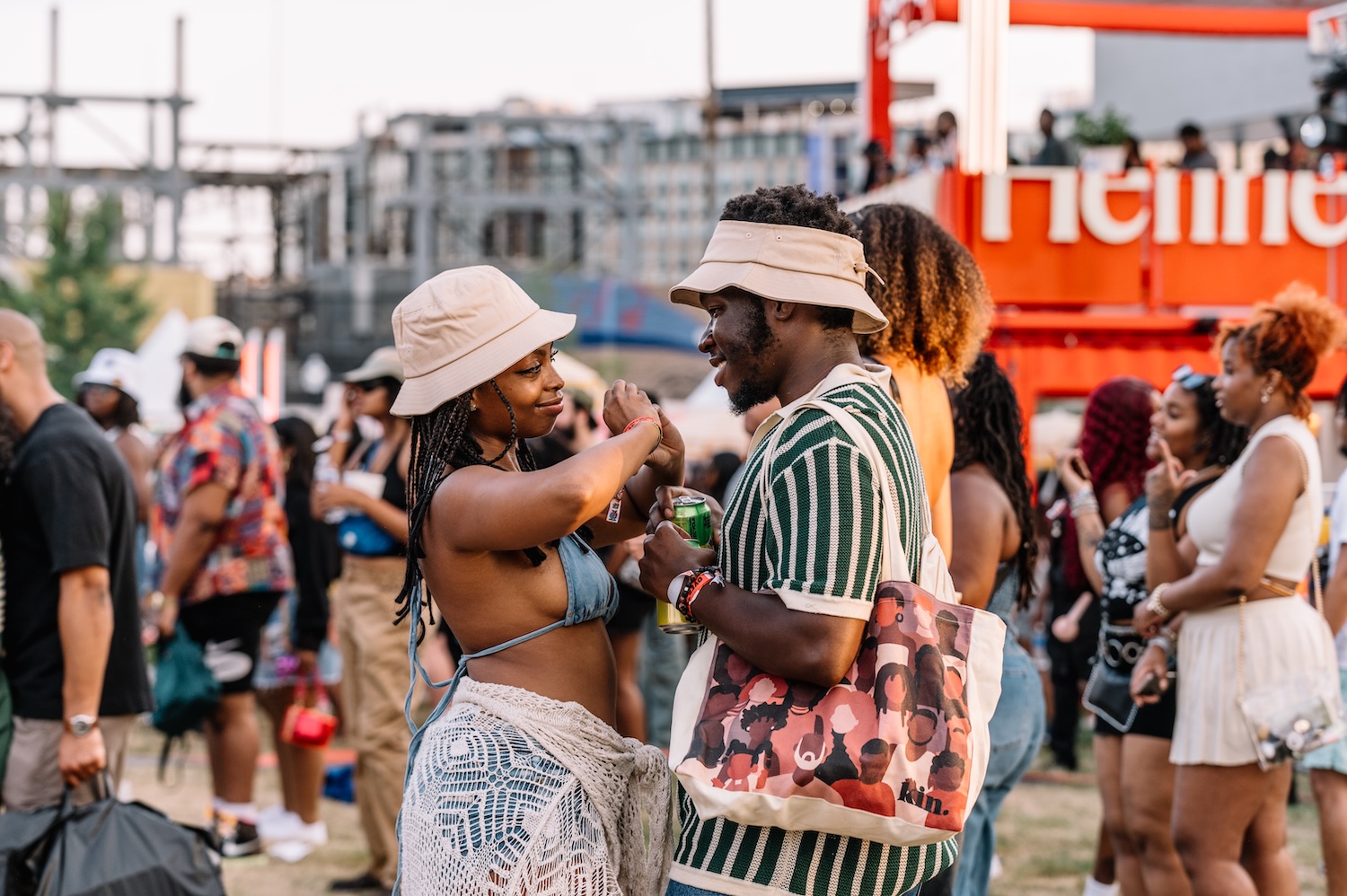
Loyalists in Washington, D.C. had questions when they heard Holding Hands was heading to Virginia instead. But he was honest that the venue options in D.C. right now don’t support the kind of environment he wanted at this price point. “The pickings in the city are pretty slim right now,” McEachern said. He’s framing the move as temporary, with Broccoli City programming already planned to return in 2027.
That same instinct — doing the unpopular thing when it’s right — is part of why Broccoli City has lasted while other Black-owned festival brands haven’t made it past a few years. McEachern pointed to his team’s ability to admit what it doesn’t know instead of pretending to have all the answers on which artists or trends will land. “We just wanna be respected at the end of the day,” he said. That’s the real reason, in his view, people show up angry in a comment section instead of just walking away for good.
He didn’t skip past the rough years either. Broccoli City went a full year without its flagship festival at one point. McEachern called that stretch the actual cost of doing this work year after year.
Now we’ll see how $25 tickets and a lineup like this can coexist.