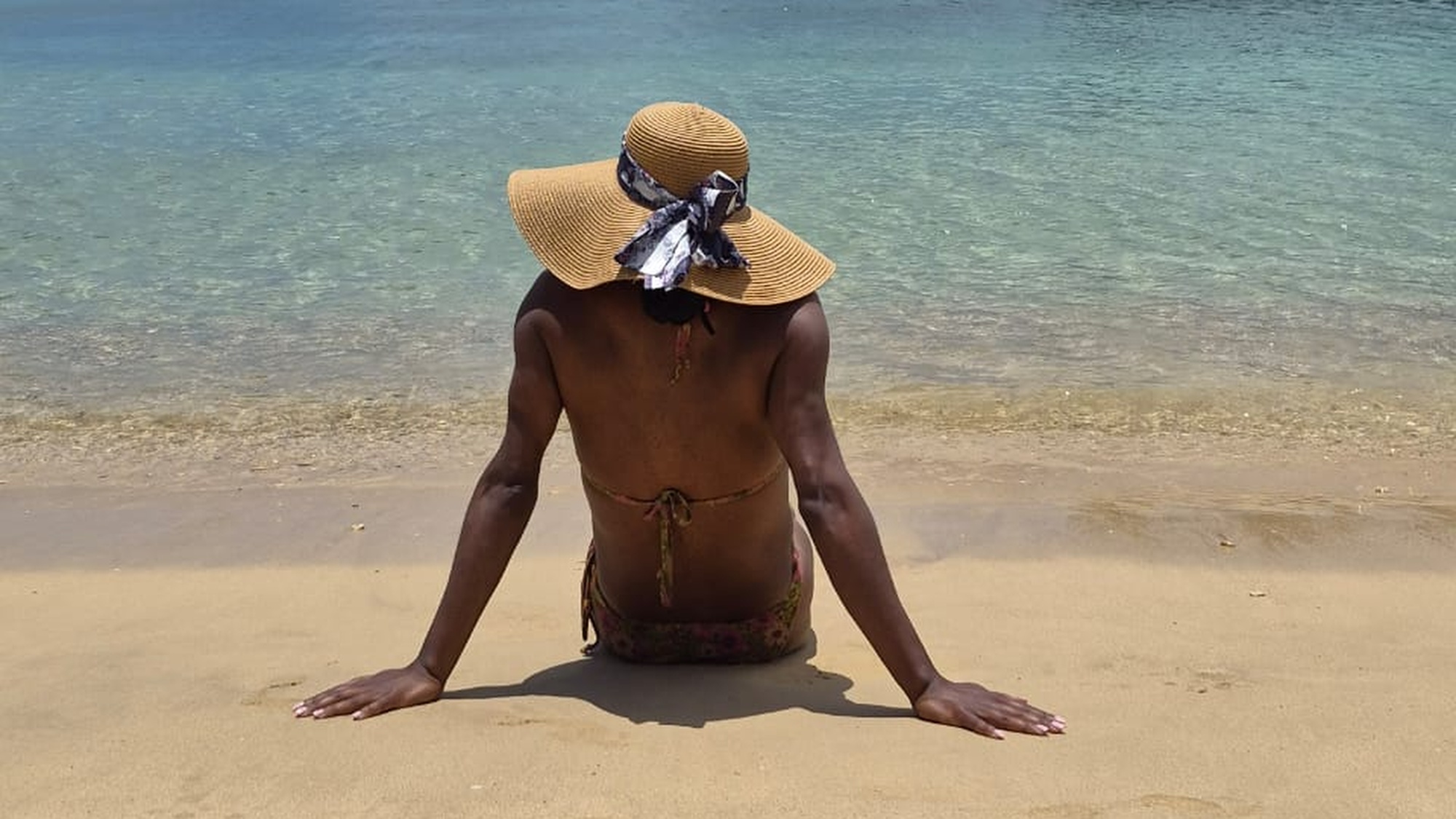
When Donicia Hodge lost her mother to gallbladder cancer in 2025, she wasn’t sure how to move forward after a heartbreaking loss. But like many people navigating grief, she soon discovered that the phrase “life keeps going” became an unavoidable reality, even in the midst of heartbreak. “I have my moments where I’m sad when I think of something that reminds me of her,” she said. “But life had to go on. I still had to keep my job and maintain my day-to-day.”
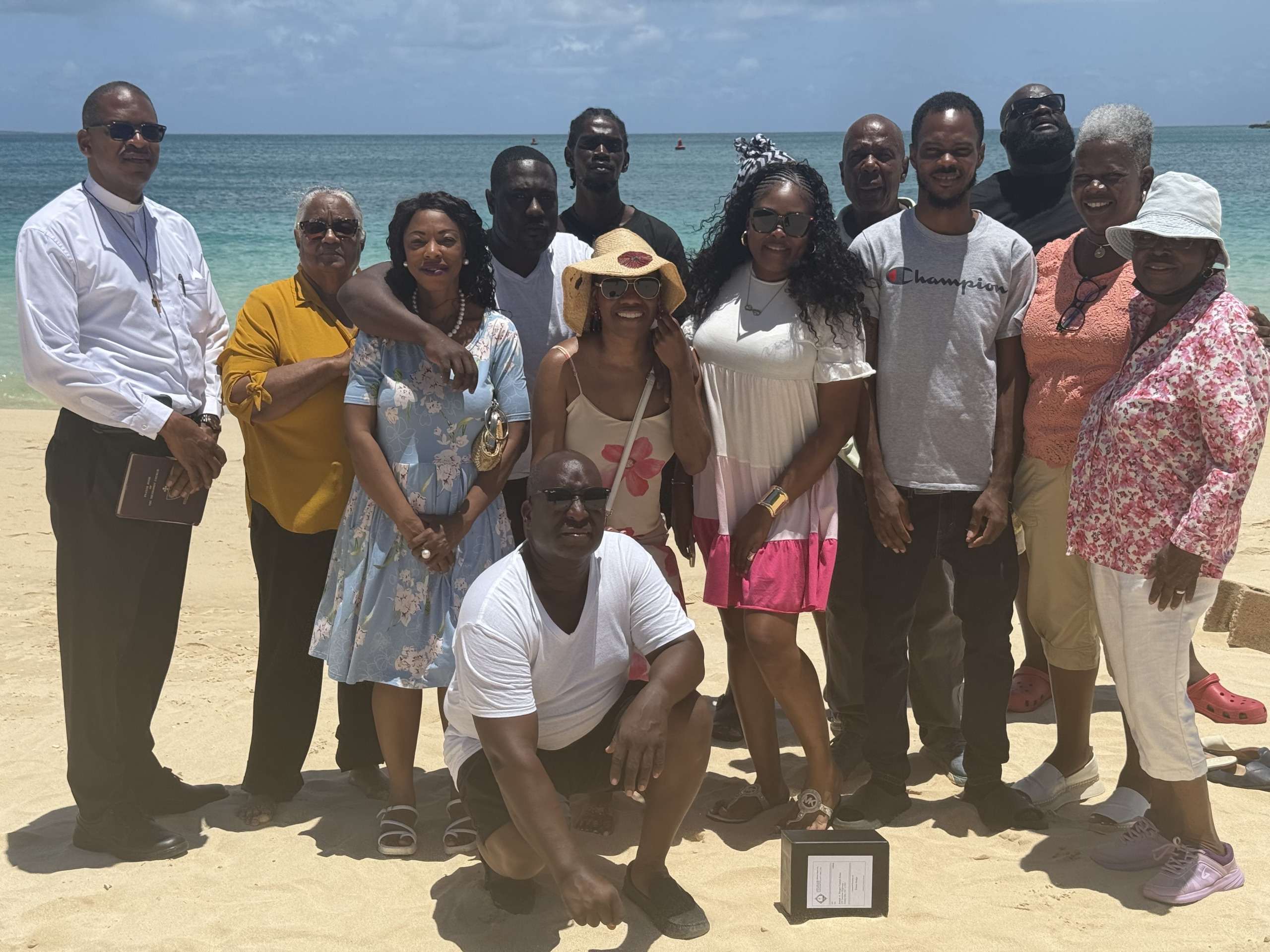
Like many others quickly realize, there’s no roadmap for moving forward after the death of a loved one. For Hodge, her journey to healing began with a trip to her mother’s hometown in Anguilla, where she scattered her ashes in the ocean and gave herself the space to process her grief. “My grief trip was a lot of reflecting,” she told EBONY. “I bumped into people who knew her and relatives who shared these random stories about her that I didn’t know. And I’m like, ‘Okay, that’s why she acted that way.’ I also talked out loud, watched the water, and just sat in silence.”
Grief travel is emerging as a rising segment of the wellness tourism industry as more people seek new ways to process loss, trauma, and major life transitions. According to the Global Wellness Institute, the global market for grief rituals and retreats is projected to grow to $4.52 billion by 2029, up from $2.73 billion in 2022. The expansion reflects a broader cultural shift toward prioritizing mental health and emotional well-being, with grief increasingly recognized as a central part of the wellness conversation.
For Black women, grief travel has transcended the wellness trend to become a form of radical self-care rooted in vulnerability, reflection, and healing. “With travel, it just gives them [Black women] permission,” said Natalie Thomas, a mental health expert and founder of The Remix Center, PLLC.
She continued, “It creates a space for them to carve out time to process, grieve, and take care of themselves. That’s pretty radical because what we’ve typically done is have the funeral and get back to work. Travel gives you that chance to unplug, cut that ringer off, and say ‘this is what has happened in my life and where do I go from here?’”
By stepping away from the demands of everyday life, Black women are intentionally creating the space to free themselves from others’ expectations. But unlearning the pressure to embody the “strong Black woman” stereotype, especially during times of grief, doesn’t come easily or naturally.
In moments when that pressure starts to build, Thomas emphasizes how essential it is to pause rather than push through the hurt. Rather than carrying the weight alone, she encourages Black women to share the load by giving themselves permission to ask for help.
“With the ‘strong one,’ unfortunately, just because grief shows up, that person doesn’t always shift,” she explained. “If they’ve been dependable, that doesn’t disappear. They’re still expected to be strong. They’re still expected to be available. And they’re also expected to be composed because no one knows what to do with their pain. They’ve been the strong ones for so long that when they’re all of a sudden crying in the corner, everyone is on high alert. The ‘strong one’ never asks for help with anything. But in the loss and during grief, that absolutely is the time that they need to say what they need.”
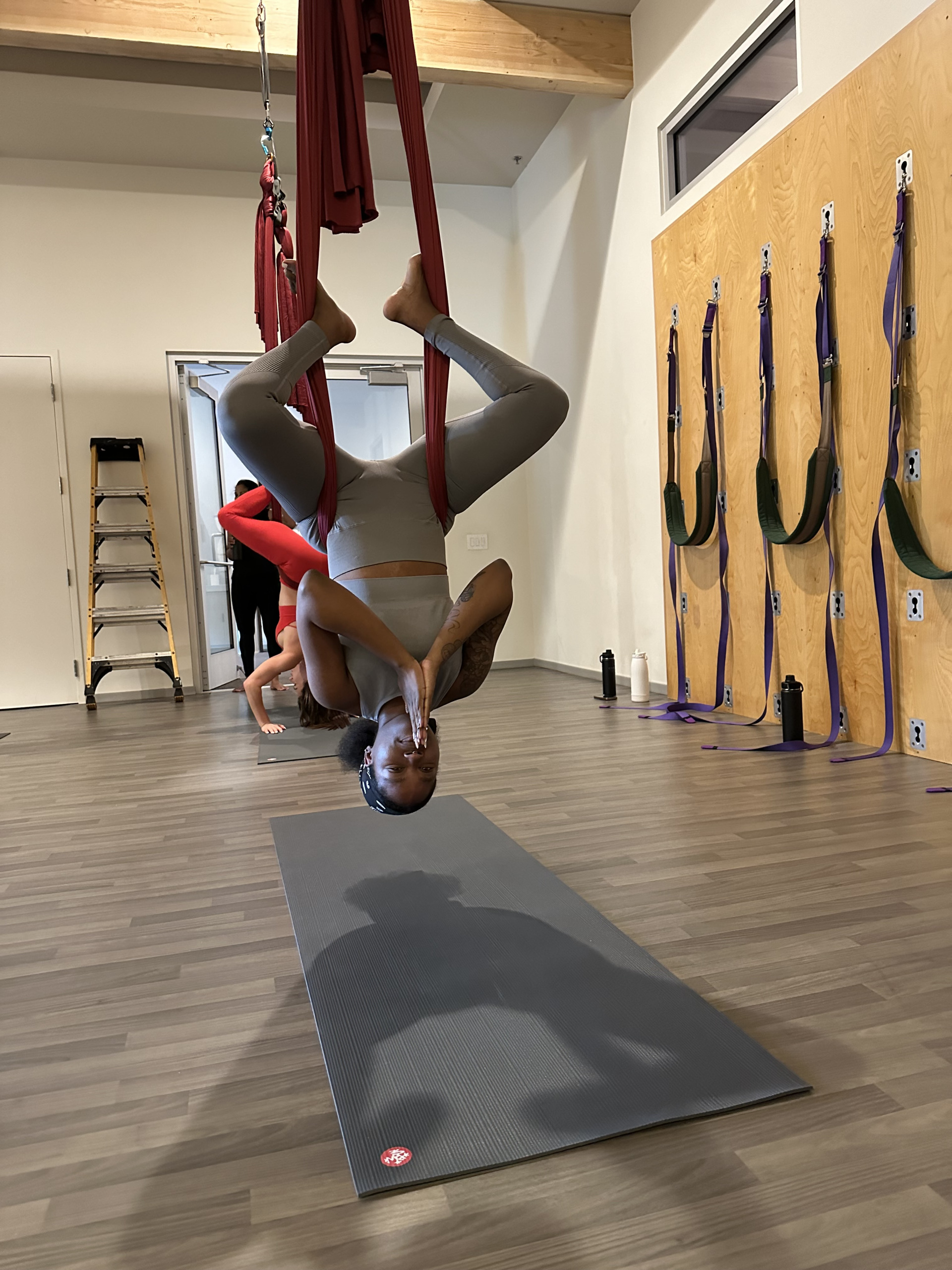
For Sam Gauchier, a wellness retreat offered what she needed most –solitude. After the end of a situationship in 2024, Gauchier was in dire need to reconnect with herself. While she traveled alone to grieve the loss of a relationship she had once hoped would change, the journey also became an opportunity to rediscover who she was. “I wanted to reconnect with a version of myself that had gotten buried through work, expectations, and a situationship that wasn’t serving me,” she said. “I needed to find and sit with myself without any social media, distractions, or anything that was going on in the world.”
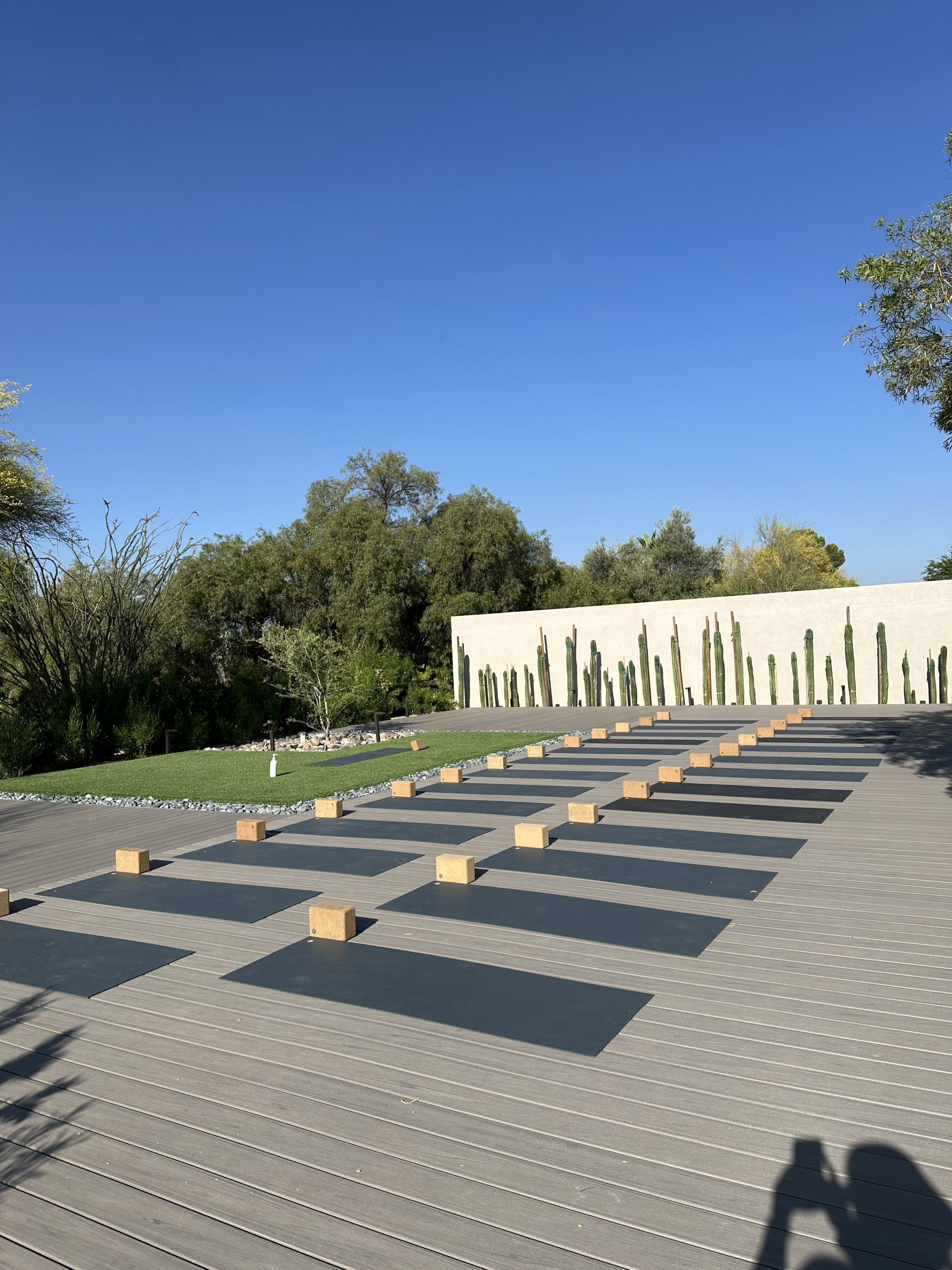
The New Yorker packed her bags and headed to CIVANA Wellness Resort & Spa in Carefree, Ariz. She wasn’t running away from her problems; rather, Gauchier was traveling with the intention of not leaving the same way she arrived. Alongside moments of stillness, Gauchier immersed herself in mindfulness practices like aerial yoga, hydrotherapy, journaling, chakra yoga, and other healing sessions designed to nurture the body, mind, and soul.
As planned, she left the retreat reconnected with herself. But to her surprise, she departed with a renewed perspective that continues to shape her life two years later. “I didn’t expect to walk away with the thought that I am enough,” she said. “That there’s nothing wrong with me…I didn’t expect to be okay with myself and the situation I was in. I realized that nothing is permanent. Things change day by day. Sitting with yourself helps that realization.”
At its core, grief travel is about creating intentional space for vulnerability, reflection, and healing –free from the distractions of daily life. While a getaway or wellness retreat can provide that environment, those experiences aren’t financially accessible for everyone, particularly in today’s economic climate.
Thomas recommends intentionally creating room for grief in whatever way is possible. That could look like taking a staycation, taking a few days to yourself at home, and letting friends and family know you’ll be unavailable.
“Cut the phone off,” she said. “Slow down. Give yourself permission to stop and pause. Travel gives you the distance that’s needed. But we can create that same space because that’s what’s needed to intentionally work on the perspective.”