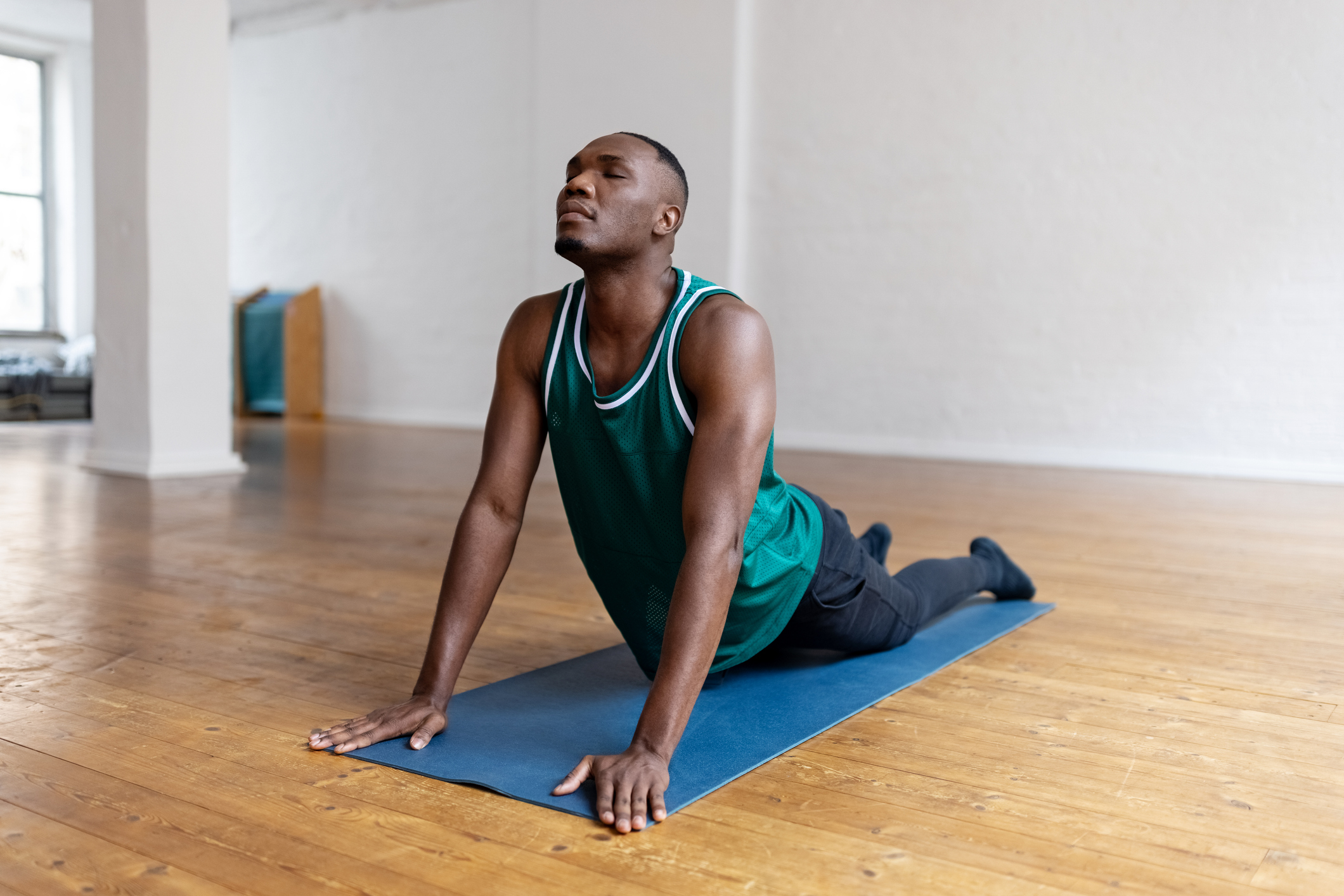
When we think of wellness, it’s supposed to be an act that makes us feel better internally and externally. Still, there can be moments when it sometimes feels like another thing we’re failing at. Missing a morning workout can feel like you’ve “fallen off,” or ordering takeout instead of meal prepping can bring guilt. That pressure can lead to unrealistic standards and harsh self-judgment when we don’t meet them.
According to McKinsey & Company, wellness is more important to consumers than ever. In the United States alone, it is estimated to represent more than $500 billion in annual spend, growing at 4 to 5 percent each year. While self-improvement is always a good thing sometimes there can be moments where we can overdo it without even knowing. “Everyone sees self-care as things you are doing for yourself from the outside-in, versus seeing what is needed from the inside-out,” said Alexis Hall, Outpatient Therapist and Wellness Provider.

When Self-Care Becomes Self-Surveillance
Our feeds are filled with elaborate morning routines, supplement regimens, fitness challenges and curated meals. Wearable technology can track our sleep, movement and heart rates. Apps can remind us to breathe, drink water and stand up. Though the tools themselves aren’t necessarily the problem, the constant messaging surrounding them can create the impression that there is always something else we should be doing to become healthier, calmer and more productive.
Wellness Shouldn’t Feel Like All or Nothing
For many people, that deviation can trigger an all-or-nothing cycle. One missed workout becomes a reason to abandon an exercise routine entirely. The irony is difficult to ignore: Practices intended to reduce stress can become sources of stress themselves. In a culture increasingly focused on optimization, even rest can become another assignment. Are you sleeping enough? Are you sleeping well enough? Are you taking the right supplements? Are you recovering efficiently? When every aspect of life becomes something to improve, simply being human can start to feel like falling short.

The Added Weight of Wellness
For our community, the conversation around wellness can be looked at as an important form of care and preservation. Still, these wellness routines cannot solve systemic problems—and placing the responsibility for being “well” entirely on people can create another impossible burden. The push to take better care of ourselves should not become another way to blame ourselves when our bodies, minds or lives don’t conform to an ideal.
“Capitalism has pushed us to think of self-care as a product or service. It’s become something that we do to ourselves. The fact is that what feels like self-care is such an individual experience,” said Yolanda Jenkins, the Founder and CEO of Santee + Redwood Wellbeing Studio. “Having an individual experience, though, requires reclaiming your practice altogether.”
Perhaps the goal isn’t to optimize every aspect of our lives. Instead, real wellness begins when we stop treating our humanity—including our inconsistency—as something that needs fixing. Because wellness should support your life—not become another impossible standard you’re expected to meet.