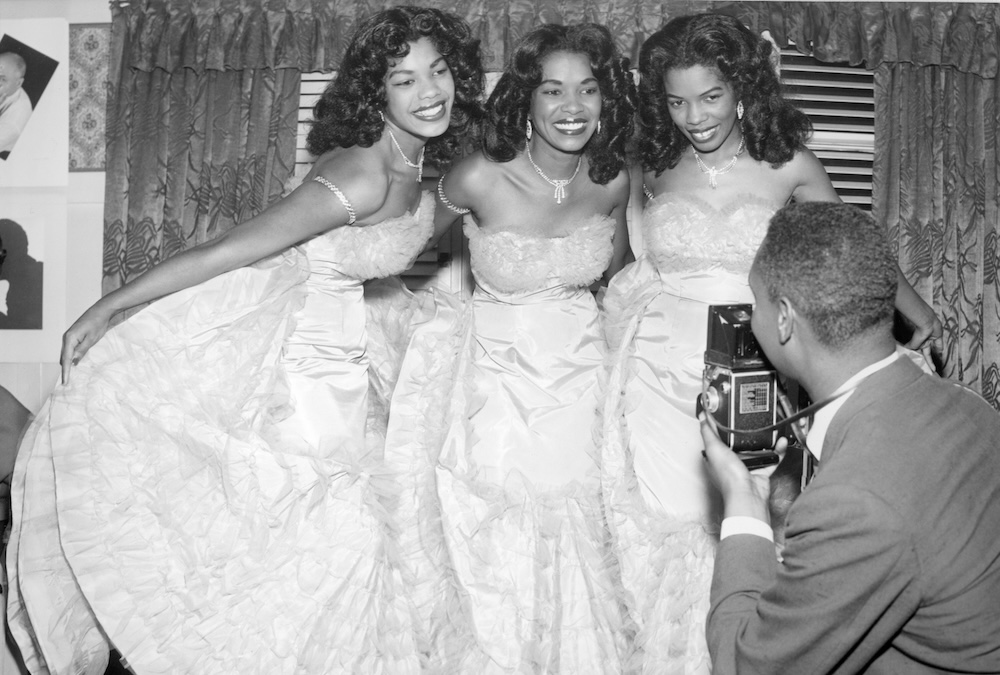
If a picture is worth a thousand words, Black Photojournalism, the latest exhibition at the Carnegie Museum of Art in Pittsburgh, Pennsylvania, teeters somewhere towards infinity. Featuring the work of nearly 60 Black photographers who captured images from 1945 — the year EBONY first published — through Jesse Jackson’s 1984 presidential campaign, it stunningly (and maybe, defiantly) displays moments of Black heritage, accomplishment, and joy.
The exhibition is inspired by the work of hometown hero Charles “Teenie” Harris, the influential photographer from Pittsburgh whose work was regularly featured in the Pittsburgh Courier, one of the nation’s most prominent Black newspapers. This immersive collection presents images from the Black perspective, chronicling some of the most significant achievements of the times. But just as importantly, it gives insight into every everyday beauty of Black family and community, pictures that feel like ones stashed in our own family’s vintage photo albums.
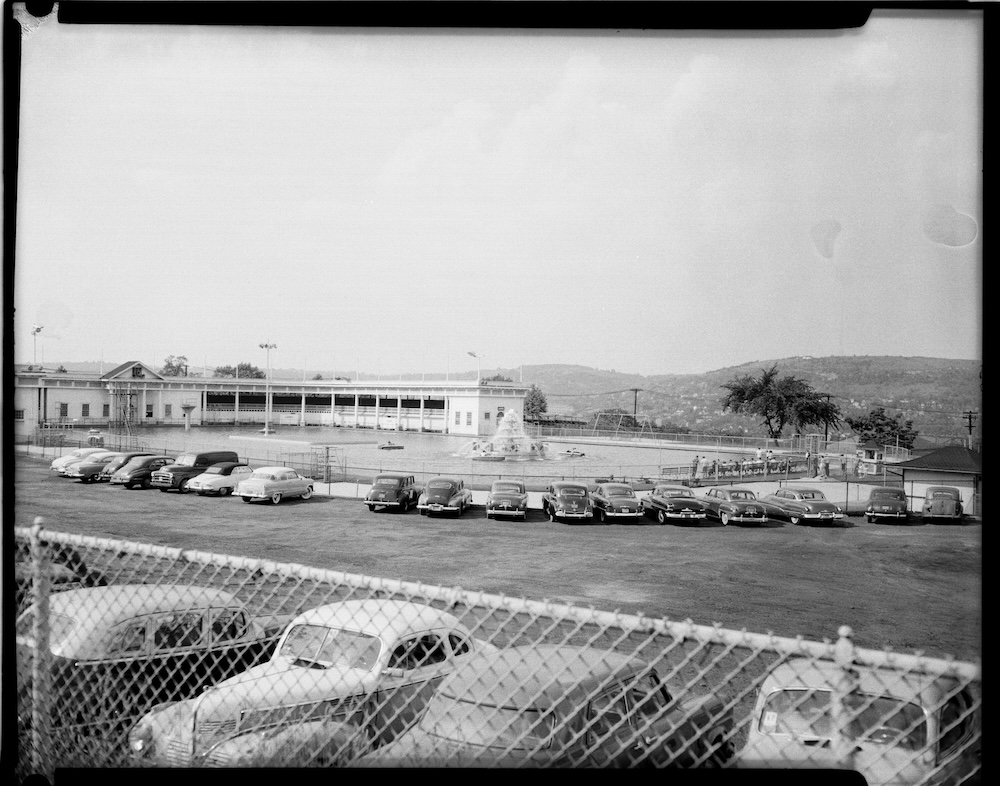
Harris’ “Kennywood” seized a moment in time: a pool and the fence, which was once a “Whites-Only” space, both now long gone. “Visual history provided evidence that was not readily or easily manipulated in the era of Harris and his contemporaries,” explained Charlene Foggie-Barnett, Charles “Teenie” Harris Archive Community archivist and co-organizer, Black Photojournalism, Carnegie Museum of Art, as we walked through Heinz Galleries, where the three-room exhibition is presented. It showcases the challenges of our history, and our determination to rise above them.
“They served as evidence of the actual living conditions for Black people at that time. Not the misnomers, nor the stereotypes. Real day-to-day Black life in America.”
With works by renowned photographers such as Kwame Brathwaite, Gordon Parks, Ming Smith and Mikki Ferrill, among others, Black Photojournalism is a platform that showcases how their imagery has chronicled the depth, breadth and diversity of American history.
No Print Unturned
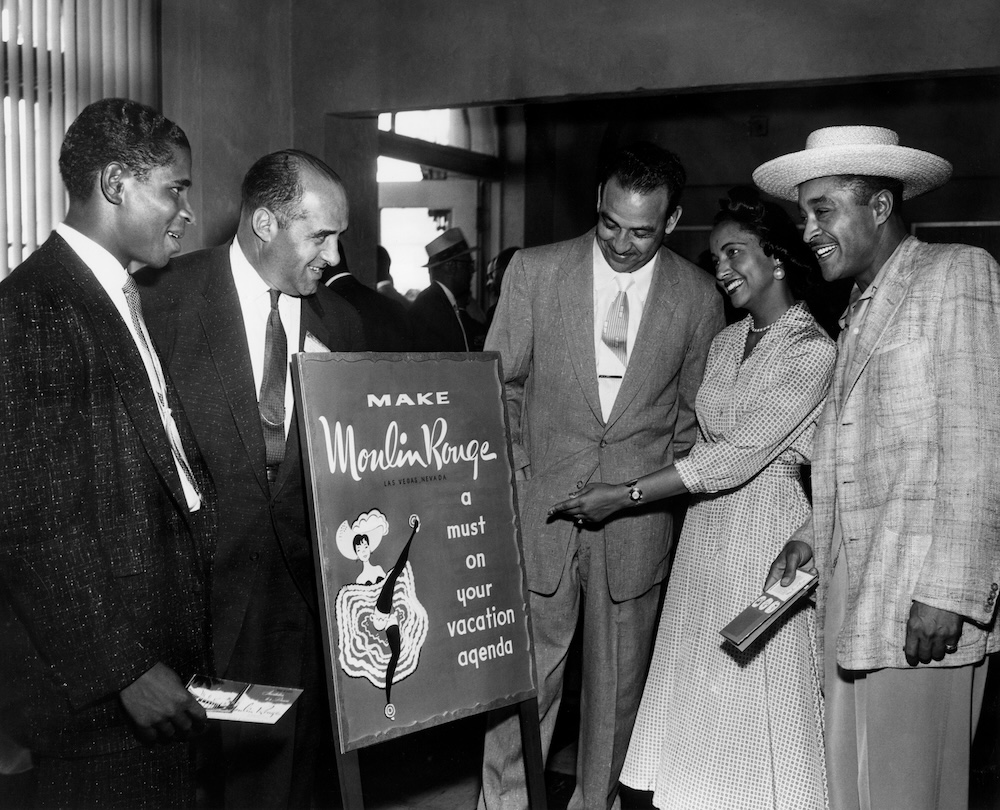
The exhibition is the ideal opportunity to present our past moments of rest and relaxation, as seen in photographer Charles Williams’ untitled photo highlighting Moulin Rouge, the first racially integrated hotel-casino destination in Las Vegas. Curating the imagery featured in Black Photojournalism meant a deep dive into Black media.
“We started online, made numerous phone calls, and then physically visited archives, libraries, and institutions to scour the records related to the information we were looking for,” Foggie-Barnett, who co-organized the exhibit, explained.
Leading Black publications, such as Afro American News, Atlanta Daily World, and, of course, EBONY and JET, became touchstones for uncovering the gems that fill the galleries’ walls and tables. For Dan Leers, the exhibit’s curator of photography and co-organizer of Black Photojournalism, that meant traveling across the nation to gather resources or finding a pristine print issue of JET at a neighborhood garage sale. “It was just sitting there,” he exclaimed. “Those discoveries were some of our best.”
Immersive Beings
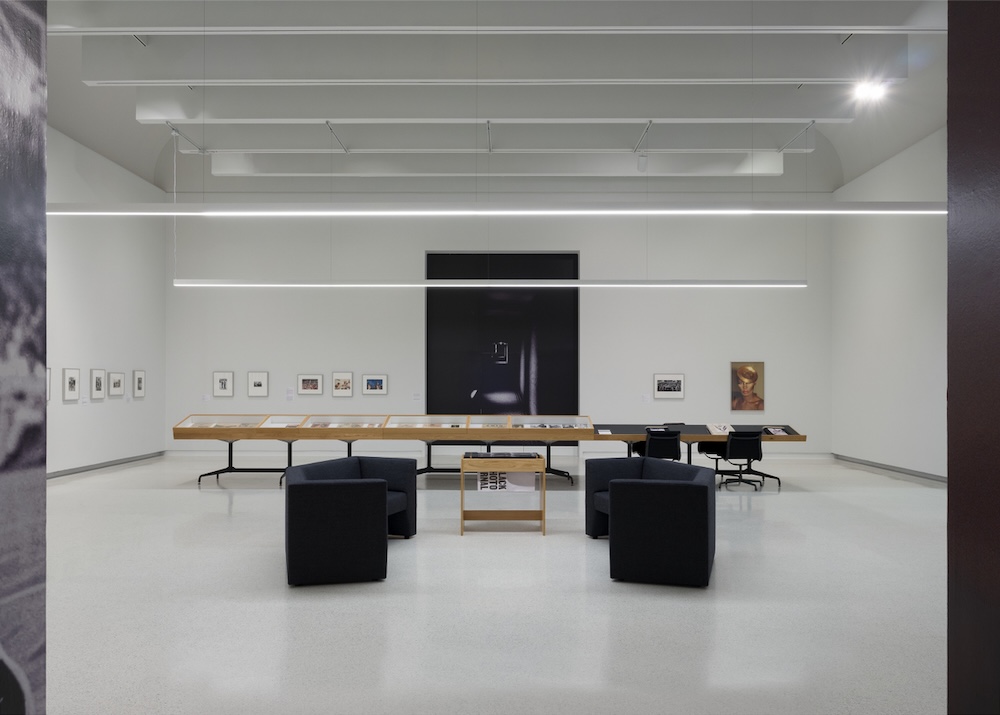
Pictures are something you look at, but the Black Photojournalism exhibition wanted to make this a more immersive experience. It features “microfiche machines that visitors can peruse, as well as films they can watch,” Leers revealed.
Six oversized fabric books, created by artist Liz Johnson Artur, encourage patrons to actually touch and feel these moments captured in history, which Johnson has symbolically bound with decorative string. “Visitors are welcome to handle and explore,” Leers stated encouragingly.
The tactical interaction breathes even more life into the photo experience, especially for Foggie-Barnett, whose own family photo is featured within the clothed sheets. She recalled how seeing it for the first time was an emotional experience.
“Archival photography is imperative to preserving and documenting cultural heritage, narratives, and traditions that could potentially be erased by those who wish to alter or erase the history of Black people,” she stressed.
A special newspaper was also designed by Kwame Omari of Black Mass Publishing, inviting visitors to sit and read in the space designed by Canadian artist David Hartt, and to take a piece of the exhibit home.
History, Reframed
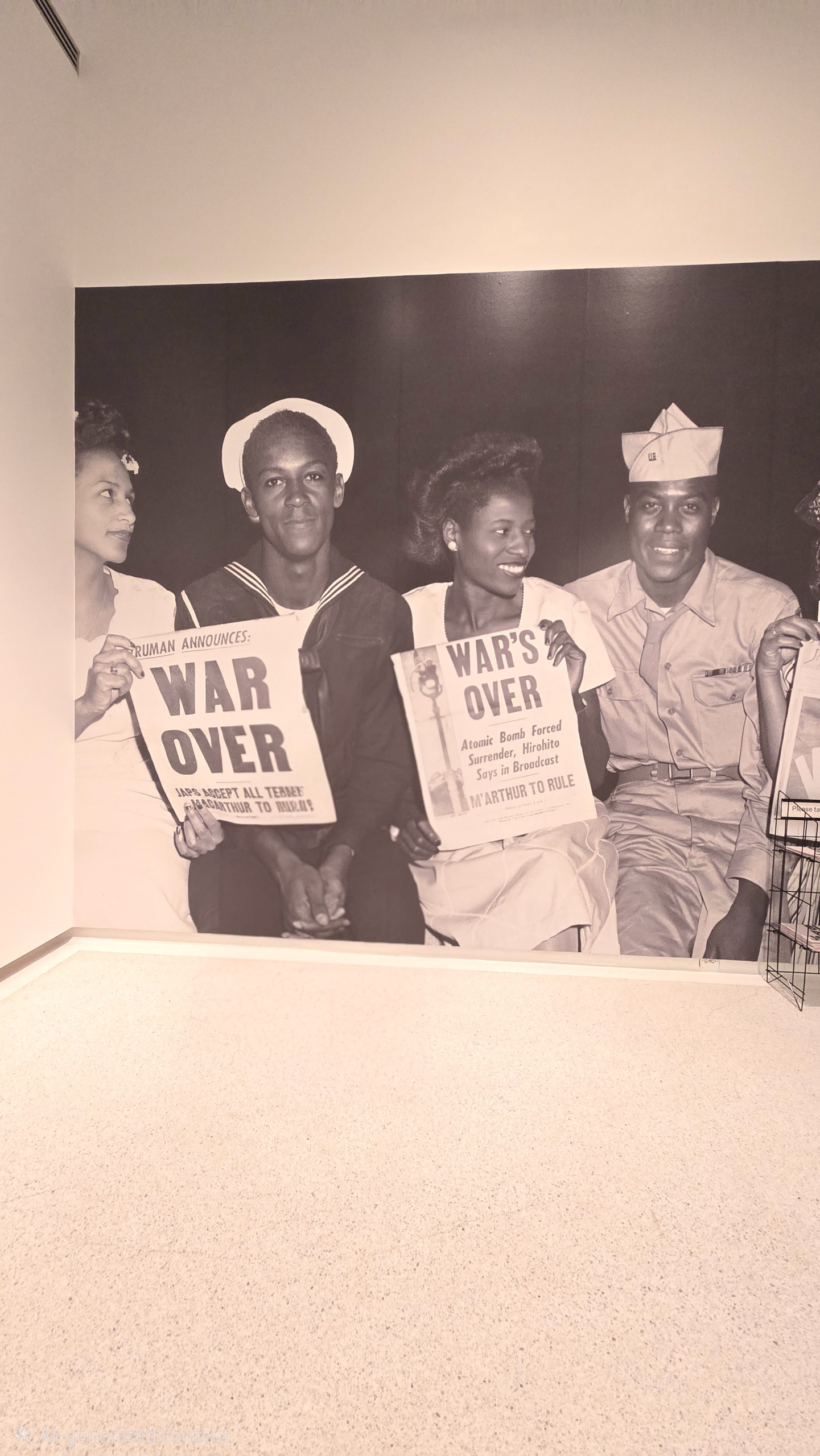
Strolling through the galleries, I was drawn to a wall-sized photo of soldiers and women celebrating World War II’s Victory Day. It struck me that even in a time when Black Americans were still considered second-class citizens, our people were proud of their contributions. I felt a connection to this memory, just one of the many throughout the exhibition that, despite recent attempts to eradicate our history, redefines how Black life is seen, understood, and remembered.
“I hope people receive the information as the truth and that it resonates in their minds and hearts and replaces any false or warped thinking that they may have had,” Foggie-Barnett exclaimed, solidifying my thoughts.
“We have to anchor ourselves and our history in what these photographers did, with proof of the many missed moments in the middle. That’s our legacy.”
Black Photojournalism is on display at the Carnegie Museum of Art through January 19, 2026.