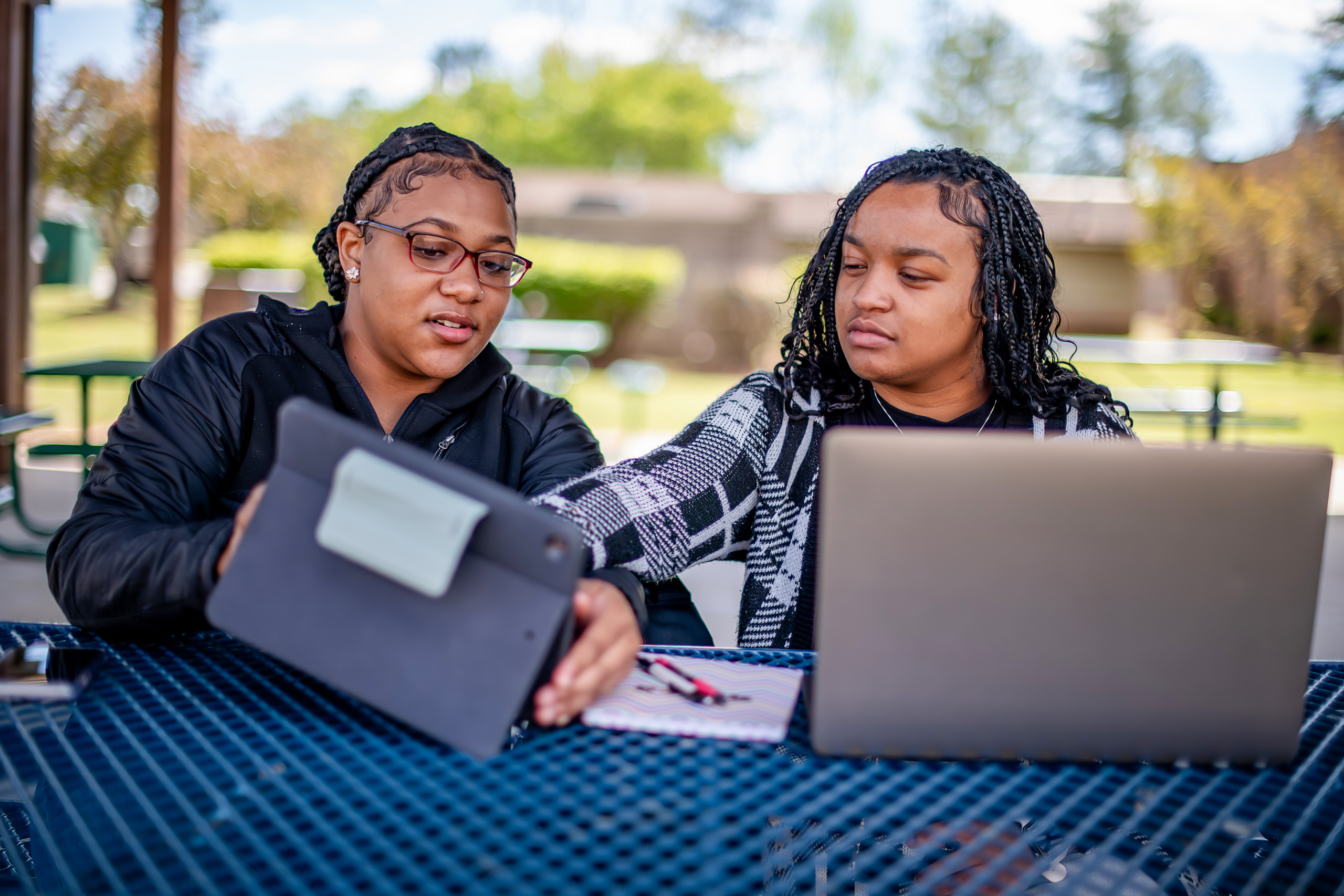
When someone, especially a young person, gains a mentor, the benefits are beyond surface level. Families grow stronger as kids become more engaged and hopeful for the future. In a recent report from Big Brothers Big Sisters of America, called A Future Built on Mentorship, 1 in 3 young people lack a mentor, with the largest gaps in low-income and rural communities, weakening long-term talent pipelines, according to researchers from Harvard University and the U.S. Department of the Treasury.
Numerous studies over the past decades have shown that quality mentoring relationships can transform individual lives, strengthen communities, and promote economic mobility. The Youth Relationships Study, published in 2025 after eight years of research, found that young people with mentors consistently perform better than their peers in areas such as resilience, social connection, and behavioral outcomes.
According to data, young people with mentors are projected to earn 15% more over their careers. Mentorship stands apart from other interventions in its flexibility and accessibility — it can be integrated into existing institutions, adapted to any community context, and implemented without specialized infrastructure. Mentorship can happen in schools, workplaces, faith communities, or neighborhood settings, and it requires little more than a caring adult willing to show up consistently.
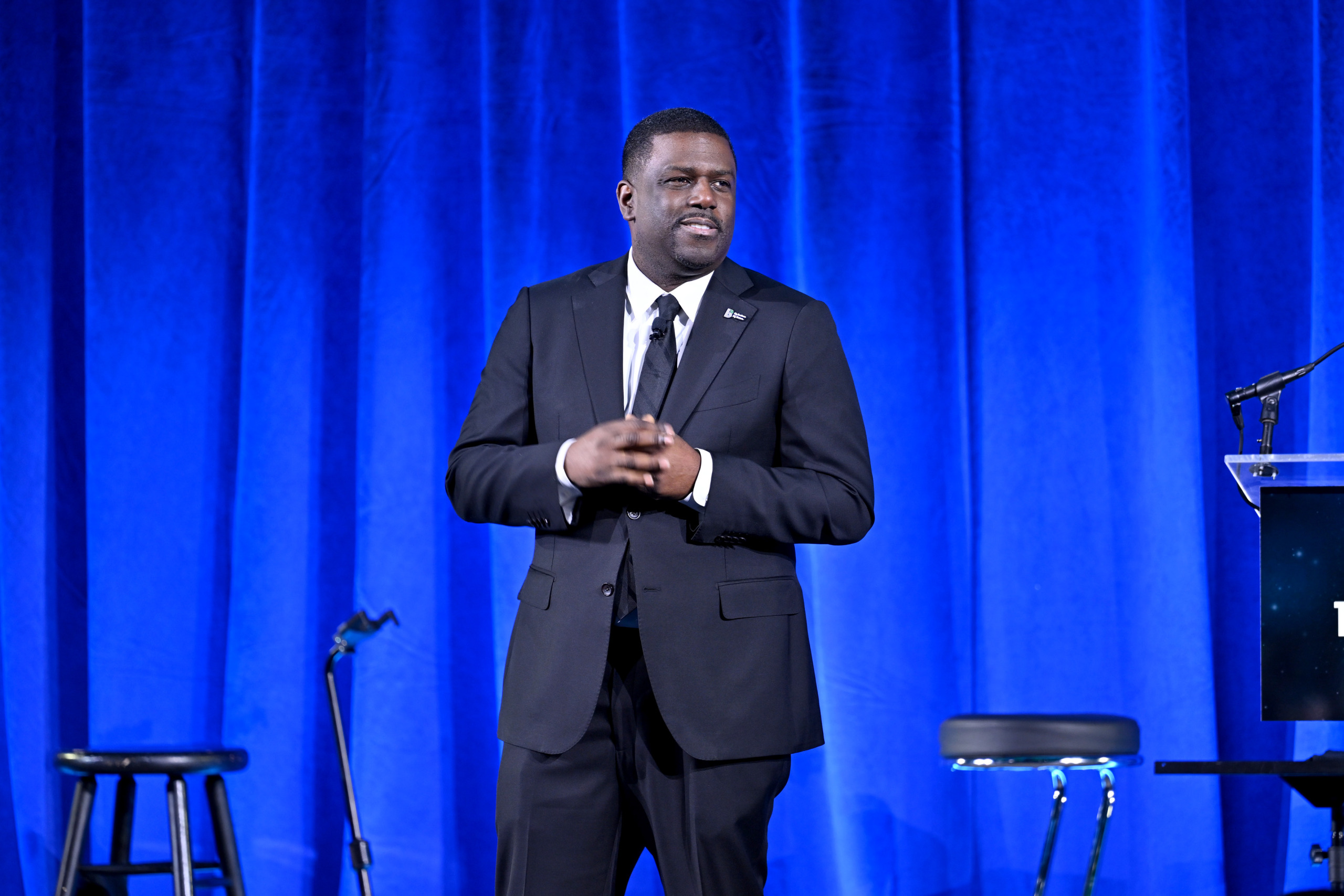
“When you see these two worlds coming together, what happens with adults is that they get a much broader sense of society,” CEO Artis Stevens told The Atlantic. “They become more understanding. They become more purposeful in their life.”
More recently, research following participants into their thirties shows that mentoring leads to lasting economic benefits, including increased college enrollment, higher lifetime earnings, and reduced socioeconomic disparities between mentored youth and their higher-income peers.
One in three young people in America grows up without a mentor. The natural mentorship that once developed organically in communities has been disrupted by technology, economic pressures, and social fragmentation. At a time when young people need guidance the most, millions lack access to a caring adult mentor. This gap in mentorship weakens the connections that hold communities together and limits our collective ability to tackle the challenges we face as a society.
Today’s young people are facing challenges they did not create. They grew up during a pandemic that deprived them of essential developmental experiences. They are living in a digital world that promises connection but often leads to feelings of isolation. The next generation is owed more than just sympathy; we owe them our support. This support requires recognizing that human development occurs through relationships, and mentorship must be seamlessly integrated into the fabric of society if we are to navigate the challenges ahead.