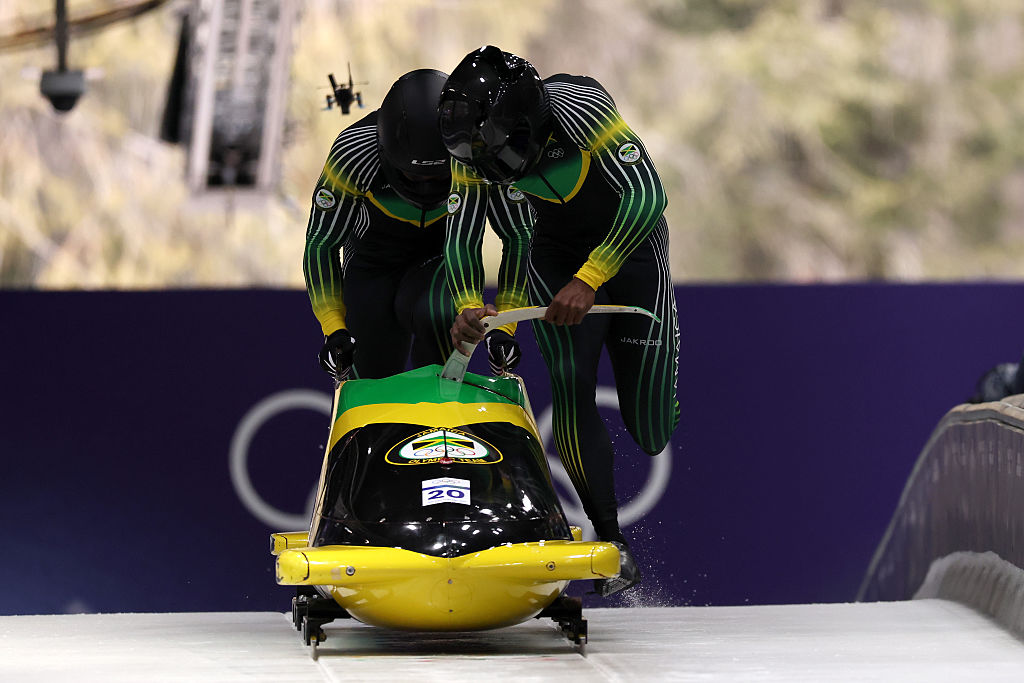
Nearly 40 years since the Jamaican bobsled team’s iconic debut at the 1988 Winter Olympic Games, a new era of diversity is emerging on the global stage. Trailblazers like Team USA’s Vonetta Flowers—the first Black gold medalist in 2002—and most-decorated American Winter Olympians Shani Davis and Elana Meyers Taylor paved the way for a more inclusive, modern movement.
Today, at Milano Cortina 2026, that legacy continues with record-breaking representation, including debuts from Benin and Guinea-Bissau and a tie-record of eight African nations competing. From Haiti’s viral Opening Ceremony style to athletes challenging the “traditional” image of who belongs on the ice and snow, the message is clear: we belong.
However, visibility is only half the battle. To reach the highest level of sport, many Black athletes must navigate a complex global infrastructure, often training thousands of miles away from the countries they represent. This movement is born of necessity, as athletes seek world-class facilities, an ideal climate, and specialized coaching that remain scarce at home.
Consider Nigeria’s Samuel Ikpefan, the nation’s first skiing Olympian. Born in France to a Nigerian father, Ikpefan hones his craft in Switzerland to ensure optimal preparation as a cross-country skier.
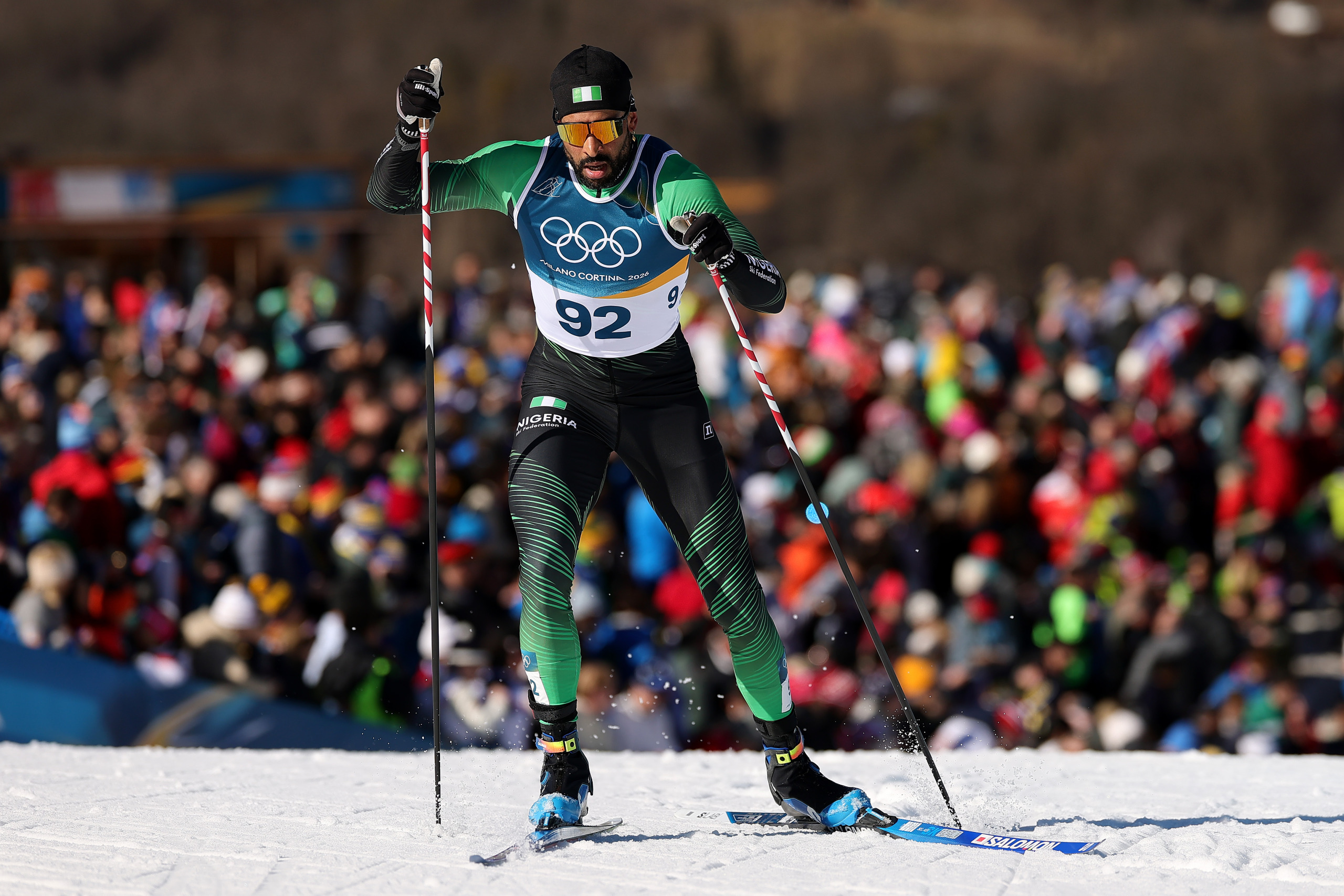
The disparity in resources is stark: Nigeria’s population is approximately 242 million—over 26 times that of Switzerland—yet Switzerland is a winter sports giant with 168 total historic Winter Olympic medals. For Ikpefan, Switzerland provides the high-altitude infrastructure and consistent winter environment required to advance Africa’s hunt for its first Winter Olympic medal.
Similarly, three-time Olympian Shannon-Ogbnai Abeda, Eritrea’s first Winter Olympian, found his footing in Calgary, Canada. Born in Canada to Eritrean parents, Abeda’s access to the “Great White North” was a game-changer. While Eritrea’s geography is better known for its Red Sea coastline than its ski slopes, Canada’s massive landscape—home to 225 total Winter Olympic medals—provided the necessary environment for his development as an alpine skier.
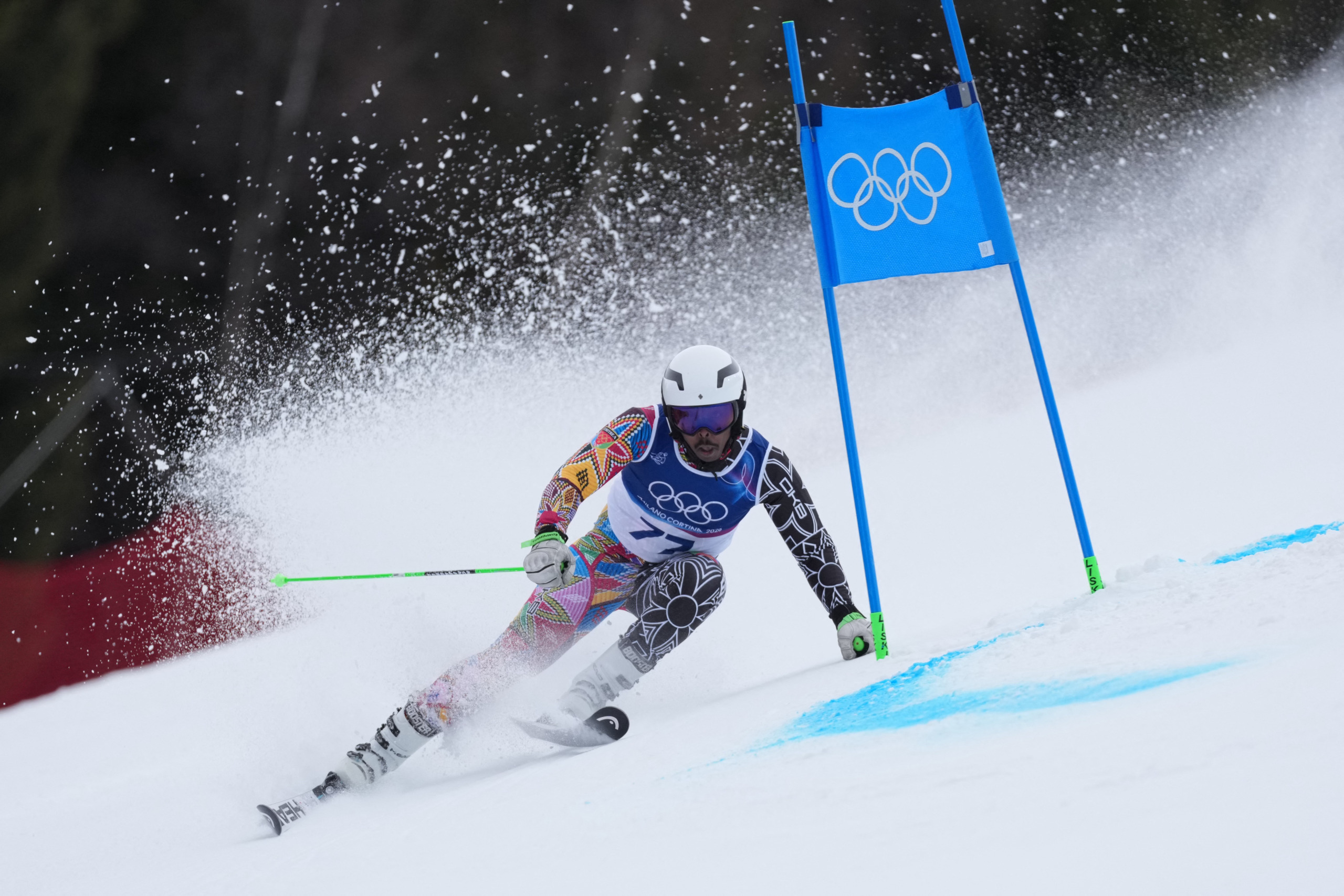
With Canada’s terrain as a backdrop, Abeda rose through the junior ranks and is now making history in his third consecutive Winter Games. He is proving that while the training may happen in the diaspora, his presence is a bridge to inspire future Eritreans to participate in Winter Sports and see a place for themselves on the world stage.
While some nations currently navigate representation in winter sports through athletes based in the diaspora, Jamaica is pioneering a different path with its “Back to the Well” program—an initiative designed to recruit and develop homegrown talent directly from the island. Since its iconic debut in 1988, Jamaica has qualified in bobsled for nearly every Winter Games, but recent years saw the program rely heavily on athletes from the diaspora like pilot Jazmine Fenlator-Victorian, who switched from Team USA to represent Jamaica in 2018 and 2022, and UK-based pilot Shanwayne Stephens, who represented the “land of wood and water” in 2022.
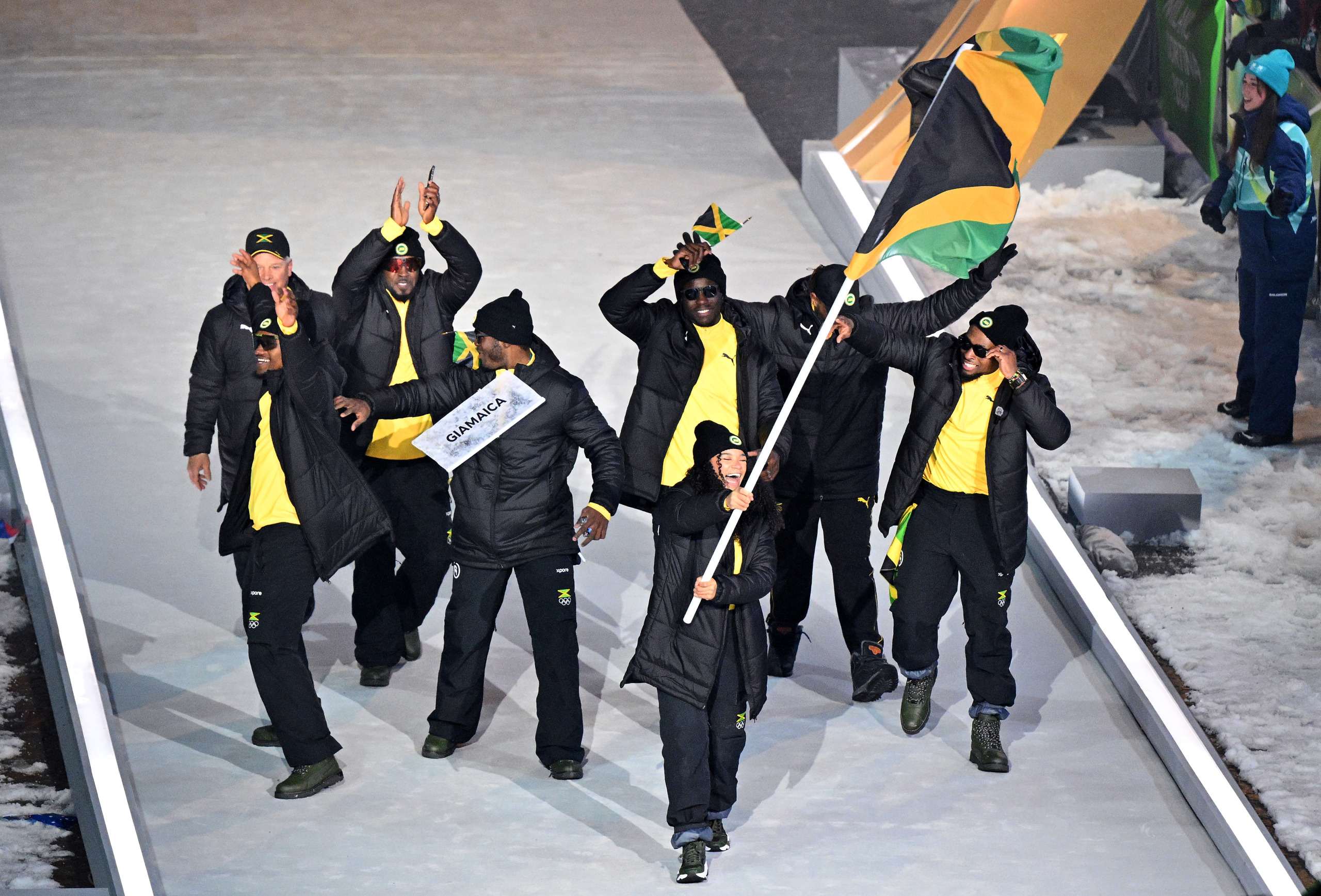
Following the 2022 Games, the Federation recalibrated with a bold mission: to secure an Olympic medal by 2034 through a homegrown future. The logic is simple: despite a population of less than 3 million, Jamaica consistently produces a world-class volume of elite sprinters.
“Back to the Well” aims to harness this local “speed factory,” a strategy that discovered Shane Pitter, a former track athlete and fisherman-turned-bobsled pilot from Spanish Town. Known for his “gifted hands” and instinctive driving prowess, Pitter has quickly become the most successful pilot in the program’s history. Supported by a mostly local crew—including a few standout athletes boasting sub-10-second 100m sprint times—Pitter led Jamaica to an unprecedented eight wins on the North American circuit this season, including a historic first international gold in Whistler, Canada.
While the official plan targets 2034, the team’s 22nd-place finish in the 2-man event at Milano Cortina 2026 was a vital proof of concept, establishing the baseline needed for homegrown athletes to challenge the world’s best.
While Team Jamaica’s focus has shifted toward the island’s interior, their presence at Milano Cortina 2026 is further bolstered by pilot Mica Moore, a Welsh-born athlete of Jamaican heritage. Moore, a former Team GB Olympian, recently secured her Jamaican citizenship through her grandfather—a member of the “Windrush” generation.
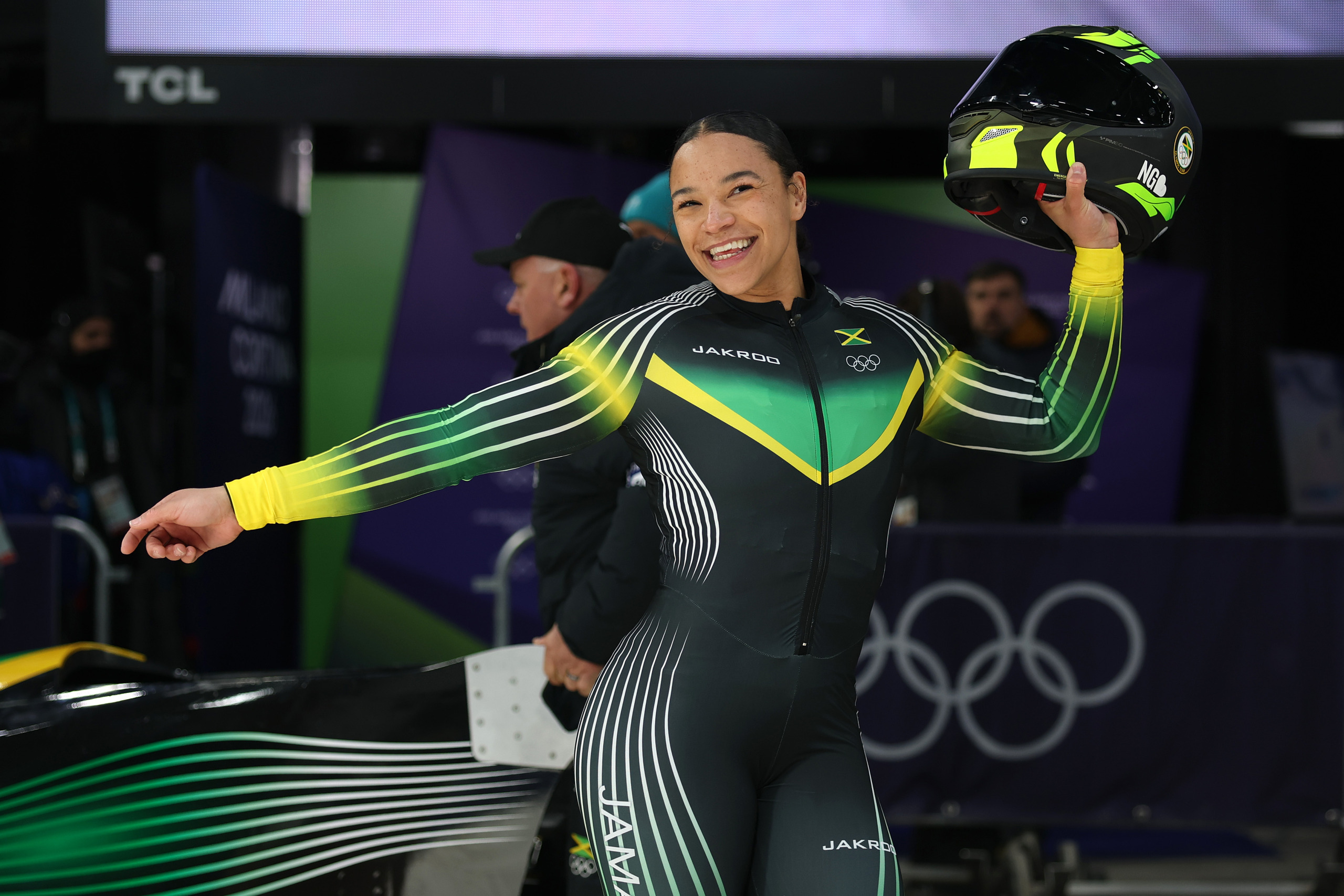
As a Junior World Champion who delivered Britain’s best-ever Olympic result in 2-woman bobsleigh, Moore brings a wealth of elite technical experience to the squad. Though administrators initially grappled with how to balance a “homegrown” focus with diaspora talent, they ultimately recognized that Moore’s birthright allows her to connect with her heritage in a way that serves the nation’s broader ambitions. Moore added immediate value, delivering a strong performance in the women’s monobob that saw her finish 14th overall at these Games—matching Jamaica’s all-time Olympic best in the sport.
Inspired by the record-breaking season of countryman Shane Pitter, she is leading the charge for the women’s program, validating the synergy between diaspora expertise and homegrown grit as Jamaica’s greatest competitive advantage.
By creating a space where the diaspora heart of athletes like Moore and homegrown heroes like Pitter can converge, Jamaica has created a blueprint for global Black excellence. This integrated infrastructure is the future; it has the potential to transform the Winter Games from an arena of occasional Black representation into a sustainable stage for consistent Black dominance.
As we celebrate the historic representation at Milano Cortina 2026, Jamaica stands as proof that when we combine our global resources with our local roots, the ice and snow no longer belong to the traditional powers—it belongs to us.