How do staff at the U.S. Embassy in Santo Domingo, Dominican Republic,deal with art they feel is too woke? They drape an American flag tarp over it, carry it out of the building, and post a video of the removal on Instagram set to Twisted Sister’s “We’re Not Gonna Take It.”
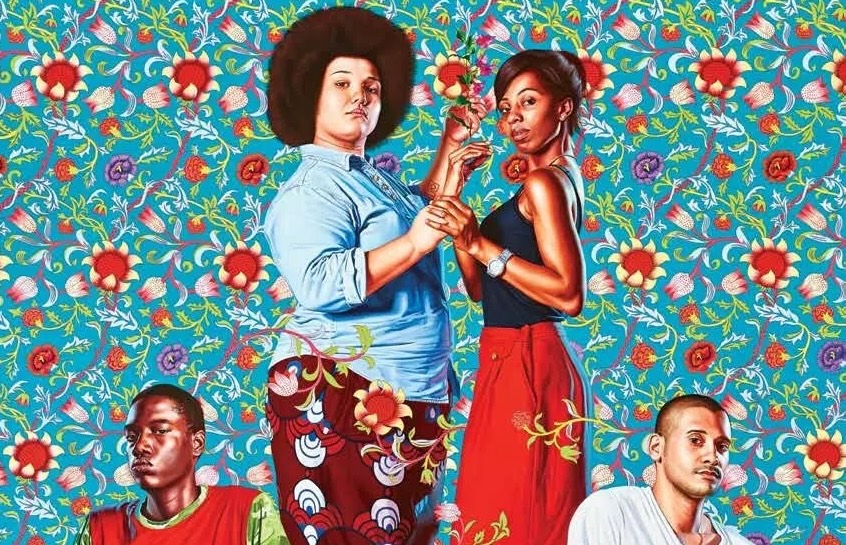
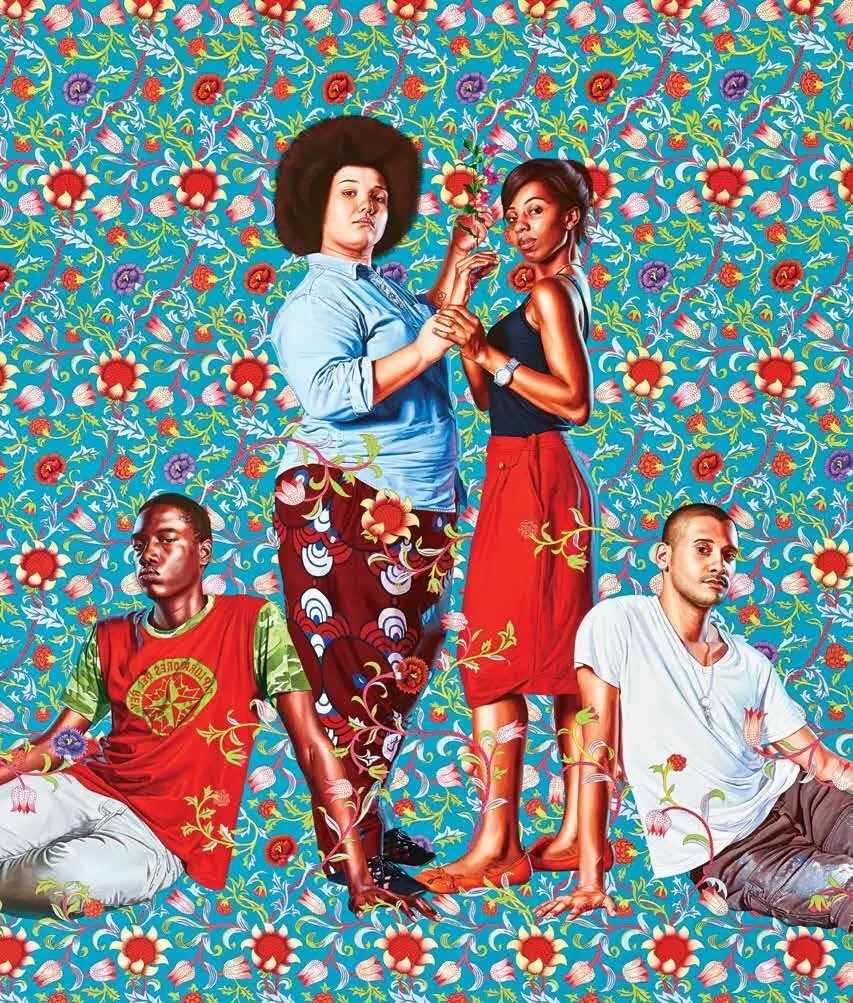
That’s what happened to the painting “Young Artists After Siamesas 1960,” a 2013 commission by artist Kehinde Wiley. A painting commissioned with taxpayer dollars, created specifically to represent American cultural diplomacy abroad, got treated like contraband. Now the government wants to profit from it, as it explores whether it can legally sell it, according to the New York Times.
Wiley is best known for painting Barack Obama official presidential potrait. Two years of Dominican art history was studied and collaborations with local art students was conducted to complete “Young Artists After Siamesas 1960.”
U.S. Ambassador Leah Campos announced the removal on Instagram, writing that the Trump administration was “turning away from globalist and woke ideologies and instead embracing American patriotism.” Erin Scavino, the head of the Art in Embassies program, called the painting “very woke” and “aesthetically terrifying” in a podcast interview with former Trump press secretary Sean Spicer.
When pressed for an official response, the State Department did not defend the removal on artistic or policy grounds. Instead, a spokesperson attacked Wiley personally — citing a 2023 comment he made about his painting “Judith and Holofernes” and a pending sexual assault case.
Wiley himself is a complicated figure. He has faced multiple allegations of sexual assault and misconduct, which he has denied, and thise allegations deserve scrutiny. But they are separate from the question raised by the government’s removal of a publicly commissioned artwork—and from officials’ repeated characterization of the painting itself as “woke.”
A spokesperson told TIME that “the work of an individual with such violent and racist words and depictions has no place in the America First State Department.” But no official has specified what made the painting of four Dominican models “woke.”
The work depicts four Dominican models against a lush floral backdrop, rooted in the traditions of Dominican painters Celeste Wossy Gil and Gilberto Hernández Ortega. By any definition of cultural diplomacy, it is exactly what the Art in Embassies program was designed to commission.
Virginia Shore, who commissioned the painting during her tenure as the Art in Embassies program’s chief curator, told the New York Times the work was nonpartisan and that no precedent existed for selling commissioned embassy art.
The removal fits into a broader shift in how the administration is approaching federally supported culture. Civil-rights materials have faced scrutiny at Smithsonian museums, while the selection process for the U.S. Pavilion at the Venice Biennale has emphasized “traditional imagery” and “American values.” Taken together, those decisions raise a larger question about which people, histories and aesthetics the federal government now considers representative of America. What is being built is a federal cultural landscape that has decided certain stories, specifically Black and Brown ones, do not belong in spaces that represent America to the world.
What This Means for Black Art
The United States government commissioned Wiley. Public funds paid for his work, hung it in an American embassy, and presented it to the world as a reflection of this country. Now that same government has draped a flag over it, called it terrifying, and is trying to figure out how to sell it.
The federal government can decides what art hangs on its wall. And yes, it is sending a message to artists that their work is welcome when it is convenient, and disposable when it is not. But what it cannot do is erase the reason the art existed in the first place. And this should not stop the generation of Black artists from creating work they believe in that represents the fabric of American culture, and should be seen.