Flooding our social media feeds and the court of public opinion, nostalgia of the 90s and Y2K nostalgia is remembered as the height of hip-hop’s cultural dominance and a turning point for Black culture in mainstream media. Its reach spanned industries across fashion, television, and publishing, demonstrating hip-hop’s influence and financial contributions in ways never before seen.
What has frequently been left out is a specific type of woman’s perspective — not the video vixen, supermodel, or rising reality TV character, but the businesswoman: the one navigating influence, power moves, and consequence from inside the room.
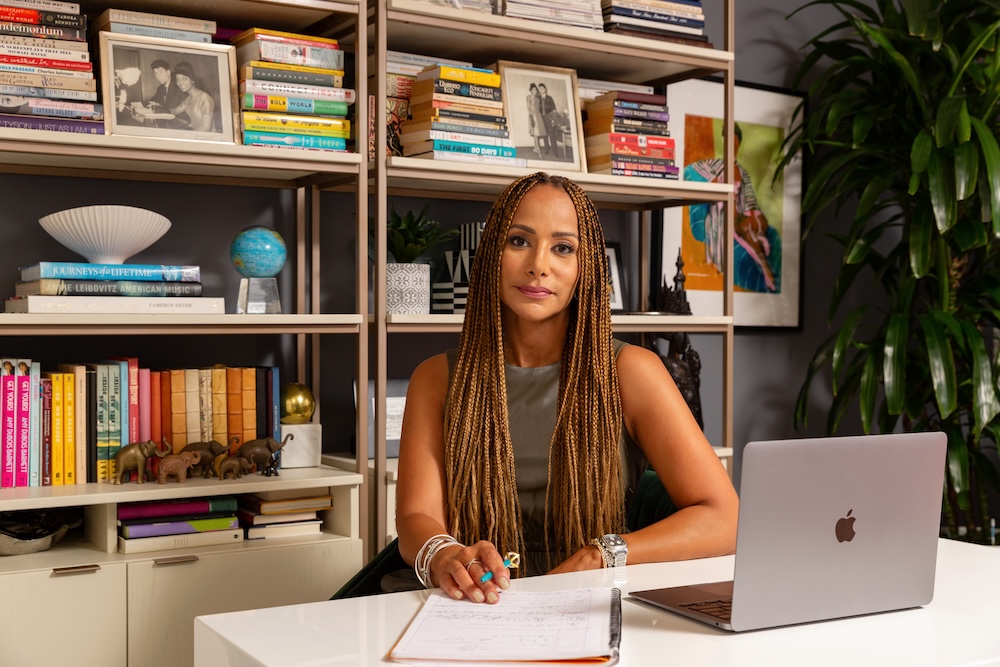
In If I Ruled the World, Amy DuBois Barnett offers a unique vantage point. The former editor-in-chief of EBONY, along with Teen People and Honey magazines, and a stint as deputy editor at Harper’s Bazaar, DuBois draws on her lived experience of the late nineties, built into a fictional world that reflects the cost of ambition, the politics of media power, and the personal trade-offs Black women dealt with to achieve success.
“The themes explored in the book feel more urgent than ever. In part, it looks back at one of the most important cultural eras in our history, pulling back the curtain on the time when hip-hop was at its zenith of influence,” Barnett shared with EBONY. “Hip-hop and music shaped culture, and the money surrounding it was felt throughout New York City, this country, and the world.”
With the novel now released, and a development deal for a Hulu adaptation penned by Lee Daniels, Barnett reflects on the popularity of Black culture and why this story needed to be told now.
EBONY: Congratulations on the book’s release and the Hulu pickup. When you got the news, how did you react, and what excites you most about seeing it adapted for the screen?
It was a mixture of excitement and pride, and it felt surreal. The truth is, I’ve always seen this book on screen. Even when I was writing it, I could envision the scenes playing out like a movie. I always knew it was meant to be visual. I envisioned it as a TV series rather than a film because there are at least two seasons in the book and many more stories in my head from that era.
To be named the first Black woman to run a major mainstream magazine is no small feat. What highs and lows from that experience found their way into the book?
Whenever you’re a first in any industry, you expect microaggressions and a lack of understanding. I did it because I wanted my legacy to be about bringing other Black women with me or kicking down doors so they could come in behind me. I knew I would have to outperform everyone else. There were incidents that stayed with me, including certain moments from my time as deputy editor in chief of Harper’s Bazaar. The insight represented what it took to persevere in those environments. So I adapted a few experiences into the book, which is largely fictional.
Black women are often shamed for ambition. How did you navigate that personally and give voice to it through your characters?
I’ve never subscribed to the idea that I had to dim my light. That would never have worked for me, and I don’t think I would have been as successful. For Nikki Rose, the protagonist, the journey is about figuring out who she’s willing to become and what she’s willing to sacrifice. She’s messy. She makes mistakes. But it’s only when she leans fully into who she is that things begin to come together in her life.
What did your creative process look like while writing If I Ruled the World?
I started the book when I was editor-in-chief of Teen People, writing in extremely limited spare time. I put it down for about 15 years, then returned to it with more insight. The story became clearer when I layered in themes about the cost of ambition for Black women, misogyny, racism in publishing, and sexual harassment. Sometimes writing was inspiration, sometimes it was discipline—sitting down and doing the work.
Why is the storytelling in this book important now, especially considering today’s media landscape?
The rampant misogyny of that era felt important to explore now, particularly as women—especially Black women—are under attack. I wanted to examine how ambition operates in an environment where you’re not encouraged to succeed and how women find empowerment and voice while navigating that reality.
How do you hope younger Black women will use this book as fuel to propel their careers?
Nikki is relatable. She makes mistakes that aren’t terminal. By the end of the book, she’s empowered because she leans into her own personal power. I hope readers feel inspired to go their own way and understand that mistakes can become insight.
With all the excitement surrounding the book and your Instagram/Facebook series “Magazine Mondays,” can readers expect more from this world?
I have a two-book deal, though the second book isn’t a sequel. That said, I have many more stories in my head. The TV adaptation opens the door for more seasons and a deeper exploration of these characters. I look forward to the possibilities; the sky’s the limit.
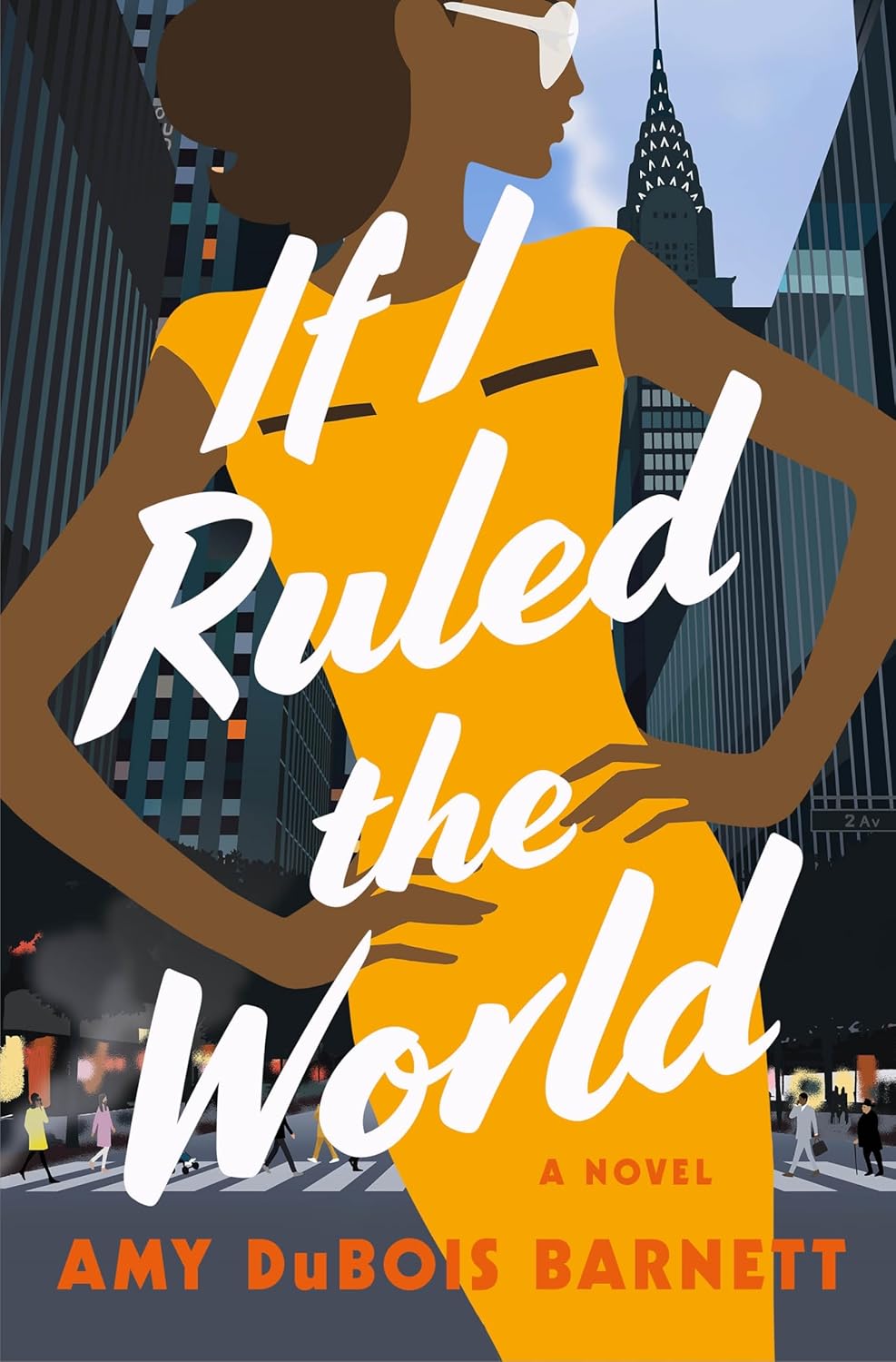
If I Ruled the World is now available wherever books are sold online or at your local independent bookstore.