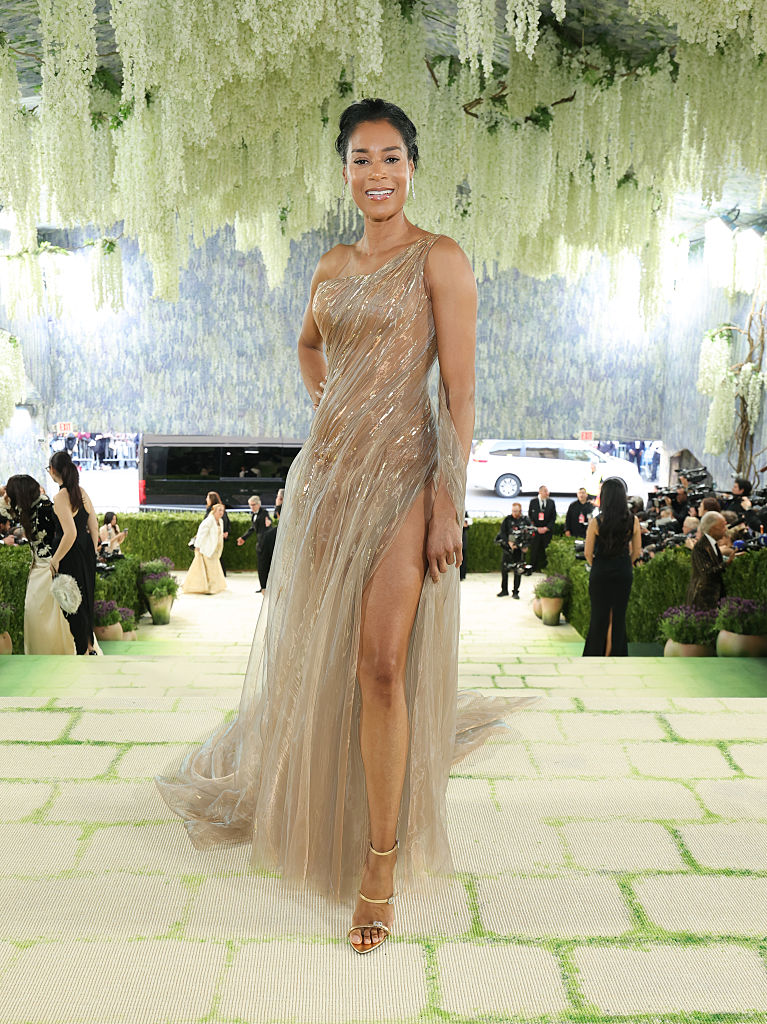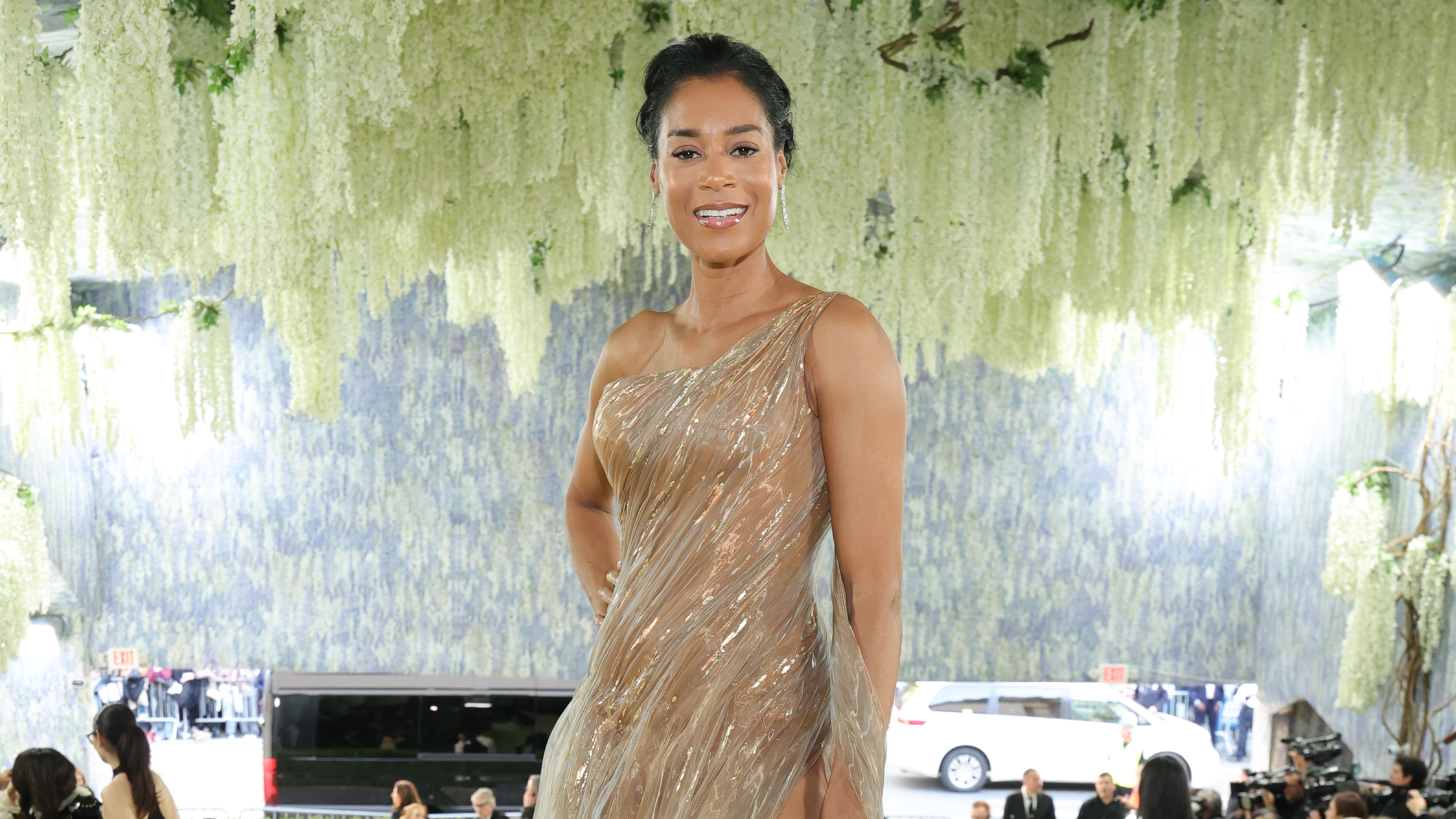
The Met Gala has always loved a reveal. A dramatic entrance. A look that tells you exactly who someone is before they even reach the top of the stairs. This year, designer Aisha McShaw skipped the middleman entirely by wearing herself. Not just emotionally. Literally. The designer arrived at the 2026 Met Gala in a custom look of her own creation, turning the carpet into something far more personal than celebrity styling roulette or a brand placement exercise disguised as fashion commentary.
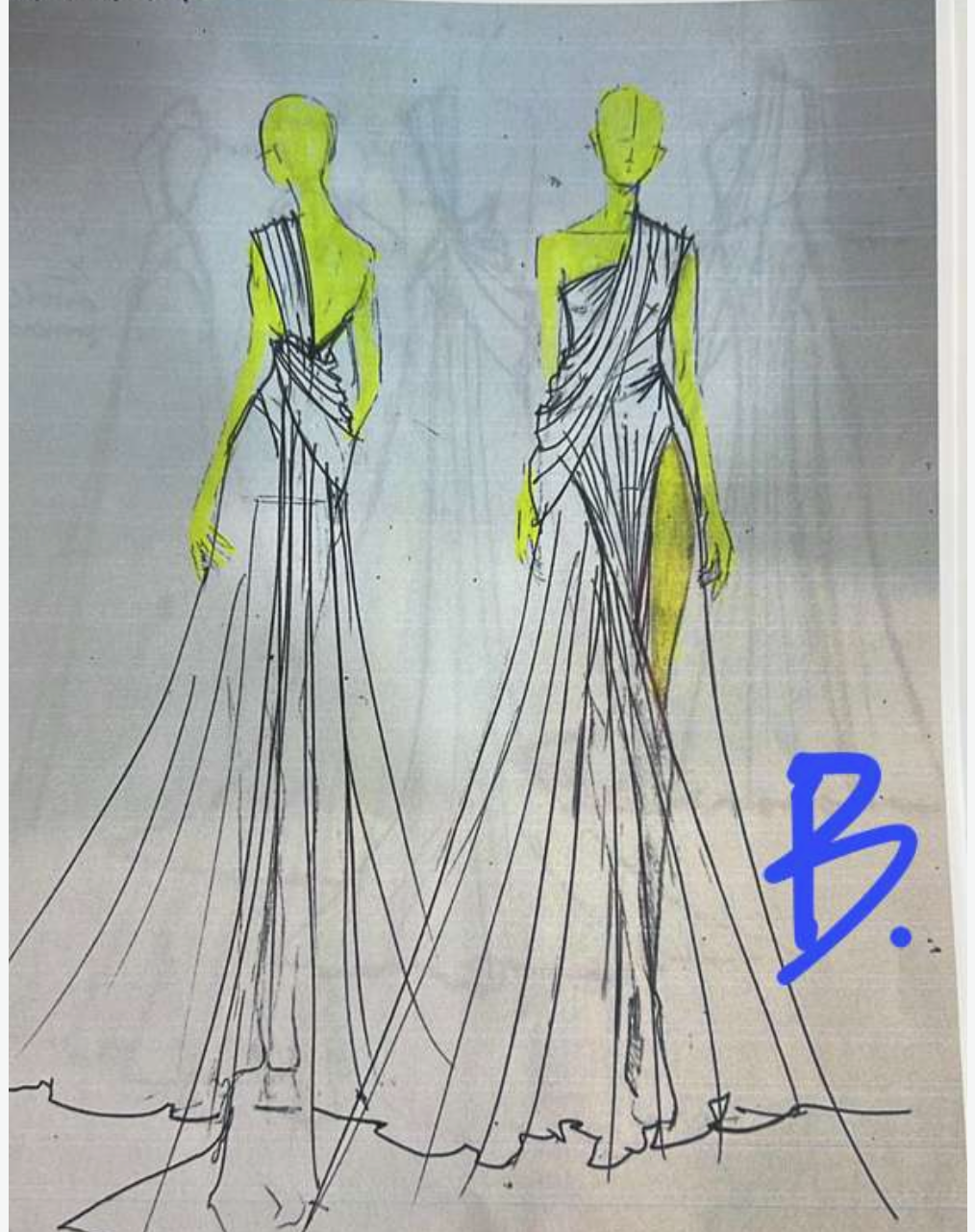
McShaw floated onto the carpet in a shimmering champagne-toned gown that looked almost liquid under the museum lights. The one-shoulder silhouette hugged the body with deliberate precision before cascading into a sheer, flowing train that moved like smoke behind her. Metallic embellishments were woven throughout the fabric in soft diagonal streaks, creating the illusion of movement even while standing still. A dramatic thigh-high slit added just enough sharpness to balance the softness of the draping while the barely-there gold sandals and understated jewelry kept the focus exactly where it belonged: on the craftsmanship. Against the Met’s lush floral backdrop, the look felt ethereal without drifting into cliché bridal territory. It was glamour stripped of excess, which is often much harder to execute.
That restraint has always been part of McShaw’s design language. Her work lives in the sweet spot between discipline and sensuality, sculptural but never stiff. There’s an understanding of proportion that feels deeply intentional, especially in the way she designs for movement and presence rather than pure spectacle. On a carpet centered around the idea of fashion as art, her appearance felt less like participation and more like confirmation.
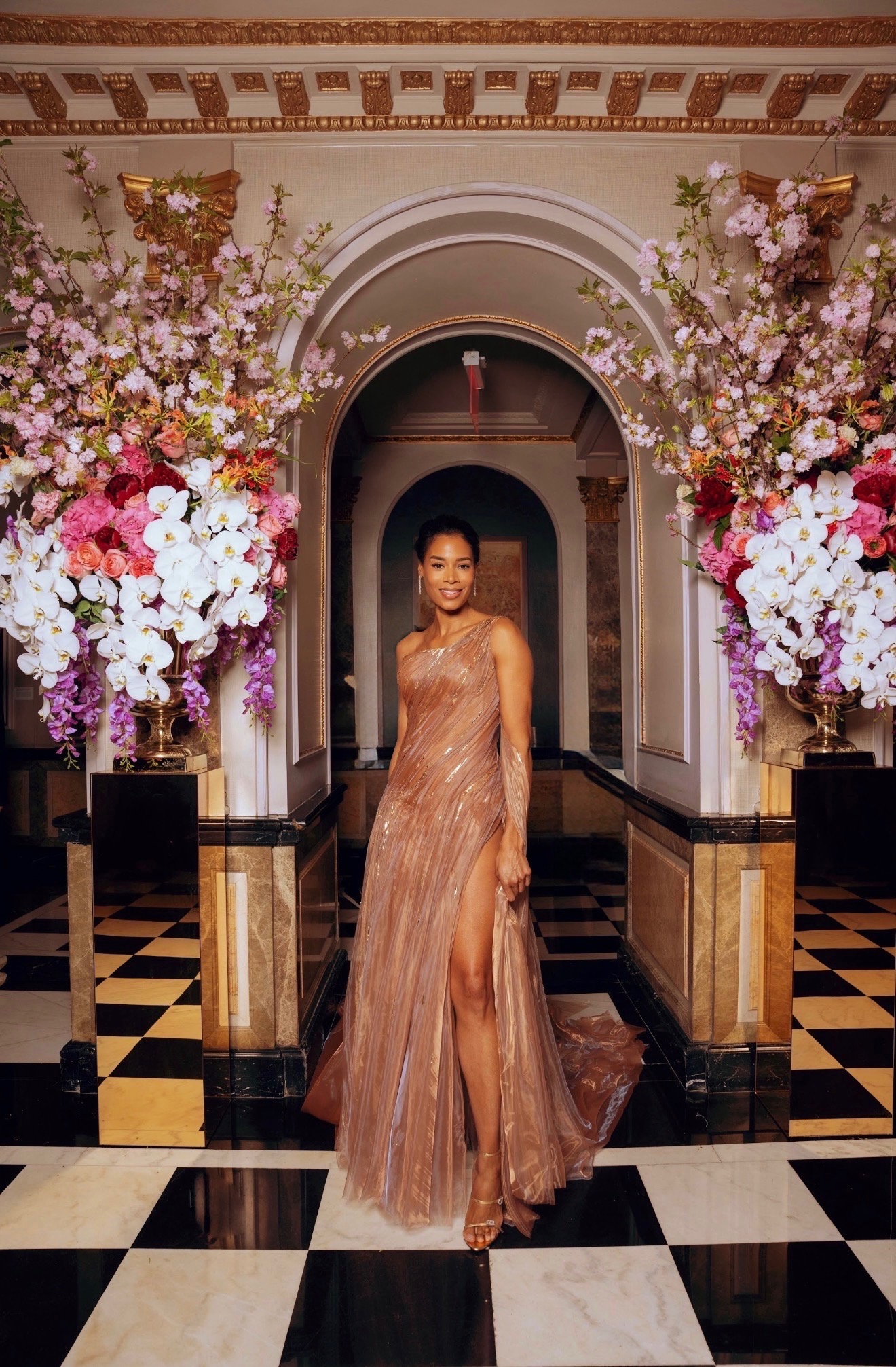
What makes McShaw’s Met Gala moment particularly compelling is how naturally it fits into the larger arc of her career. Before fully stepping into design, she built her reputation as a stylist, someone who understood how clothes communicate long before she started constructing the conversation herself. Over time, the transition became seamless. She began dressing clients in her own pieces. Then herself. Eventually the line between muse and maker disappeared altogether.
That evolution matters because fashion history rarely gives Black women the space to occupy every role at once: stylist, designer, creative director, subject, auteur. McShaw walked into the Met Gala embodying all of them simultaneously. And in a year where many attendees treated the carpet like performance art, hers felt rooted in something much harder to fake: clarity. The kind that comes from knowing exactly who you are and having the skill set to design around it.