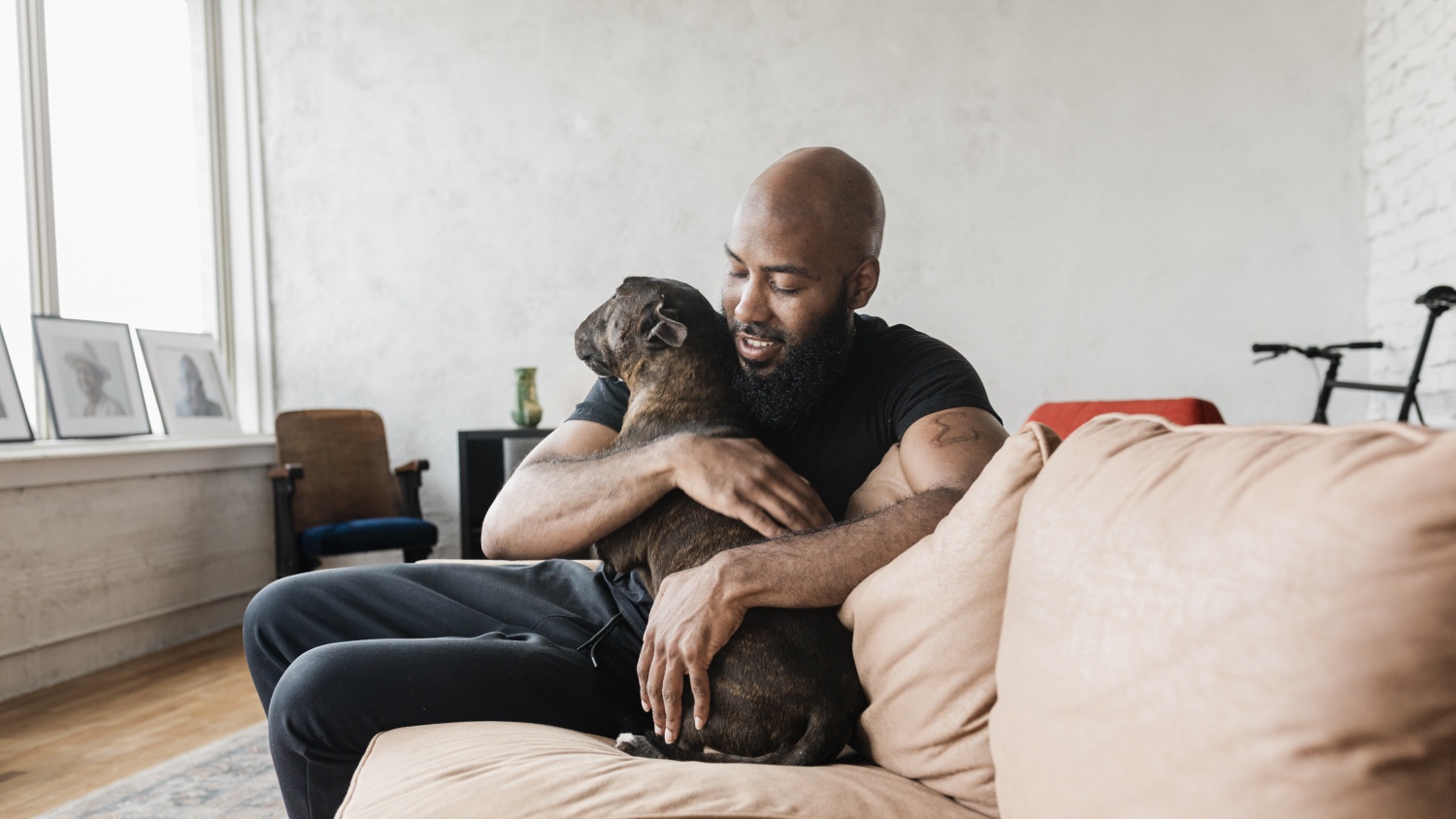
In the process of adopting a new pet, the easiest part is the decision itself. The thought of having a new companion and built-in bestie is exciting. By now, you’ve probably already started searching shelters, looking for the perfect furry friend. And not to burst your bubble or anything, but there’s a lot more to consider before taking the full plunge into the life of a pet parent. Thinking that the initial decision to move forward with adopting as the single most important choice is a common misconception. While finally getting a pet is rewarding, we want to offer a little advice to help keep your spirits high during the adjustment — especially if you haven’t had one before.
When I got my first pet, Apollo, during the COVID era, it was a dream. He was six weeks old, which is early, but due to his mother being overbred, she stopped feeding the litter. Bringing a puppy home that early was already tricky but the care and responsibility that followed proved to be more difficult than I initially thought. At one point, Apollo was so behaviorally challenged I started binge watching It’s Me or the Dog to ground myself. Five years later, I’m happy to report that we’re in a much better space.
The fatigue of decision-making and responsibility can be a real damper on excitement. To circumvent that experience, here’s a few considerations and plans to account for in advance.
Breed knowledge is encouraged
It’s common to generalize animals, but different breeds have varying requirements. While some animals are somewhat low maintenance, others may require specific diets and medical attention. It’s important to have a working knowledge of the pet you adopt to make an informed decision about what you have the capacity for.
The commitment requires time
If you’re always pressed for time, having a pet will require you to get creative. The basic needs of any pet is food and shelter but that’s just the tip of the iceberg. Ensuring you have time scheduled in your day to fully care for your pet is non-negotiable. Aside from potty breaks, quality time is essential.
Put it in the budget
From pet rent to monthly health insurance, what worked in the past won’t always work in the present. Being a full-time pet parent is a financial investment. Analyze your current budget and make sure you have room for monthly maintenance and unexpected costs.
Adjustment periods are real
Adopting a pet can be risky. Ask the shelter questions about the animal’s previous experiences. Be ready to apply grace and patience while your pet gets accustomed to you and their new home. Make an effort to get to know your pet’s likes and dislikes to support a smooth transition.
Age and energy levels
When visiting the shelter, take note of each pet’s personality. Are they skittish or trusting? Is the energy nonstop or are they on the calmer end of the spectrum? Their personality matters because it needs to mesh well with what you’re seeking.
Training is necessary
To be on the safe side, it’s best to be prepared to train your pet. Whether you’re aiming to do it in-home or seek outside help, basic manners help for a well-behaved pet. Pets aren’t born with the knowledge of decorum it has to be taught, just like with real children.
Living environments
Personally, I wouldn’t house a Cane Corse in a studio apartment. When picking out the pet right for you, be realistic about what you can house. Just like us, our pets need and want a space to call their own.
Activity
Supplying a pet’s basic needs is a good start, but it isn’t everything. Pets experience boredom and fatigue the same as any human so making time for playing, exploration, and experiences will ensure they live a colorful life and remain happy.
Fitting in with the family
If the pet will be an addition to the family, having a good rapport with everyone makes for a better experience. Everyone living in the household with the pet should be introduced during initial visits and should build their own relationship with the pet.
Medical history
Most pets in shelters have had several lives prior to joining your family. Although they are likely to receive basic medical attention, getting a second opinion from your veterinarian of choice will help. It ensures no surprises come up later and may aid in learning how to properly care for them.