Films on Black history have been extensive, but I often find myself fatigued by many of them. The films in the hands of some directors left me feeling angry or bitter about the past, or left me questioning, “But what happened before they were a historical figure?”
When it comes to Black history, films about us are better when they are made by us. It can be traced back to Within Our Gates, the 1920 film by director Oscar Micheaux that depicted the racial violence, segregation, and lynching our people experienced, reflecting the real-time climate of racial terror in the Jim Crow South. It was the start of capturing our unique yet non-monolithic experience, making it unapologetically clear: When a Black director helms a film about our past, they authentically capture the emotional experience of being Black in America. And, as we celebrate Black History Month, it’s a great time to recognize those who have successfully cinemized our past, without compromising our soul.
This list, which recognizes 11 Black directors, doesn’t just give their films props; it also highlights how these talented artists drew on historical figures and added depth and sentiment to their stories, taking them beyond the textbooks. They didn’t just revisit Black history — they reclaimed it on their own terms.
Ava DuVernay – Selma
DuVernay effortlessly tells the story of prominent civil rights leader Martin Luther King Jr. in the critically acclaimed film. Her thoughtful and poised presentation highlighted key moments of the movement, focusing the film not only as a biopic but as a moving part of the uneven chessboard of the civil rights movement. Selma tugs at the heartstrings and evokes the fear, anger, and emotional trauma experienced during the marches. Even as she captured this tumultuous yet significant time in Black history, her focus on “the spirit of the movement,” as she told PBS in 2015, left audiences leaving the theatres with something more: power, trust, and, most importantly, connection.
Kasi Lemmons – Harriet
Harriet as an action hero? That’s the feeling I get when I watch the 2019 film starring two-time Oscar nominee Cynthia Erivo. Lemmons tells the tale of one of history’s first iconic Black superwomen. The power of this 5′ nothing shero comes across as confident, composed, and kicking ass as she freed hundreds from enslavement, with little more than a gun and gumption.
Lee Daniels– The Butler
Exploring the role of the famed Eugene Allen in The Butler, Daniels effortlessly captured the complex feelings and narratives that correlate to being Black while existing in white spaces. While the film was largely fictionalized, it highlighted the authentic, convoluted intimacy of being Black in the 1950s, delving into tropes of heartbreak, identity struggles, and the bittersweet taste of victory.
Daniels navigates the web of the Civil Rights movement from an “inside view,” and I left the theater with an immense sense of pride in my history and our present.
Spike Lee– Malcolm X
I’m a bit biased when I see “a Spike Lee joint” flash across the screen; I already know to expect something riveting, powerful, and riddled with strong emotional execution. It’s a combination that defines Malcolm X to the tee. The film simplified the mosaic Black experience of pursuing liberty and equality, as well as the harsh reality of challenging “proper” behaviors. I often find myself code-switching in everyday life, but watching this, we all understood that Malcolm’s unapologetically Black rhetoric offers a refreshing sense of freedom.
Chinonye Chukwu – Till
Emmett Till’s story is still very triggering for me. I’ve had and still have a difficult time reading or watching documentaries about him, as the stories focus on how this young Black boy was robbed of his life with little to no consequence. Watching Till, for the first time, my tears spilled over with joy. The film captured a glimpse of Till as a young Black boy, filled with joy, spirit, and laughter, with a sparkle in his eye as he had his whole life ahead of him.
Chukwu did a phenomenal job of offering glimpses into the joy that Black boys should be able to experience and the determination of his mother, Mamie Till-Mobley, to let the world know of her son’s right to exist.
Steve McQueen– 12 Years A Slave
There are films about enslavement, and then there is 12 Years a Slave. McQueen didn’t sanitize the brutality that befell Solomon Northup, a free man kidnapped and sold into slavery. And that’s why it lingers. And somehow, with all the degradation and devastation, there’s dignity. Watching it, I didn’t feel manipulated; I was confronted by the truth.
Julia Dash – The Rosa Parks Story
Rosa Parks was more than a tired seamstress who sat down on that Montgomery bus that fateful day in 1955. In this film, Dash gives us more than that textbook moment. We get the woman. The organizer. The strategist. A Freedom fighter who wa well equipped for the fight. And that makes Ms. Park someone I’d want to sit next to.
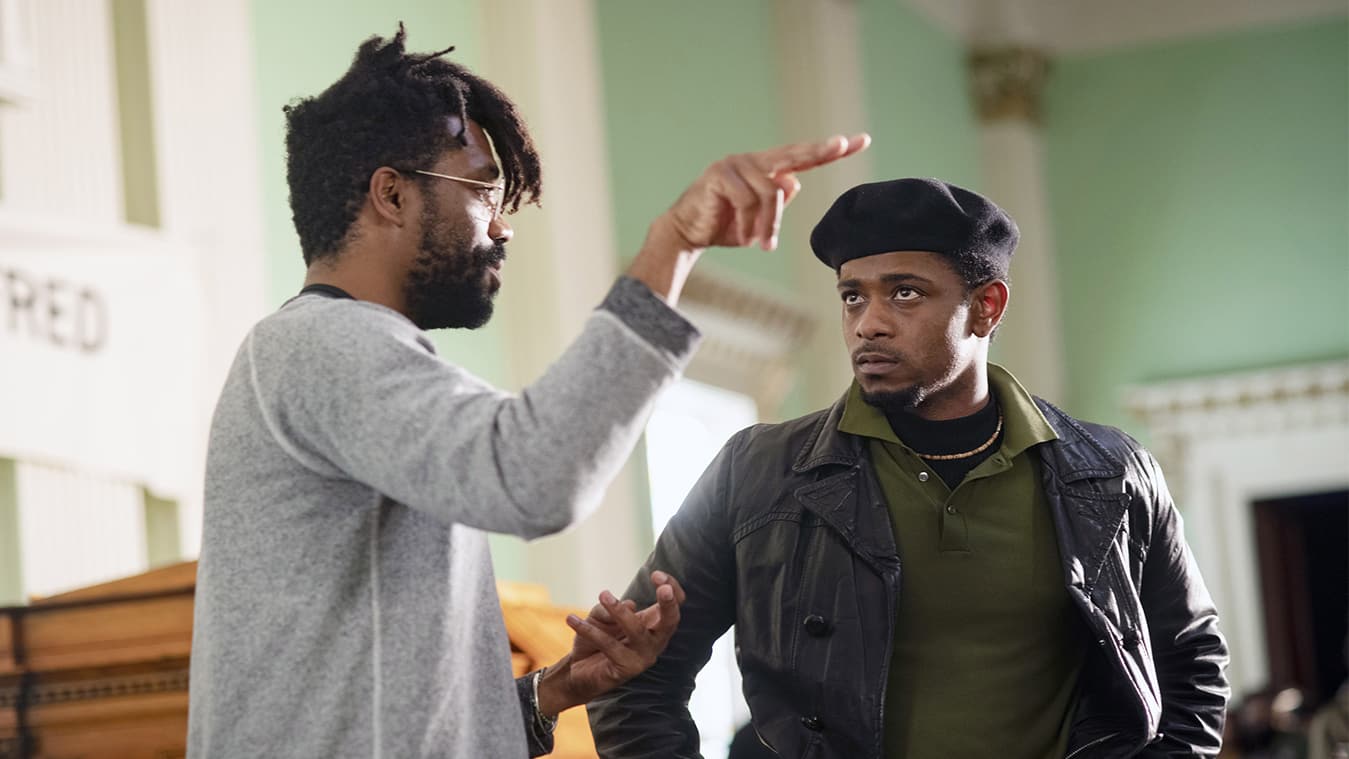
Shaka King – Judas and the Black Messiah
In this film, King doesn’t present Fred Hampton, a.k.a. , as a distant revolutionary. He’s shows him as young, magnetic and full of life. Which makes his loss of life when he was just 21 years old more compelling. We also see inside the Black Panther Party, and learn that movements are powered by the people behind them.
Gina Prince-Bythewood – The Woman King
If Viola Davis’ stacked bod in this film doesn’t make you run to the gym, you’re watching this movie wrong. Seeing her strength, her power and fierceness as a leader in the real-life elite regiment of warriors who protected the West African Kingdom of Dahomey for centuries. Watching definitely made me tap my inner Amazon.
Reginald Hudlin – Marshall
This movie gives us two moments in history to remember. It offers a look into the life of Thurgood Marshall, the first Black Supreme Court Justice, from his years as a relentless young attorney to his rise to the country’s highest bench. It also gives us a chance to see the late, great Chadwick Boseman embody the role and be reminded of how much impact he made in his short, talented life.
George C. Wolfe – Ma Rainey’s Black Bottom
It took the brilliant mind of Wolfe, who’s known for his stage productions, to set this tale of Ma Rainey in a single recording session. It feels like we’re eavesdropping on a moment in history. It’s a take on power and how black creativity has always shaped culture.