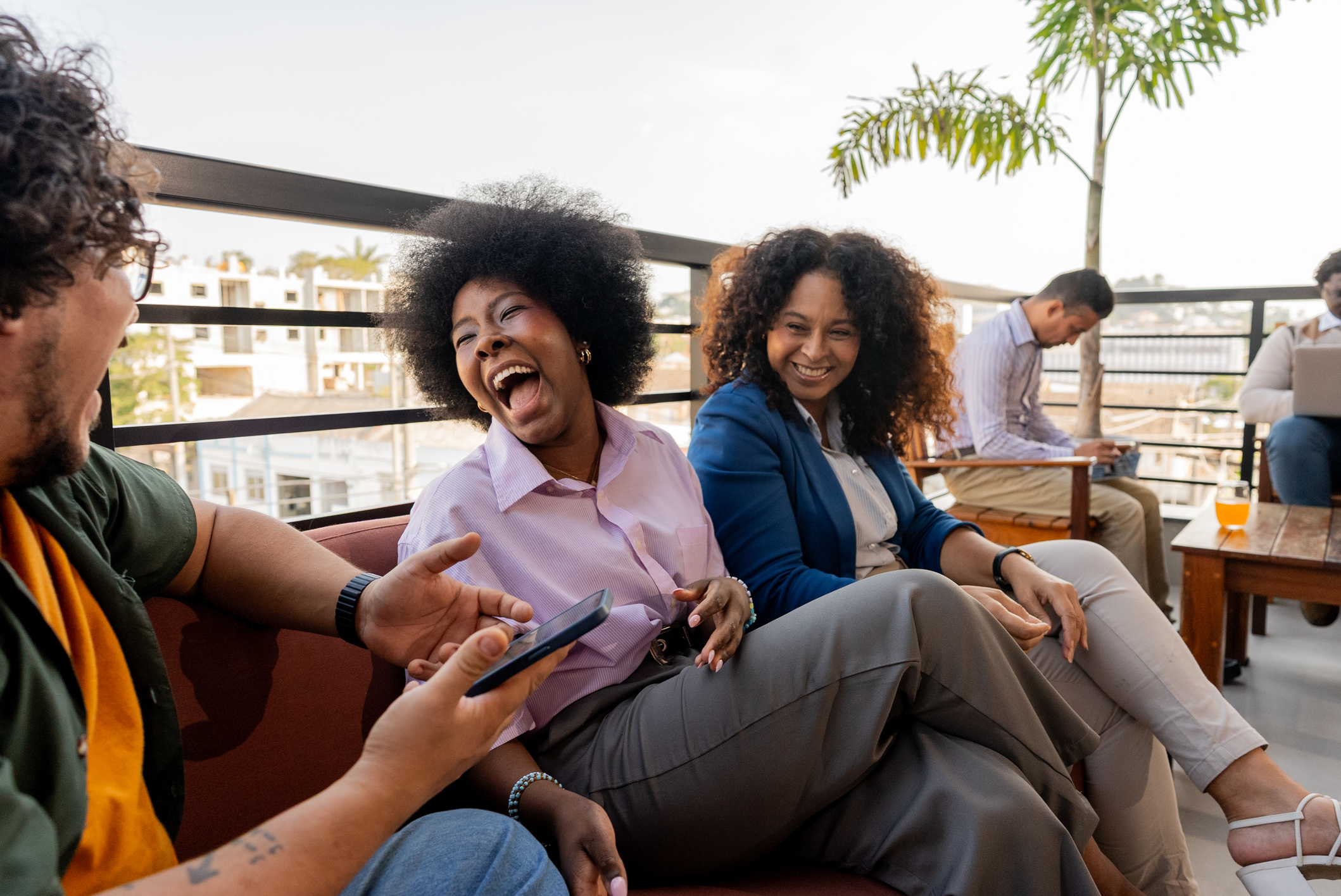
Over the past few years, I’ve made a point of creating a strong community. I’ve planned girls’ nights, joined group fitness classes, and shown up to events and outings I was invited to. I also organized family hangouts, served at my local church, stayed in touch with long-distance friends, and joined a social club. This may seem like a lot to some, but for me, these intentional moments of community building weren’t just to fill my calendar. In fact, it was about creating a meaningful life that felt full and connected.
Low-maintenance friendships may be all the rage right now, and I can admit I was once part of the group that required the bare minimum in friendships. Now I’m the complete opposite because requiring and doing more not only improved my social life, but also dramatically boosted my well-being. This was especially needed during pivotal moments in my life.
Why It’s Important
According to the Mayo Clinic, adults with strong social connections have a lower risk of many health problems, including depression, high blood pressure, and unhealthy weight. In fact, studies have found that older adults with close friends and strong social support are likely to live longer than peers with fewer friends.
It should come as no surprise that humans thrive on connection, especially now more than ever. Reports have shown that about one in three adults in the US experience feelings of loneliness, while one in four adults report that they have no social and emotional support. As a result, issues like depression, anxiety, suicidal ideation, heart disease, diabetes, and dementia start to creep in. Still, this hasn’t stopped us from calling an Uber instead of calling a friend, or commenting “happy birthday” under a post instead of saying it at a celebration.
Periods of isolation, along with the many woes of the digital era, have created a society that craves community and face-to-face interaction, but has no idea how to get it. In an article on NPR, psychologist and friendship expert Dr. Marisa Franco says, “I think the trickiness of social media is it gives us these snacks of connection…and it’s like we’ve been subsisting on snacks of connection from social media rather than having the sort of nutrient-dense meal of in-person connection.”
Like most good meals, it comes at a cost. The price of lasting friendships and real community is inconvenience. But what you get in return is a sense of belonging, purpose, support, and ultimately a fuller life.
What You Can Do
One of the main reasons the culture was invested in shows like “Girlfriends” and “Living Single” is because it was the epitome of real friendships and community. Often imperfect and messy, the friends in the show were present and willing participants in their community. They laughed, cried, and ultimately made space for one another in their own little way. The National Alliance on Mental Health shared that feeling accepted for who you truly are can give you validation and self-worth. Knowing some people support you and will be there when you’re struggling provides a sense of safety you can’t get by being on your lonesome. Additionally, knowing that you’re needed and have a purpose in a friend group reminds you that you are valued.
This generation didn’t choose isolation. They inherited a world that stripped out the social contact older generations got for free: the full house, the roommate, the chance encounter. According to Axios, Americans are spending less time hanging out than they did 20 years ago with average daily socializing dropping from 45 to 35 minutes. As solo living becomes more common and early adulthood gets more expensive, the safety net of everyday connection has quietly disappeared. However, it doesn’t have to remain this way.
Think back to the last time you invited a friend over or did something for your community without expecting anything in return. Nothing beats the feeling of intentionally making time for the people you love the most. Consider growing your community by building on relationships you already have or getting plugged into local happenings, events, or clubs in your city — this could be the missing piece. One that helps you build a well-balanced, fulfilling life.