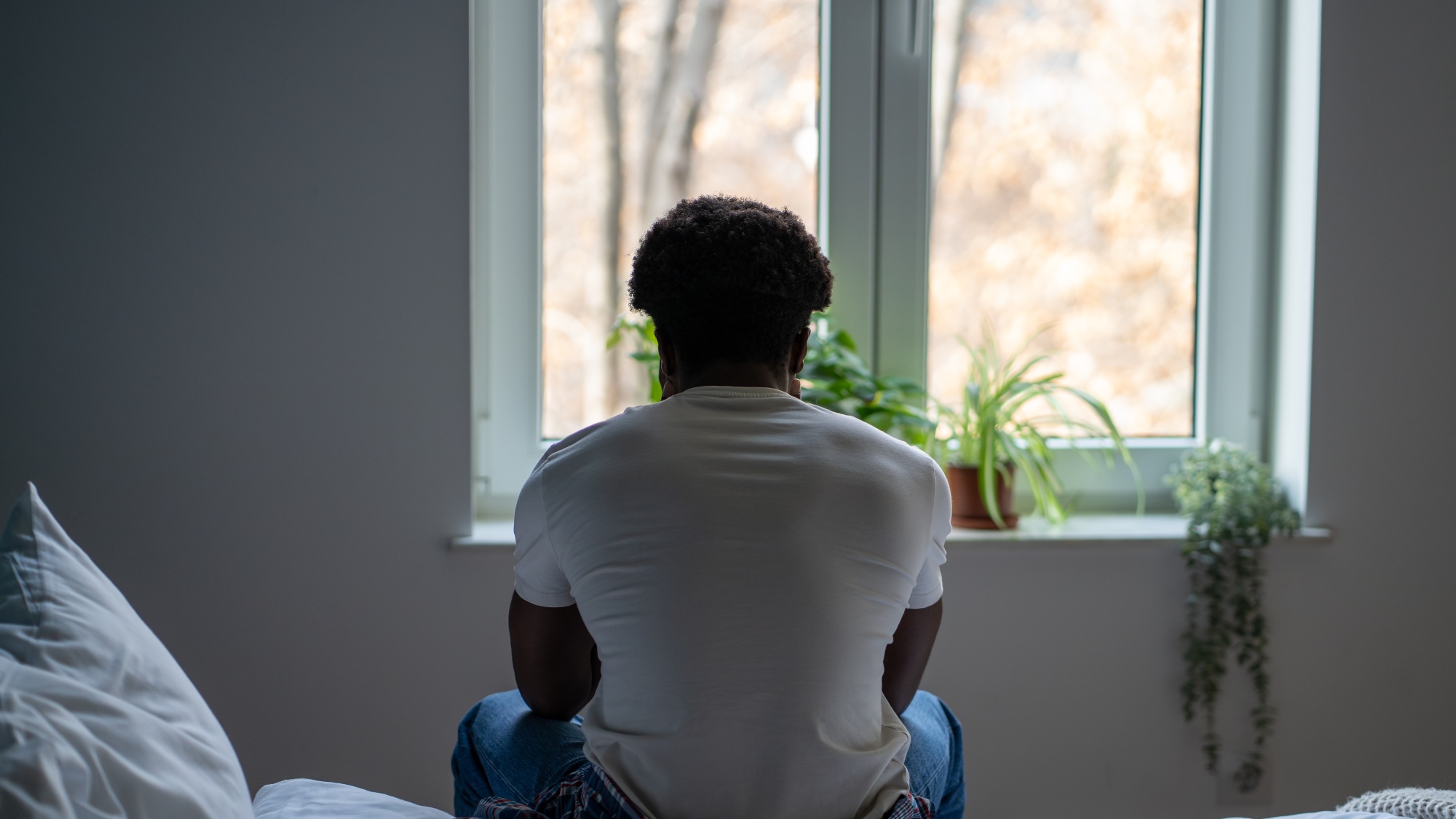
Lately, the conversations I’ve been having in real life and noticing online have shared a common theme: Black people are experiencing loneliness. The more I listened to people open up, the clearer it became that loneliness doesn’t always have a specific look. For many Black singles, it shows up in full group chats, busy schedules, and curated social feeds—while still feeling emotionally disconnected. In an era where “community” has become just another buzzword and access to people is constant, you’d think we’d feel more connected than ever. So what’s causing this sense of loneliness?
If we’re being real, life looks different than many Black singles expected. More people are living alone, building careers, and prioritizing independence in ways previous generations didn’t always have access to. At the same time, social media has blurred the lines between access and intimacy, making everyone’s lives more visible—which can lead to constant comparison.
And while singlehood is often equated with loneliness, many are finding that what they’re experiencing isn’t just about their relationship status—it’s about genuine connection. According to the American Psychological Association, more than half of U.S. adults reported feeling isolated, left out, or like they’re lacking companionship. Whether from friends, family, or romantic partners, gaps in community can leave people navigating life without the support they need. What feels like a connection on the surface often lacks depth underneath.
Why Emotional Disconnection Feels Different for Black Singles Today
The harsh reality is that communication looks different today, and connection requires effort. Not just effort to stay in touch—but effort to be emotionally available, present, and intentional in a way that goes beyond liking a post or sending a quick text. As people relocate, evolve and enter new phases of life, relationships naturally shift. Friends move away, build families, or enter romantic relationships that change the dynamic of the connection. Still, in some cases, people also begin to recognize that certain relationships aren’t as supportive or reciprocal as they once believed.
Yolanda Danae, the founder of the collective, The Sassy Rant, knows this feeling all too well. Her loneliness became apparent during a heavy season of life. A season where she was experiencing personal loss and navigating an unfulfilling job, all while entering a new decade. People around her were entering new stages, relationships, marriages, and building families—while she felt out of sync with what she thought her life would look like, which created a deeper sense of isolation. “For me, loneliness wasn’t just about the absence of people,” Danae told EBONY. “It was the emotional weight of transition, grief, and comparison all happening at the same time.”
Gradually, that experience reshaped how she defines connection. What once felt like something to perform now looks like something more intentional—rooted in reciprocity, care, and the ability to show up fully as herself.
What Mental Health Experts Say About Emotional Disconnection
While loneliness is often framed as a lack of romantic connections, experts say it’s more complex. According to Jordan A. Madison, a licensed clinical marriage and family therapist and founder of Therapy Is My JAM, the issue isn’t always about how many people someone has around them—it’s about whether they feel truly seen. “Dating and being social is very different from feeling seen and accepted,” she said.
Madison notes that many of her single clients are Black women who are navigating a quiet grief—mourning the life they thought they would have by a certain age while also questioning whether they will ever feel chosen or prioritized in a relationship. “It’s easy to be in a room full of people and still feel alone,” she adds. She also points to the ways modern connections can fall short, particularly in a digital world. “People will watch all of your stories, maybe even like a post, but not actually speak to you in person.” It creates a dynamic where people feel updated on your life without ever actually being in it.
Still, Black women aren’t the only ones experiencing this. Loneliness can show up for Black men in different ways. Jor-El Caraballo, a licensed therapist and author of Mindful Meditation for Black Men, told EBONY that “emotional disconnection can often look like hyper-independence in Black men.” Caraballo explains that cultural messaging around masculinity often teaches men to handle challenges on their own—making vulnerability feel unfamiliar or even unsafe.“ For many Black men, asking for help can feel like a weakness,” he said, noting that this can become a barrier to forming deeper emotional connections.
This distance can even show up in relationships. “You can feel empty and alone even when you’re partnered,” he adds, pointing to the disconnect that can happen when emotional needs go unrecognized or unmet. For many, building stronger connections start with something foundational: learning how to identify and express their emotional needs.
What It Means to Build Meaningful Connection
So ultimately, what needs to change? It starts with building meaningful connections that go beyond proximity and require intention. This simply means prioritizing depth over access. Instead of maintaining a wide network of surface-level relationships, focus on fewer, more intentional connections that feel reciprocal and emotionally safe.
It also means challenging the idea that romantic relationships are the primary solution to loneliness. While partnership can provide companionship, it doesn’t automatically resolve deeper feelings of disconnection. Because connection isn’t just about being with someone—it’s about feeling seen, understood, and supported.