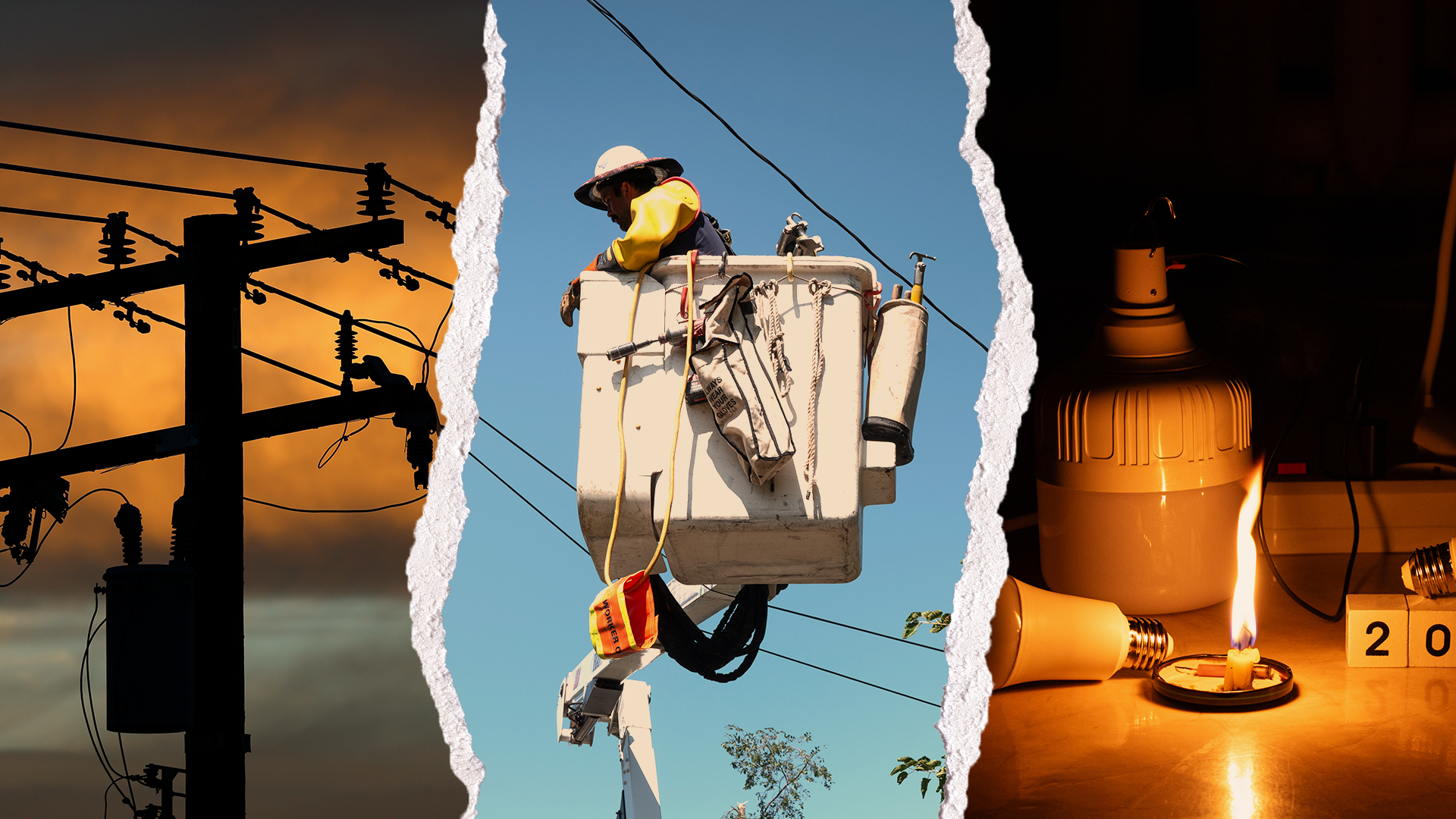
For some Black Americans, a power outage is an inconvenience. For others, it can mean sitting in a dark house without air conditioning, watching food spoil, worrying about elderly relatives, wondering how to charge a phone or figuring out whether it is safer to stay or leave. In Gary, Indiana, that reality stretched from days into nearly two weeks this August.
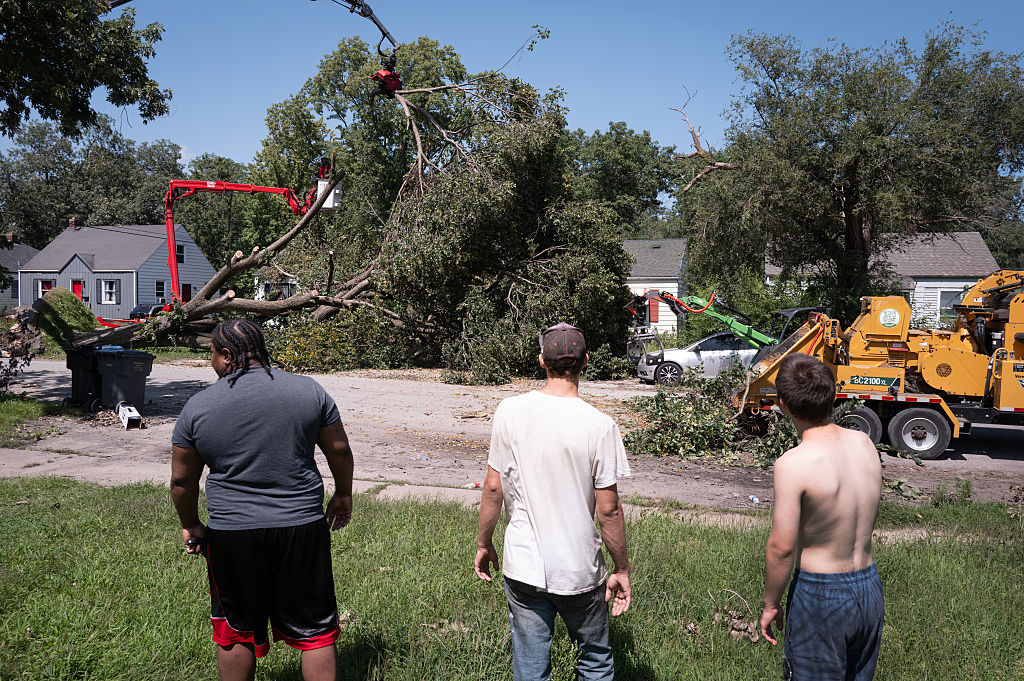
On August 11, a powerful derecho tore through Northwest Indiana, bringing destructive winds, downed trees and widespread damage. More than 38,000 homes and businesses in Gary lost power. Nearly two weeks later, some residents were still waiting for electricity to return. Gary Mayor Eddie Melton called the length of the outage “unacceptable.” At the same time, residents described the experience as frightening, exhausting and, for some, reminiscent of another disaster that permanently altered the national conversation about Black communities and government response: Hurricane Katrina.
Then came Memphis. On August 22, severe storms with winds topping 70 miles per hour battered the city, knocking down trees and power lines. At the height of the storm, approximately 140,000 homes and businesses served by Memphis Light, Gas and Water lost electricity. Two days later, tens of thousands remained without power.
Neither Gary nor Memphis is New Orleans. But they are part of a larger story. Twenty-one years after Katrina, the lesson is not simply that hurricanes can devastate cities. It is that disaster reveals whatever was already unequal—and the response can determine whether those inequalities deepen or begin to heal.
Katrina Changed the Question
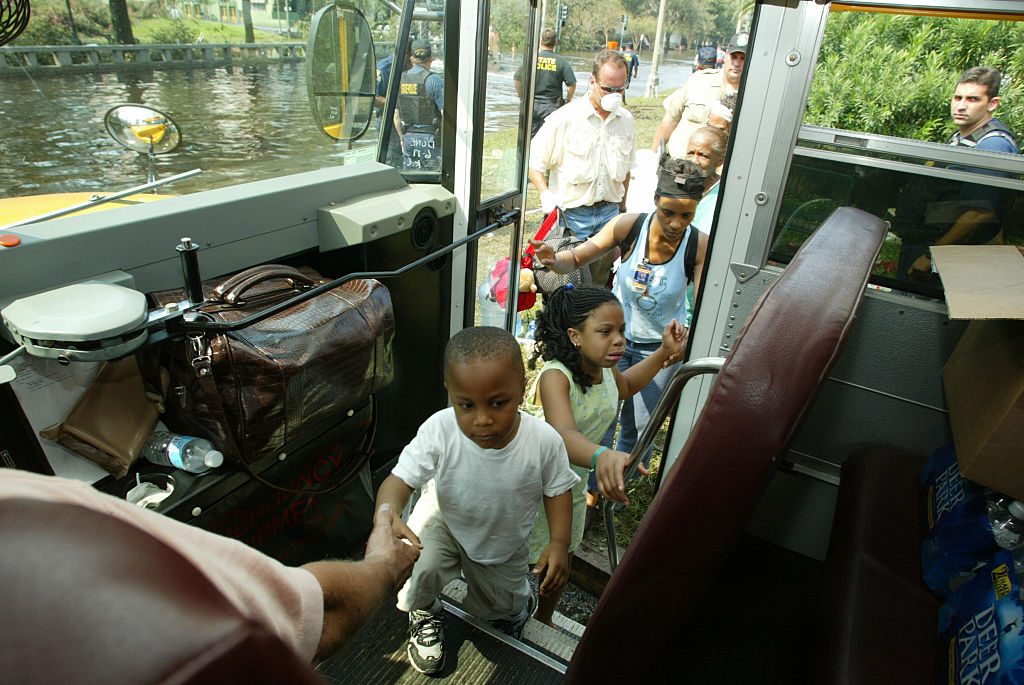
When Hurricane Katrina struck New Orleans in 2005, the devastation was immediate. But the more serious damage unfolded in the weeks, months and years afterward. The storm and catastrophic levee failures displaced hundreds of thousands of people and disproportionately devastated Black communities. Neighborhoods were scattered. Families were separated. Businesses disappeared. Cultural institutions struggled to recover. And the country watched.
The images of Black residents waiting for evacuation assistance became inseparable from questions about government preparedness, poverty and race. Katrina exposed something that disasters often do: the people most vulnerable before the storm are frequently the people who have the hardest time recovering after it.
Who has a car? Who can afford to leave? Who has savings? Who has somewhere to go? Who can replace the food that spoiled during a prolonged outage? Who can afford to miss work while waiting for electricity to return? Those questions are not theoretical. They can determine whether an emergency remains temporary or becomes life-altering.
Katrina also demonstrated that recovery is about more than restoring physical infrastructure. When Black New Orleanians were displaced, the city lost pieces of its social and cultural fabric. The music, food, traditions and creative energy survived—but many of the people who sustained them were forced to rebuild elsewhere. That is why Katrina remains relevant today. Not because every storm is another Katrina, but because every disaster asks a fundamental question: Who gets a way out—and who is expected to endure?
Gary Shows What Happens When the Power Doesn’t Come Back
Gary offers a particularly uncomfortable version of that question. The city has spent decades dealing with industrial decline, population loss and economic disinvestment. Today, roughly three-quarters of its residents are Black. So when the August 11 storm knocked out power across Northwest Indiana, the disaster landed on top of existing vulnerabilities.
NIPSCO reported that hundreds of thousands of customers across its service area lost electricity. Crews faced extensive damage, including downed trees, power lines and other infrastructure. But while neighboring communities began seeing their electricity restored, Gary remained among the hardest-hit areas. For residents, the problem was not simply that the lights were off. It was how long they stayed off.
A prolonged outage can become a public-health issue. It can mean unsafe temperatures, spoiled food, disrupted businesses and difficulty accessing essential services. For residents with limited financial resources, the ability to simply leave town or replace what was lost is not guaranteed. One Gary restaurant owner estimated that eight days without electricity cost her roughly $19,000 in revenue. Instead of closing, she found ways to continue serving her community with outdoor equipment and help from local organizations.
Her story captures something familiar in Black communities during a crisis: people step up. Neighbors check on neighbors. Restaurants feed people. Community organizations distribute supplies. Local leaders demand answers. Residents improvise. But resilience should not become the government’s excuse. A resourceful community does not mean it should have to be.
The question surrounding Gary is therefore bigger than why it took so long to restore power. It is whether communities that have already endured decades of economic and infrastructural challenges are receiving the investment and preparation necessary to withstand increasingly severe weather.
Indiana Gov. Mike Braun has ordered an investigation into NIPSCO’s storm preparedness and infrastructure, while a proposed lawsuit has raised allegations about vegetation management near power lines. NIPSCO has disputed those claims and defended its restoration response. That accountability matters. So does what happens next.
Memphis and the Meaning of a Fast Response
Memphis presents a different picture—and an important contrast. When severe storms hit the city in August, the outage was enormous. Approximately 140,000 MLGW customers lost power, but crews restored electricity to the vast majority within 48 hours, reducing outages to fewer than 30,000.
That response does not mean every resident felt adequately served, nor does it erase Memphis’ larger concerns about infrastructure, public safety or government accountability. But the comparison with Gary is instructive. A disaster response cannot be measured only by how many people eventually get help. It should also be measured by how quickly help arrives, how clearly officials communicate, which neighborhoods are prioritized and whether residents have the resources to survive the waiting period.
That is particularly important in Memphis, a majority-Black city whose cultural significance extends far beyond Tennessee. Memphis gave the world blues, soul and gospel traditions that helped shape American music. Its Black neighborhoods are repositories of history. Its residents are not simply people living in a city—they are caretakers of a cultural legacy.
When infrastructure fails, the consequences therefore reach beyond utility bills. They touch businesses, churches, restaurants, musicians, families and neighborhood institutions. The storm may last hours. Its economic and cultural consequences can last much longer.
What Should We Learn From Katrina?
After a disaster, the temptation is to celebrate resilience. Black communities deserve recognition for their resilience. But resilience should start the conversation—not end it. If the lesson of Katrina is simply that Black people know how to survive, then we have learned the wrong lesson. The better lesson is that preparedness is an equity issue.
Cities need infrastructure that can withstand increasingly severe weather. Utilities need systems that can restore service quickly and communicate honestly when they cannot. Government agencies need emergency plans that account for residents who cannot evacuate, work remotely or afford to replace everything they lose. Recovery plans also need to consider whether residents can remain in the communities they call home. That last point may be the most important.
New Orleans taught us that rebuilding a city physically does not necessarily mean restoring the community that existed before the disaster. Gary and Memphis now offer opportunities to ask that question before the next crisis arrives. What happens when the grid fails again? What happens when extreme heat follows a storm? What happens to seniors, disabled residents, families without reliable transportation and small Black-owned businesses? Who is checking on them? Who is paying for the losses? Who is responsible when infrastructure that should have been maintained fails? And who gets to decide what recovery looks like?
The Storm Can’t Be the Only Emergency We Prepare For
The 21st anniversary of Katrina should not only be a moment to look backward. It should be a moment to recognize patterns. In New Orleans, the storm exposed the consequences of inequality and inadequate preparation.
In Gary, a powerful storm turned an existing infrastructure problem into a nearly two-week crisis for thousands of residents. In Memphis, another severe storm tested how quickly a major Black city could restore essential services after widespread damage.
The cities are different. The storms are different. The government responses are different. But the underlying question remains the same: When disaster strikes, will Black communities be protected before they are praised for surviving? That is the standard worth demanding.
Because culture can survive a storm, people can rebuild. Neighbors can organize. Artists can create. Businesses can reopen. Cities can recover. But survival should never be the only measure of success. The real measure is whether, the next time the winds come, the lights go out, or the water rises, fewer people are left wondering whether anyone is coming to help.