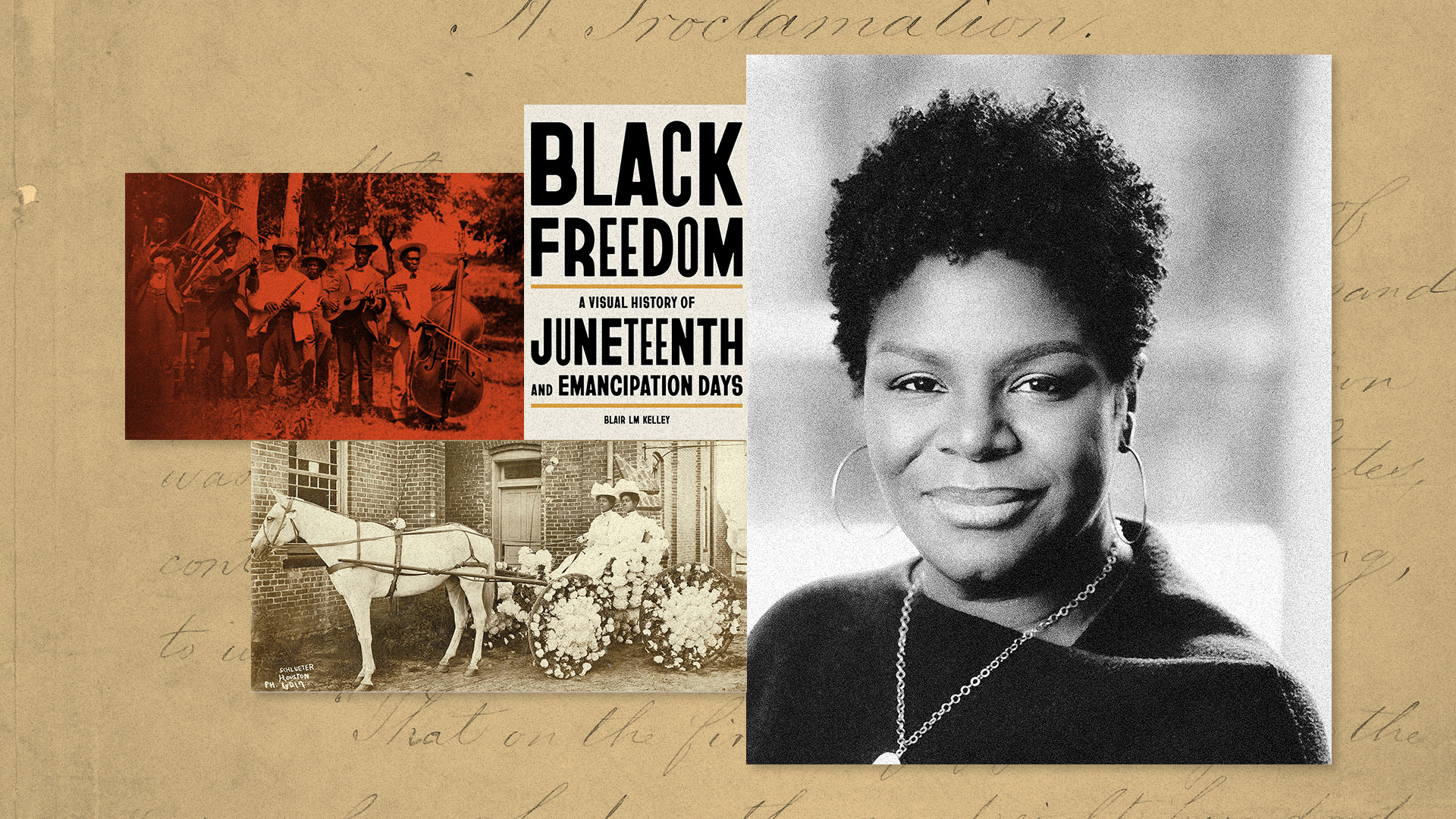
Black Emancipation Day celebrations were never just festive gatherings. They were deeply theological, intellectual, historical, artistic, and political declarations of existence and belonging. In public parks, on parade routes, in the midst of brass bands and oratory, Black communities gathered to bear witness, not only to what had been survived, but to the truths that had always been known.
At the heart of these gatherings was a Black theology rooted in the long night of enslavement. For generations, Black faith had been driven underground, hidden from slaveholders who feared its power. It was dangerous for enslaved people to imagine themselves as the chosen ones in the biblical story of Exodus—God’s people unjustly held in bondage. But with emancipation, that faith emerged from the shadows. Jubilee had come, just as it had come for the Hebrew slaves, and Black people were ready to claim it. Celebrations of emancipation were thus grounded in a faith tradition that saw dignity where the world had tried to deny it, and a divine promise of liberation where the law had once demanded bondage. These were not simply parties; they were sacred ceremonies in which freedom was named, remembered, and demanded again.
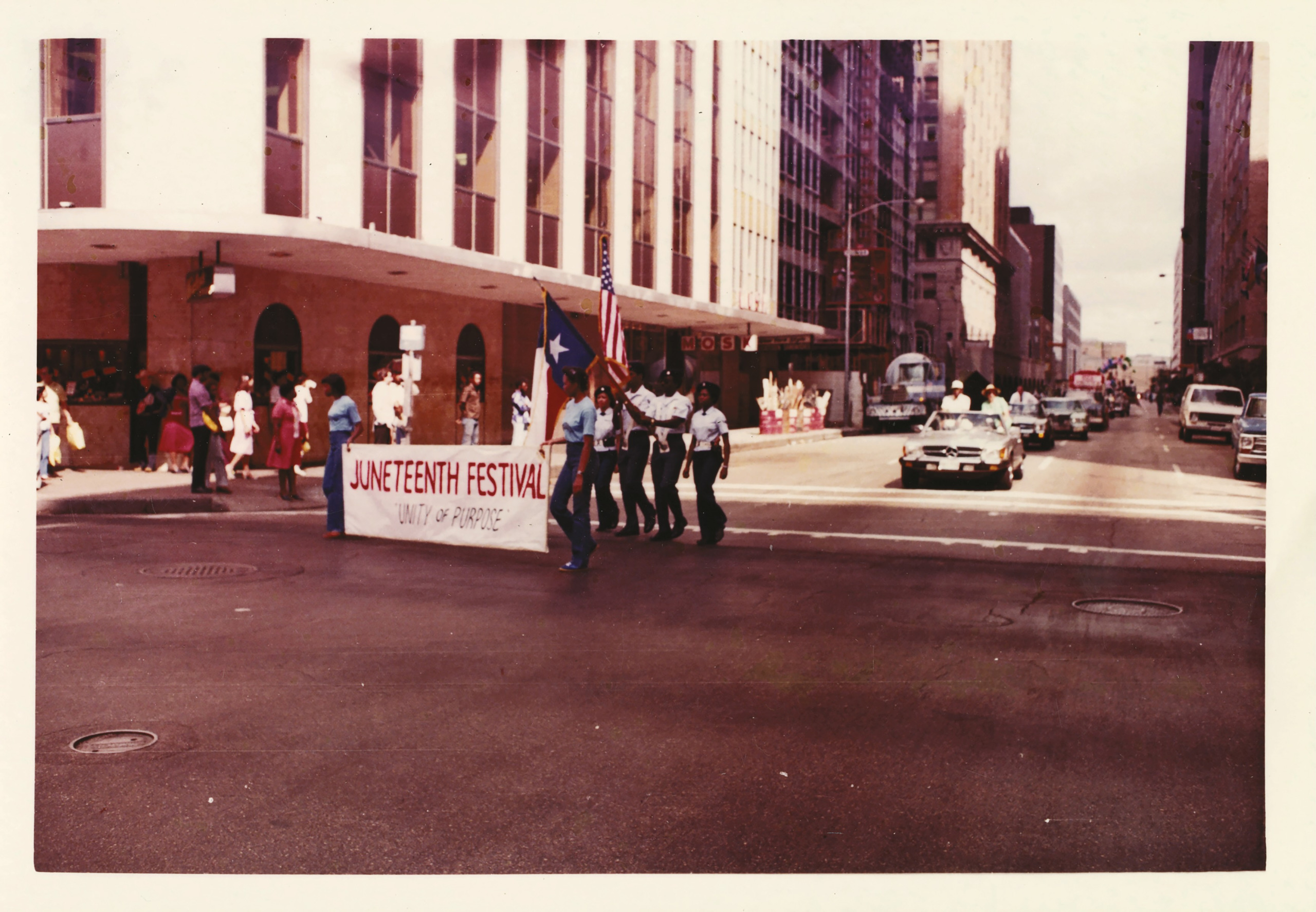
In these moments of celebration, Black oratory stood as a bold rebuke to the lie of Black intellectual inferiority. Under slavery, reading and writing had been criminalized. Slaveholders had made them illegal precisely because of their power as tools of liberation. To read is to interpret the world. To write is to communicate, to plan, to resist. Emancipation Day orators reclaimed these tools in full view of the public, their eloquence a declaration that Black minds had never been empty, only forcibly silenced. Their very presence behind a podium was a radical act—proof of brilliance in the face of a society that insisted Black people could not think well or for themselves.
History itself was on trial in these celebrations. While white Southerners and white Americans at large commemorated their version of the past with monuments, speeches, and national holidays, those rituals excluded the labor and lives of Black people. The central role of slavery in building the nation was elided, whitewashed, or wholly denied. These white commemorations, however grand, never paused to remember the day freedom came for all Americans. But Black communities remembered. They made space for their own public memory—for the naming of ancestors, for stories passed down, for marking the moment when the legal claim to human ownership was finally broken. Jubilee celebrations, Emancipation Days, and Juneteenth were not just acts of memory; they were counter-histories, insistent that the nation must reckon with the truths it tried to forget.
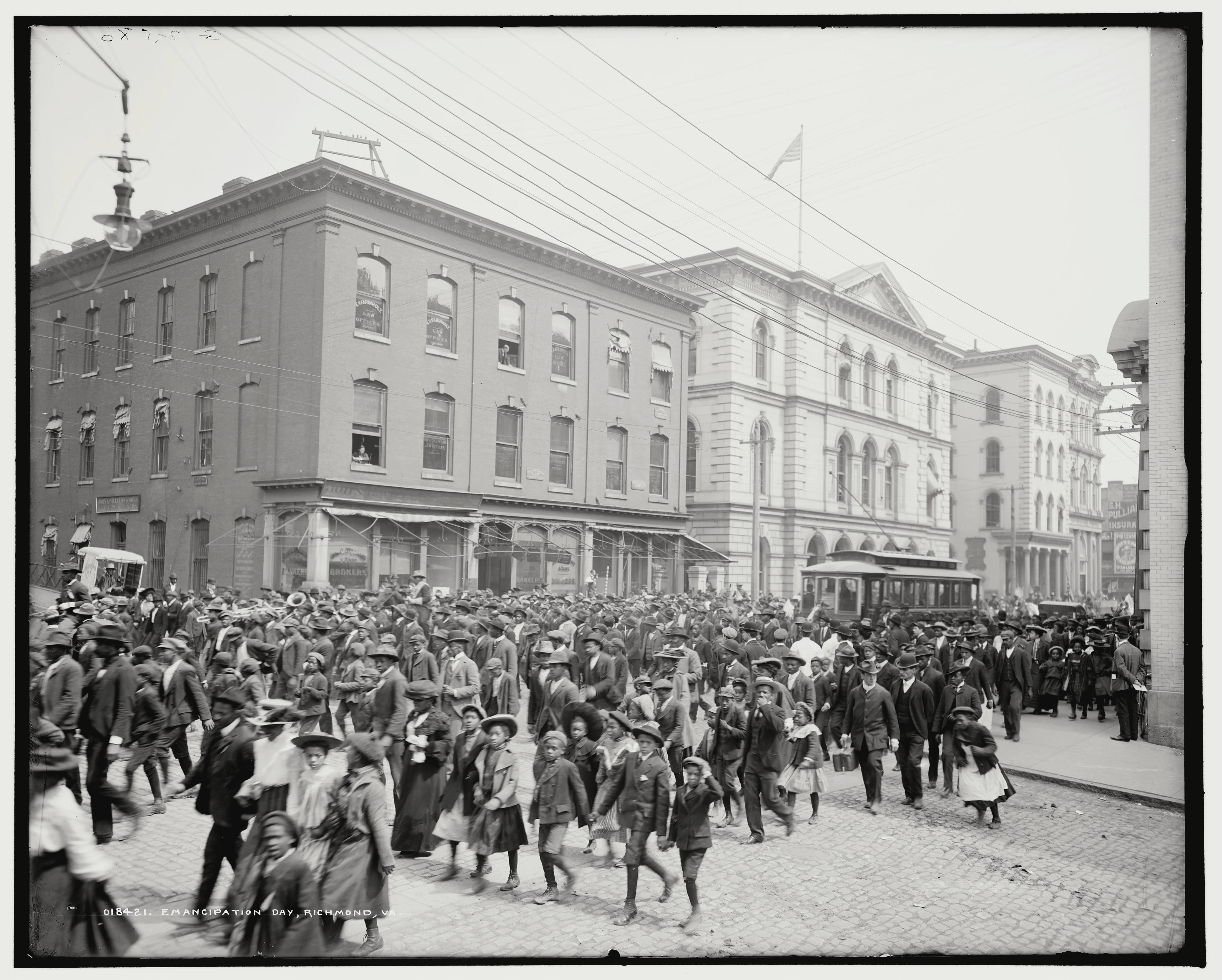
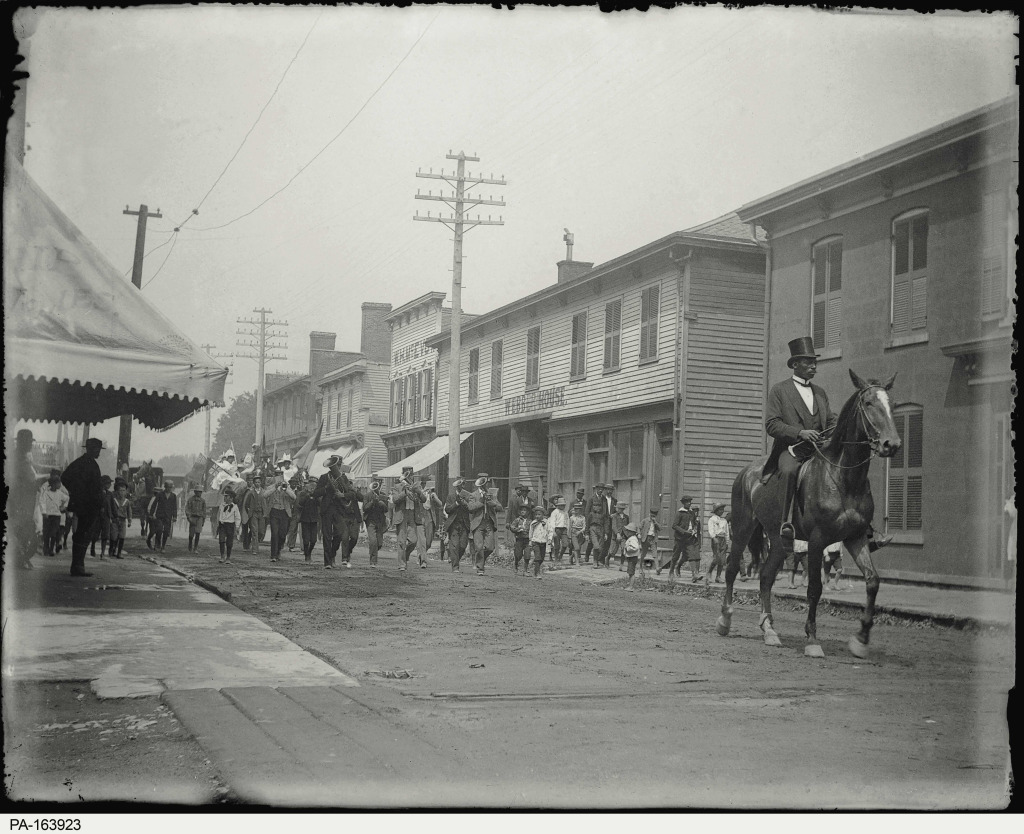
And they were beautiful. In an age when the dominant portrayal of Black life came through the grotesque distortions of blackface minstrelsy, when white performers in burned cork caricatured Black people as lazy, foolish, childlike, or monstrous, emancipation celebrations offered a different kind of stage. Black communities crafted a response to these dehumanizing images. They wore uniforms. Donned their Sunday best. Marched in formation. Danced with grace. Spoke with power. The public display of Black dignity, joy, and refinement was a profound rejection of the nation’s most popular myths about Black life.
Perhaps most crucially, these celebrations laid claim to space. In a time when new laws were rapidly resegregating the South, policing Black presence in and access to public life, Emancipation Day was an unapologetic assertion of belonging. Black people filled the streets, occupied parks, lined parade routes, and made clear that this was their country too. They had built it. Their labor, their suffering, their victories were woven into the fabric of the nation. To celebrate freedom publicly was to demand recognition and refuse erasure. It was to say, with joy and conviction: We are still here. We are not out of place.
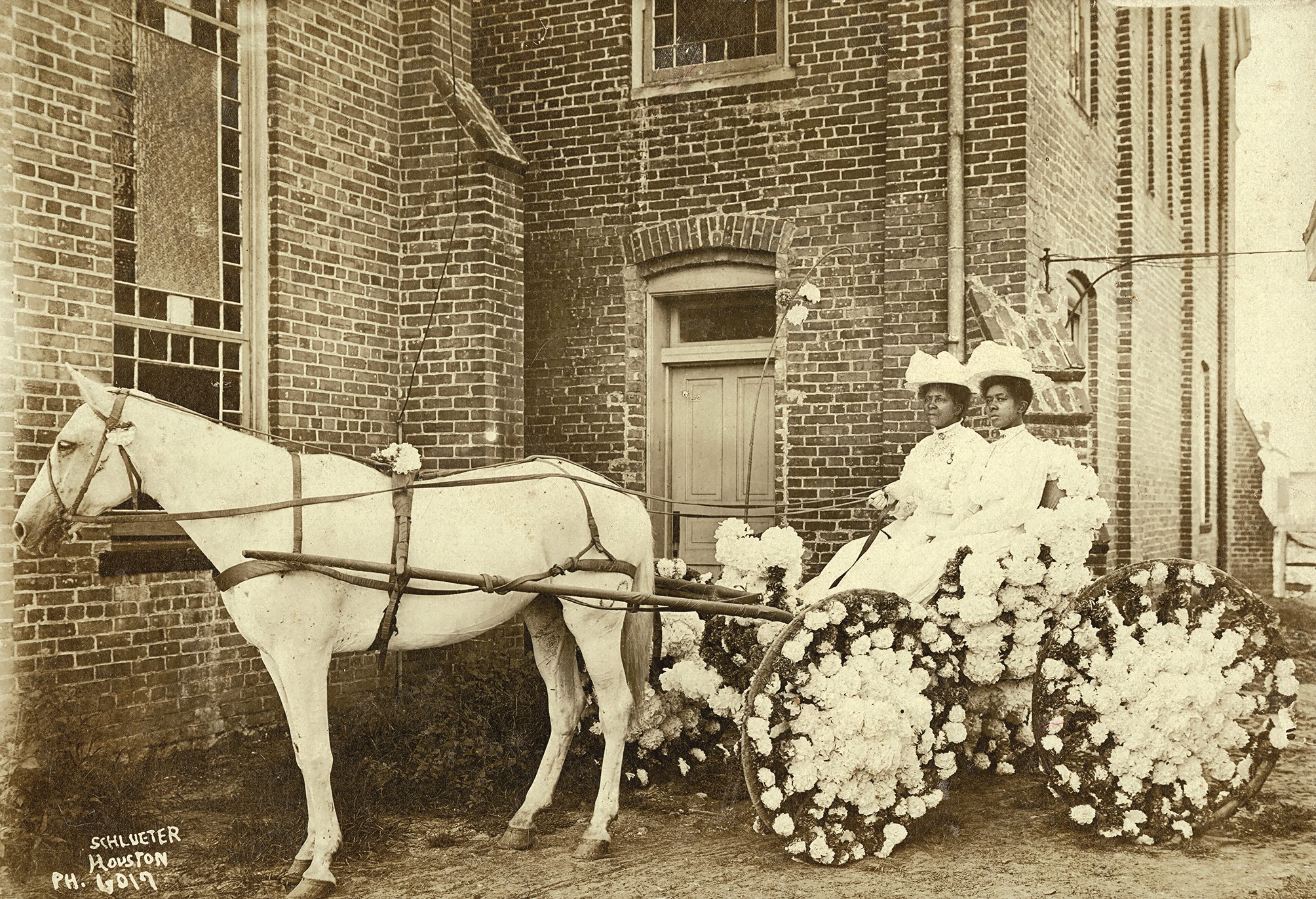
In every sermon, every march, every song, and every spectacle, Black people transformed the tools they had once used to beautify the lives of others—music making, dressmaking, floral arranging, cooking, storytelling—into gifts for themselves and their communities. Emancipation celebrations were moments of self-determination and love. They made Black life beautiful, on their own terms. And in doing so, they gave us all a blueprint, not just for remembrance, but for imagining freedom anew.
Excerpted from Black Freedom by Blair LM Kelley (Black Dog & Leventhal). Copyright © 2026.