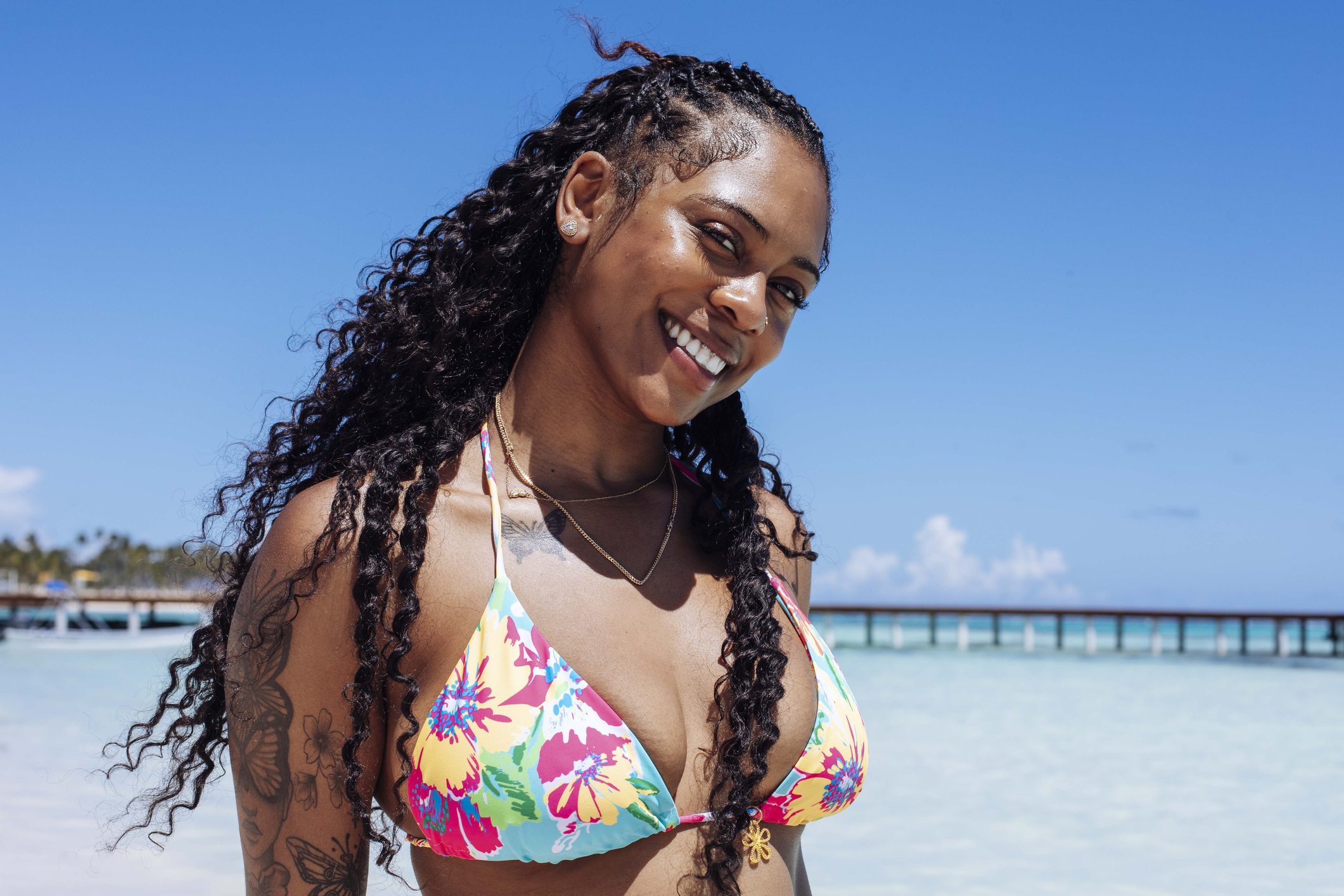
Once the vacation is booked, the next question Black women immediately start asking is: How am I going to style my hair?
For many, summer marks the unofficial end of silk press season and the start of protective style season. Yes, that means the flat irons are on vacation too. Whether it’s trendy knotless boho braids, mini twists, faux locs, or a sew-in, protective styles make it easier to enjoy warm-weather vacations without worrying about your edges or your roots puffing up.
But choosing a protective style is only the first step. Keeping your natural hair healthy while traveling requires the right preparation, maintenance, and knowing when it’s time to take the style down.
EBONY spoke with licensed cosmetologist Kadeisha Placide, founder of Classic Beauty Studio and CEO of Women In Power Collective, who shared her tips for protecting your hair—and your scalp—before, during and after your summer getaway.
Choosing the Right Protective Style for Your Vacation
When choosing a protective style, it’s easy to head straight to TikTok or Pinterest in search of the “it” hairstyle of the summer. But picking the right style is not just about what’s trending—it’s about what works best for your hair and your travel plans.
Before booking your appointment, Placide says it’s important to make sure your natural hair is in good condition. That means cleansing, deep conditioning, and trimming your ends if needed before installing any protective style. “A protective style should protect healthy hair—it shouldn’t be used to hide damaged hair,” she said.
Once your trip is booked, Placide recommends thinking about the activities you’ll be doing on vacation. The type of vacation you’re taking should also influence the hairstyle you choose. For beach trips, she recommends moisture-friendly styles like knotless braids or twists because they’re easier to rinse after swimming. If you’re headed on a city vacation filled with sightseeing or dinners, she says styles like wig installations, sew-ins, ponytails, or half-up, half-down styles can offer more versatility.
No matter which style you choose, Placide says avoiding excessive tension is key. “ Styles installed too tightly can lead to breakage and even traction alopecia.”
How to Care for Your Scalp While Traveling
When our hair is in a protective style, it’s easy to think we can stop caring for the hair underneath. But a protective style doesn’t mean your hair care routine should stop. One of the biggest misconceptions, Placide says, is believing that a protective style is maintenance-free. In reality, your scalp and natural hair still need regular care throughout your vacation.
To keep your scalp healthy, she recommends cleansing after heavy sweating or swimming, moisturizing with a lightweight scalp serum, and rinsing your hair with fresh water after exposure to chlorine or saltwater whenever possible. She also recommends protecting your scalp from the sun whenever possible. “A hat, scarf, or UV-protective spray can help shield both your scalp and your hair from prolonged sun exposure,” she adds.
What to Pack in Your Hair Care Bag
Packing for vacation can be stressful enough without trying to squeeze your entire hair routine into a carry-on. Instead, Placide recommends sticking to a few essentials, including:
Common Mistakes That Can Lead to Breakage
The point of the protective style is to reduce manipulation—not to create more damage. Common mistakes include leaving styles in too long, installing them too tightly, and frequently pulling them into tight ponytails or buns.
According to Placide, your scalp will often give you warning signs when something isn’t right. Persistent pain, excessive itching, bumps, headaches, or noticeable shedding around the hairline may indicate that your style is too tight or has been left in for too long. “ A protective style should never feel painful. If you notice thinning edges, broken hairs, or excessive tension, it’s time to remove the style or have it adjusted,” she shares.
When It’s Time To Take the Style Down
As hard as it can be to let go of a style you love, it’s important to remember when it’s time to remove it. Placide says four to eight weeks is the sweet spot for most protective styles, depending on the style and how well it’s maintained. Leaving it in longer can lead to product buildup, matting, tangling, and unnecessary shedding.
A protective style should make your vacation easier—not come at the expense of your natural hair. That said, choosing the right style, caring for your scalp, and knowing when it’s time to take it down can help keep your hair healthy long after your vacation ends so when it’s silk press season again, your hair will be thriving.