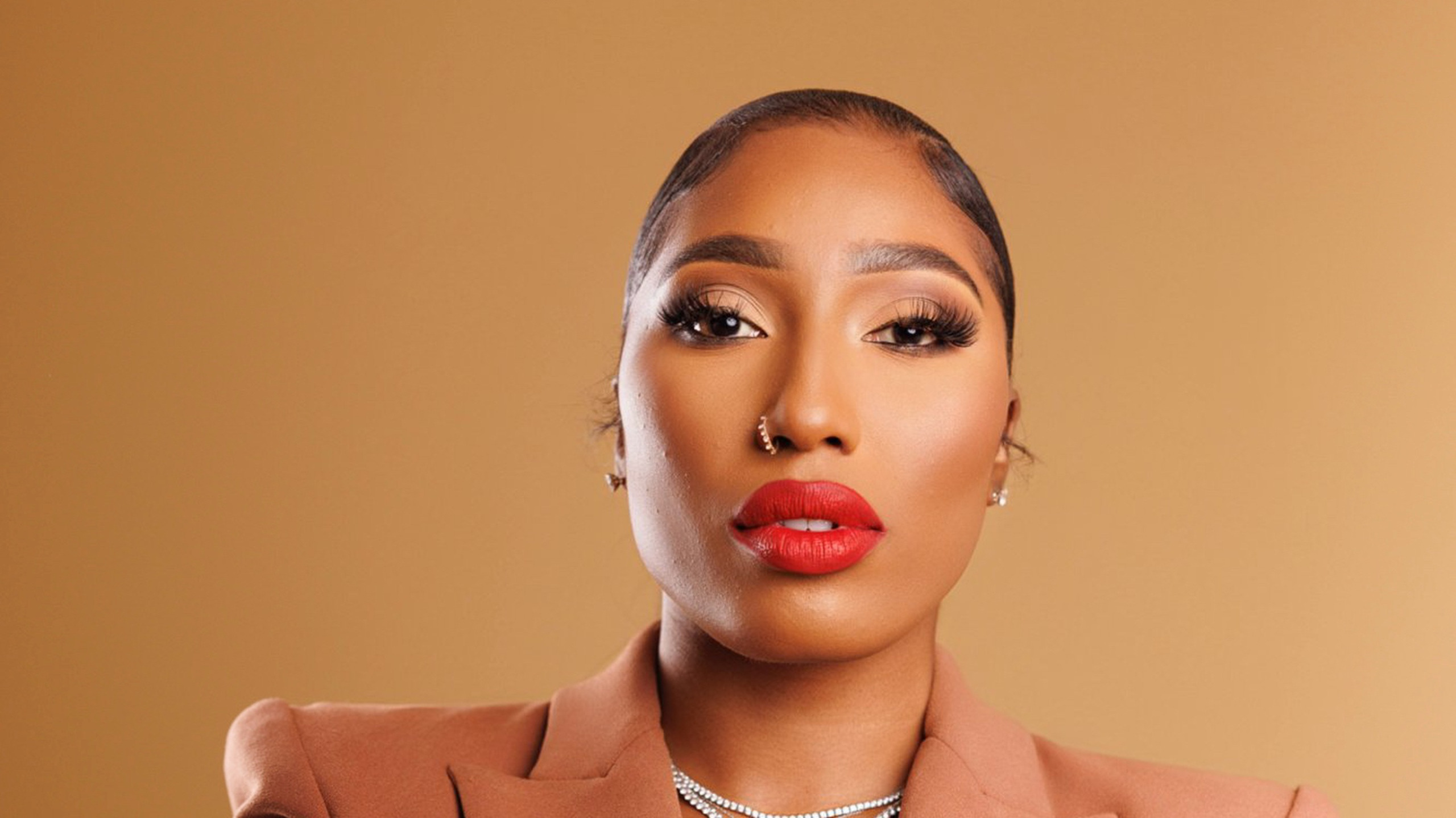
For Desiree Talley, being a lawyer has never meant fitting neatly into a box. The Vallejo, California native has built a career in law and media with creativity as the through line, using each component to advance, educate and protect Black creatives in an industry where understanding the fine print can mean the difference between a career and a cautionary tale.
A 2024 Rising Star and one of this year’s LA Women to Watch, Talley is a public speaker and legal powerhouse at Revolt Media. She also runs strategy and operations for actor and musician Algee Smith, helped secure a major deal for the Drink Champs podcast and played a key role in launching Revolt Sports. But perhaps her most accessible contribution to the creative community is Pop Law, her five-time award-winning podcast now entering its third season, where she breaks down contracts, entertainment law, and media deals in language creatives can actually understand.
Still, beneath the creativity is a much larger mission: protecting Black talent from the pitfalls that have historically followed successful careers in entertainment. Talley grew up watching shows like Unsung and reading stories about athletes and entertainers who appeared to have it all, only to later reveal that they had gone broke. Often, she noticed, the problem traced back to contracts or not understanding the business. “I asked myself, how can I help them?” she told EBONY. “My family, they were Black Panthers, and so for me to be able to get back and try to help my people, I learned that I could do it through law.”
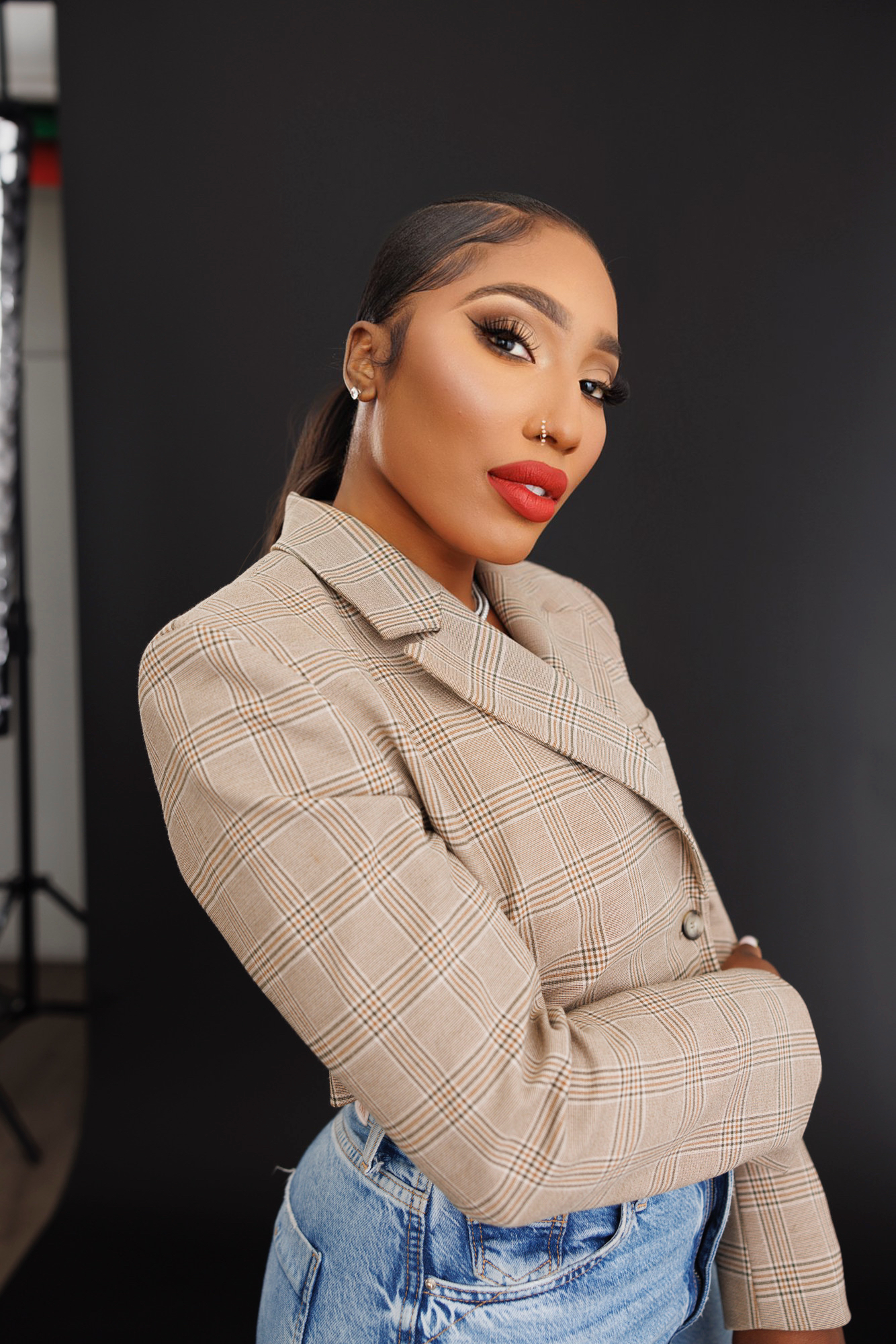
Her desire to advocate for Black creatives is deeply rooted in her background. Growing up in Vallejo, she was surrounded by the Bay Area’s grind mentality and a family of women with strong work ethics. As the first in her family to attend college and law school, Talley describes herself as a lifelong student, always interested in understanding the why and how behind what she encounters.
That curiosity eventually led her to entertainment law, but Talley never saw herself as a traditional attorney. She’s never been interested in shrinking herself to fit someone else’s idea of what a lawyer should look like. That same refusal to separate her creativity from her legal expertise has become a defining part of her work. With Pop Law, Talley writes, directs and produces the episodes, from choosing the topics to developing the set designs and color schemes. She even earned her first songwriting credit on Algee Smith’s “On the Way,” adding another creative lane to a career that already refuses to be one-dimensional.
That mission became especially clear after Talley launched her private practice, Talleymark’d, following her involvement with CultureCon. As a new attorney surrounded by creative friends, she noticed a recurring problem: companies were interested in their work but sometimes used their ideas without actually hiring them. Creatives also needed someone who could explain the legal implications of their deals without burying them in legal jargon. Pop Law became her answer to that problem on a larger scale. “Accessibility is really important, particularly for our culture,” Talley said. “If you don’t have time or feel like reading, listen to this podcast. Let me tell you how to protect yourself.”
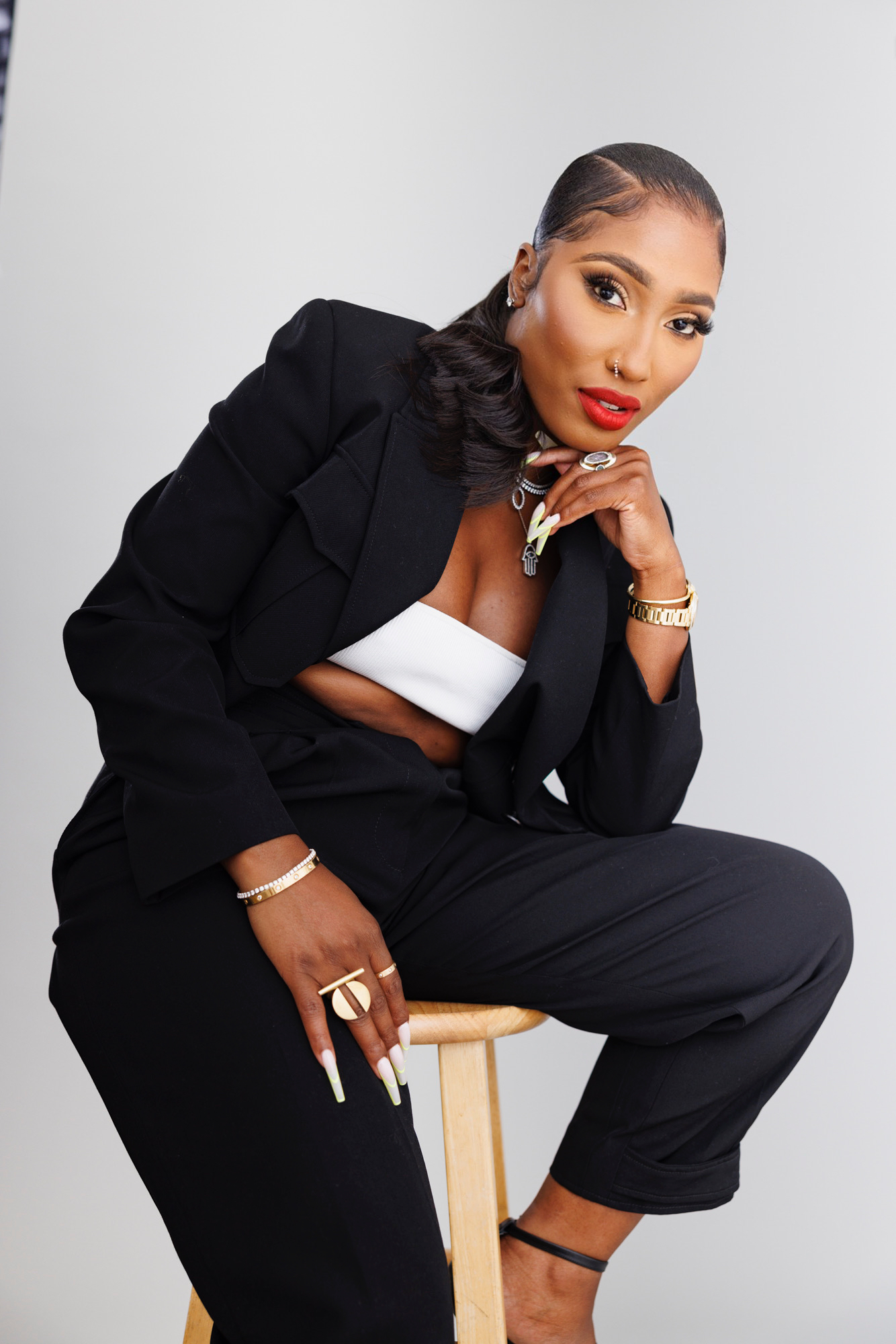
For Talley, the impact is measured not only by awards or industry recognition, but by messages from listeners who have used the information to protect themselves. She has also seen more creatives take the initiative to understand the business behind their creativity, question contracts, and seek professional guidance before signing away their rights. That shift matters because the goal is no longer simply getting the check. Creatives want ownership, longevity and generational wealth. Talley hopes her work helps make that possible. More than anything, she wants people to understand that her advocacy comes from a genuine place of care, for the work, the culture and the people creating within it.
“I care about us understanding the business that we’re in and trying to figure out the ways in which we can profit off of our creativity that we inspire in every other industry, every other culture,” she said. Talley knows she cannot do it alone. But as more creators learn to trust their instincts, ask questions and understand their value, Talley sees the possibility of something bigger: a creative economy where Black talent does not simply participate, but retains ownership of the wealth it creates.