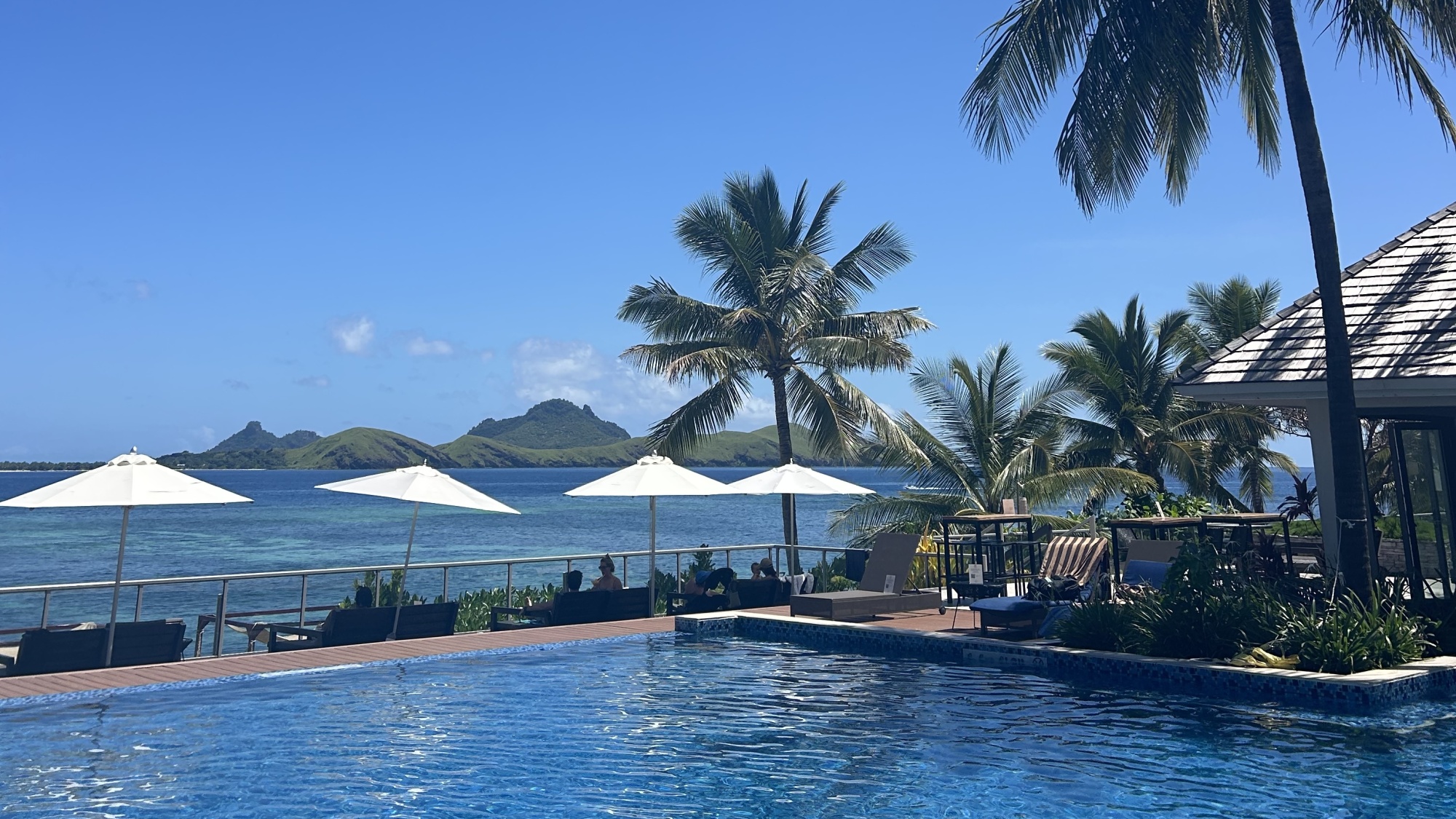
I’ve always wanted to visit the Fiji Islands since I saw the country and its beautiful features in one of my father’s National Geographic magazines growing up, but back then, I doubted I would ever get the chance to see it in person. Recently, I was offered a trip of a lifetime to visit several islands within the South Pacific for spring break. I desperately needed time away from the United States after experiencing extreme burnout from covering major award shows like the Golden Globes and the Oscars, along with a slew of glitzy ceremonies and events here in Los Angeles at the start of the year.
Thankfully, Fiji turned out to be the refresh I was craving and the inspiration and life reset I didn’t know I needed. Fiji, and its people, while stunning, always seemed mysterious to me. I wondered how the environment was, how the people were, what they ate, and, most importantly, the culture behind the pristine beaches and orange-painted skylines.
I quickly learned that Fijians are among the most welcoming and kind people ever to roam the earth.
Getting there: Luckily for me, there is a direct flight from Los Angeles to Nadi, Fiji, with Fiji Airways, which takes about 10 hours. Once I boarded the plane, I immediately felt comfortable, as the flight attendants warmly greeted me.
During the plane ride, I noticed that many of the flight attendants wore short, well-kept afros, which I later learned throughout my trip had cultural significance. The traditional hairstyle, called a buiniga, indicates high status and represents a “chiefly” social standing and families of that ilk. I also learned about Melanesians, the indigenous peoples of Oceania, who mainly inhabit six main entities: Papua New Guinea, Fiji, the Solomon Islands, Vanuatu, New Caledonia, and West Papua (Indonesia).
They are known for their texturized features, and quite frankly, reminded me of my loved ones back home. The name Melanasia combines Greek words: melas, meaning “Black,” and neosi, meaning “islands.”
Once I landed in Nadi (the country’s third-largest city and primary international gateway), which is located on the western side of Viti Levu, the main island of Fiji, I was quickly whisked away via a private car service to the first hotel property in Denarau Island, Sheraton Fiji Golf & Beach Resort. While at the resort, I was able to settle in and adjust to my new beachside environment.
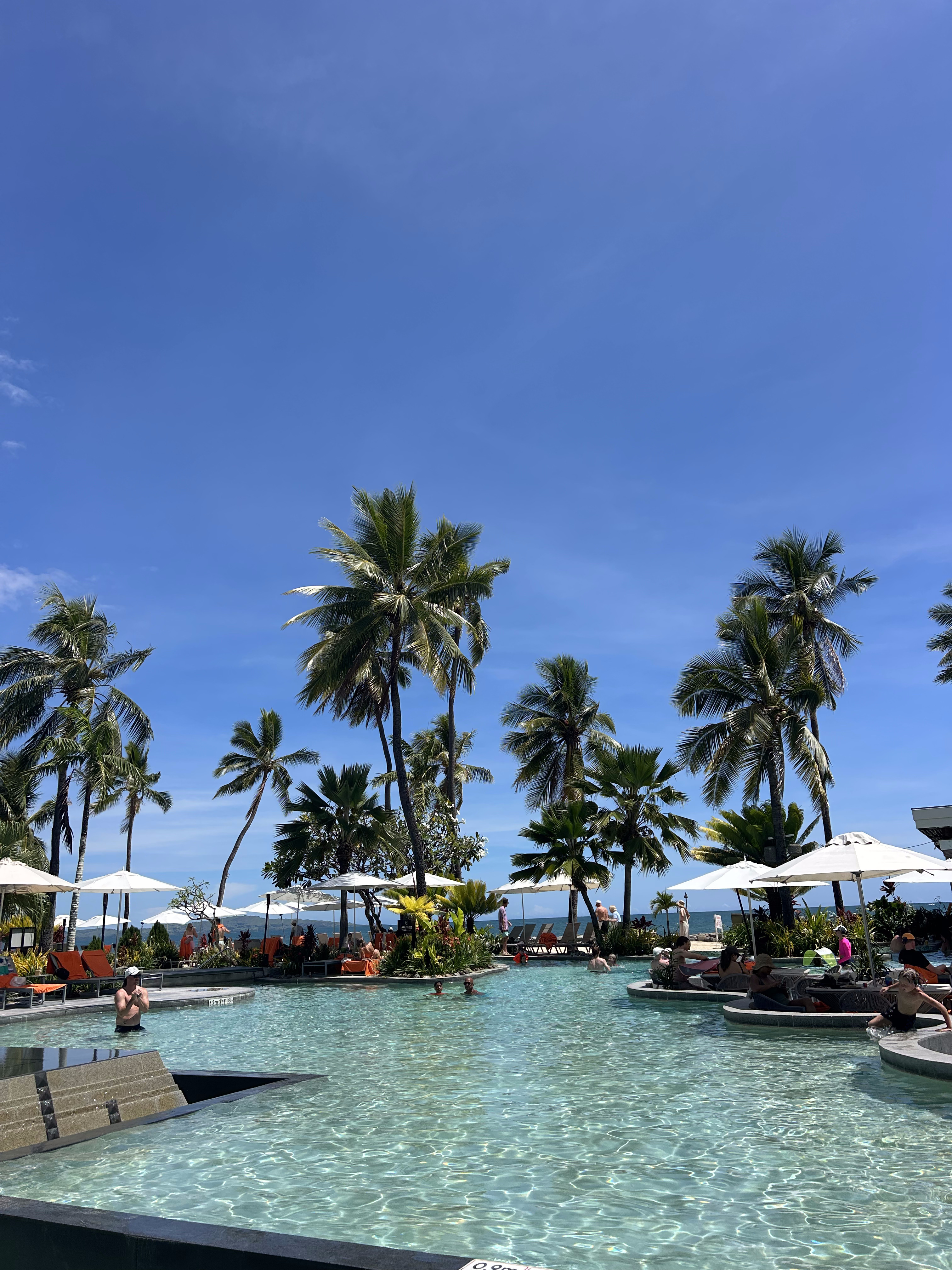
At Sheraton Fiji Golf & Beach Resort, which is part of Denarau Villas, which touts two and three-bedroom villas that full kitchens, dining areas, and en-suite bedrooms, two main pools on property including an infinity pool and a lagoon-style pool with direct access to the beach for ocean‐side activities, like paddle‐boarding, kayaking and snorkeling, 24-hour fitness center, a Heavenly Spa by Westin, and access to Denarau Golf & Racquet Club: 18-hole championship golf, driving range, plus tennis on well-maintained grass courts and an infinity pool and lagoon-style swimming pool with cabanas.
While at the resort, I enjoyed a delicious sunset dinner at Tatavu Grill & Bar and a traditional fire dance ceremony. Fijian fire dancing symbolizes bravery, spiritual connection, cultural heritage, and storytelling through dance. Next, I visited the gorgeous Fiji Marriott Momi Bay on the southwest coast of Viti Levu, about a 45-minute drive from the Sheraton Fiji Golf & Beach Resort.
The Fiji Marriott Resort Momi Bay is renowned as the only mainland resort in Fiji that features iconic overwater Bure villas (a bure is a traditional Fijian wooden hut historically serving as a home, community hall, or meeting place). It is known for its luxurious status as 100% Fijian-owned, its calming artificial lagoon, three large swimming pools, and Quan Spa. While there, I participated in a Fijian cooking class, where I learned to make two traditional Fijian dishes: Fijian Kokoda and Fijian Fish in Lolo. Both meals were delicious and easy to make, as the fish and coconut milk served as the base after I had a relaxing spa session.
The next day, I woke up refreshed and ready to take on the day. I started early with a productive outside yoga session and pool time at their breathtaking infinity pool club.
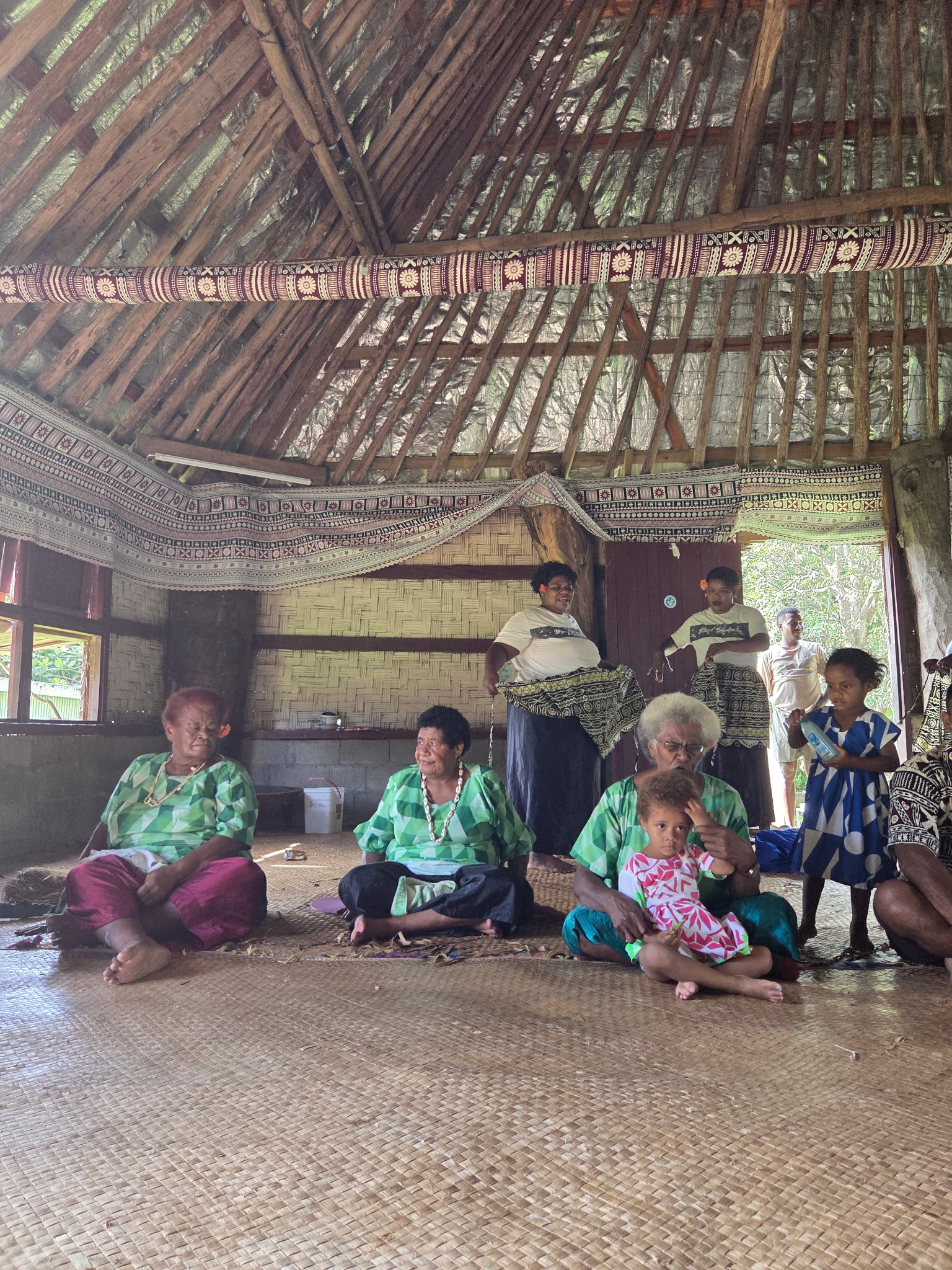
After a restful morning, I headed to Tau Village, which is 15 minutes away from Fiji Marriott Momi Bay. At Tau Village, I learned more about Fijian culture by participating in a kava ceremony in the village’s bure. A kava ceremony is a traditional ritual in Fijian cultures used to welcome guests, mark important occasions, or build community bonds. The ceremony involves sharing a non-alcoholic, earthy drink made from the root of the Piper methysticum plant, which fosters relaxation.
The village members also invited me to dance with them. I couldn’t refuse the offer and found so much joy in doing a traditional Meke dance, which combines storytelling with rhythmic movement to convey legends and history.
My departing gift was a private breakfast Picnic at Vonu Beach, all to myself. Talk about a luxurious experience!
Sheraton Resort & Spa, Tokoriki Island, Fiji
While I enjoyed both resorts, Sheraton Resort & Spa, Tokoriki Island, Fiji, was my favorite. I loved how remote and intimate it was, and fell in love with how caring the people there were. Sheraton Resort & Spa, Tokoriki Island, Fiji is a premium beachfront resort in the stunning Mamanuca Islands. To get to the resort from Fiji Marriott Momi Bay, I took a private boat ride that lasted one hour. When I arrived, I marveled at the white-sand beaches, crystal-clear waters, and plush rainforest surroundings. On my first night there, I had dinner at a private cabana overlooking the water.
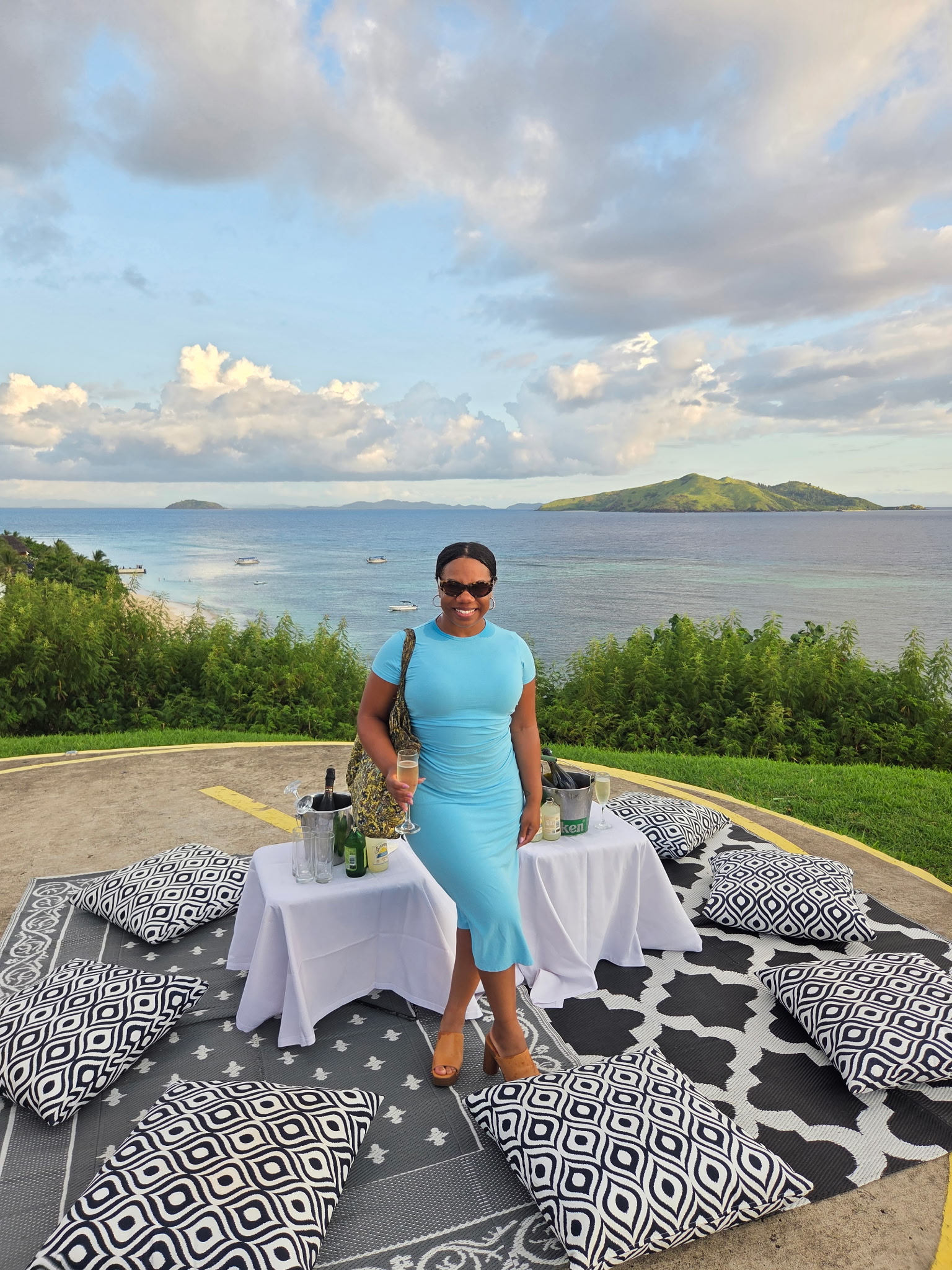
The next day, after lounging the entire afternoon on the beach, I participated in a garland-making class, which in Fijian culture is also known as a salusalu, a cultural symbol of respect, love, and hospitality, often presented to guests to signify a warm welcome. After class, I had several spa treatments at the Tokoriki Retreat Spa, including a deep-tissue and foot massage. To end the restful day, I crafted cocktails at the resort’s private helipad, typically reserved for VIP arrivals.
To end my wonderful time in Fiji, I observed the staff at the Sheraton Resort & Spa, Tokoriki Island, beautifully sing their traditional farewell song, “Isa Lei,” which represents heartfelt sorrow, gratitude, and enduring love. The song is designed to evoke an intimate emotional connection rather than just a simple goodbye, emphasizing cherished memories, warm hospitality, and the hope of a future reunion – and trust me, I do hope to return to Fiji.
My trip to Fiji rekindled my passion for travel, and reminded me that the simple things in life that really matter, like togetherness, community, and being grateful for life itself. I am grateful for my time in Fiji, as it reminded me of the purpose of world travel: to be connected to others through personhood and spirit.