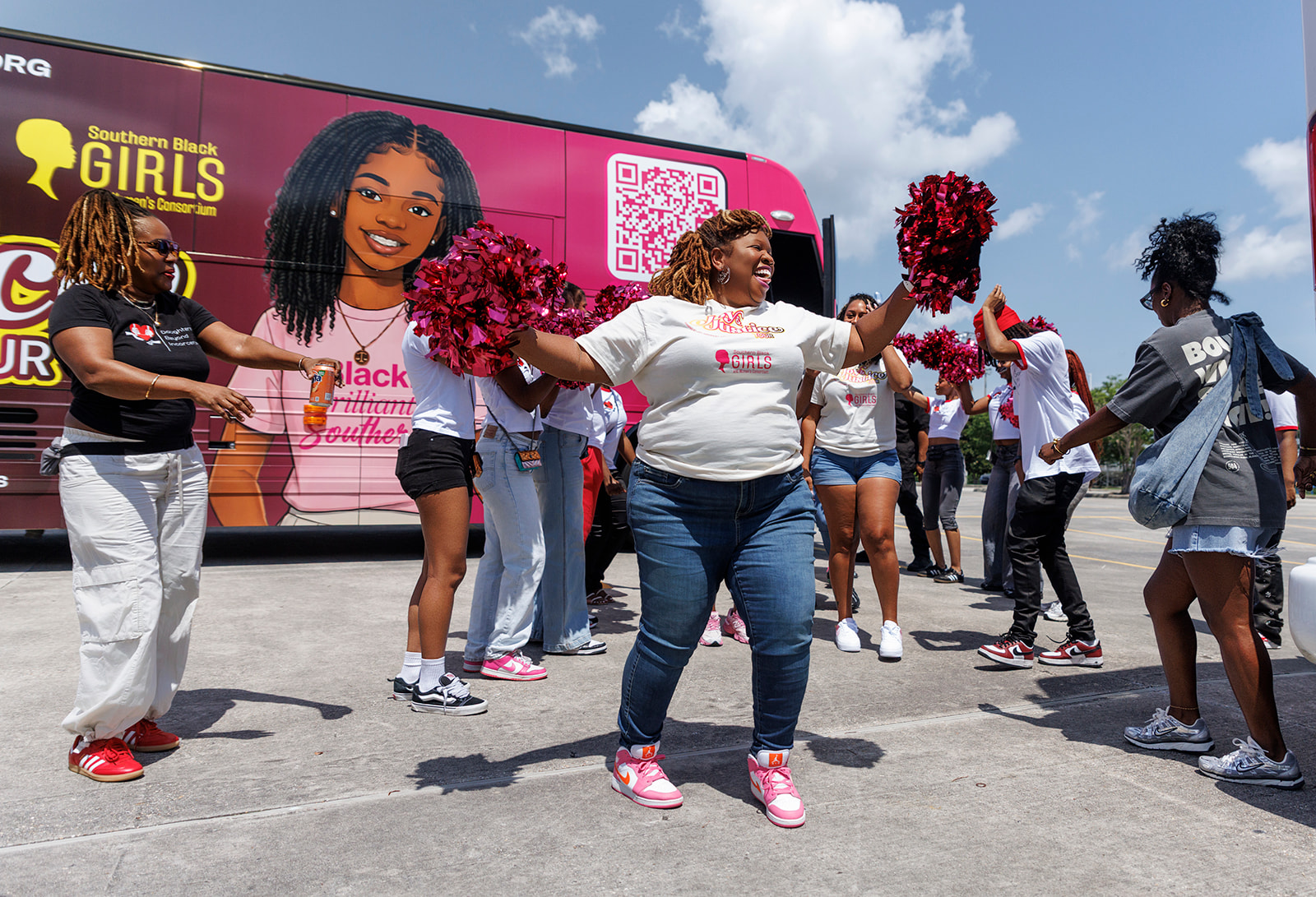
At a time when Black women and girls are actively losing civil rights and facing increasing social, economic, and healthcare inequity, organizations like the Southern Black Girls and Women’s Consortium are stepping up to the plate, sharing much-needed resources across 13 Southern states. The consortium is an intermediary fund; it directs donor resources to organizations that support Black women and girls.
It has facilitated grants for groups like EveryBlackGirl, Inc., Operation Taking Back 901, and 250+ more that work directly with communities to fight inequity, awarding $11.4 million since its founding.
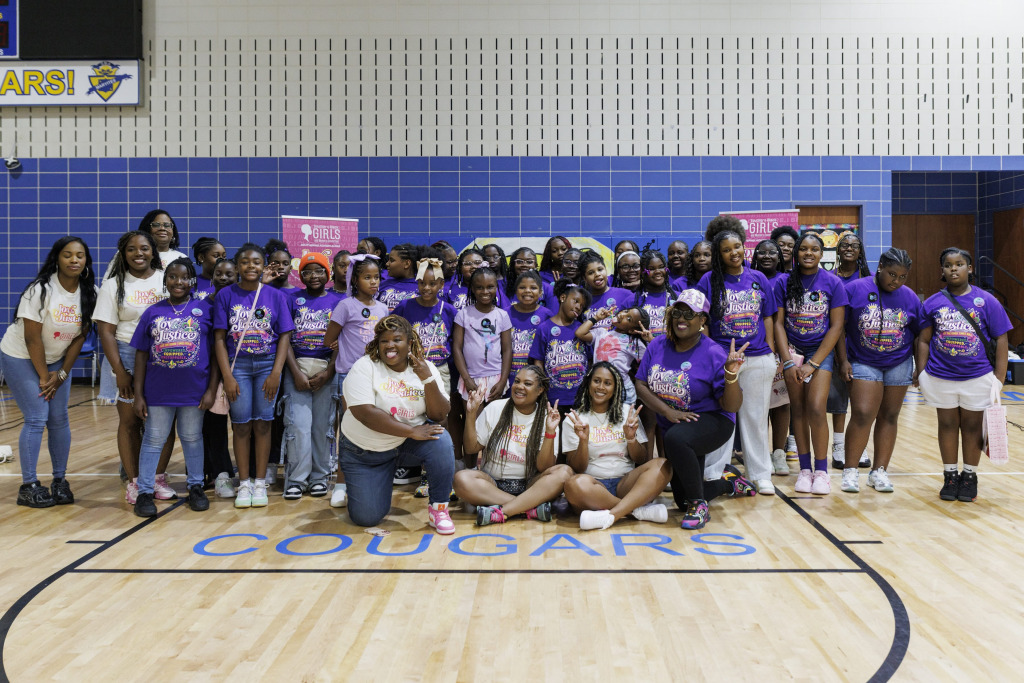
On June 18, the consortium kicked off the Joy and Justice Tour in Jackson, Mississippi, an opportunity to build solidarity and share resources for women across nine states. We spoke to executive director Chanceé Lundy about how the organization is supporting Black women and girls ahead of the midterms.
EBONY: Last year was your first year as executive director and you were able to accomplish some impressive goals. The consortium gave a total of 1.2 million dollars and you established the Black Girls Defense Fund. This year, Black women are experiencing growing unemployment, concurrent maternal and mental health crises and more. What work are you doing, as the stakes get higher, to counteract issues like these?
Chanceé Lundy: I came in in a year in which the federal government took away a lot of the resources that organizations we support depend on. Many foundations became scared of this new administration and what it might mean for them, so they stopped giving to anything that had race or gender in the name. It was a time for us to come out even stronger in our communities. We went to donors and asked for more resources. We’re trying to stabilize organizations right now so they don’t have to close and they can continue to provide the vital resources in our community.
You wrote an open letter in April 2026 titled “Don’t Take No Wooden Nickles” in response to the gutting of the Voting Rights Act. In it, you said, “Joy is not a luxury. Joy is a strategy.” Can you talk a little bit about that perspective and the strategy behind your upcoming Joy and Justice Tour?
I think that joy is what fuels us. It’s why I get up in the morning. It’s why I do the work that I do. It’s because of joy. It’s not because of some oppressive system. It’s that joy that gives me the fuel to fight the oppressive systems that are around us. Our Joy and Justice tour is going across nine cities across the South, where we are having these festival-style experiences to amplify what’s going on in our communities, but also to celebrate and to have fun. We’ll also continue to do our Black Girl Joy Challenge, where we put money directly in the hands of girls who are bringing joy to their communities. When others are shrinking back, we say, ‘No, I see you.’ We’re going to fight for you still.
With the midterms coming up, many of these issues will be on the table. What kinds of goals are you setting? How do you hope to mobilize and connect women?
Right now, Black women are being targeted. So we have to be the answer to that and have to let them know what’s happening.
When you talk about right wiping out possibly a third of the Congressional Black Caucus, that is going to have implications across the country in terms of what our federal legislators are voting on, in terms of what happens to our own community.
In North Carolina, the Republican legislature vetoed any DEI initiative that the governor put forward. So, even though you may have democratic leadership at the top fighting for something, you have a Republican legislator who would block that. So, it’s not just our federal legislators. It’s our local legislators as well. It’s our school boards. We have to be involved at all levels.
The next stop on the Joy & Justice tour is July 10 in Fort Lauderdale, Florida; the tour ends September 27 in Charlotte, North Carolina.