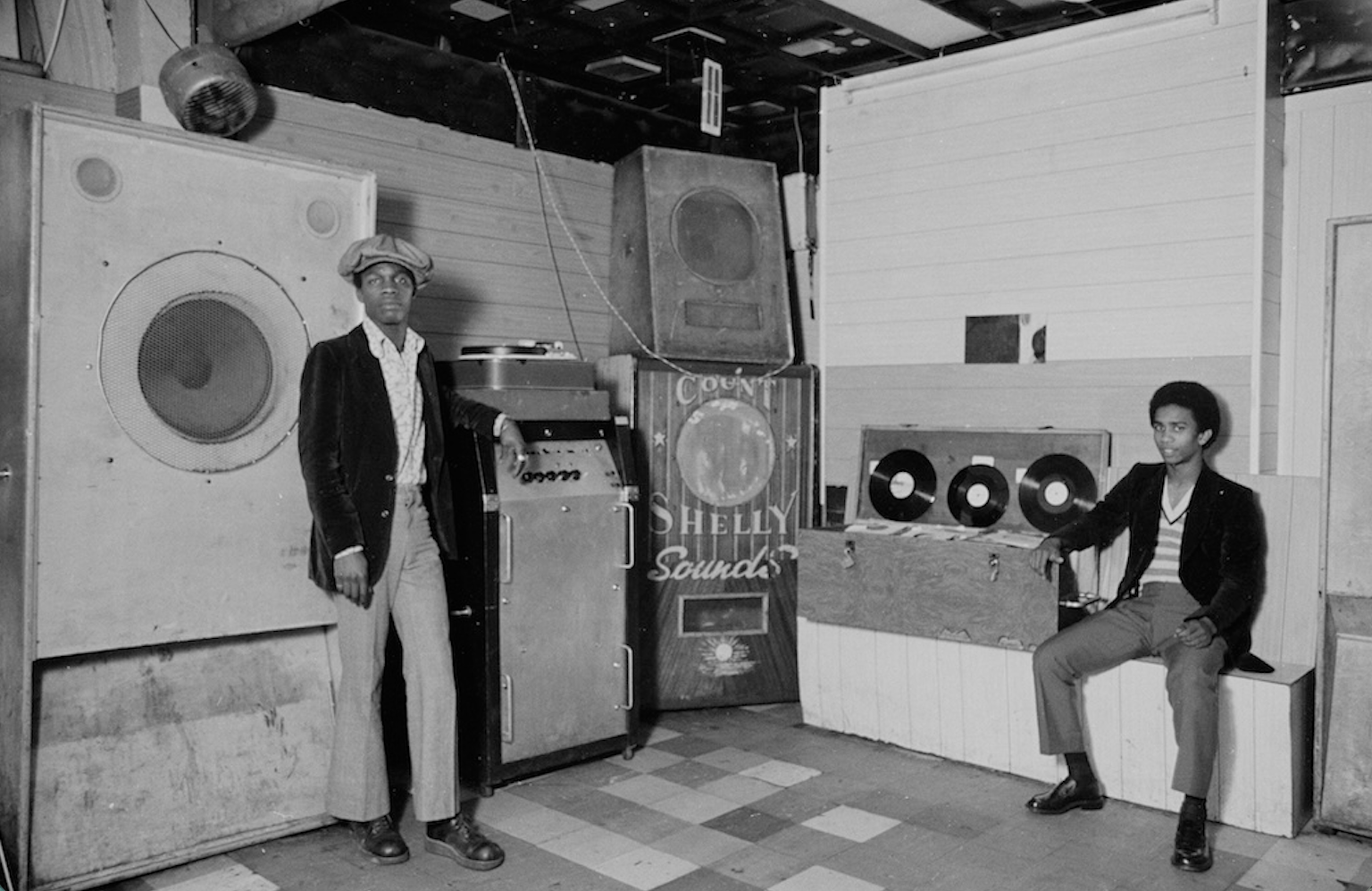
My grandfather hums. It’s the thing I notice most when I’m with him, and have come to appreciate. He moved to England from Barbados in 1960 before later settling in the United States, crossing oceans the same way music has, which is probably why his record collection is so impressive, and his penchant for tunes across genres is even more so.
When I stepped into The Music is Black: A British Story at London’s new V&A East Storehouse museum space, I thought of him.
The exhibition spans 125 years of Black music-making in Britain and around the world: 200 objects and over 120 tracks playing through your headset as you move through it. It draws seamless connections across genres, from the gospel that “set the vocal standard for all contemporary music to come” to the calypso tunes that remind me of my family’s backyard parties.
Growing up in New York, I had never had the full scope of Black Britain’s contribution to the music I love mapped out for me so clearly. Having newly moved to London and claimed my British citizenship — thanks to my mom being born in England — the history is now right in front of me: on the streets of neighborhoods near me, like Brixton and within the walls of this exhibition.
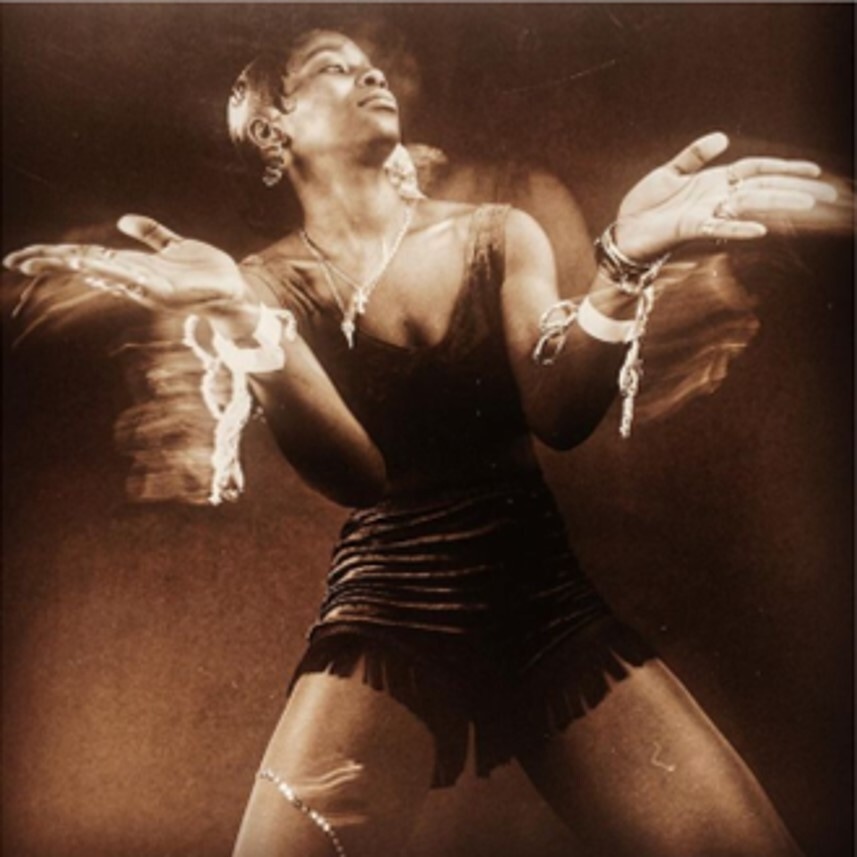
Image: © Jennie Baptiste
Sound as Survival
A 1963 photograph shows a London march led by Trinidadian activist Claudia Jones and Tobagonian actor Pearl Prescod in solidarity with the American Civil Rights Movement’s March on Washington. Jones also organized Britain’s first indoor Caribbean carnival in the aftermath of the 1958 race riots, and by 1966, social worker Rhaune Laslett brought that spirit outdoors to the streets of Notting Hill. It would become Europe’s largest street festival. Linton Kwesi Johnson was channeling that same defiance through dub poetry, writing from Brixton about police brutality, racism, and the cost of being Black in Britain.
In 1948, Trinidadian musicians carried calypso across Britain on the HMT Windrush. Among the pioneers the exhibition honors is Lord Woodbine, a calypso musician who settled in Liverpool, founded the All Caribbean Steel Band, and hosted a young group called The Silver Beetles at his club before they became The Beatles — later driving them to Hamburg for one of their first major performances.
These are just two of many examples where Britain’s vital role in music and history is on full display.
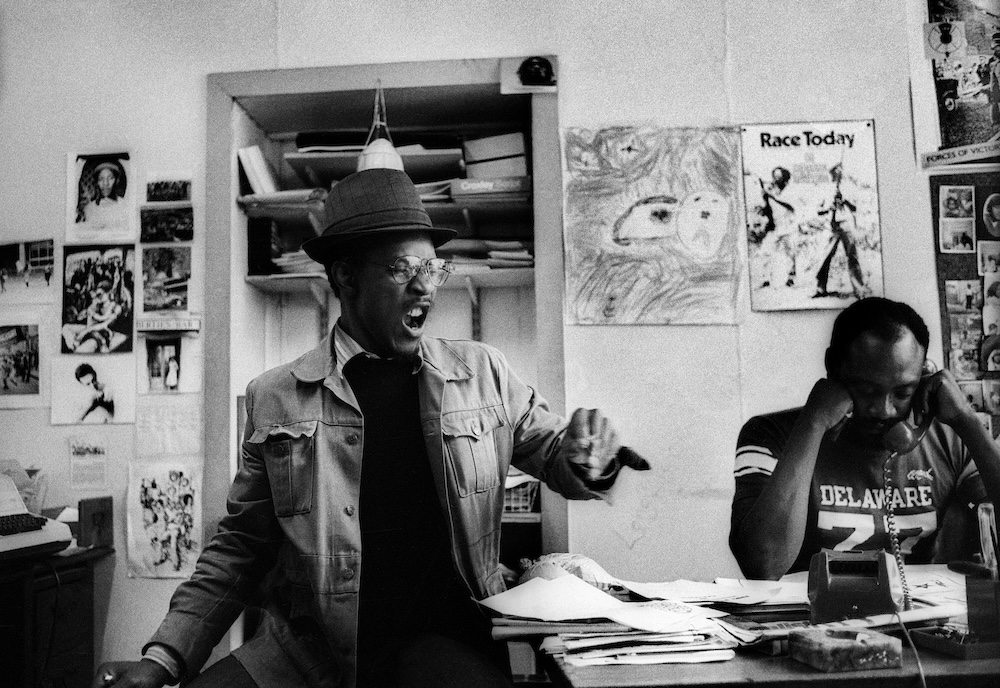
Image: Adrian Boot, urbanimage.tv
Hollywood Stars & the Unsung Heroes
Prominently displayed across a well-lit wall is a mural spotlighting background performers. It notes these artists “have often been teachers to their famous collaborators.”
In another room stands Shirley Bassey’s gold sequined gown from the 2013 Oscars, the dress she wore performing the James Bond tribute. Cardiff-born and BBC-banned as a teenager for a song deemed too suggestive, she went on to record more Bond themes than any other artist. My grandfather was humming Shirley Bassey just the other day as he made breakfast while I worked on my mom’s kitchen bar. He was pleased to know a portion of the exhibition was dedicated to her.
The Great Evolution
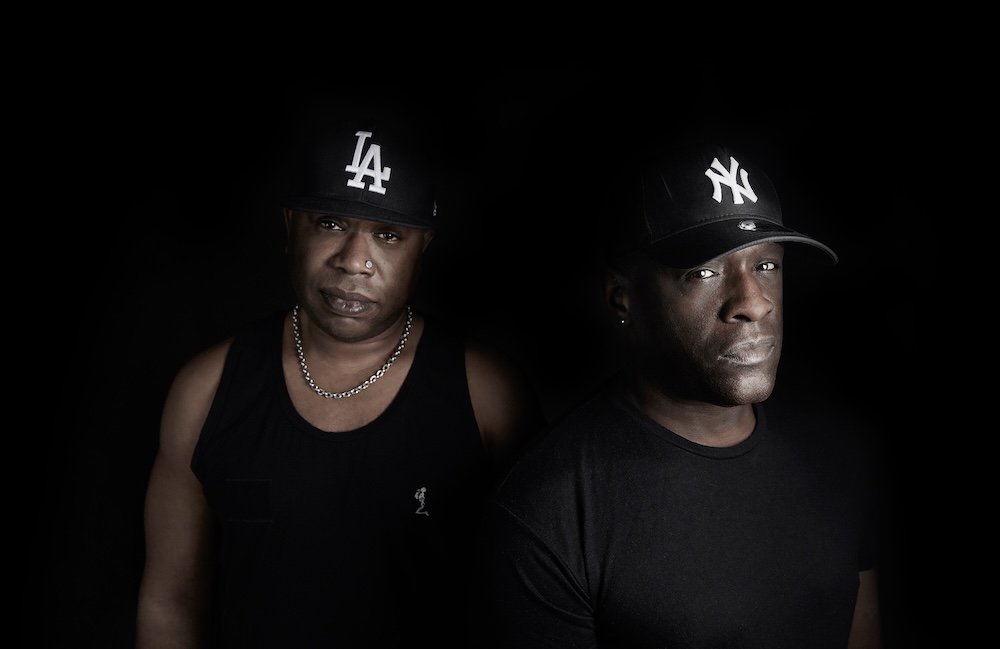
The exhibition excels at showcasing how gospel and blues bled into reggae and Lovers Rock, which gave way to 2 Tone, each sound shaped by the era it was born into. Then came disco, house, and ragga, inspiring even newer genres like jungle and drum & bass. UK Garage and Grime emerged as distinctly British takes on R&B and hip hop, powered by artists like Craig David, So Solid Crew, Wiley, Skepta, and Stormzy. Ms. Dynamite and Little Simz would also emerge, bringing unique flair to rap, R&B, and neo-soul. The evolution hummed in my ears as I walked from room to room, drawing my own parallels.
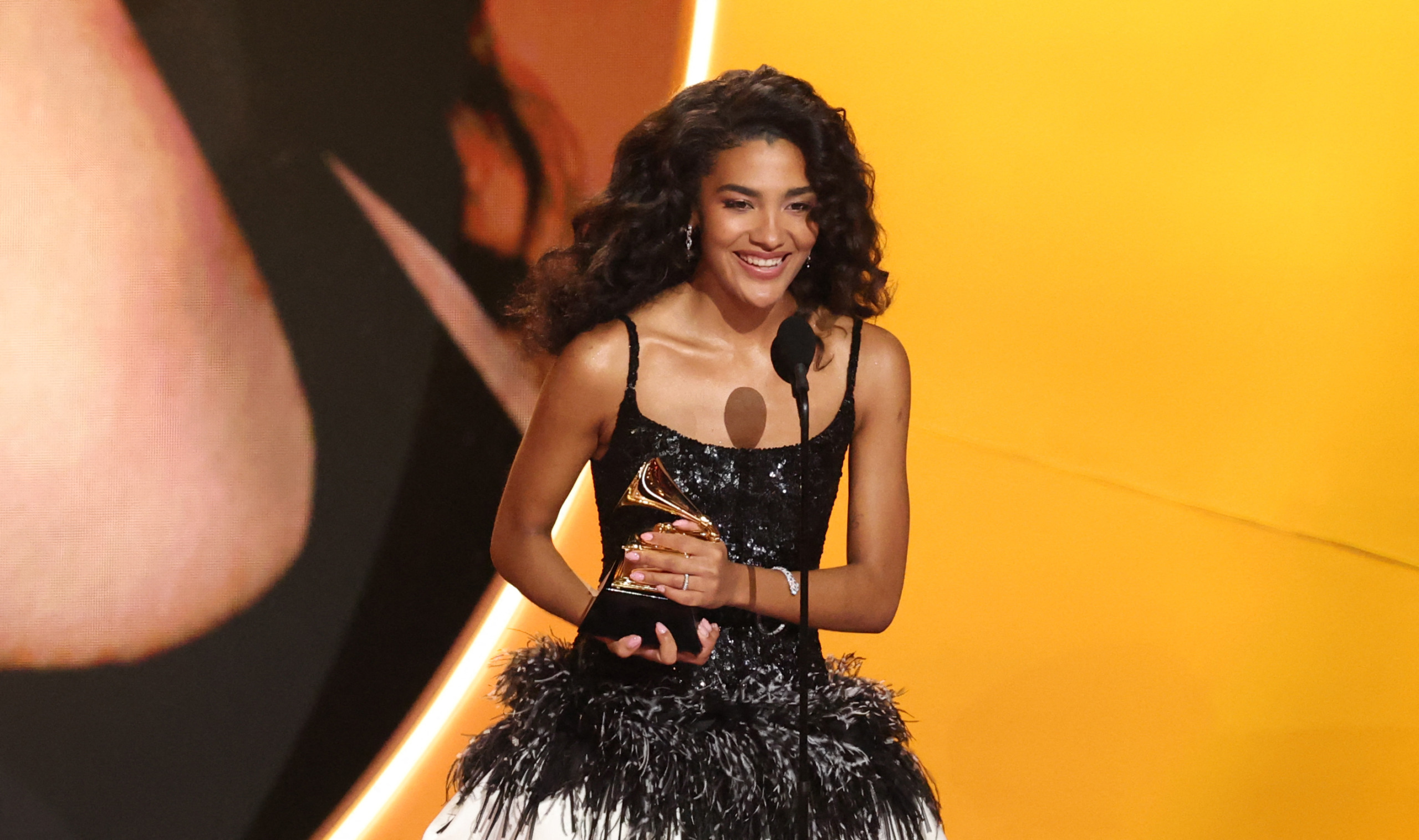
Image: Frazer Harrison/Getty Images.
The Continuum
Rising artists like Olivia Dean crossed my mind as I walked out. At the 30th MOBO Awards, she swept Album of the Year, Song of the Year, and Best Female Act. Dean said: “It’s not just about celebrating Black British music, but encouraging it for the next generation.” (I’d be remiss not to mention that the exhibition gives MOBO, Music of Black Origin founder Kanya King her well-deserved shine, too.)
In her acceptance speech for Best New Artist at the 2026 Grammy Awards, Dean also reflected on being the granddaughter of Guyanese immigrants and the product of their bravery. I played her in the car for my grandfather, back in New York, not long after visiting the London-based exhibition, making that communal connection of family and song.
The Music is Black runs at the V&A East until January 3, 2027, but the message it so beautifully conveys lives on in artists like Dean: the purveyors of joy, resistance, and reinvention through brilliant art.