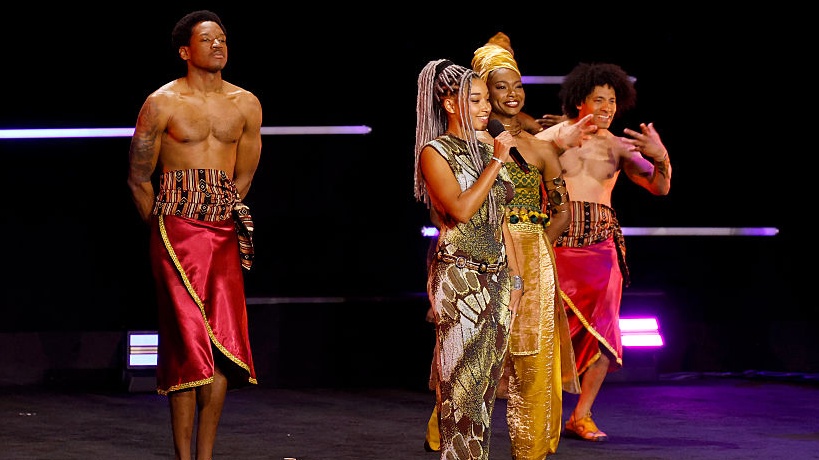
Before it became one of Hollywood’s most anticipated fantasy films, Children of Blood and Bone was a cultural phenomenon. Tomi Adeyemi’s bestselling “Legacy of Orïsha” series helped redefine what blockbuster fantasy could look like, centering dark-skinned Black girls, Yoruba mythology and West African traditions in a genre long dominated by European folklore.
For many readers, the novels became more than bestselling YA books; they were proof that African-inspired fantasy could command audiences and reach a broader global audience through film. Which is why Adeyemi’s decision to publicly withdraw her support for the adaptation has resonated far beyond the fans. In doing so, she has sparked a broader conversation about how much creative control authors, particularly Black creators whose work is deeply rooted in culture and history, retain once their stories go Hollywood.
How did one of the most anticipated Black fantasy adaptations become mired in controversy? EBONY breaks it down.
What is Children of Blood and Bone?
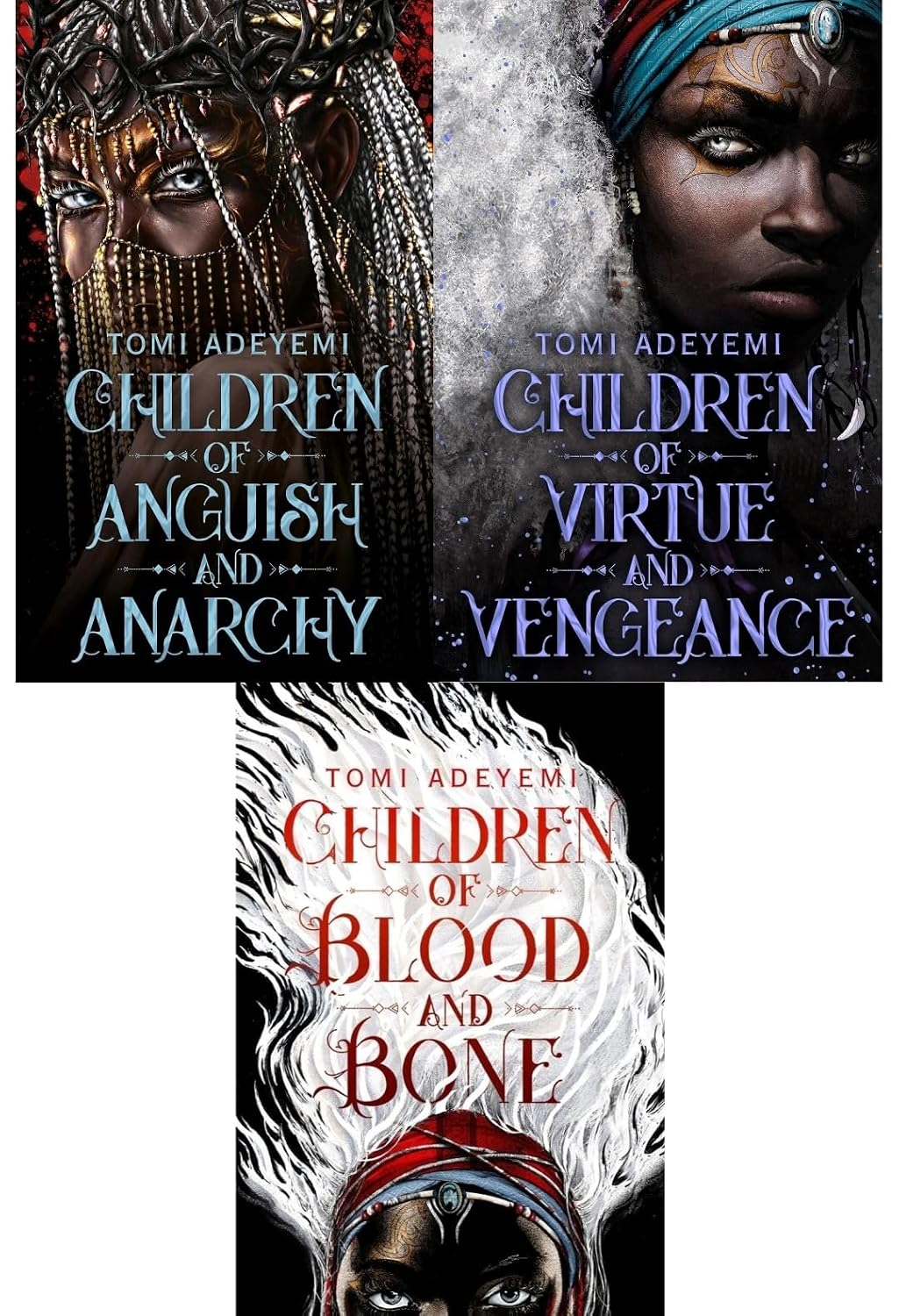
Children of Blood and Bone is the first novel in the Legacy of Orïsha fantasy series by Nigerian American author Tomi Adeyemi. Set in the fictional kingdom of Orïsha, the story follows Zélie Adebola, a young woman fighting to restore magic after an oppressive king violently suppresses the maji, people born with magical abilities. The bestselling YA fantasy series currently consists of three novels: Children of Blood and Bone, Children of Virtue and Vengeance and Children of Anguish and Anarchy.
When did it become a film?
Even before Adeyemi’s first book, Children of Blood and Bone, was published in 2018, the adaptation was already a Hollywood hot property. Fox 2000 Pictures and Temple Hill Entertainment optioned the film rights in March 2017, but the project eventually landed at Paramount Pictures. In December 2023, Gina Prince-Bythewood signed on to direct while continuing development of the screenplay alongside Adeyemi, who was also attached as an executive producer.
The First Controversy
Casting officially began in 2025, with South African actress Thuso Mbedu cast as Zélie Adebola, the story’s heroine. Additional casting announcements included Amandla Stenberg as Princess Amari. While Amari is described in the novel as having a dark copper complexion that contrasts with darker-skinned characters, many fans argued the role should have gone to a dark-skinned actress because of the story’s broader themes around colorism and Black representation — especially since her mother pressures her to lighten her complexion. Many readers felt that the casting of Stenberg undermined one of the novel’s core themes. Stenberg has previously faced similar criticism from some fans over roles they believe should have gone to dark-skinned Black actresses.
The actress addressed the backlash in a TikTok posted in February 2025, saying they understood the concerns surrounding colorism while rejecting the notion that they intentionally “steal roles from dark-skinned women.” They also revealed that Adeyemi had privately expressed support for the casting and told them they had inspired elements of the series, which helped convince them to accept the role.
First Looks
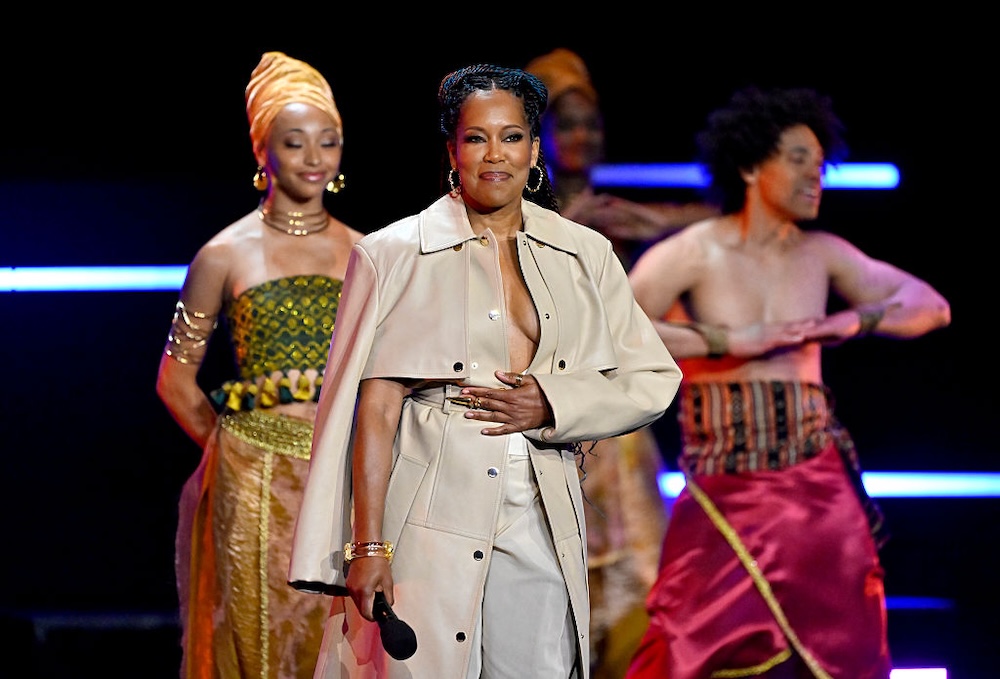
The first footage from Children of Blood and Bone debuted during CinemaCon 2026, with the trailer reportedly showcasing the African-inspired fantasy world of Orïsha’s landscapes and large-scale battle sequences, along with the film’s all-star cast, including Mbedu, Viola Davis, Damson Idris, Idris Elba, Regina King and Chiwetel Ejiofor. Early reactions were positive, praising the film’s epic scale and celebrating a big-budget fantasy centered on Black characters. Longtime fans continued to hope the adaptation would remain faithful to Adeyemi’s vision.
Adeyemi Pulls Support
@tomi.adeyemi ✨🐉 for everyone’s who’s been asking – i’m answering this question once and for all. #childrenofbloodandbone #tomiadeyemi #booktok #blackbooktok ♬ original sound – shaalo_
On July 5, 2026, Adeyemi posted this emotional TikTok after a fan asked why she had stopped promoting the upcoming film. She replied, “There is a reason I will not post anything about the adaptation of my work.”
The author shared screenshots of messages with Stenberg, revealing that she had asked the actor not to mention her in interviews and had blocked her. Adeyemi also disclosed that she has not seen the finished film and does not plan to watch it.
Without going into deep detail, Adeyemi said she experienced years of painful behind-the-scenes conflict and creative disagreements, adding that the public perception that she maintained creative influence over the adaptation “is a lie.” Although she co-wrote early drafts of the screenplay and served as an executive producer, she said the filmmakers ultimately made the final decisions.
As for the Other Books?
Paramount has acquired the rights to adapt the entire Legacy of Orïsha trilogy, including Children of Virtue and Vengeance and Children of Anguish and Anarchy. Adeyemi’s public decision to distance herself from the franchise has left many fans wondering what her role — if any — will be in its future installments.
For many fans, Children of Blood and Bone was that moment for Black fantasy, a genre that has historically struggled to receive the same blockbuster investment as fantasy stories rooted in European mythology. Drawing from Yoruba spirituality, West African traditions and Black history, Adeyemi’s fictional world of Orïsha was not only a bestselling YA series; it was the opportunity to see them represented on the big screen. Adeyemi has not asked fans to boycott the film.
While some support Adeyemi’s decision to part ways, others note that many writers don’t have the final say on their projects once they go to the screen, and that releasing a personal interaction with Stenberg seemed like a personal vendetta.
While the future films may still move forward under Paramount, some fans worry that the original voice and vision of Orïsha could be diminished on screen. Others fear the controversy surrounding one of the most high-profile Black fantasy adaptations in recent years could influence how studios view the commercial viability of future Black fantasy franchises, making it more difficult for similar projects to secure the financial backing needed to reach theaters.
And others say nothing will stop them from seeing the film.
Children of Blood and Bone hits theaters in early 2027.