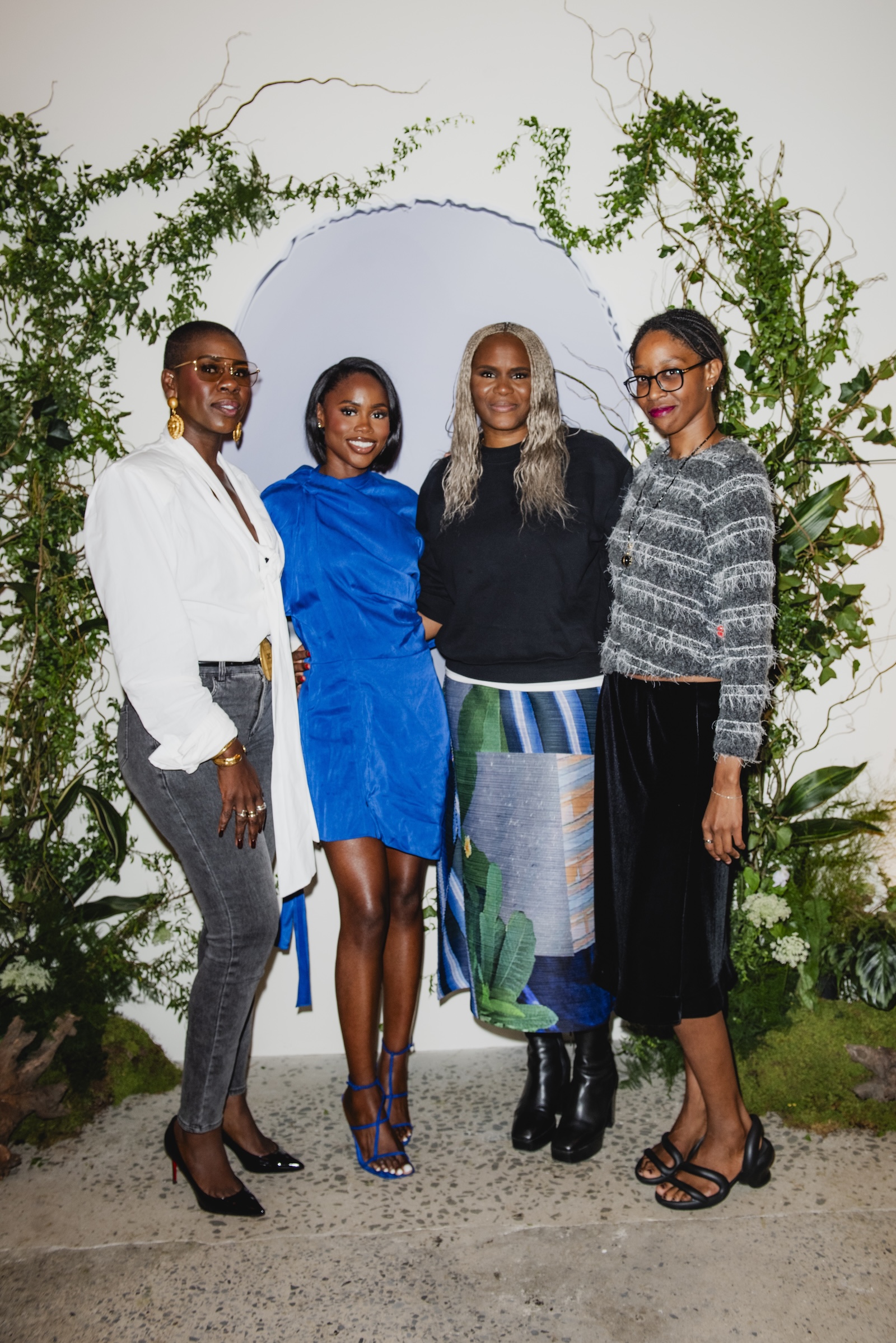
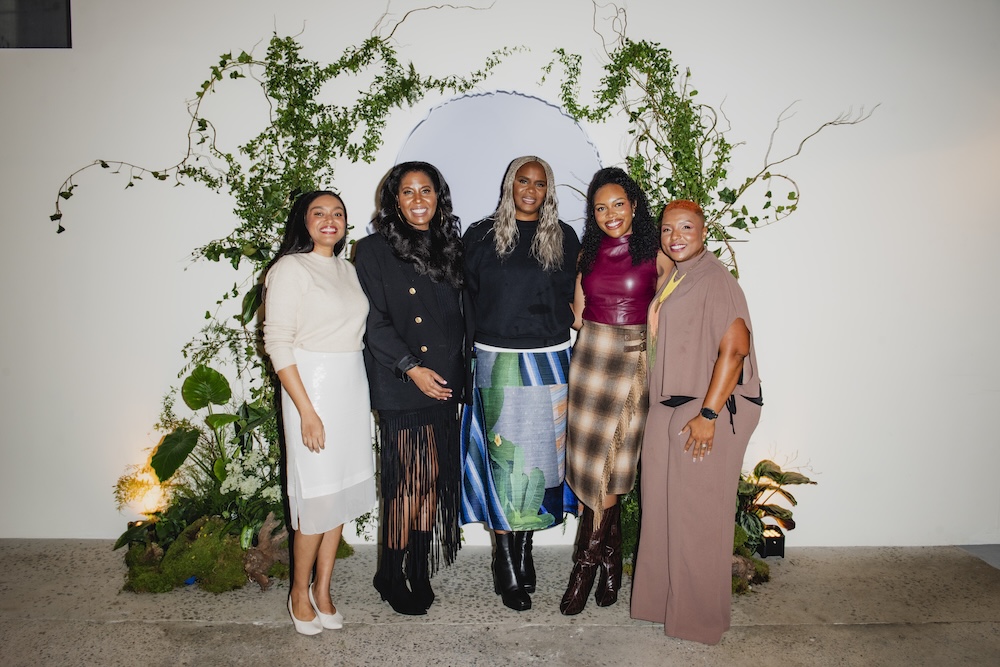
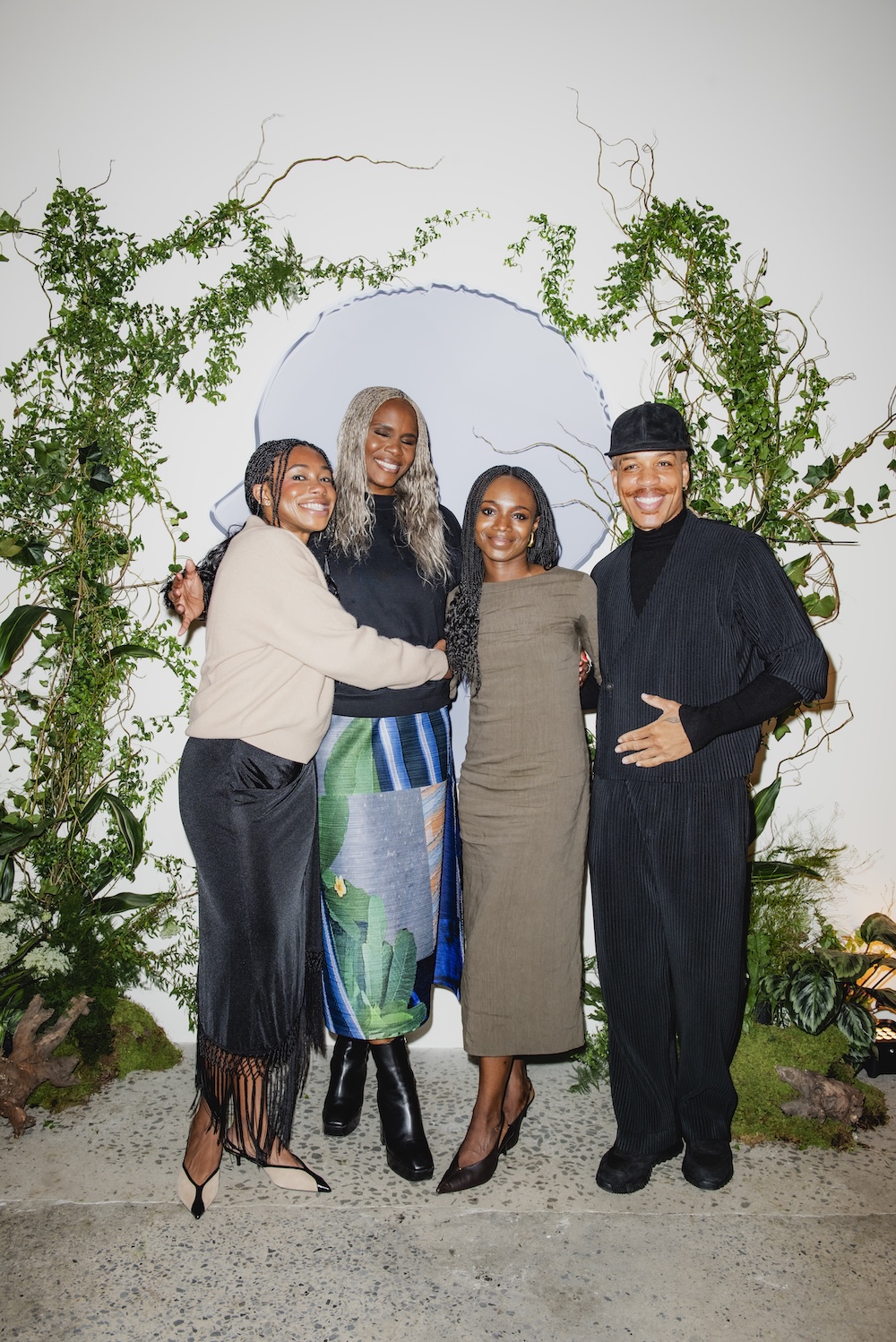
On October 16, The Black Beauty Club hosted its inaugural Black Beauty Global Forum in Brooklyn, bringing together 80 founders, executives, investors, creators and cultural leaders from North America, Europe, Africa and the Caribbean. Across five conversations examining consumer spending, technology, sports, artistry and ownership, one question remained central: Who is actually benefiting financially from the global influence of Black beauty?
As diversity, equity and inclusion initiatives face corporate rollbacks, spaces dedicated to advancing Black beauty professionals have become increasingly important. But representation without investment or ownership can only take an industry so far. That distinction was central to The Black Beauty Club, the beauty intelligence and cultural platform founded by Tomi Talabi during the COVID-19 pandemic. What began as a collective connecting Black founders, creators and entrepreneurs has evolved into a platform examining the economic infrastructure behind the culture and how those shaping beauty can secure a greater stake in its future.
Unlike initiatives that celebrate Black beauty only during designated cultural moments, Talabi’s work extends throughout the year. The forum expanded that mission, shifting conversations beyond visibility toward capital, technology and ownership. Black consumers have spent decades influencing beauty trends and global marketing campaigns. The question now is whether that influence translates into sustainable economic power.
Held at Brooklyn’s Lighthouse Campus theater, the event explored Black beauty beyond an American perspective. “I think people tend to look at it from the perspective of just America and then sometimes Africa, but Blackness exists across all the continents, so we wanted to have a full conversation around this,” Talabi explained.
The forum also featured an interactive beauty experience with YSL Beauté, including shade matching, makeup applications and consultations with beauty experts. Beyond the networking opportunities, however, the day’s most compelling moments challenged how the industry measures, markets to and invests in Black consumers.
The Global Black Beauty Economy
Black consumers have considerable purchasing power, but understanding their influence globally requires looking beyond American spending habits.
Moderated by Edelman’s Amina Colter-Jones, the opening discussion featured Christal Alert, founder of Tonal Cosmetics; Dr. Nicole Ellis of NielsenIQ; Sochima Mbadugha, president of Topicals; and Subuola Oyeleye, founder of Beauty Hut Africa.
According to NielsenIQ figures discussed during the panel, U.S. Black consumers spend approximately $16.2 billion annually on beauty, while Black women represent roughly 4.2% of the female population yet account for 10% of hair care spending. The conversation also highlighted a reported 14% increase in beauty spending across Africa and the Middle East.
Ellis emphasized the diversity within the Black consumer population, citing approximately 48.4 million Black Americans across immigrant, multiracial, Caribbean and Hispanic or Latino identities. Brazil alone has more than 112 million people identifying as Black or mixed race, demonstrating why brands must move beyond treating Black beauty as one consumer category.
For companies expanding internationally, understanding differences in climate, hair texture, skin physiology and cultural identity is essential. Mbadugha encouraged greater cultural appreciation that acknowledges the origins of Black beauty practices while creating commercial opportunities.
Oyeleye summarized the conversation best: “Black beauty is an economic force within its own right.”
Black Hair’s Innovation Era
Black hairstylists have developed techniques and products that have influenced the broader beauty industry for generations, often without receiving the financial recognition their expertise deserves. Now, entrepreneurs are transforming that knowledge into technology and intellectual property.
Moderated by The Black Beauty Club’s Utibe Mbagwu, the discussion featured Candace Mitchell, co-founder of MYAVANA; Yinka Ogunbiyi, founder of Halo; and celebrity hairstylist and creative engineer Vernon François.
One standout innovation was Halo Braid, a technology designed to assist with labor-intensive braiding. Developed through approximately 700 prototypes, the device can reportedly reduce an eight-hour appointment to four hours. Beyond efficiency, it addresses the physical demands placed on braiders, including repetitive strain and long working hours.
Meanwhile, MYAVANA uses artificial intelligence and diagnostics to personalize textured hair care. The company has analyzed more than two billion hair strands and developed over 972 Hair IDs, moving beyond traditional hair typing systems to better understand individual needs.
Both founders emphasized that technology should support hairstylists rather than replace them. François stressed the importance of collecting meaningful data about lived experiences with hair to improve professional education.
“We have to learn to speak to everyone so everyone wins,” François said.
As Black hair expertise becomes proprietary technology, entrepreneurs have opportunities to own the innovations they introduce rather than watching larger corporations capitalize on them.
The Creator Paradox: Cultural Relevance vs. Commercial Risk
Black creators have become indispensable to beauty marketing, but their cultural influence does not always translate into financial security or negotiating power.
Moderated by Politics & Fashion creator Tashira Halyard, the discussion featured Fatou N’Diaye, Eni Popoola and Nimay Ndolo, who examined the complicated relationship between authenticity, audience trust and brand partnerships.
N’Diaye, joining from Paris, discussed how America’s retreat from DEI initiatives is affecting Black creators in France. Decisions made by multinational corporations can influence casting, advertising campaigns and paid opportunities internationally, demonstrating how quickly American corporate policies reshape opportunities abroad.
For Popoola, understanding the value of a creator’s audience is essential when approaching commercial relationships.
“Your presence and name means something, but it’s not so much about viewing a brand partnership as a reward,” she explained. “But as a way to tap into the relationship you’ve built with your audience and an avenue to build a bigger one.”
The conversation challenged the idea that securing brand deals should be considered a creator’s ultimate achievement. Instead, creators were encouraged to recognize their influence as an asset supporting long-term business growth and independence.
When Beauty Meets Culture: Sport
Women’s sports are experiencing a cultural and commercial transformation, and beauty brands want in. But as companies race to align themselves with athletes, questions about authenticity, compensation and ownership are becoming increasingly important.
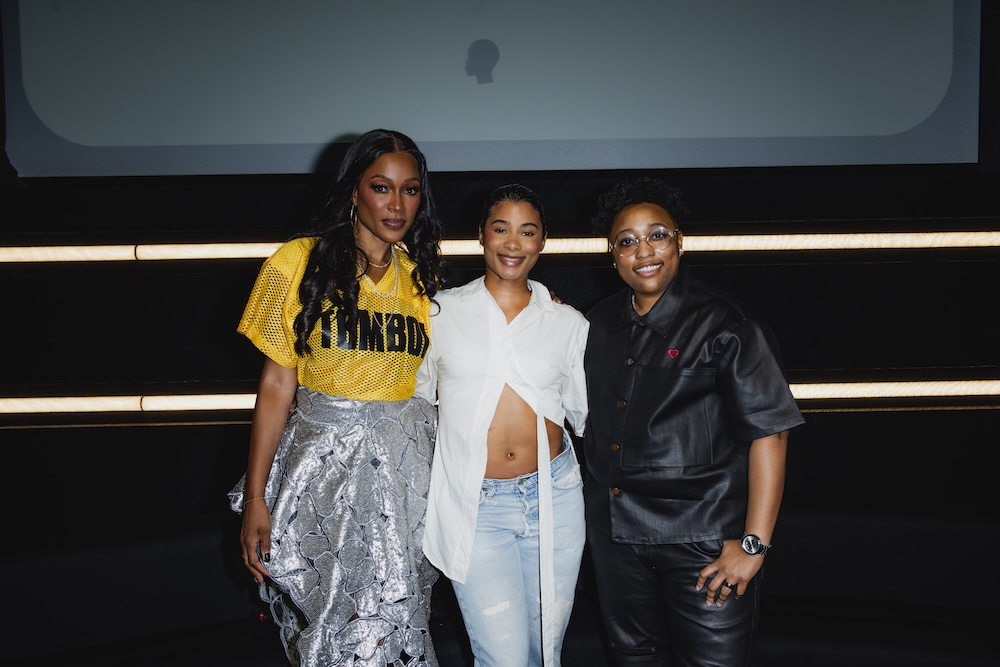
Moderated by journalist Tamara Pridgett, the conversation featured sports journalist Cari Champion and Ogilvy executive creative director Cha Spruce.
According to figures cited in the forum’s press materials, the global sports sponsorship market was estimated at $105.5 billion in 2024 and is projected to approach $190 billion by 2030. As women’s sports attract greater investment, beauty has become an increasingly visible part of athlete identity, from hairstyles and makeup to endorsement partnerships.
For Black women athletes, however, beauty has always been intertwined with self-expression. Long before brands recognized the commercial potential of women’s basketball, athletes were influencing beauty conversations through their personal aesthetics and relationships with fans.
“Black culture is not a moodboard,” Spruce stated, emphasizing the importance of recognizing the communities responsible for creating the cultural relevance brands want to access.
The discussion explored how Black women athletes can move beyond sponsorship agreements toward business creation, ownership and long-term financial opportunities. Champion reinforced the importance of maintaining personal identity rather than conforming to outside expectations.
As beauty companies deepen their involvement in women’s sports, the challenge is ensuring that the women creating cultural value benefit from its growth.
Black Beauty, Artistry and Global Influence
From brown lip liner to undertone matching, Black beauty practices continue influencing mainstream makeup trends. Yet the artists responsible for developing those aesthetics are not always acknowledged when their work reaches global audiences.
Presented with YSL Beauté, the final conversation featured journalist Maya Allen; J. Brandon Correa, YSL’s national makeup artist; and Aubrey Maslen, vice president of DEI communications and partnerships at L’Oréal. Moderated by journalist Kayla Greaves, the discussion examined artistry, cultural influence and commercial recognition.
Correa led a live artistry experience connecting technique and product education with conversations about beauty’s cultural origins. The panel also addressed the importance of developing complexion products that work for Black consumers without requiring them to mix shades or compensate for inaccurate undertones.
Allen reinforced the importance of Black beauty storytelling and ensuring those shaping the industry’s visual language receive proper recognition.
Beyond product development, the conversation examined authorship and cultural credit. When a makeup technique moves from a Black artist’s chair into an international advertising campaign, who receives acknowledgment? More importantly, who benefits financially?
The discussion reinforced that Black artistry is cultural intelligence with measurable commercial value.
The Future of Black Beauty Is About More Than Representation
If one message emerged from The Black Beauty Club’s inaugural Global Forum, it was that Black beauty’s future cannot be measured by representation alone. Visibility matters, but so do access to capital, technological innovation, distribution and ownership.
Across five conversations, the forum demonstrated how Black expertise is becoming a commercial asset, whether through AI-powered hair diagnostics, creator-led businesses, athlete partnerships or artistry influencing global beauty campaigns.
For Talabi, bringing together leaders from across the diaspora created an environment where ideas and relationships could move beyond conversation into action. The gathering made clear that Black beauty is not simply a cultural category or marketing demographic. It is a global economic force with the potential to reshape the industry.
And if Black culture continues influencing what the world buys, wears and considers beautiful, the people behind that influence deserve more than acknowledgment. They deserve a stake in what comes next.