Student loan debt has become an unwelcome lifelong companion for millions of Americans, but a recent legal victory is giving borrowers something to celebrate. On October 21, the Trump administration dropped two appeals seeking to restrict the Public Service Loan Forgiveness (PSLF) program. The decision protects existing eligibility rules for teachers, nurses, social workers and nonprofit employees, including those whose employers could have been targeted under the administration’s proposed restrictions.
Created by Congress in 2007, PSLF allows eligible government and nonprofit employees to have their remaining federal Direct Loan balances forgiven after making 120 qualifying monthly payments while working in public service. That’s approximately a decade of payments, with the promise of eventually walking away from debt that can follow borrowers well into adulthood. More than one million Americans have already received forgiveness through the program.
So, What Was the Legal Drama?
The dispute wasn’t about eliminating PSLF altogether. It centered on who gets to count as a qualifying public service employer.
Under a rule finalized in 2025, Education Secretary Linda McMahon would have gained authority to disqualify organizations deemed to have a “substantial illegal purpose.” The policy raised concerns for nonprofits involved in immigration advocacy, transgender healthcare and diversity initiatives. Employees at disqualified organizations could have stopped earning credit toward their required 120 payments, even while continuing their public service work.
Federal judges in Massachusetts and Washington, D.C., struck down the rule on June 30, finding that the Education Department had exceeded its authority. The administration appealed but withdrew two challenges on October 21.
Here’s what the decision actually protects: The blocked rule remains unenforceable, meaning the Education Department cannot use that policy to strip otherwise qualifying employers of their PSLF status. Existing employer eligibility standards remain in place, protecting borrowers’ ability to earn forgiveness credit through qualifying public service jobs.
One related appeal was still pending as of October 21, so the legal fight isn’t entirely finished. The ruling also doesn’t prevent future attempts to change PSLF regulations.
What Does This Mean for Your Student Loans?
Before you start celebrating a zero-dollar balance, there’s an important distinction. This legal victory does not automatically cancel student loans or change the 120-payment requirement. Borrowers must still satisfy the program’s existing conditions.
Here’s what you should do next:
- Confirm your employer qualifies. Visit StudentAid.gov and use the PSLF Help Tool to verify your employer’s eligibility. Don’t assume your workplace is excluded because of its advocacy or nonprofit mission.
- Check your qualifying payment count. Review your PSLF progress through your Federal Student Aid account. If payments are missing, investigate discrepancies and request a review.
- Certify your employment annually. Submit a PSLF form each year and whenever you change employers to document your qualifying public service work.
- Review your loans and repayment plan. PSLF requires eligible federal Direct Loans and qualifying payments. Check whether your current repayment plan qualifies before making changes, especially if you’re considering consolidation.
- Request forgiveness when eligible. Once you’ve reached 120 qualifying payments and satisfied the employment requirements, submit your PSLF form to request forgiveness. Save your payment records, employment certifications and correspondence.
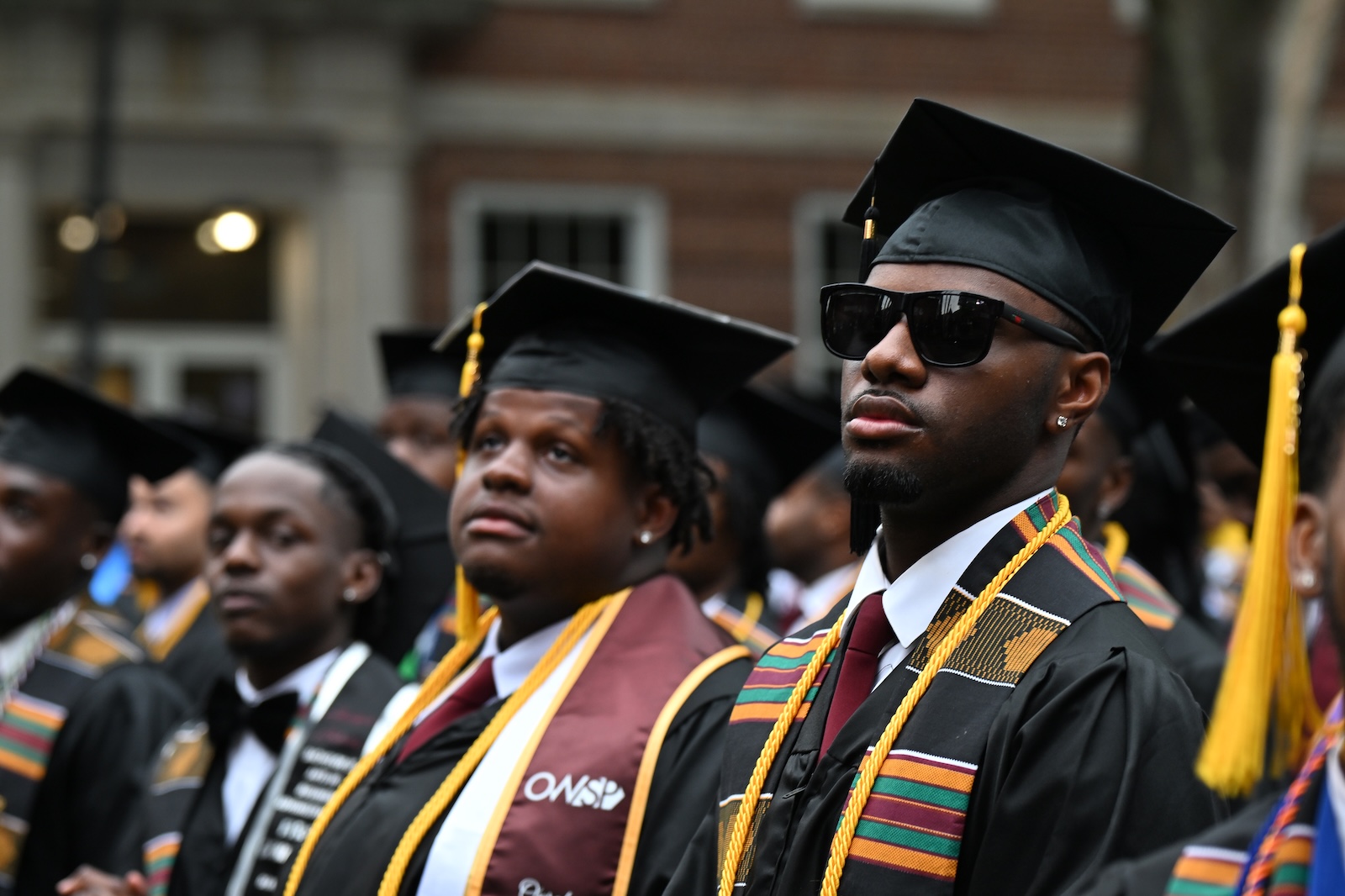
For Black Americans, who disproportionately carry student loan debt, preserving access to PSLF carries particular weight. Higher education has long been positioned as a pathway to economic advancement, yet repayment obligations can delay homeownership, savings and generational wealth building.
The decision doesn’t erase America’s student debt crisis, but it does preserve an important protection: Borrowers shouldn’t lose their path to forgiveness simply because the federal government objects to the work their qualifying employer does. For public servants who have spent years holding up their end of the bargain, that’s a victory worth paying attention to.