A free and independent press is fundamental to holding those in power accountable and ensuring an informed public. However, in recent weeks, U.S. journalists have faced mounting challenges as governmental influence on reporting has raised concerns about the ability of the media to provide comprehensive and diverse coverage.
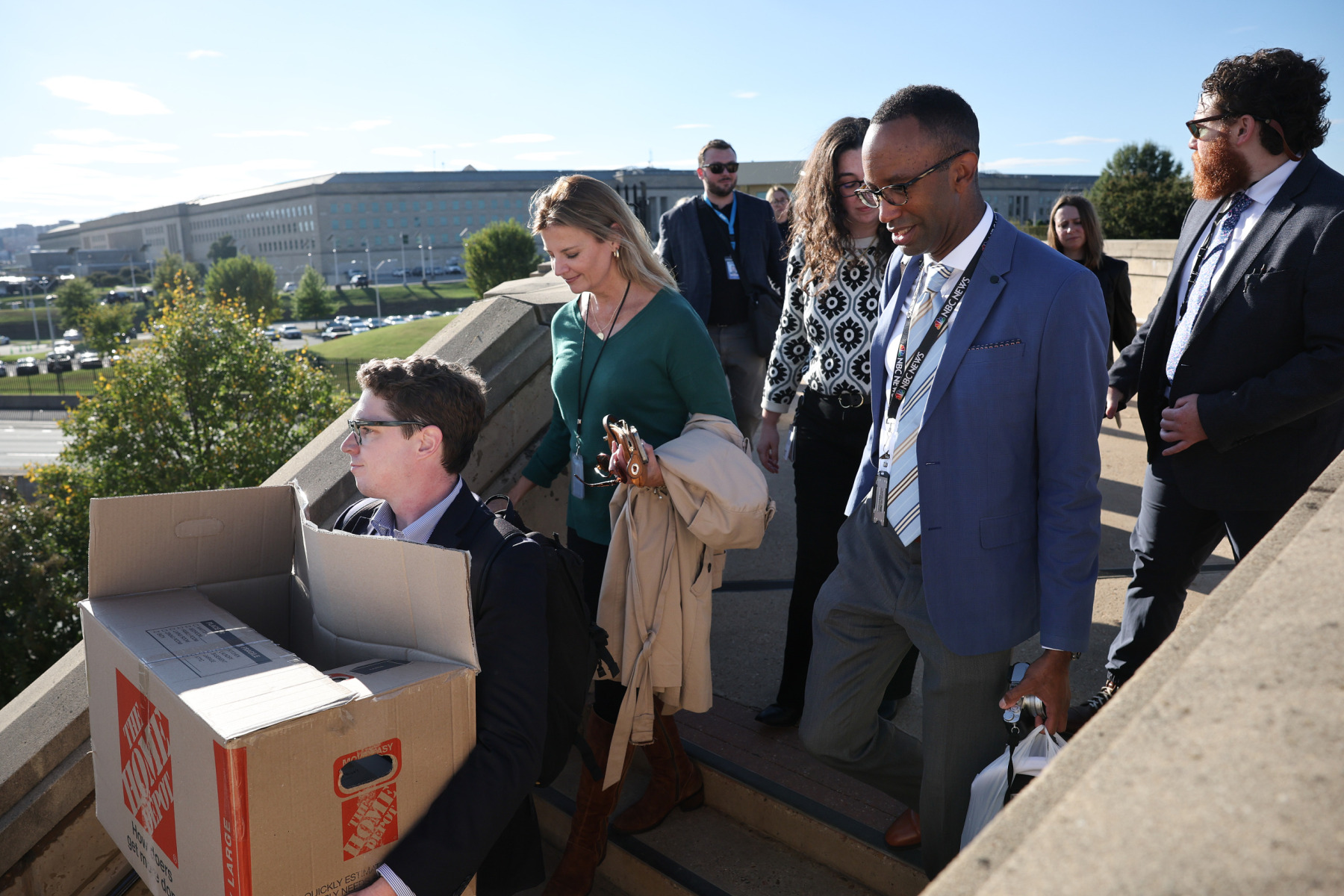
The Pentagon, under Defense Secretary Pete Hegseth, implemented new press policies requiring journalists to obtain prior approval before publishing even unclassified information. Reporters who refused risked losing credentials, prompting dozens from major outlets—including The New York Times, The Washington Post, CNN, NBC News, CBS News, ABC News, Fox News, Newsmax, and Reuters—to surrender their badges rather than comply.
Simultaneously, diversity-focused journalism is being eroded. NBC News recently laid off roughly 150 staffers, including reporters covering Black, Latino, Asian American, and LGBTQ+ communities. Advocacy groups, including the National Association of Black Journalists (NABJ), warn that these cuts diminish representation, reduce coverage of marginalized communities, and limit perspectives critical to democratic oversight.
These newsroom reductions compound the effects of restricted access. As specialized teams disappear, fewer journalists are available to report on the impacts of government policy on underrepresented populations, narrowing the range of stories reaching the public and weakening the press’s watchdog role.
By limiting access for independent outlets and pressuring compliance with restrictive policies, the Trump administration benefits from a constrained press corps and selective coverage, reinforcing its messaging and reducing critical scrutiny.
Experts warn that this dynamic allows certain media organizations to amplify government narratives without fully interrogating the methods used to achieve policy outcomes, effectively normalizing tactics that restrict press freedom and undermine diversity in journalism.
The Pentagon Press Association has condemned new media restrictions, stating that the policy “threatens to punish reporters who ask legitimate questions” and could “impose material harm on our news organizations for factual reporting.” This reflects a broader concern within the journalistic community about the chilling effect these policies may have on investigative reporting.
The convergence of government-imposed restrictions, newsroom layoffs, and media framing of administration policies represents a profound threat to democracy. When independent scrutiny is limited and diverse voices are silenced, the public’s ability to hold power accountable erodes.
A free press is not merely a journalistic principle; it is a cornerstone of democracy. Protecting independent and diverse reporting is essential for ensuring that citizens have the information they need to make informed decisions and hold those in power accountable. The erosion of these safeguards is a warning signal for all Americans: without vigilance, the freedoms that sustain civic life may be permanently compromised.