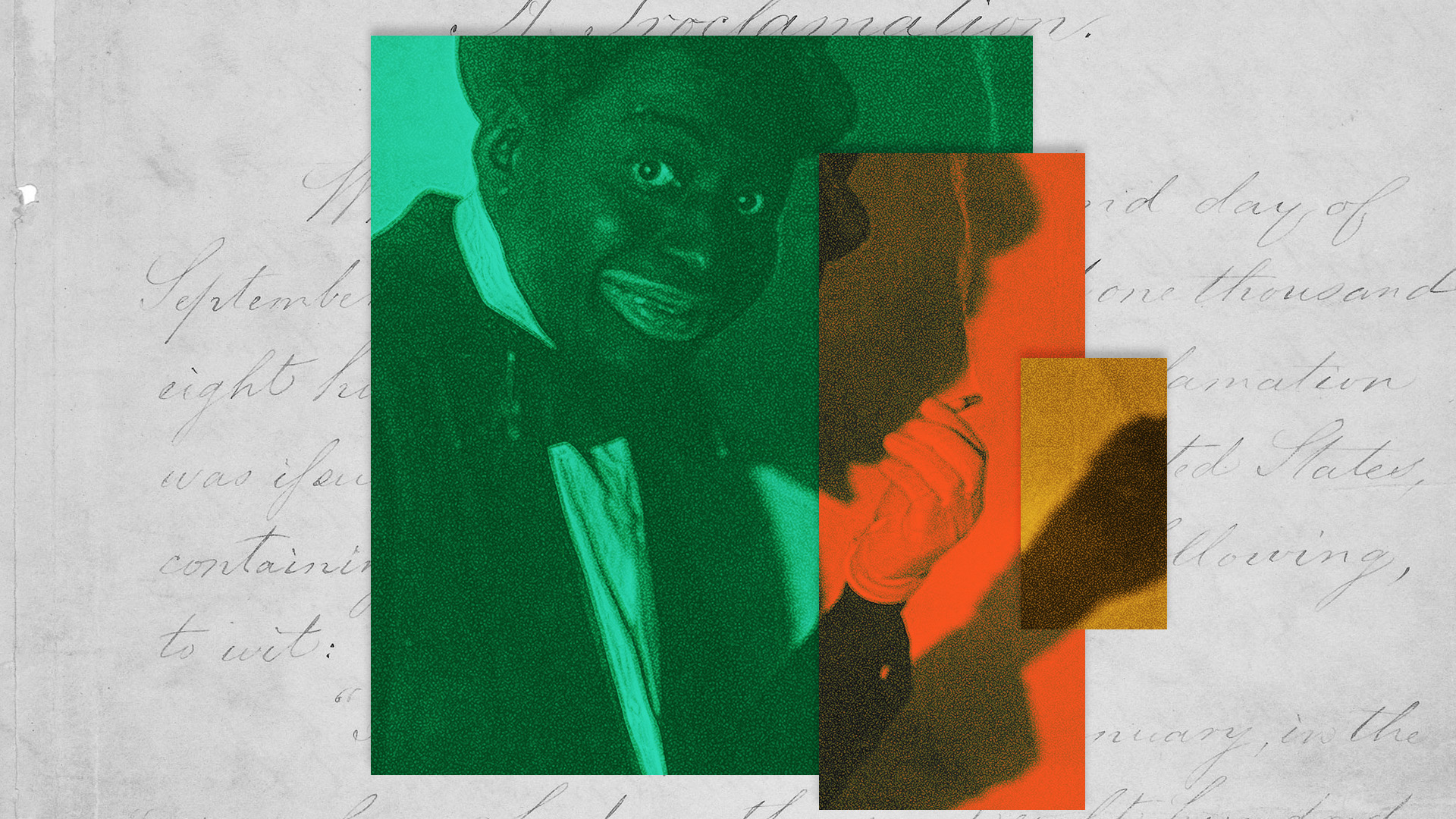
From the shores of Africa, where griots shared words, songs and dance, our community has always been tied to storytelling. Over the past 250 years in America, it wasn’t about finding a voice but about building a foundation that would allow them to be heard.
Despite racism, segregation, and limited opportunities, Black playwrights, actors, directors, and producers created and nurtured spaces where they could tell authentic stories and showcase their talent. Their efforts laid the foundation for modern American theater and transformed the nation’s cultural landscape.
ACT I: The First Ensembles
1821: Our Earliest Stage
One of the first milestones in Black theater was the founding of the African Grove Theatre in New York City in 1821. Established by William Alexander Brown, a free Black man from the West Indies, the African Grove Theatre became the first known professional Black theater company in the United States.
The company staged Shakespearean plays such as Richard III and Othello with all-Black casts, proving that Black performers possessed the same dramatic abilities as their white counterparts. It established the careers of James Hewlett, the first documented Black Shakespearean actor in the United States, and Ira Aldridge, who found major success overseas.
Brown also wrote The Drama of King Shotaway in 1823, widely recognized as the first full-length play written and performed by an African American. No known copies of the play exist, but author Sidney Mejia penned a tribute and historical recreation titled The Life and Times of Chatoyer, AKA The Drama of King Shotaway.
While the African Grove Theatre only lasted a short time, dismantled in 1823 due to harassment from white competitors, hostile audiences and police corruption, it established a blueprint for Black theater in America.
1880s: Elevating the Minstrel Experience
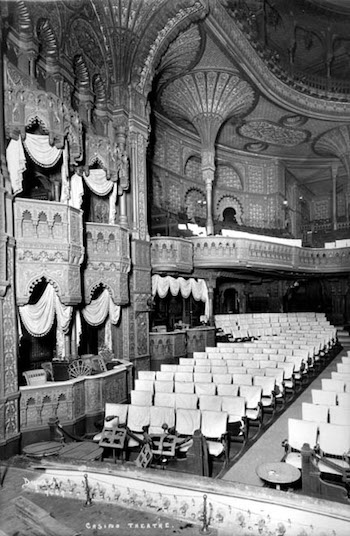
After the Civil War, there was a rise in minstrel shows, mainly performed by white actors in blackface. But performers like Bert Williams and George Walker, who became two of the most celebrated entertainers of the late 19th century, joined the minstrel circuit and toured with their hit, “Two Real Coons,” where Walker, a dark-skinned actor, played the straight man without blackface.
Determined to tell more authentic Black stories, artists began creating their own musical comedies and theatrical productions. Aida Overton Walker, George’s wife, became one of the first-known African American choreographers. The “Queen of the Cakewalk” reclaimed a dance originally created by enslaved people dressed in fancy clothing to satirize their enslavers (who were unaware of its real meaning).
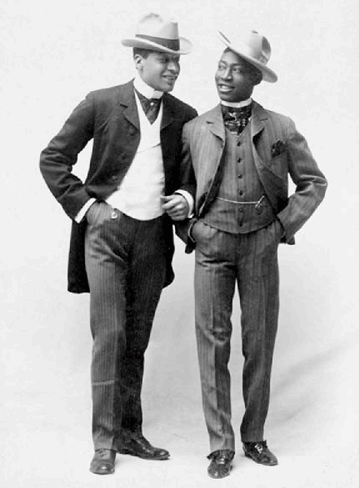
In Dahomey, the first all-Black musical comedy to open at a major Broadway theater, opened in 1903. With music by Will Marion Cook and a book by Jesse A. Shipp, it was written, composed, and performed by Black artists and attracted mainstream audiences while presenting stories rooted in Black culture. Their success paved the way for future theatrical achievements and challenged the belief that Black productions would not be commercially appealing.
1910-1935: Harlem Renaissance Reigns
In the 1920s, Harlem, New York, became the center of African American artistic and intellectual life. The cobblestone steps of its brownstones encouraged writers, musicians, and performers to reject stereotypes and celebrate Black identity.
Further uptown, W.E.B. Du Bois and Regina Anderson founded the Krigwa Players, with the message that Black theater should be “about us, by us, for us, and near us.” American actress and playwright Anita Bush founded her All-Colored Dramatic Stock Company in 1915, one of the pioneering Black repertory theatre companies. She established a vaudeville house in Harlem, which evolved into the Lafayette Theater and players, who did weekly plays and started a touring company.
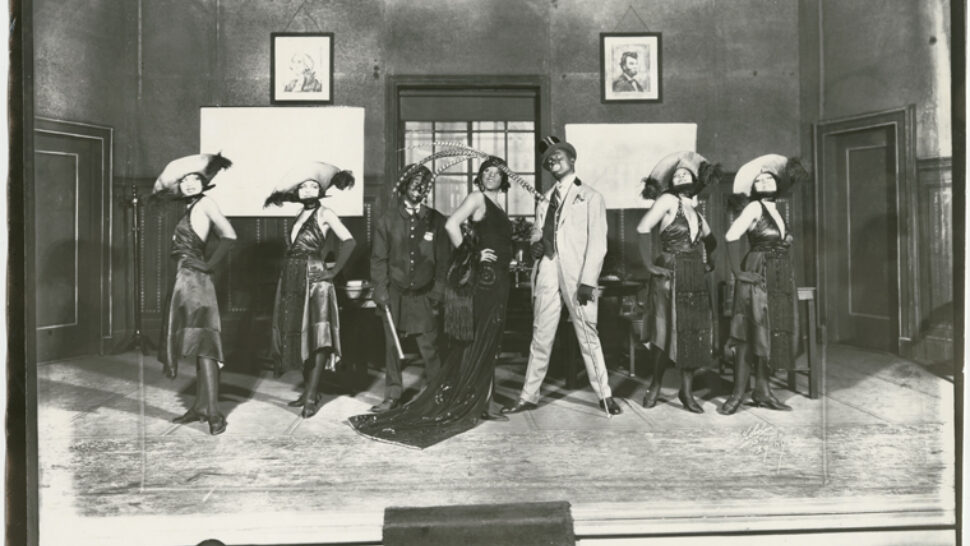
One of the most defining moments of the era was the production of Shuffle Along. Written by the comic genius of Flournoy Miller and Aubrey Lyles, with music and lyrics by the vaudeville team of Noble Sissle and Eubie Blake, the 1921 musical review played to rave reviews and packed audiences at the James Earl Jones Theatre, formerly known as the Cort Theatre, and launched the careers of luminary performers like Josephine Baker and Paul Robeson.
The Harlem Suitcase Theater, founded by Langston Hughes and Louise Thompson Patterson in the 1930s, was ambitious and portable. An entire production: staging, costumes and props fit inside a suitcase so the shows could be done anywhere.
1936: Federal Theatre Project’s Negro Units
The Great Depression brought new opportunities through the Federal Theatre Project, which established Negro Units in cities across the country. These programs employed Black actors, directors, and playwrights while producing innovative works. One of the most famous productions was the 1936 “Voodoo” Macbeth, directed by Orson Welles. The young director set the Shakespearean tragedy in 19th-century Haiti and cast it with an all-Black ensemble.
From the African Grove Theatre to the Harlem Suitcase Theater, early Black theater and the artists behind it built the foundation that allowed future Black artists to bring our stories to the stage in all their fullness.