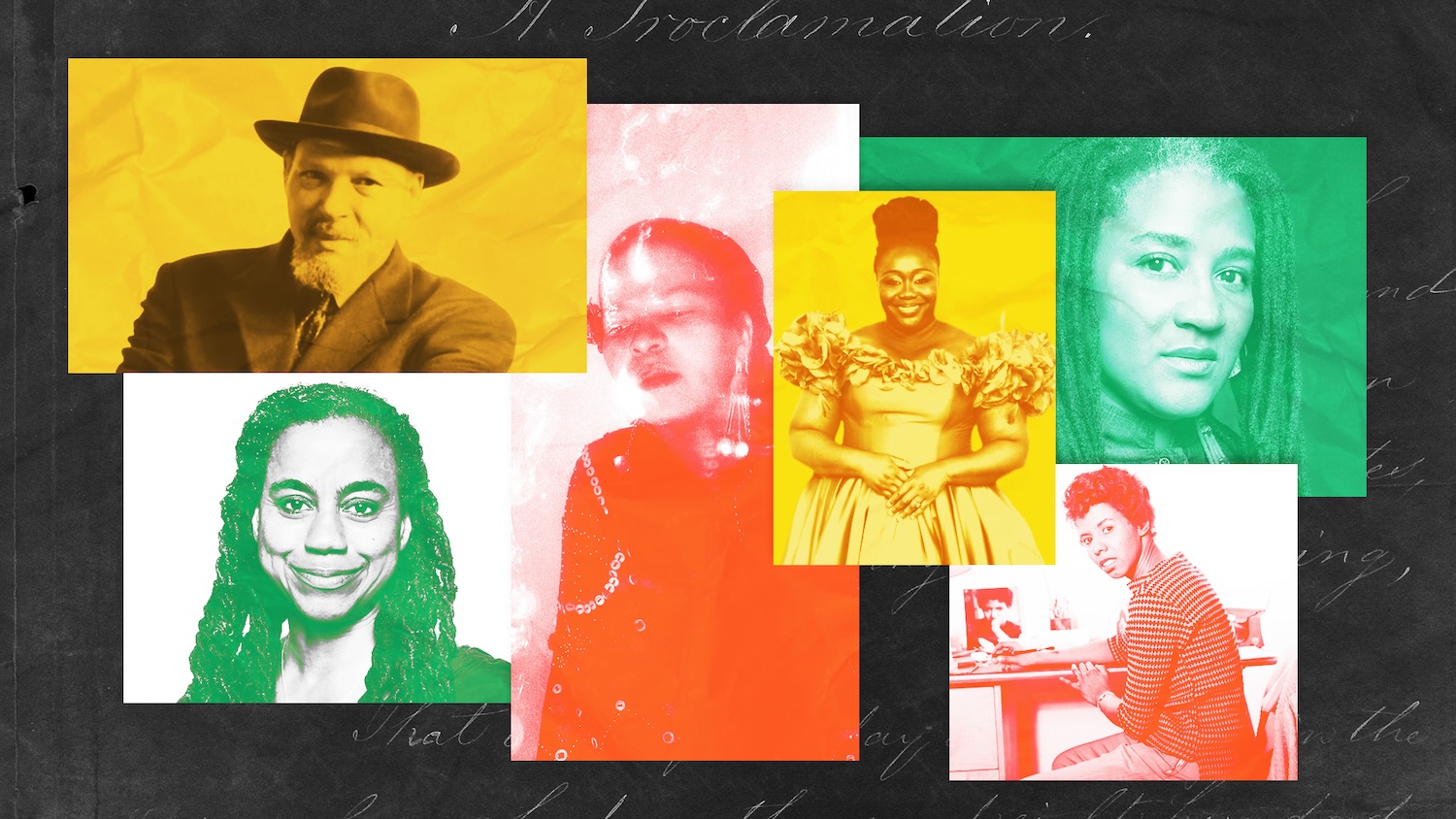
When Lorraine Hansberry’s A Raisin in the Sun arrived on Broadway in 1959, it did more than become a theatrical event. It fundamentally altered who could stand at the center of the American story.
Before Hansberry’s breakthrough play, Black life on major stages was too often filtered through stereotypes, novelty, or the expectations of white audiences. Black playwrights Langston Hughes (Mulatto) and Theodore Ward (Big White Fog) signified resistance and are certainly worth footnoting, as each of their creations demonstrated a rounded-out depth and sophistication of Black people.
There was Alice Childress, who fought for theatre artists’ rights to receive advances and guaranteed pay for union actors in Off-Broadway productions and was the first Black woman to win the Obie Award for Best Original Off-Broadway Play for her groundbreaking drama Trouble in Mind in 1956.
Still, Broadway remained stuck in tropes and seemed hesitant to embrace fully realized portrayals of Black humanity.
Then came Hansberry, a breakthrough figure who forced Broadway to recognize the complex interior lives of Black folks on a scale it had previously refused to acknowledge.
Setting a Bigger Stage
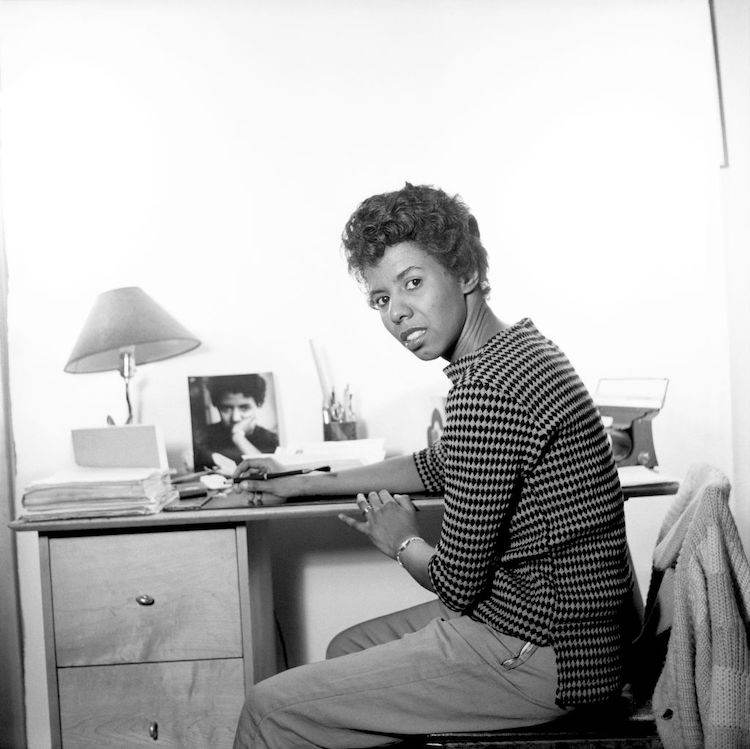
As the first Black woman playwright produced on Broadway, Hansberry, who was part of the LGBTQ+ community, introduced audiences to the Younger family — not symbols, but people. Largely white audiences became voyeurs to how Black America’s dreams, frustrations, humor and determination could look in all their complexity. In doing so, she expanded the definition of what constituted an American narrative. The generations that followed did not simply continue her work; they expanded it.
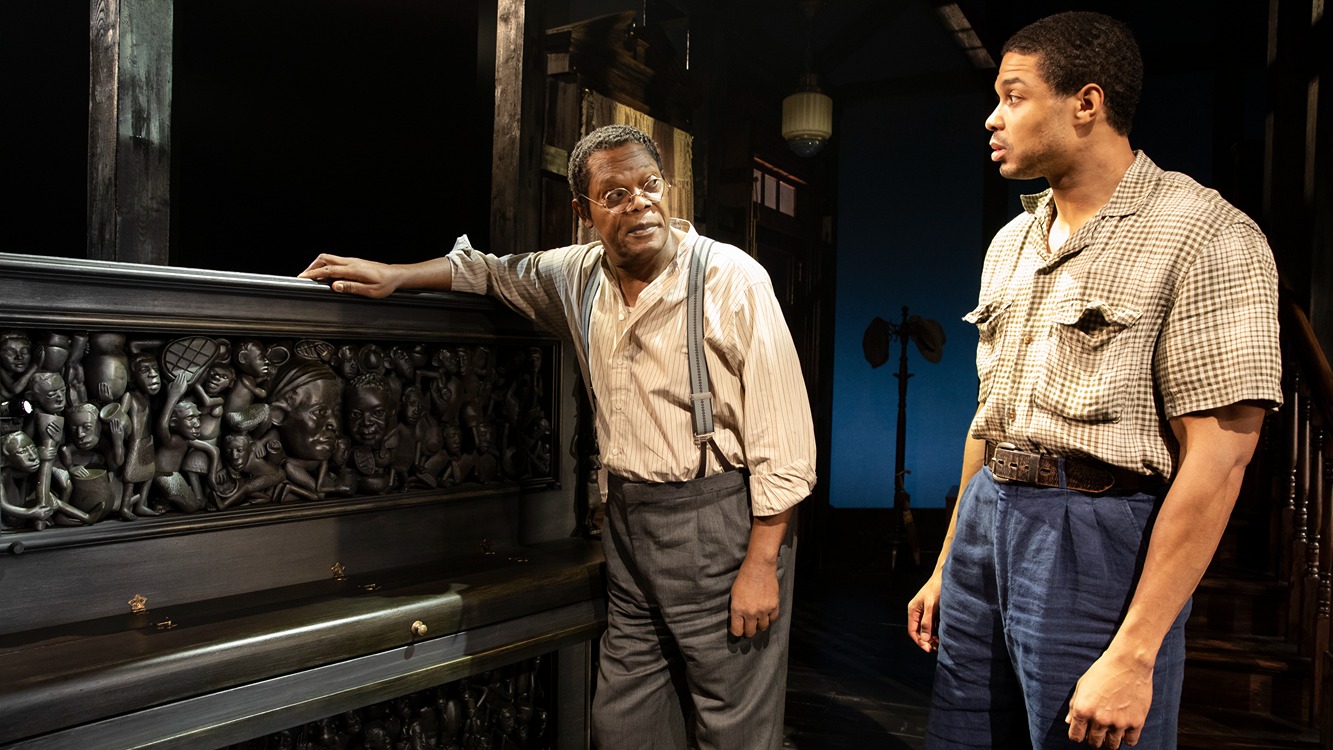
No figure looms larger in that evolution than the iconic August Wilson, whose ten-play Century Cycle chronicled a century of Black American life. Ma Rainey’s Black Bottom, his first play produced on Broadway, opened on October 11, 1984, at the Cort Theatre, now aptly renamed the August Wilson Theatre, and ran for 275 performances.
Through Tony-winning plays like Fences and The Piano Lesson, Wilson established that Black history was not a sidebar to the American experience but central to it. So much so that Denzel Washington, who starred in Wilson’s 2010 revival of Fences on Broadway, has committed to producing all 10 plays of the legendary playwright’s American Century Cycle for the screen.
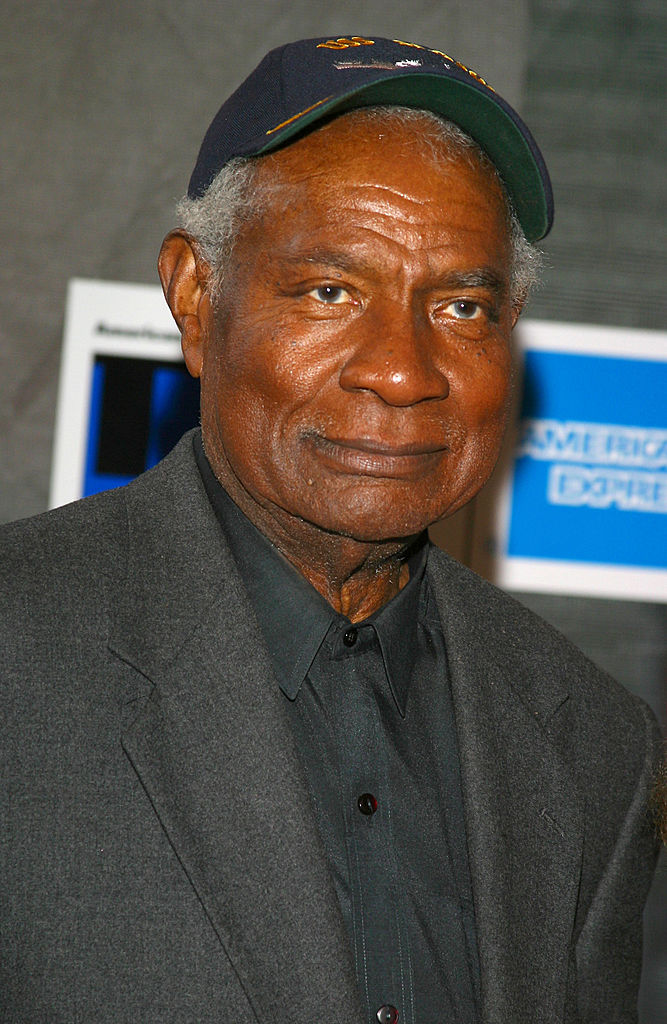
Ossie Davis, who ignited a stage career in Jeb in 1946, also found his voice behind the pen, scripting and starring the hilariously award-winning Purlie Victorious (opposite his wife Ruby Dee), which premiered on Broadway in 1961. The words have resonated over decades, prompting a musical version and the play’s successful Broadway revival in 2023.
Women on Stage
As a new century dawned, the stage became a playground for radical form and fearless storytelling, especially for female creatives. Playwright and poet Ntozake Shange brought For Colored Girls Who Have Considered Suicide/When the Rainbow Is Enuf to Broadway in 1976, conceptualizing the choreopoem, a performance term she described as a combination of African storytelling, poetry, religion, dance and music. An ode to the power of Black women to survive in the face of despair and pain, it was only the second play by a Black woman to be produced on Broadway. Star Trezana Beverley won the Best Featured Actress Tony Award for her performance in the production, and the show, which has spoken to generations, was revived in 2022.
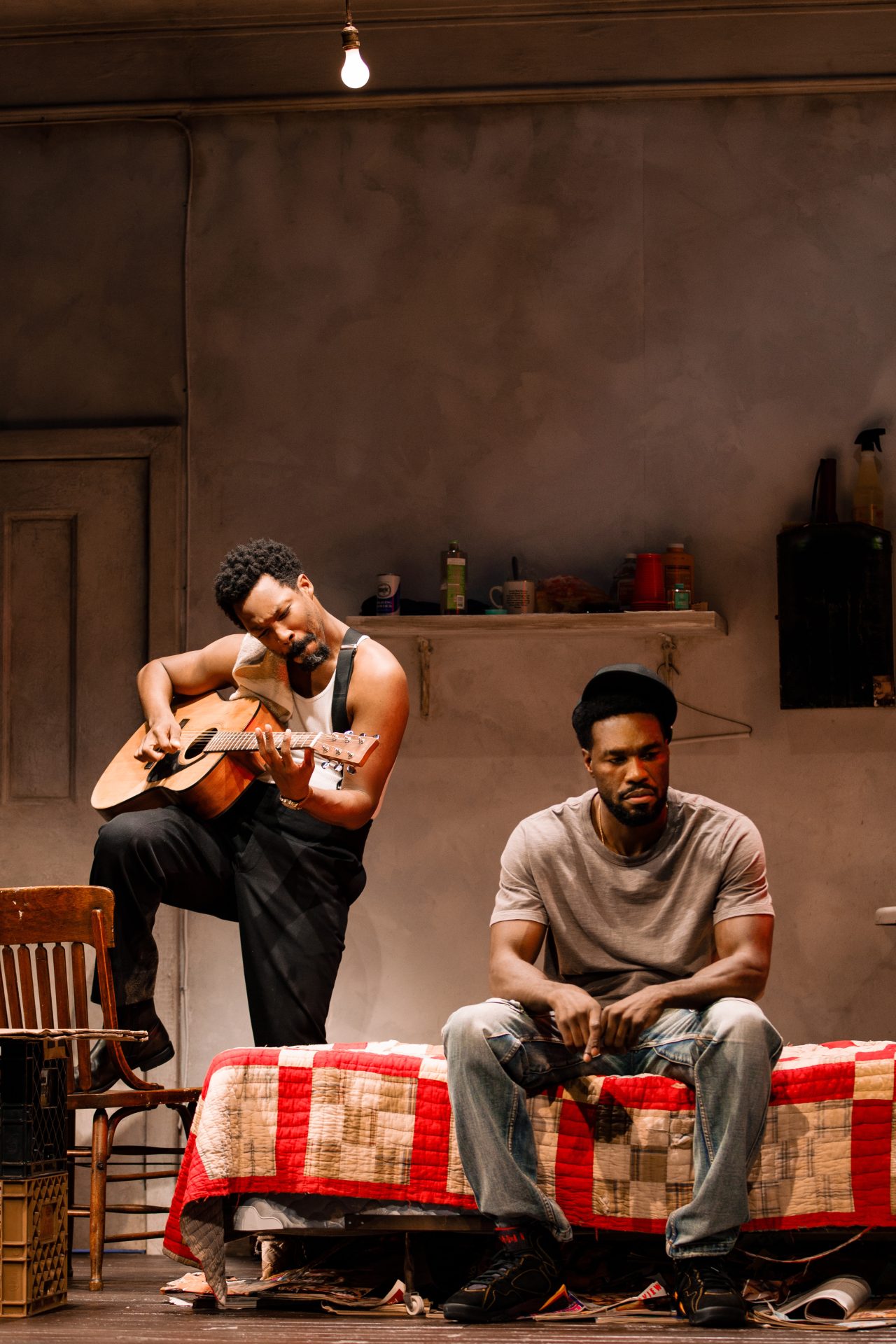
Suzan-Lori Parks also shattered barriers, earning the Pulitzer Prize for Drama for Topdog/Underdog in 2002, becoming the first Black woman ever to do so. She wove language, memory, and myth into a mirror reflecting the complexities of race and identity. “Their works are not at all burdensome,” Parks said of the playwrights who came before her. “What a boon the greats have given. What beacons they provide.”
Two-time Pulitzer Prize-winning dramatist Lynn Nottage expanded the reach of Black drama through Ruined and Sweat, deploying rigorous journalism to anchor universal conversations about labor, conflict, and survival in the lived realities of Congolese women and displaced American steelworkers. “Now more than ever, I write to ensure that the stories of our community remain an integral part of the American narrative,” Nottage stated.
Wilson’s Influence Reigns
Today’s playwrights continue to widen the frame. Reflecting Wilson through her own multi-layered Motown gaze, two-time Tony Award Nominee Dominique Morisseau’s Detroit-centered works, such as the musical Ain’t Too Proud—The Life and Times of the Temptations (2019) and the play Skeleton Crew (2022), illuminate the lives of working-class communities often overlooked by mainstream culture. “I think Black playwrights have a responsibility to contribute to Black liberation,” she said. “It is our job to share our fully dimensional Black selves without apology.”
Meanwhile, playwright and Academy Award-winning screenwriter Tarell Alvin McCraney has infused contemporary drama with poetic explorations of Black masculinity, spirituality and queerness. For McCraney, the lineage from Hansberry and Wilson is not a burden but a source of sustenance. “It ain’t heavy. They carry me,” he declared, recalling lessons and encouragement from both artists that continue to shape his creative process. His work exemplifies how contemporary Black playwrights honor tradition while imagining new futures.
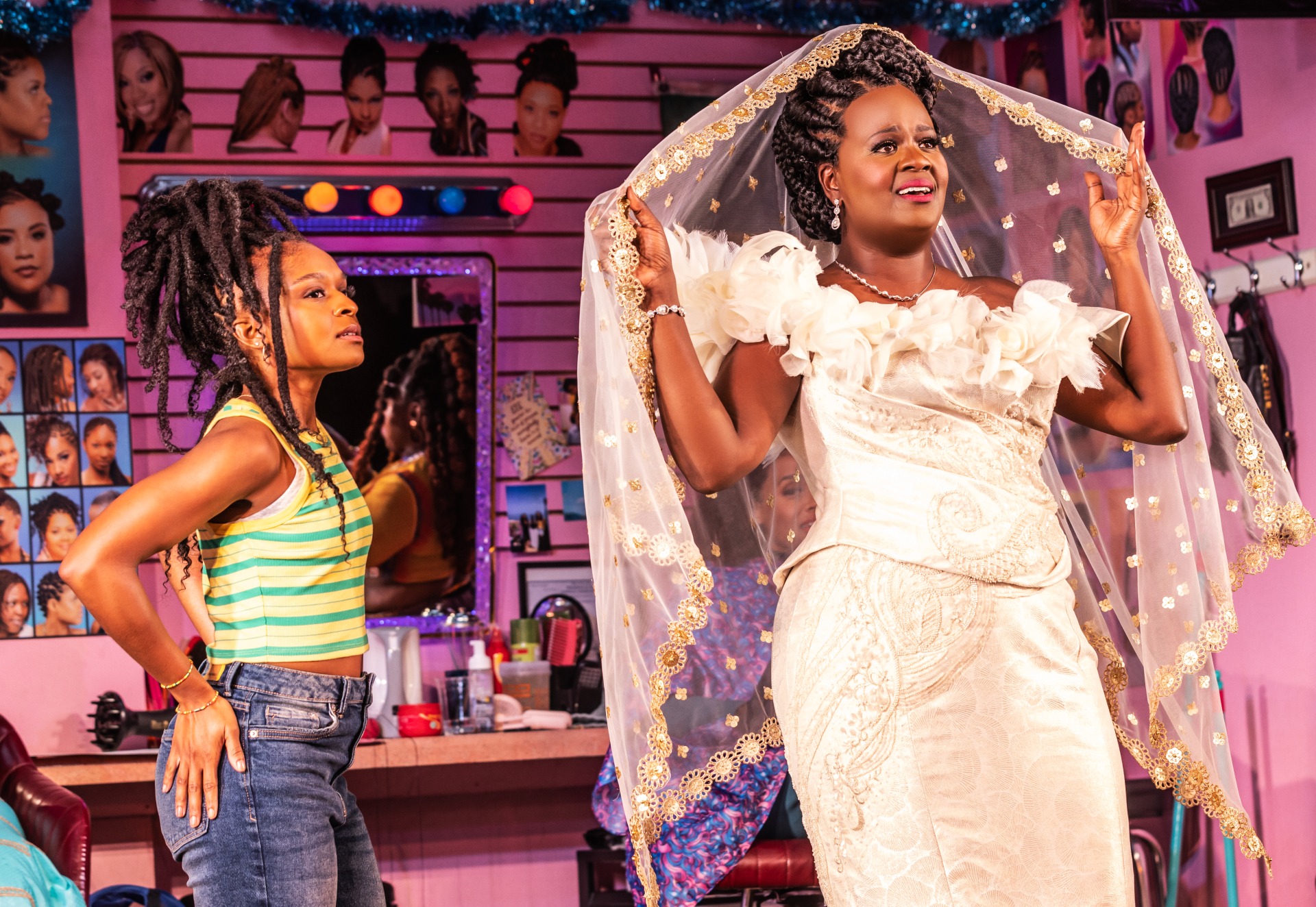
Alongside him, Jocelyn Bioh’s sharp-witted ensemble comedies, like Jaja’s African Hair Braiding and School Girls; Or, The African Mean Girls Play, have expanded Broadway’s understanding of African and diasporic identity. Bioh sees a lineage connecting Hansberry to contemporary voices such as Branden Jacobs-Jenkins, whose recent Pulitzer Prize-winning work Purpose demonstrates the continued evolution of Black storytelling on Broadway.
From Hansberry’s South Side Chicago living room to Jacobs-Jenkins’ contemporary America, Black playwrights have not merely moved onto Broadway’s block. With each script, they have re-gentrified The Great White Way itself, ensuring that the American story is richer, more honest and complete.
An accomplished arts journalist and TV producer, Patrick L. Riley is recognized for extensive Broadway coverage, engaging theatrical talk-backs and red-carpet reporting. Also an author, his book That’s What Friends Are For: On The Women Who Inspired Me (Dorpie Books), is recognized by the National Association of Black Journalists as an ‘Outstanding Literary Work.”
Read the complete Our Stage, Our Stories: 250 Years of Black Theater in America: