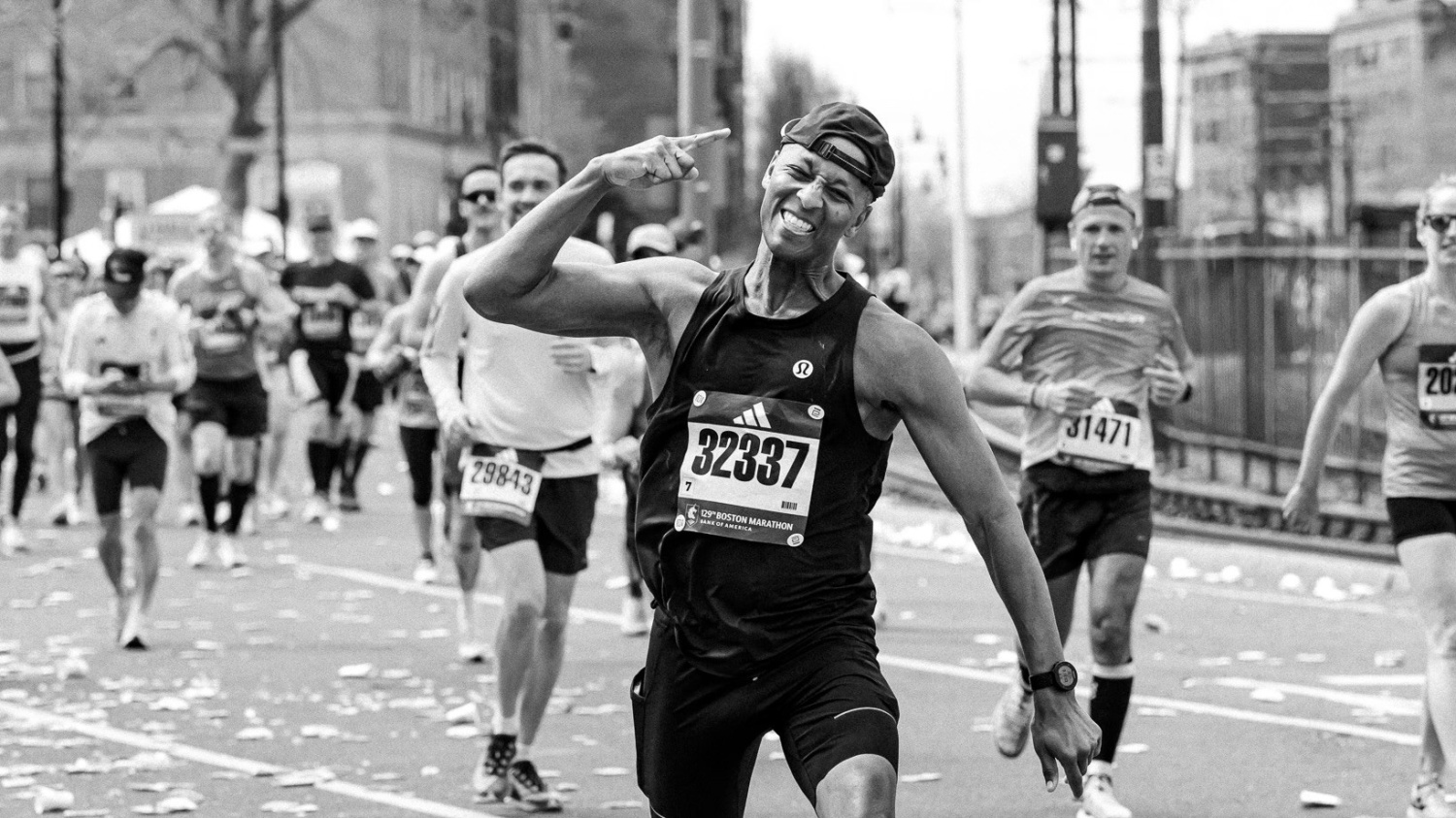
For marathoner Nick Arrington, running isn’t a hobby—it’s the thing that kept him from going. “Running has been very important in my life,” Arrington told EBONY. He champions Black representation in distance running, highlighting his sister’s experience as a middle-distance runner as a source of inspiration.
What began as a way to outrun heartbreak and career uncertainty has become a discipline that anchors his mental health and fuels his purpose in community. The turning point came in 2016, when Arrington was going through the ebbs and flows of life from outgrowing work to experiencing a breakup. “I was angry, heartbroken, sad, resentful… all these emotions, and I wasn’t in therapy,” he told EBONY. “So just like Black men, typically, we push it down, and I put on my shoes, and I pounded the pavement.”
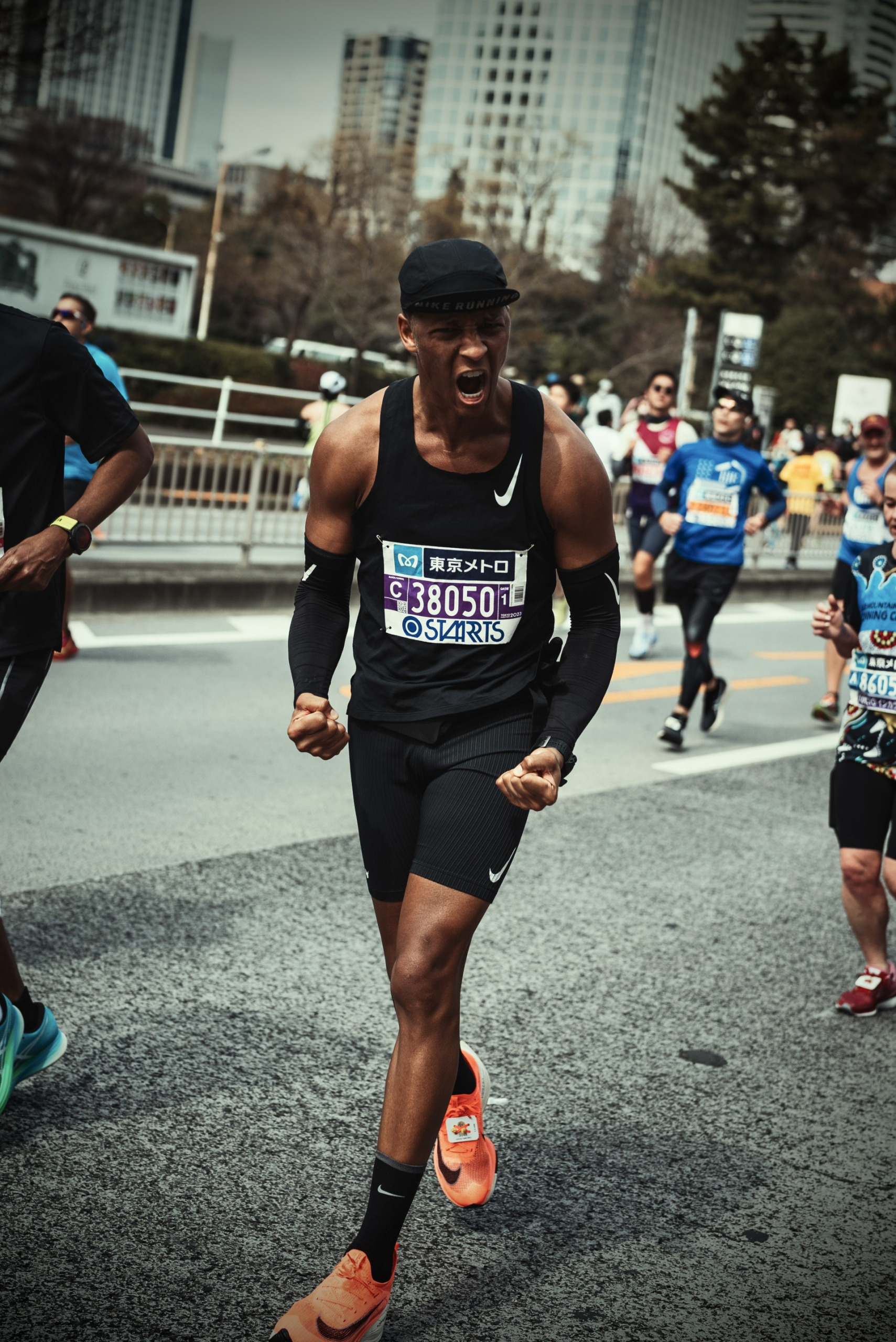
What started as a coping mechanism quickly became a practice. He went from one mile to three, five, 15 and 20, letting the road take what his mind couldn’t hold. By 2018, Arrington turned that pain into performance, running his first New York City Marathon. Even then, he credits community and faith as critical to crossing the line. Still, life didn’t stop testing him once he found the marathon. Running, once enough to steady him, suddenly wasn’t sufficient. “At that point, I don’t think running was enough, so I got a therapist,” he said. “So now I’m mixing therapy and running, and now I’m a weapon. Not only that, I’m seeing things more clearly because I have professional help.”
This holistic approach, rooted in faith, movement, and mental health, illuminated a new strength within him. Arrington’s commitment to this blended strategy enabled him not only to navigate his struggles but also to redefine what was possible. “I think [the running community] inspires people,” he said. “It inspires me to be great, and I think that the tapestry of the running community is so unique. I’ve met so many people around the world from so many different walks of life.”
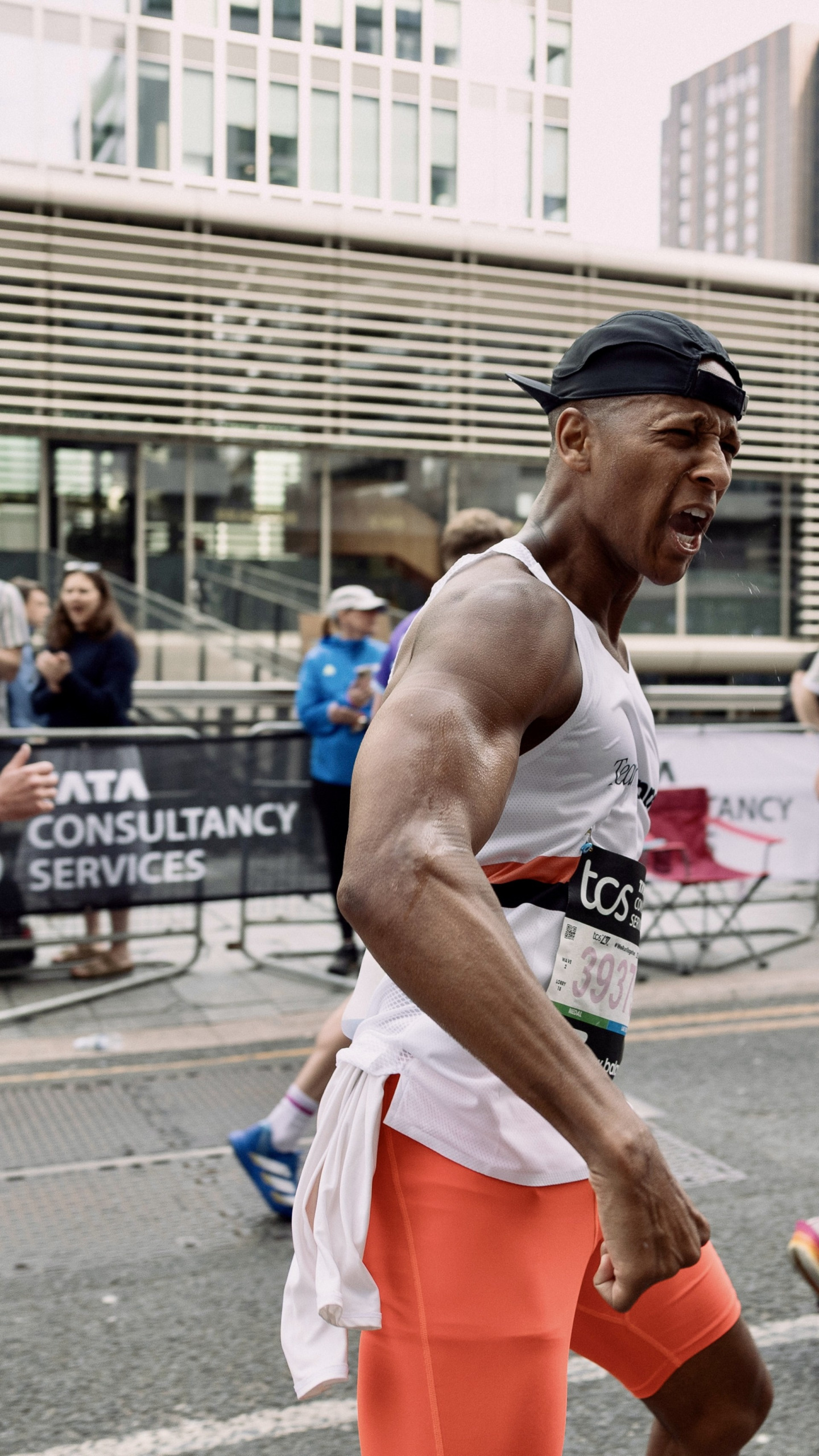
Arrington’s story goes beyond personal triumph; it serves as a beacon for others. “I want to see young Black boys and girls see distance running as an avenue,” he said. His involvement in community events and ambitions for broader storytelling highlight his desire to inspire others to embrace running not just as a physical activity but as a catalyst for change and healing. “If you have a platform and you’re not using it properly, what’s the point of having it?” he said.
For Arrington, healing rests on three pillars: faith, movement and mental health support. “First of all, you gotta have a relationship with God, because without Him, none of this is possible,” he said. “You trust in Him and find something earthly that is cathartic for you, and you combine that with professional help, then you can get through this.”
That “something earthly” is running for him. It’s also his proof that limits are meant to be challenged. “Impossible for me doesn’t exist. It does not exist. I don’t believe in that word at all,” Arrington said. His journey illustrates the profound impact that running and mental health awareness can have on someone’s life. By intersecting faith, therapy, and movement, he has not only transformed his own experiences but is also dedicated to uplifting others in the community. His story serves as a powerful reminder that healing and resilience are achievable, encouraging young Black men and women to see running as a means of empowerment and personal growth.