
“How long do I have to live?” Muni Long asked her doctors.
“A week,” they replied.
“That’s rude,” the Grammy-winning singer-songwriter remembers saying. They gave her two options: live the last few days of her life in hospice care or get a double lung transplant.
Long told Robin Roberts on Good Morning America that she underwent the transplant after lupus complications nearly killed her. Born Priscilla Renea Hamilton, she was diagnosed with lupus in 2014 and exited Brandy and Monica’s The Boy Is Mine Tour in November 2025, after the disease aggressively attacked her lungs.
“Being on the road is tough, even when you’re healthy,” she said. “I should have never taken that tour, but there was so much going on in my life where I had to do it.”
A six-city stretch through a brutal northeastern winter rapidly turned into pneumonia. “With autoimmune, the cold is not your friend,” she noted. Pushing through, she came home for Thanksgiving and woke up in a hospital bed surrounded by six doctors.

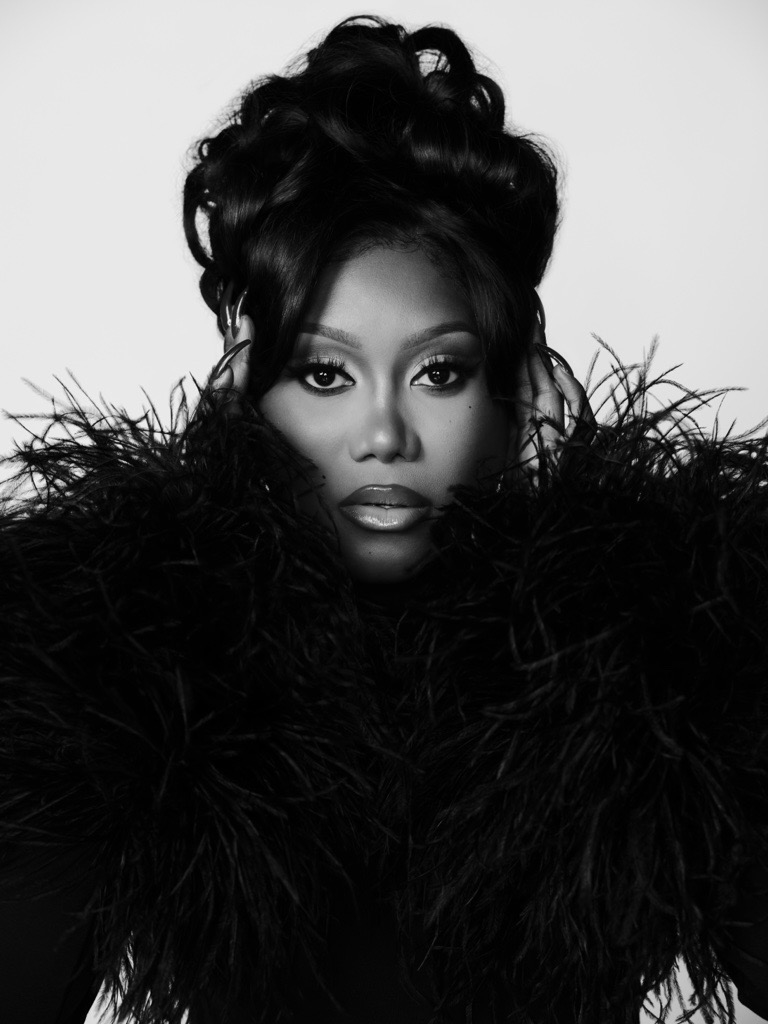
When the gravity of getting a transplant hit, ego surfaced first: “What about my voice?” she remembered thinking. “I think just quality of life was first. I can’t sing if I’m not here.”
Her new single, “The Richest,” recorded in February 2025, now stands as the last studio document of her original voice. “My voice is now totally different. It’s actually better,” Long revealed. “But I don’t know if I can perform yet, they gave me six months to a year.”
Six months out from the transplant, Muni told Roberts: “I’m fabulous. No symptoms, asymptomatic, no infections, none of that.” The focus now shifts entirely to her physical recovery, including an August follow-up to check her vocal cords.
Her physical crisis was only part of the problem. Her spirit began its breakdown long before the tour. “I think the bulk of my trauma came from holding everything in,” Long told Roberts. “Always being the strong friend, the one who has it all together.”
“This time around, I’m definitely going to be a little bit more selfish,” she added. “I’m gonna take care of myself first, so that I can take care of everybody else.”
Lupus, she said, “disproportionately affects Black women, who are just expected to show up and be everything for everybody.”
According to the Lupus Foundation of America, lupus strikes Black women at roughly three times the rate of white women, and one in 250 Black American women will develop it. The condition ranks among the top 10 causes of death for Black women between 15 and 44, who frequently report symptoms for years before doctors take them seriously.
Toni Braxton, diagnosed with lupus in 2008, famously collapsed on stage in Las Vegas before receiving a definitive diagnosis. Her management at the time told her to keep it quiet; sick singers, she was told, do not get insured.
“Don’t put yourself on the back burner for everyone else,” Long told Roberts. “Don’t be afraid to say no. Rest if you need to. That is a radical thing for us to rest.”