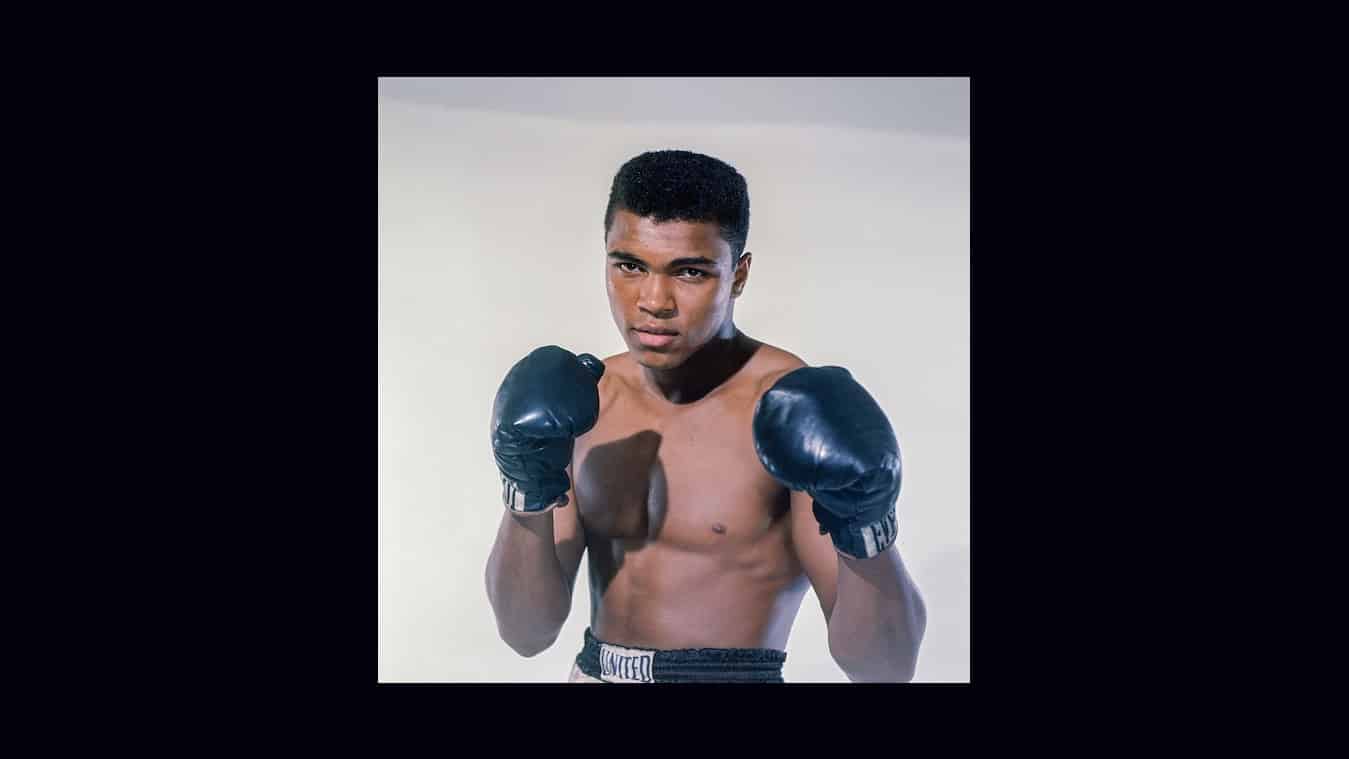
Muhammad Ali was one of the most covered figures in EBONY and JET’s print history, a man whose face graced those pages during some of the most defining moments in American culture.
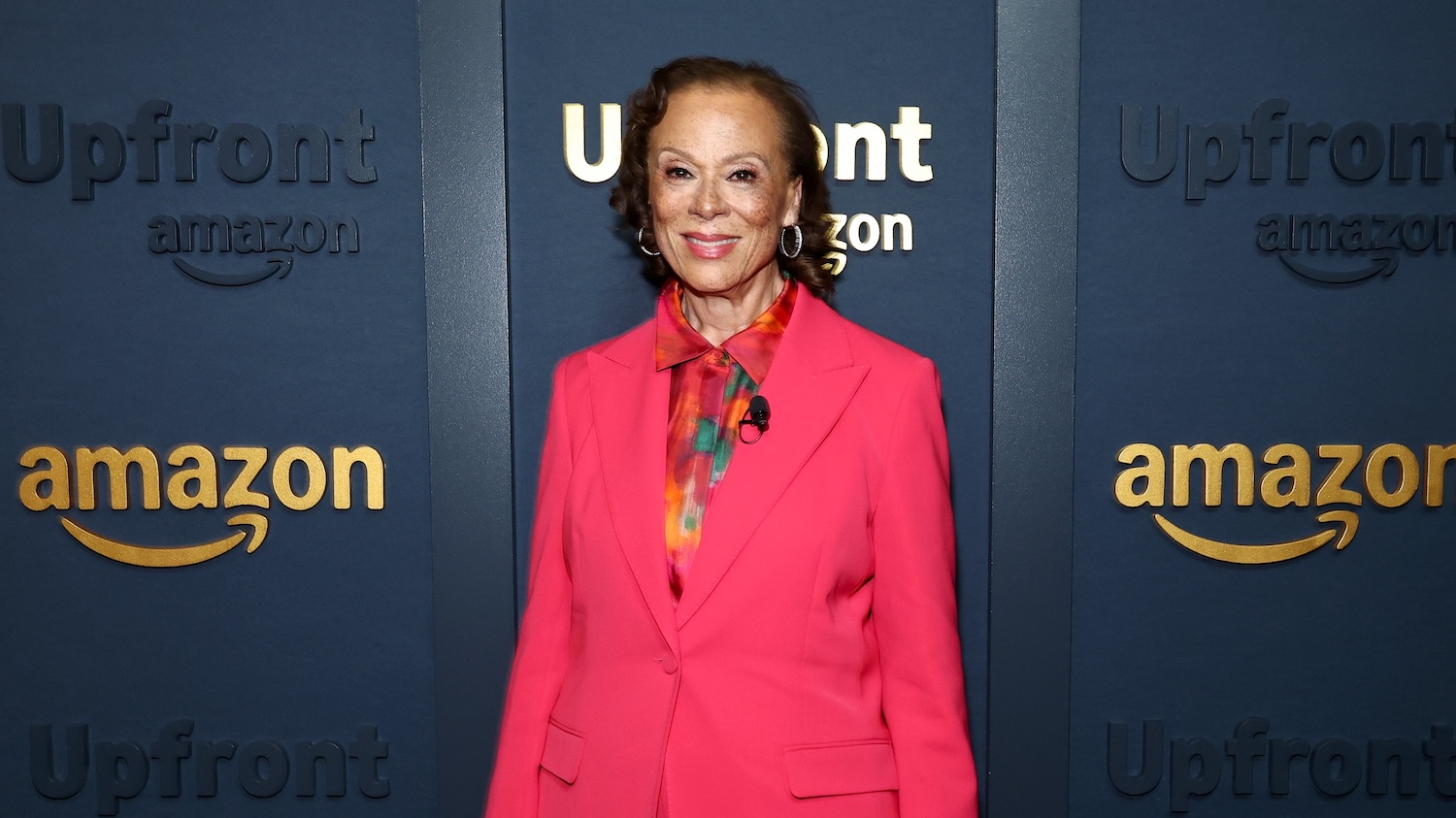
This year marks 10 years since his passing, and his wife and legacy steward had plenty to say about where his story goes from here. Lonnie Ali, wife of Muhammad Ali, interim president and CEO of the Muhammad Ali Center, and Executive Producer of the upcoming Amazon Prime series The Greatest, sat down with EBONY at Fanatics Fest in New York City, and the timing could not have been more fitting.
Here is what she had to say about the late legend’s legacy.
He Was Our Champion First
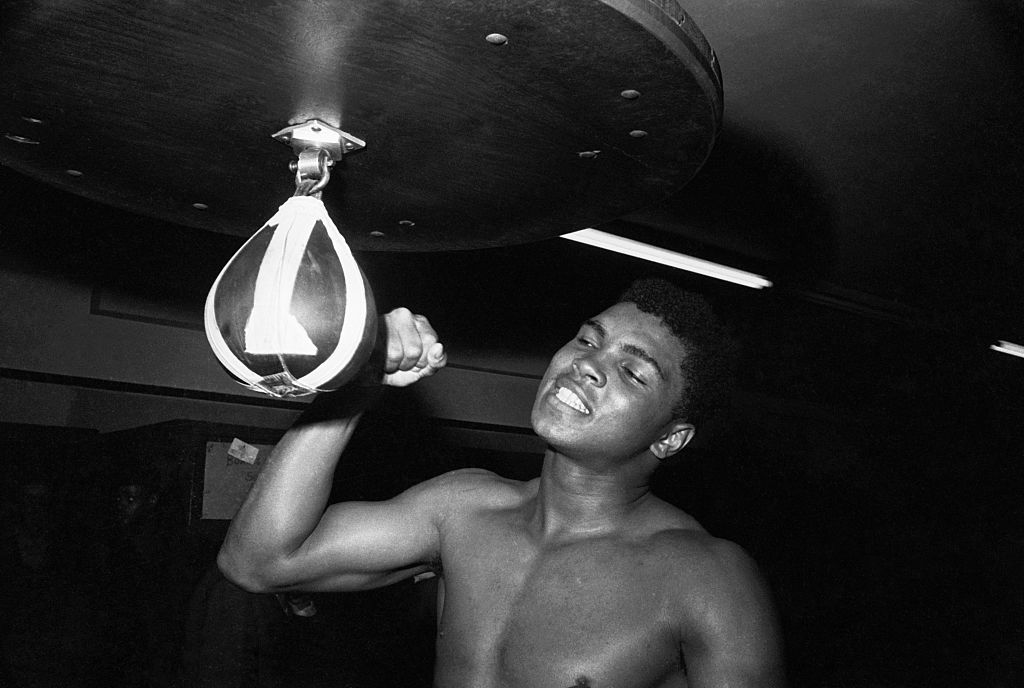
The connection between Lonnie and Muhammad runs deeper than marriage. They first crossed paths in 1963 in Louisville, Kentucky, when Lonnie was just 6 years old and Muhammad — still going by Cassius Clay — was 21. Their mothers were best friends and next-door neighbors, and a young Cassius would stop by the house and play with the neighborhood children. That first meeting was even caught on camera by legendary photographer Steve Schapiro — a moment that now feels less like chance and more like a hint of what was coming. Lonnie didn’t just inherit his legacy. She grew up living it.
Lonnie came of age watching the same man she knew personally appear on the pages of EBONY and Jet being delivered to homes across Black America.
“As we all know, EBONY and JET delivered Black culture to your home,” Lonnie said. “It was wonderful.”
She is clear-eyed about where his legacy lives. “Muhammad is beloved everywhere you go,” she said, recounting a recent trip to Dubai where his name and face were recognized in even the most remote corners.
Back home in Louisville, his presence is equally constant, even in interviews that surface on television, in print, in the set dressing of films and shows. Athletes today, she noted, openly acknowledge standing on his shoulders.
“He became the people’s champion,” she said, “but I admit he was our champion first.”
Bringing Muhammad Ali to a New Generation
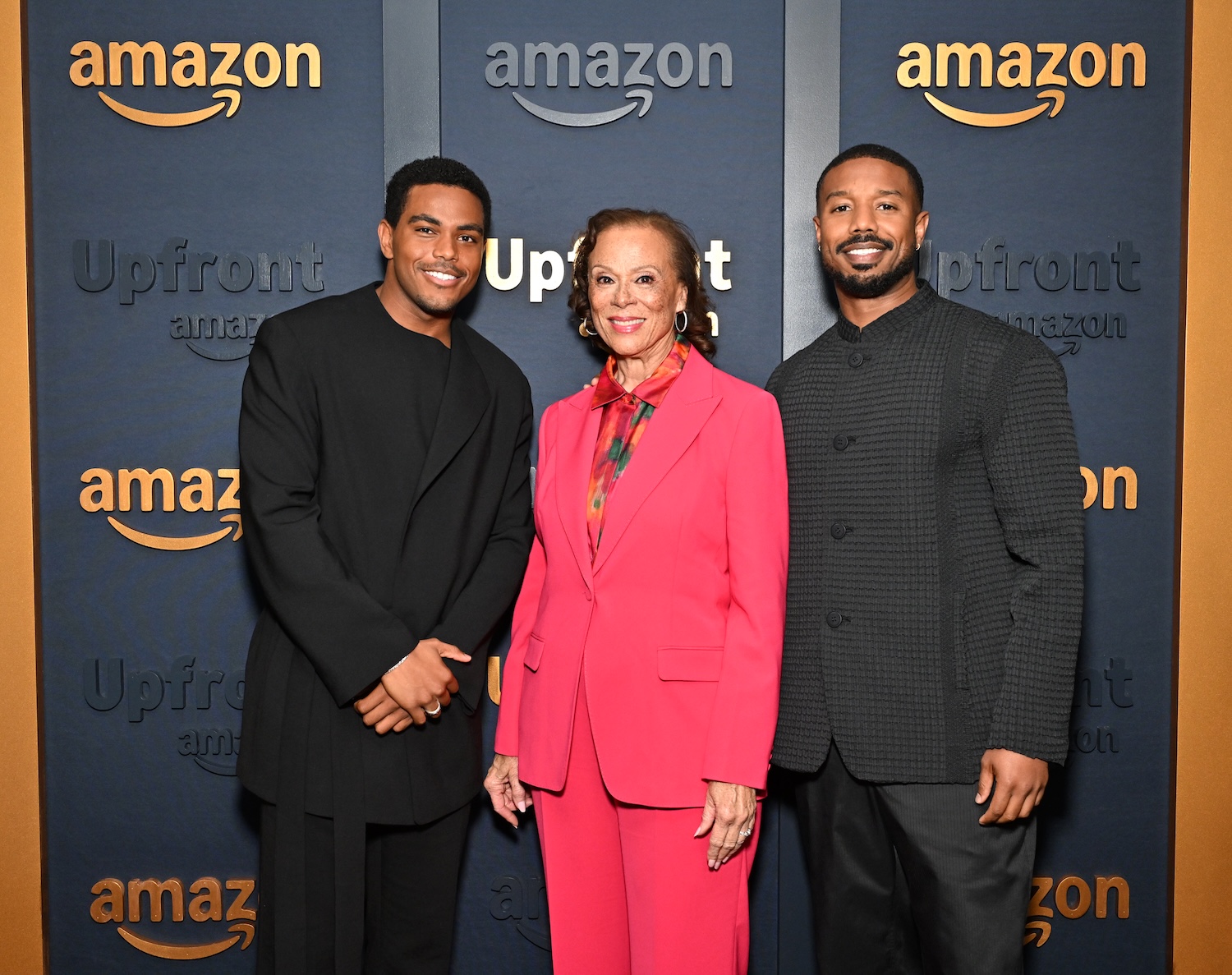
Lonnie appeared at Fanatics Fest weeks after the official trailer dropped for the upcoming Amazon Prime series The Greatest, a scripted biopic about Muhammad Ali’s life that will air starting November 4 with three planned seasons. Ben Watkins wrote the pilot and serves as showrunner, director, and executive producer alongside Michael B. Jordan, who is also an executive producer. Jaalen Best, relatively new to the scene, plays a young Cassius Clay in what Lonnie described as a casting feat.
“I knew from the moment I met him, perfect,” she said of Best. “He had that Ali aura, that Muhammad charisma, that heart and that sweetness, and he even had these little interesting idiosyncrasies that Muhammad had.”
With the trailer dropping so close to the 10th anniversary of Ali’s passing, Lonnie’s reaction was visceral. “Emotional,” she exclaimed with tears in her eyes when I asked her how she felt after watching the trailer for the first time. “All I can say is Jalen nails it. He nails Muhammad.”
The series begins before the Olympics, tracing Muhammad’s journey from humble beginnings in Louisville through his rise to become a cultural and humanitarian icon. Lonnie sees the timing as intentional in a way that goes beyond the anniversary.
“Considering where we are as a country, in a world, a polarized society, where we are tearing the fabric of our society apart, this was a man who found bridges, built bridges,” she stated.
With the series dropping around the usual election season, the subtext is impossible to ignore.
Measuring Compassion
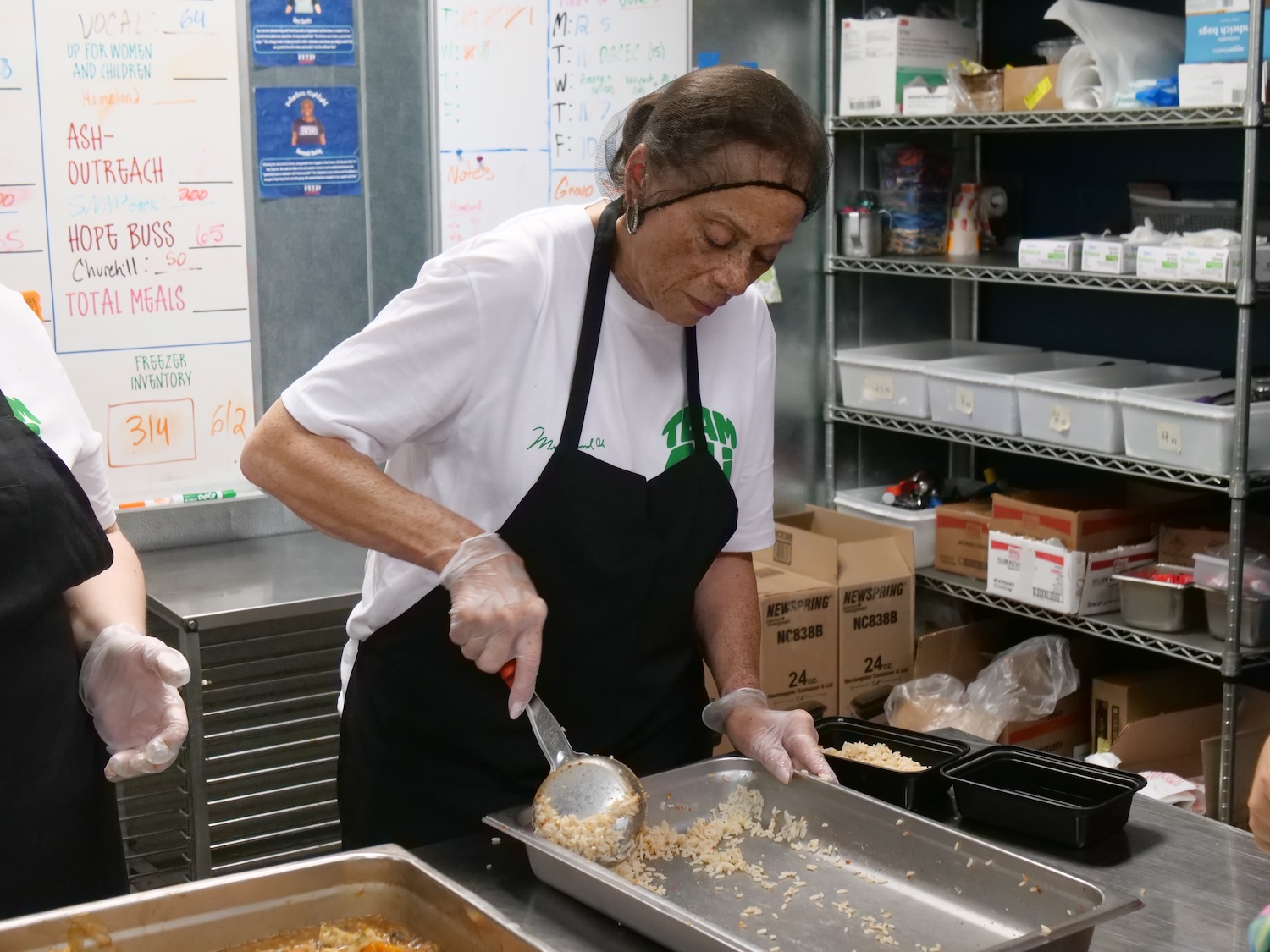
Beyond the series, Lonnie also detailed the Muhammad Ali Index, a first-of-its-kind tool designed to measure compassion across American cities. Built around the six core principles of the Muhammad Ali Center: conviction, confidence, dedication, spirituality, giving, and respect, the index emerged from a question the estate kept returning to. What was it that made Muhammad connect with people so effortlessly? The answer was compassion.
Working with cultural intelligence and foresight consultancy Sparks and Honey, the team studied 12 pilot cities across the United States, measuring what drives compassion, what prevents it, and where each city stands on a composite score ranging from negative 100 to 100. Seattle ranked highest at 16. Louisville came in at 15. The numbers are deliberately sobering.
“It’s a tool for policymakers, for community organizers, for business leaders, entrepreneurs, to use to see where compassion can be used within their city,” Lonnie explained.
A compassionate society, she argued, addresses mental health, homelessness, food insecurity, and public health all at once. It is the work Muhammad did in person, now delivered as policy.
For Muhammad, compassion was never abstract. Lonnie shared that he used to answer his own fan mail, including letters from people who were incarcerated. He would write back, and even invite them to come see him when they got out.
“That’s the way he was,” Lonnie remembered. “If he meant it, the world felt that.”
What He Would Have Said
I asked Lonnie what Muhammad would have made of Fanatics Fest, the sprawling celebration of sports, fandom and culture that had taken over the Javits Center for the weekend. She laughed without hesitation.
“He’d be in the thick of it,” she declared. “He probably would think [they] all came to see him.”
The question Lonnie keeps returning to is not how to preserve Muhammad Ali’s memory; that part, she says, takes care of itself. The question is how to make his most essential quality — compassion — actionable in a world that needs it more than ever. The Amazon series, the index, the center in Louisville — they are all different expressions of the same mission.
“He never compromised his values,” said Lonnie of what she hopes younger generations take away from his legacy. “He was respectful of all people. It was never all just about him. It was about helping others as well, to raise them as he rose.”
Ten years gone, and Muhammad Ali is still teaching.