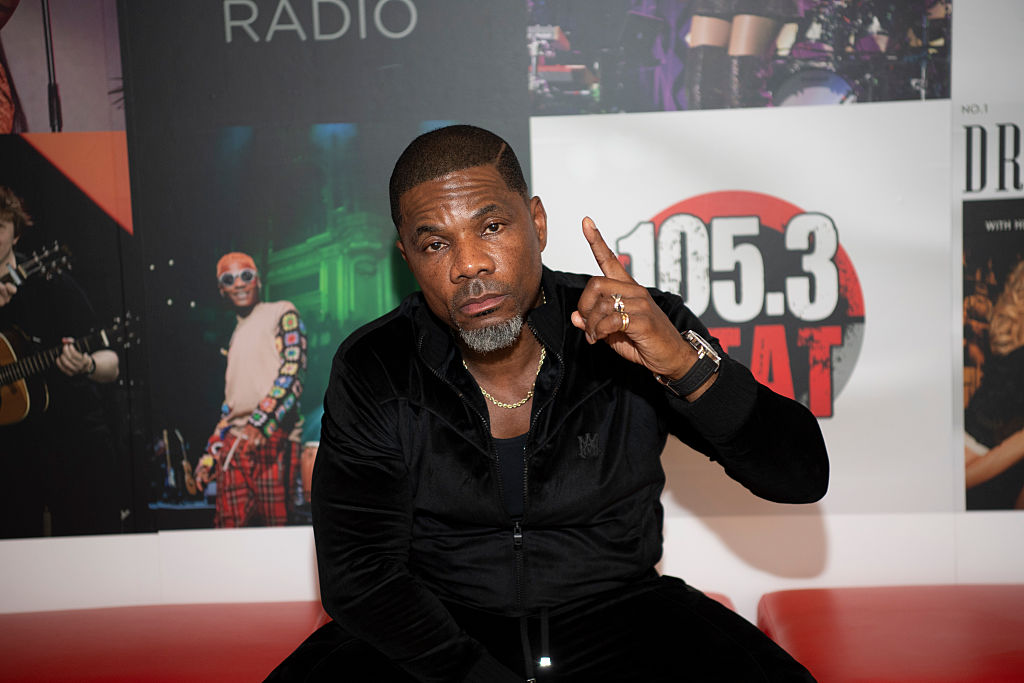
Kirk Franklin dropped a new single with GloRilla, and, as expected, the internet has questions. Some folks are confused. Some are offended, and others are already running it back for the third time. And Kirk? He told us this day was coming almost 30 years ago on “Stomp.”
“For those of you that think gospel music has gone too far, you think we got too radical with our message, well I got news for you: you ain’t heard nothin’ yet. And if you don’t know, now you know. Glory, glory!”
Some saints still haven’t recovered. During an interview on V103 in Atlanta, Cheryl “Salt” James of Salt-N-Pepa, who rapped on the 1997 hit, recalled the backlash she and Franklin received from the church community. It got so bad, she said, that some stations would play “Stomp” without her verse.
View on Threads
The song survived, and so did the church.
About That Shawty Lo Sample
Here’s the plot twist: “This Time” doesn’t sample Shawty Lo. Both “This Time” and Shawty Lo’s 2007 hit “Dey Know” borrow from the same source, Mandrill’s 1972 funk record “Children of the Sun.” The horn line some believers are calling worldly was soul music before it ever touched a trap beat.
GloRilla is no stranger to the sanctuary, either. Born Gloria Hallelujah Woods, she grew up singing in the church choir. She didn’t wander into gospel; this is a homecoming of sorts.
Gospel Has Always Borrowed From the Radio
If gospel can never touch secular sound, much of the gospel canon is in trouble. Twinkie Clark of the trailblazing Clark Sisters has been open about Stevie Wonder’s influence on her writing, even drawing on the reggae feel of “Master Blaster” while composing “You Brought the Sunshine.” James Cleveland, the King of Gospel, referenced Gladys Knight in “Jesus Is the Best Thing.”
The features tell the same story. Tasha Cobbs brought in Nicki Minaj. The Clark Sisters have recorded with Missy Elliott and Snoop Dogg. Mary Mary teamed up with David Banner. And nobody’s salvation has been revoked.
The exchange runs both ways. Chance the Rapper’s “Coloring Book” leans on gospel choirs in tracks like “How Great” and “Blessings.” Kendrick Lamar’s “Meet the Grahams” samples “Can You Say Yeah?,” a 1982 record by Andrew Wartts and The Gospel Storytellers.
Kirk has done this his whole career, sampling, interpolating, and collaborating with artists like Al Green, Stevie Wonder, Salt, Tony! Toni! Toné!, and Angela Winbush. The church sometimes resists new sounds. When the Edwin Hawkins Singers’ “Oh Happy Day” took off in 1969, some believers considered it too contemporary for the times. Today, choirs around the world sing it as a gospel staple.
The Church Has Bigger Fish to Fry
Asked about the backlash on “The Breakfast Club,” Franklin kept it simple: “I’m trying to tell the world about Jesus.”
Kirk and his production choices should not be the center of theological debate. For Christians, the more useful questions are simpler: Is the song uplifting? Has it drawn anyone closer to Jesus? Believers can wrestle with nuance and what that means for their own convictions. But attempting to condemn Kirk over a horn line while ignoring how music has always crossed genre lines, especially in gospel, misses the bigger picture. And if the song isn’t for you, the solution is easy. Don’t play it. Kirk already warned us: if you didn’t know, now you know.
Meanwhile, gas is back above $4 a gallon. Layoffs keep coming. Food recalls are stacking up. Racism and prejudice of every kind are getting louder by the day. Church, there are bigger fish to fry.