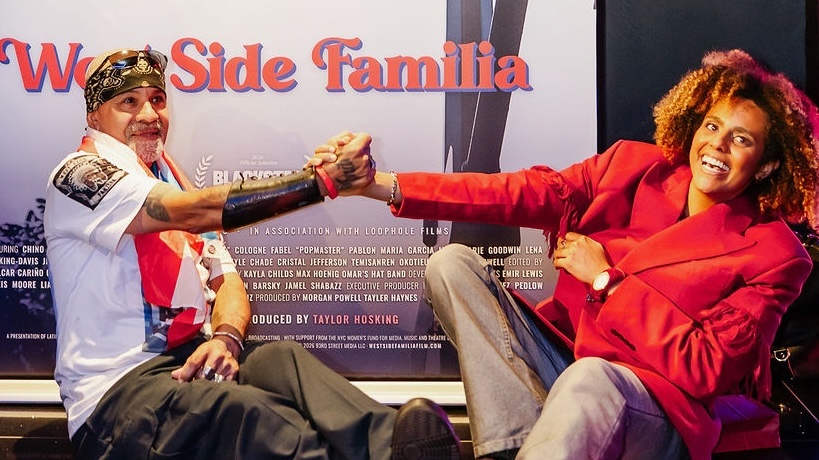
For many, Manhattan’s Upper West Side is remembered through popular television shows like Seinfeld or Only Murders in the Building. Even people who live in the neighborhood today are not often aware of the influence of the neighborhood’s Black and Puerto Rican communities.
First-time feature filmmaker Taylor Hosking explores that overlooked history in her documentary West Side Familia. In a recent interview with EBONY, Hosking discussed growing up in the neighborhood as an African American and Puerto Rican girl who didn’t speak Spanish and was raised as Black.
Eventually, she connected with Puerto Rican elders who ran a neighborhood crew called La West Side Familia in the ’70s. Through their stories, she discovered connections between the Black Panthers, the Young Lords and the local squatters’ rights movement, which laid the foundation for affordable housing her family benefited from.
“I feel a sense of purpose after learning so much about the Puerto Rican liberation movement and understanding how closely it relates to the Black liberation movement. As someone who can tell stories, it feels even more important to me now.” — Taylor Hosking, director of West Side Familia
La West Side Familia was inspired to look out for their local community, being influenced by the Black Panthers and Young Lords, who organized childcare welfare efforts and summer exchange programs.
Hosking said, “The film shows how key movements from Puerto Rico’s independence movement, to the Cuban mission, to the Black liberation movement had a lot more national momentum in the ‘70s because of the interracial solidarity of organizing communities supporting one another’s causes.”
For longtime resident Maria Garcia, who grew up on West 89th Street, those cultural connections were part of everyday life.
“I didn’t know we were separate until many years later,” Garcia said of growing up alongside Black and Puerto Rican neighbors. “It didn’t feel unnatural. It’s just what was normal for us.”
Hosking’s aunt, Lena, remembers those cultures being inseparable.
“As far as Latino and Black culture, I would go so far as to say that they were even more than just parallel. They were intertwined,” Lena recalled.
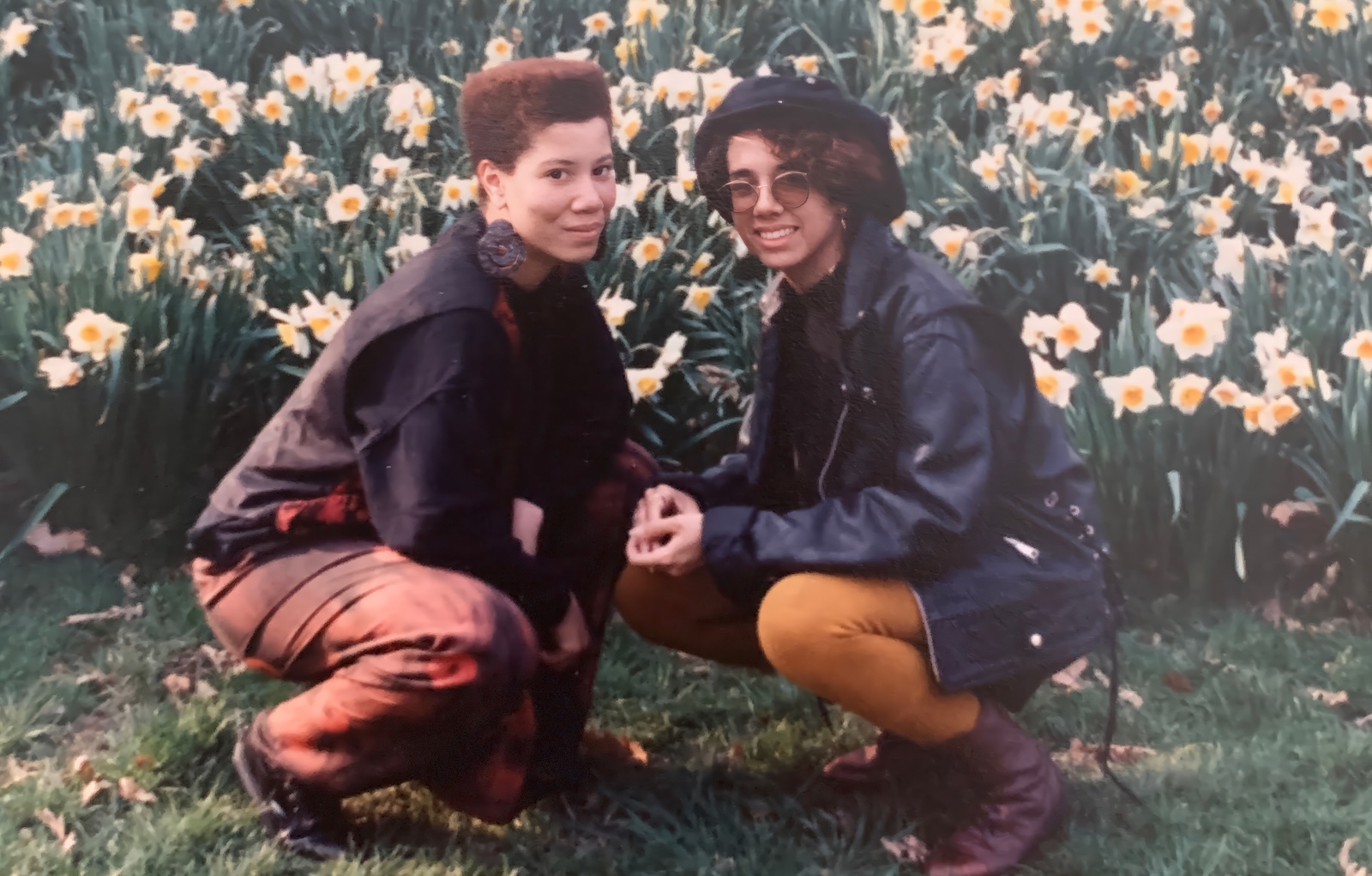
“I want people to remember that this is a Black and brown neighborhood,” she added.
For Taylor, sharing the film has strengthened her connection to her heritage and her understanding of how to reduce cultural erasure.
“I feel really lucky that I’m able to be a kind of bridge between the African American community and the Puerto Rican community,” she said.
West Side Familia is currently on a festival and neighborhood tour ahead of its release on PBS in 2027.