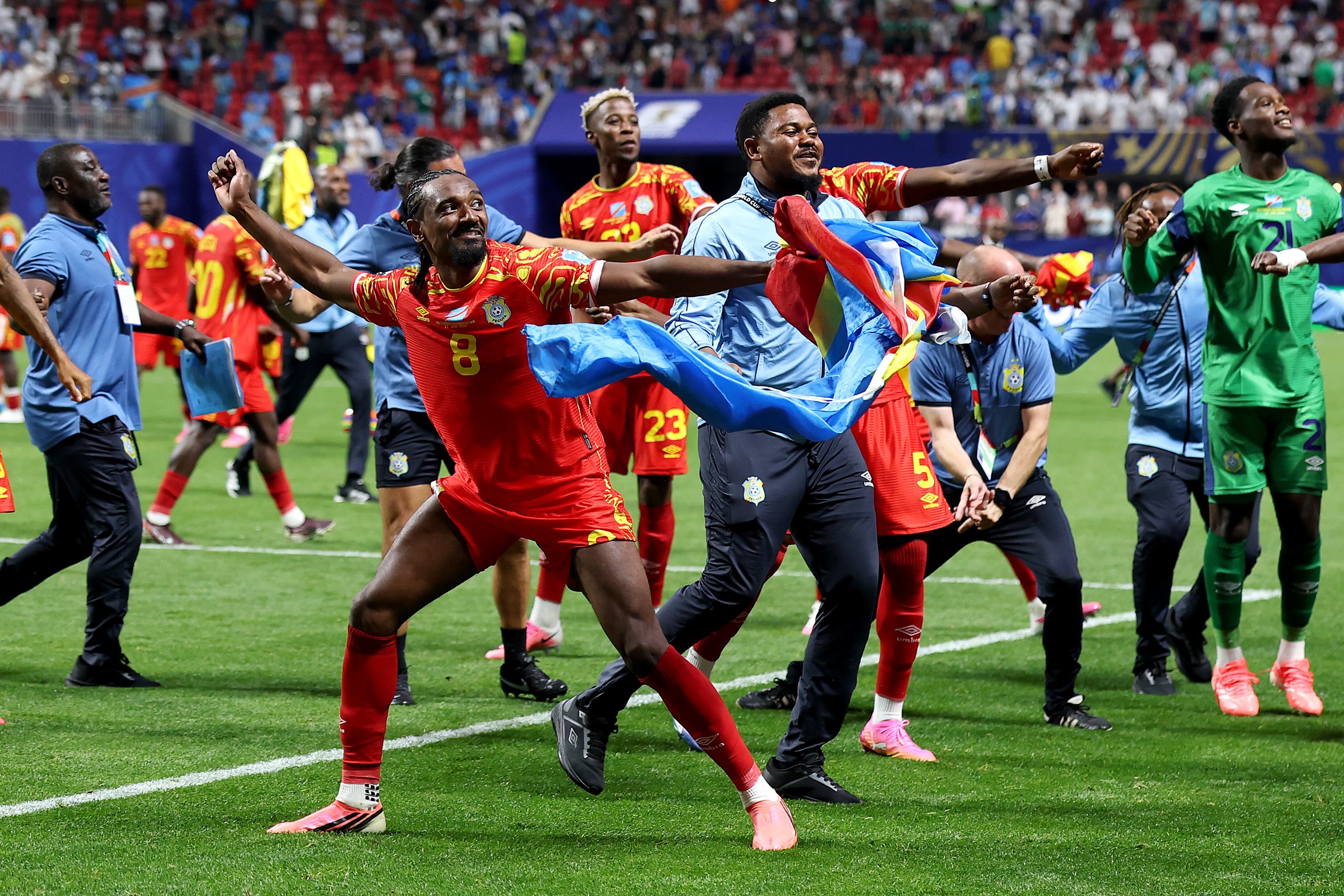
African futbol is having a moment, and that’s by design. Sort of.
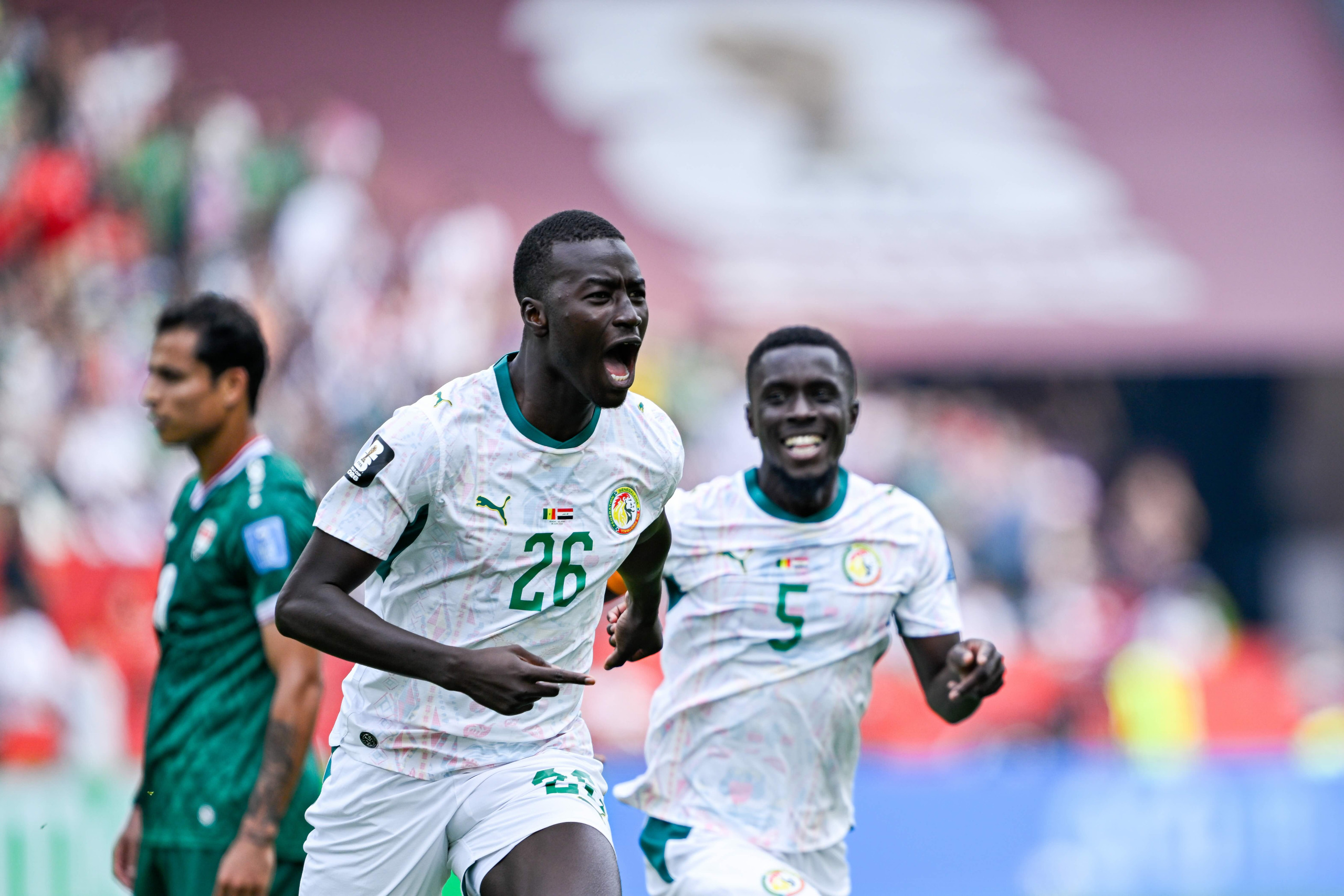
Teams from seven African nations are playing in the second round, or knockout stage, after advancing past group play at last week’s FIFA World Cup. That’s the most teams from the continent to ever advance past the group stage in World Cup history. South Africa, Morocco, Senegal, the Democratic Republic of the Congo, Algeria, Ghana, Egypt, and tournament Cinderella Cabo Verde, the only team remaining that’s playing in its first-ever World Cup, all survived.
It’s a great reason to celebrate the diaspora, but it could also be short-lived. Unlike in the group play, where teams win points for either winning or ending a game in a tie, in the knockout round, it’s win or go home, and we’ve already got two examples of how that works out. South Africa didn’t make it past a heartbreaking extra-time loss to Canada in the first knockout match on Sunday and was eliminated. Morocco, on the other hand, eliminated the Netherlands on Monday, scoring a literal last-minute game-tying goal, surviving two extra-time periods and then winning a penalty-kick shootout to advance to the round of 16.
With Morocco already through and seven African teams left to play, it’s starting to look like FIFA got it right when it voted to expand the tournament back in 2017. Before then, only 32 teams made the World Cup’s early rounds, as opposed to 48. But FIFA President Gianni Infantino and others argued that expansion would allow teams from smaller nations the opportunity to compete against larger, wealthier countries that had dominated for decades.
That argument sounds altruistic, but it was ultimately about money. FIFA is a multibillion-dollar enterprise that gets as much as 75% of its revenue from TV rights and sponsorships. Adding 16 teams to the men’s tournament, where Fox owns broadcast rights in the United States, increased the number of televised matches by 40%. FIFA knew what that meant for its coffers. In the budget for its 2023-2026 “cycle,” which includes the current men’s tournament as well as the 2023 women’s World Cup, the organization predicted record revenue of $13 billion, an increase of 72% over its previous cycle. It attributed the growth to “the expansion of its flagship tournaments.”
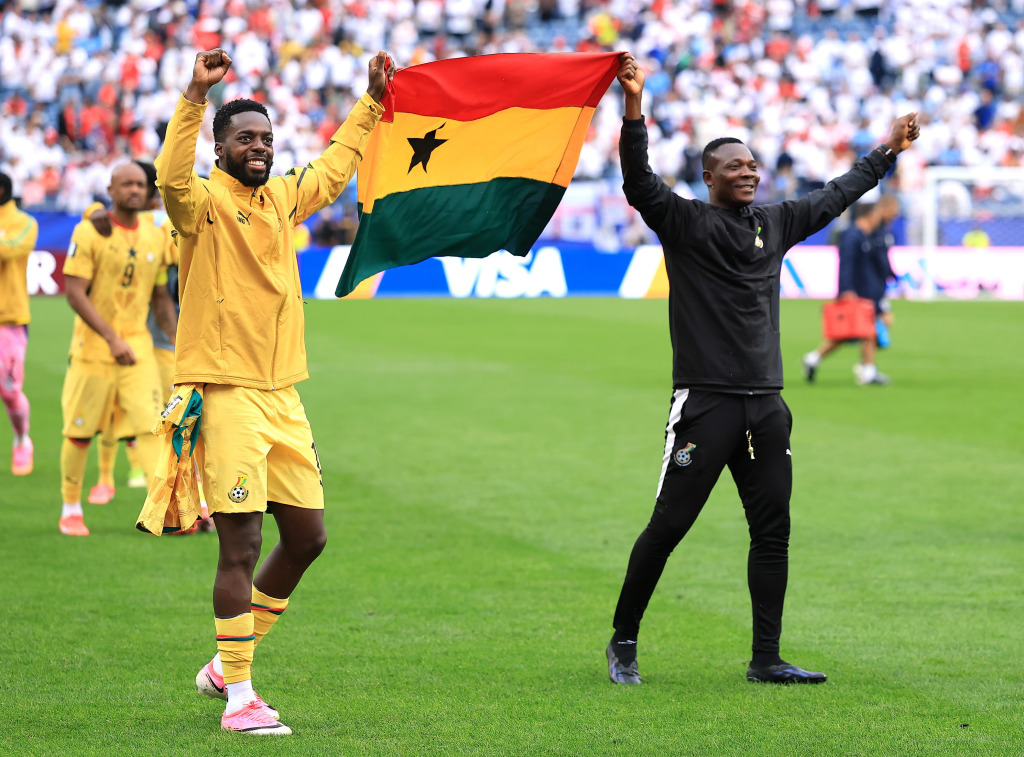
Another view is that Africa, a longtime exporter of soccer talent to Europe and elsewhere, finally benefits from FIFA’s global profiteering.
Not everyone sees it that way. Ghana head coach Carlos Queiroz reportedly called the expansion “vulgar,” saying that allowing 48 teams instead of the old 32 makes the tournament “ordinary.” Queiroz, who is originally from Mozambique and holds Portuguese citizenship, also coached the South African national team to a World Cup berth in 2002.
“Where we used to talk about football, it is now moneyball,” he said in a press conference after Ghana’s group stage 2-1 loss to Croatia.
Ghana next faces Colombia on July 3.