In the vibrant era of pop culture and the digital age, there has always been a communal spirit that we’ve all loved, whether it was a shared enjoyment of music or TV; those moments brought people together.
Still, in recent years, the rise of new-age stan culture has dramatically transformed what it means to be a passionate fan —what once was fun and escapism has turned into a battleground for vitriol and division. From the cult following of Love Island USA to the dedicated fanbase of female rappers, it seems that the essence of entertainment is being overshadowed by online feuds and excessive scrutiny.
“Rational [and] nuanced thinking is [being taken] out of the conversation and the erasure of healthy conversations, dialogue and debate about topical issues like music, entertainment, film, artistry or other forms of art and culture,” said music and culture journalist Nicolas-Tyrell Scott.
“It’s possible, for example, to like an artist, respect aspects of their musicality, but not agree with some of their political stances, behavior or choices. Or like a director, but not appreciate a recent movie of theirs, compared to previous works. That shouldn’t entice an army of fans to doxx, abuse or fundamentally distort the conversation with blind advocacy or standom.”
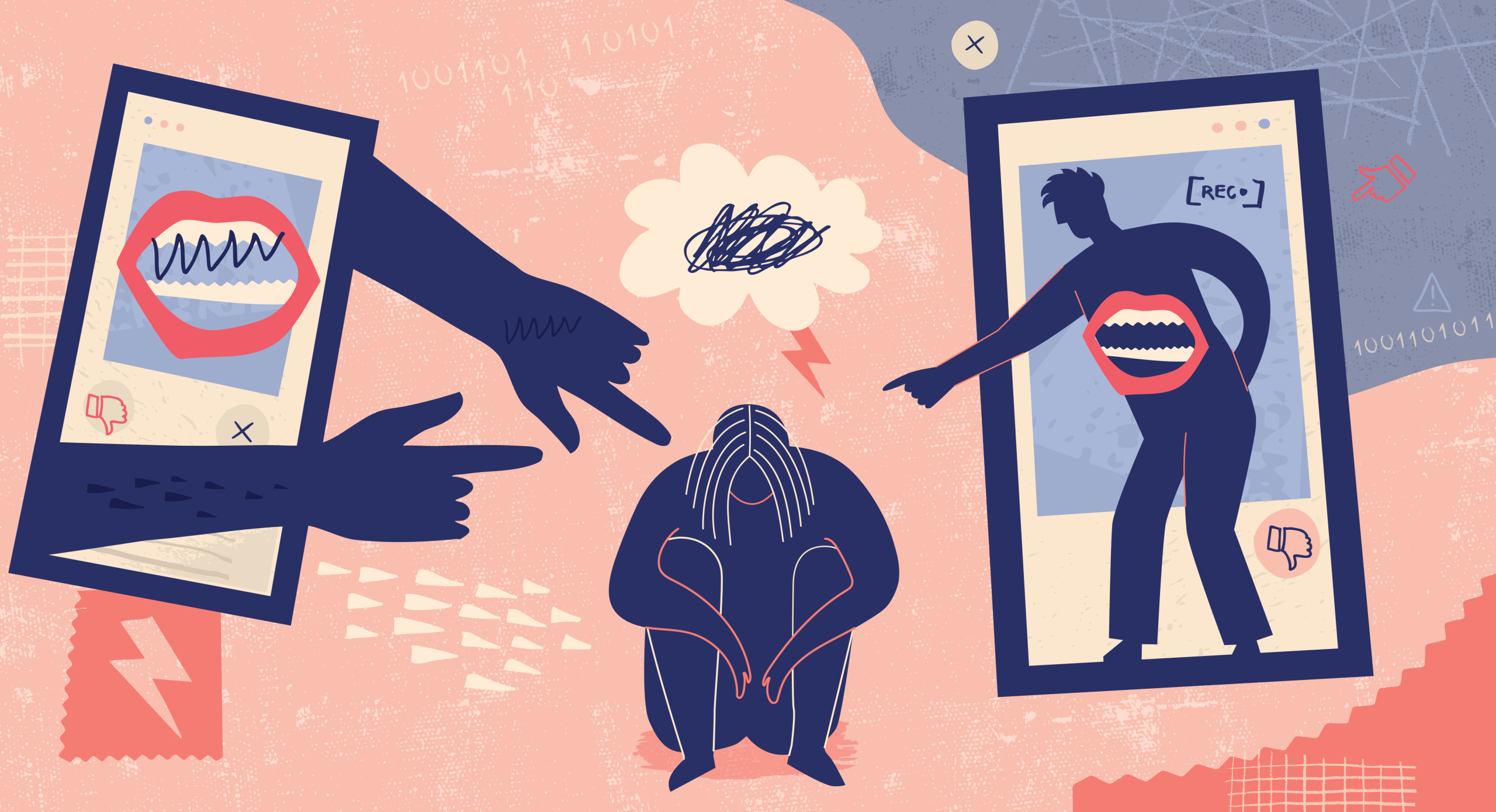
The obvious heart of this transformation is social media, which has facilitated a rapid-fire cesspool of opinions and reactions. The same platforms that allow fans to celebrate their favorite artists also serve as the breeding ground for toxic behavior.
Stans—those hardcore fans who dedicate themselves fiercely to their idols—often take a stance against anyone perceived as a threat or rival. This intense loyalty, while it can create a sense of community, often manifests as hostility toward opposing fan bases or even critics. What was once healthy discourse has turned into personal attacks and relentless shaming.
Reality TV, once a guilty pleasure that provided light-hearted entertainment and an escape from the mundanity of everyday life, is now scrutinized under a harsh lens. Shows like Love Island USA or Love Is Blind have become not just programs to enjoy but focal points for divisive commentary. Fans are no longer content with merely watching; they dissect every moment, character arc and interaction, often resorting to harsh criticism and moral outrage.
“I think modern critics and journalists expect and anticipate that,” Scott told EBONY. “It’s directly contributed to the dilution of criticism by publication editors, and or writers themselves when approaching reviews, op-eds and features regarding visible artists and celebrities. It actually erases the ability to truly convey or analyse a piece of cultural production; many of my peers have questioned if the perspective or opinion is even worth sharing, as the response might be lethal.”
Similarly, the evolution of music culture and fandom has become a case study in how stan culture can distort appreciation for artistry. Artists like Taylor Swift, Beyoncé, Nicki Minaj, Cardi B, Megan Thee Stallion and so many more are talented, yet their fans often engage in rivalries that can overshadow their music. For anyone on the outside who wants to enjoy and absorb art, they may find themselves critically analyzing how stans would respond to a certain take.
“I considered the potential backlash during a review I did of Kendrick Lamar’s Mr. Morale & the Big Steppers; it would be surprising not to take that into consideration,” Scott said. “That doesn’t mean change your work, and succumb to standom, but it is a thought that comes to mind, especially if visible on social media too.”
This culture of extreme devotion creates a toxic cycle in which the true essence of pop culture is lost when fans are pushing for who has the most sales or screenshots of someone liking shady tweets. The fun, community and excitement of engaging with art and entertainment are replaced by constant scrutiny and the pressure to take sides. Fans who may have once simply enjoyed a catchy song or a TV fave now feel compelled to engage in combative discourse, which can alienate those who might otherwise enjoy the content.
Many celebrities have spoken about the pressure that comes with being a public figure in such an unforgiving environment. The constant criticism and fan dynamics can lead to anxiety, burnout and even withdrawal from the very platforms that once connected them with their supporters.
While stan culture can create a sense of belonging and connection among fans, it also poses a significant threat to the enjoyment of pop culture. “I see other stars policing their stans’ violence,” Scott said. “I think ultimately the rise of opinions on more considered platforms like Substack, Reddit and Discord communities will likely continue to thrive, so stealthy criticism, but on platforms that have shown themselves to cater to rational dissection.”
The constant need to critique and argue over opinions takes away from the joy and escapism that art is meant to provide. To reclaim the fun in pop culture, there must be a collective shift toward enjoyment rather than rivalry.