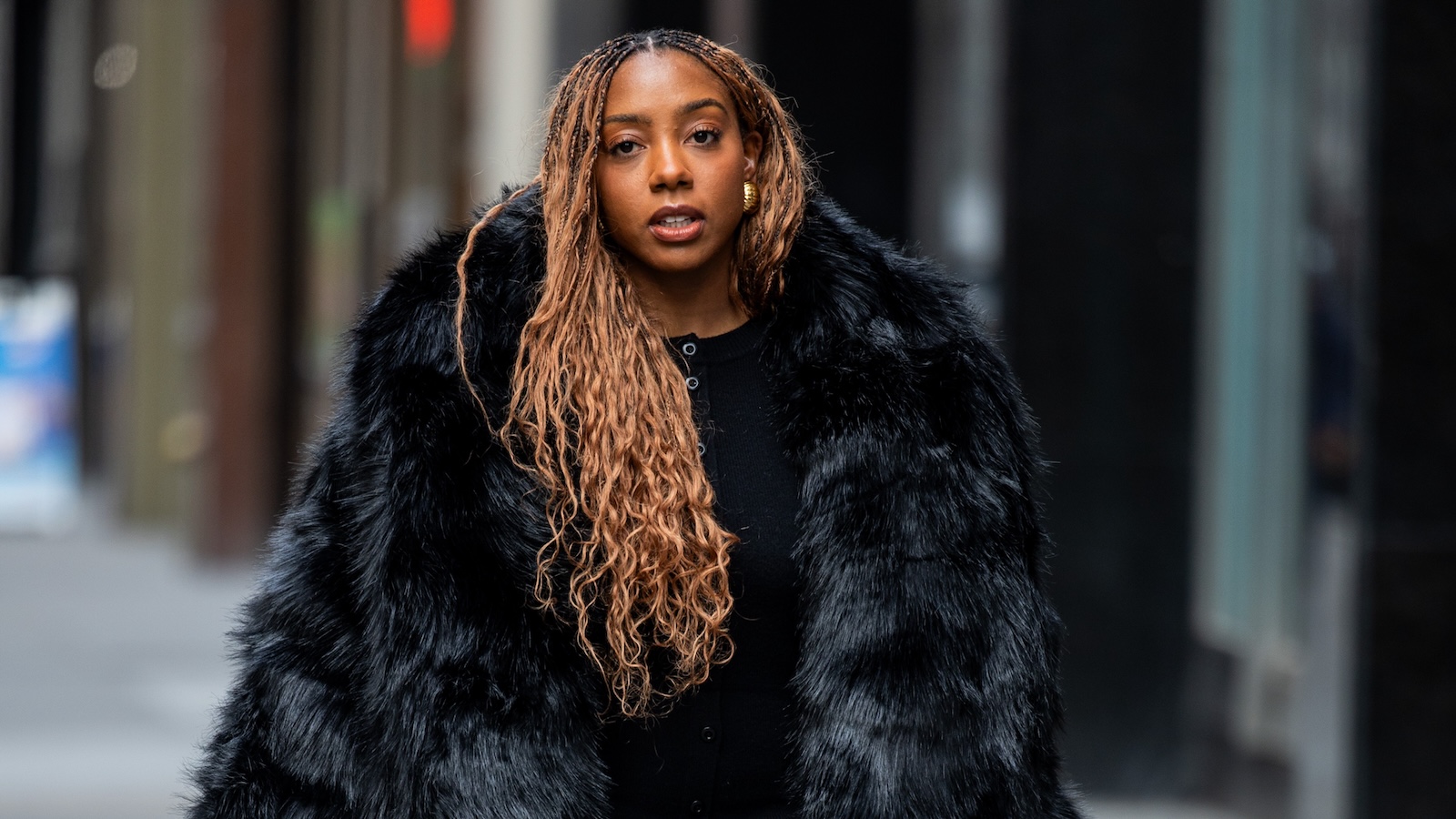
Picture this: a high-powered, effortlessly chic Black woman struts through the glass doors of a fashion empire, her heels clicking like a metronome of success. She’s the editor-in-chief, the visionary, the boss everyone both fears and reveres. Maybe she’s giving an intern a life-changing monologue about the difference between cerulean and cobalt, or maybe she’s flipping through a glossy mag plotting her next legendary cover shoot. The drama? Immaculate. The romance? A slow burn with a well-dressed love interest who gets her. The problem? Hollywood has still never made this movie.
And what makes the absence feel even louder now is that The Devil Wears Prada 2 has officially arrived, reflecting the current state of media with all the conversations around digital publishing, shrinking mastheads, luxury fashion, influence and the fight to keep magazines culturally relevant. Yet somehow, in a sequel arriving nearly two decades later, we still only saw one Black woman in the core fashion world and she remained in a supporting role. In 2026, that gap feels less like an oversight and more like a refusal to imagine Black women at the center of aspirational fashion storytelling.
We’ve seen the blueprint. The Devil Wears Prada cemented Miranda Priestly as the cold, commanding queen of fashion media. 13 Going on 30 gave us Jenna Rink, a bubbly, big-dreaming editor with a flair for storytelling and a killer wardrobe. How to Lose a Guy in 10 Days made Andie Anderson the rare fashion magazine writer with a press pass into both investigative journalism and the rom-com hall of fame. But where’s the film where a Black woman is at the helm of a major fashion publication, balancing power, love and a wardrobe that could stop traffic?
And before you bring up Janet Jackson in For Colored Girls, nobody is ignoring that. Her character, Jo, was a high-powered, Chanel-clad magazine executive, sure. But was that movie a rom-com? Absolutely not. It was pain, trauma, and emotional wreckage wrapped in luxury separates. For Colored Girls is an important film, but it’s also not one you casually throw on for a cozy night in or recommend during brunch without a serious emotional disclaimer attached.
What makes this Hollywood oversight even stranger is that the script has already written itself. Black women have been running major fashion and lifestyle magazines for decades. Susan L. Taylor shaped culture during her legendary tenure at ESSENCE. Amy DuBois Barnett modernized EBONY while protecting its legacy. Lindsay Peoples transformed Teen Vogue before taking over The Cut and reshaping conversations around fashion and power for a new generation. Kenya Hunt currently leads ELLE UK while bringing a global perspective to luxury fashion media and Nikki Ogunnaike continues redefining modern women’s media at Marie Claire with a voice that feels sharp, stylish, and culturally aware. The real-life Mirandas have existed. Hollywood just refuses to build the cinematic universe around them.
Ironically, one of the closest things we ever got to this fantasy came from television. At the end of Ugly Betty, Vanessa Williams’ Wilhelmina Slater finally became editor-in-chief after years of clawing, scheming and surviving within the fashion media machine. For many Black viewers, that moment felt oddly satisfying because it acknowledged something television and film rarely allow Black women to fully embody: unchecked ambition within luxury fashion spaces. Even then, the role was framed through rivalry and comedy rather than romance, softness, or aspirational fantasy.
Hollywood loves a formula, and we’ve let them recycle the same one for too long. It’s always the quirky white woman who lands the dream job, the dream wardrobe, and the dreamy love interest while racing to save a magazine issue or prove herself to a skeptical boss. Meanwhile, Black women in media-centric stories are often positioned as the best friend, the rival, or the intimidating authority figure who somehow exists outside the possibility of romance. Even when Black women lead fashion-adjacent films like Boomerang or B.A.P.S., the upper echelon of luxury publishing rarely becomes their playground.
That’s what makes this absence bigger than representation. Rom-coms are fantasy vehicles. They let audiences imagine themselves in glamorous offices, beautiful clothes, impossible apartments, and emotionally chaotic love stories. Black women deserve access to that fantasy too. We deserve to see a Black editor-in-chief running her version of Runway Magazine while balancing impossible cover shoots, office politics, front-row Fashion Week drama and a romance unfolding between deadlines and couture fittings.
The time is overdue. Give us our 13 Going on 30. Give us our Devil Wears Prada. Give us the rom-com where a Black woman commands the industry with style, power, softness, ambition and a killer walk-in closet. Hollywood has the references. Now it just needs the imagination.