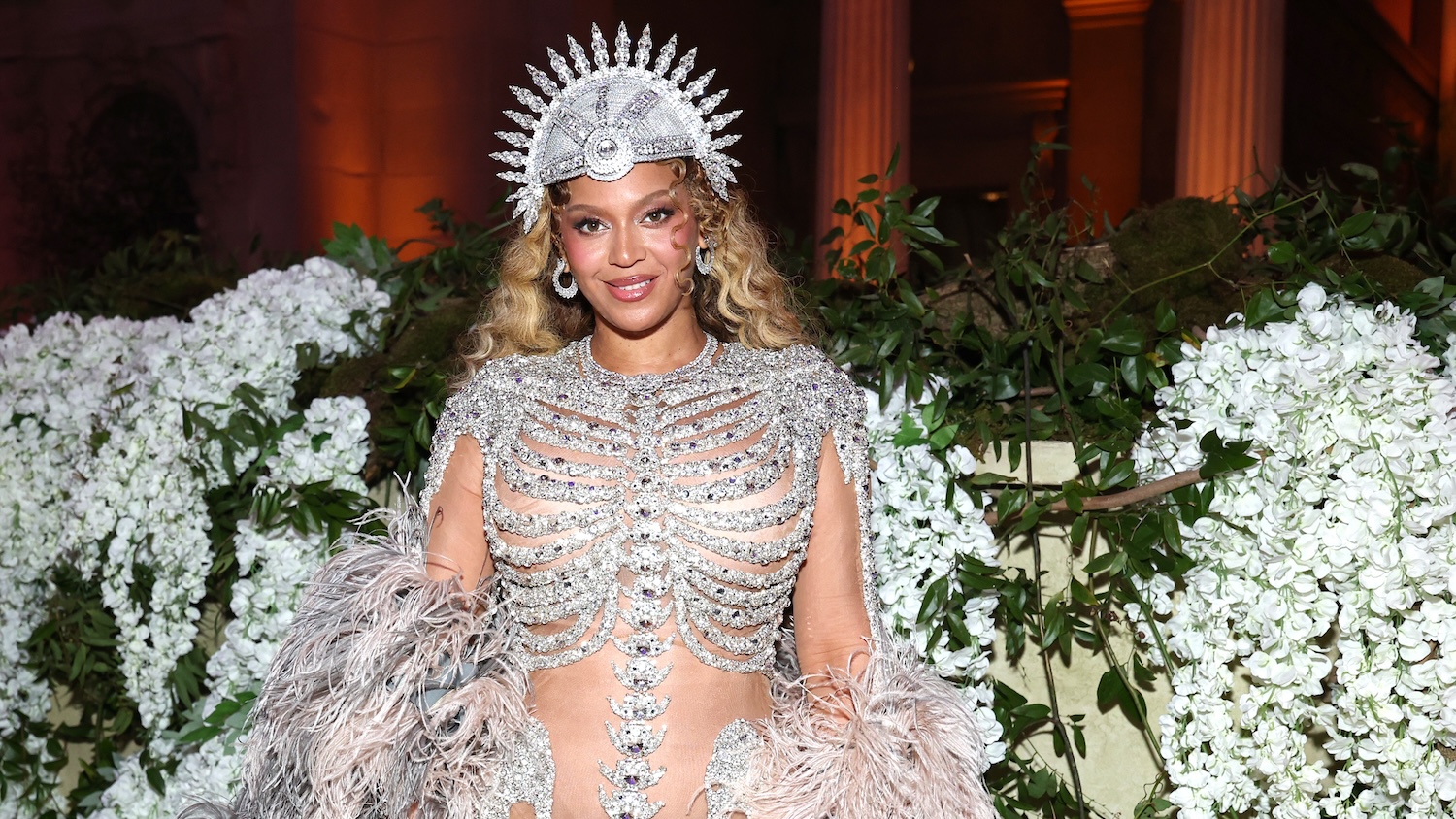
It was 20 years ago today when Beyoncé gave us a B’Day present — and, naturally, she expected us to unwrap it ourselves.
On September 4, 2006, Beyoncé Giselle Knowles released B’Day internationally, with the album arriving in the United States the following day, September 5, through Columbia Records. Her second solo studio album, B’Day, would become one of the defining statements of her early career.
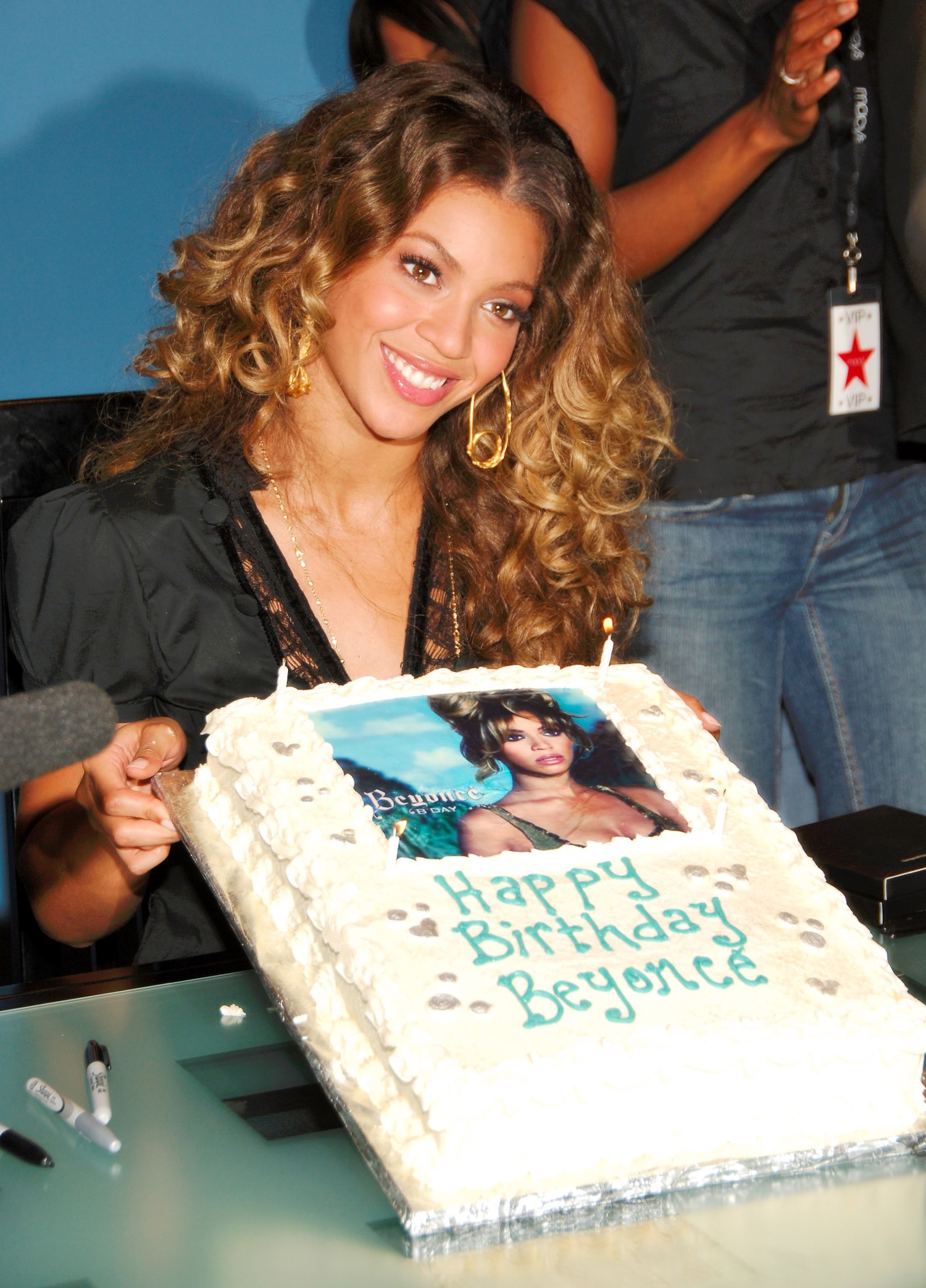
Landing on Beyoncé’s 25th birthday, it debuted at No. 1 on the Billboard 200, selling 541,000 copies in its first week in the U.S., one of the strongest openings of the year. The album marked the artist’s evolution from girl group domination to legendary solo music architect. For years to come, her style and sound would define music across all genres. It received critical acclaim, with media, producers and fellow artists also publicly praising the album’s risk-taking, from live instrumentation to the way Beyoncé embraced a more assertive, grown-woman persona.
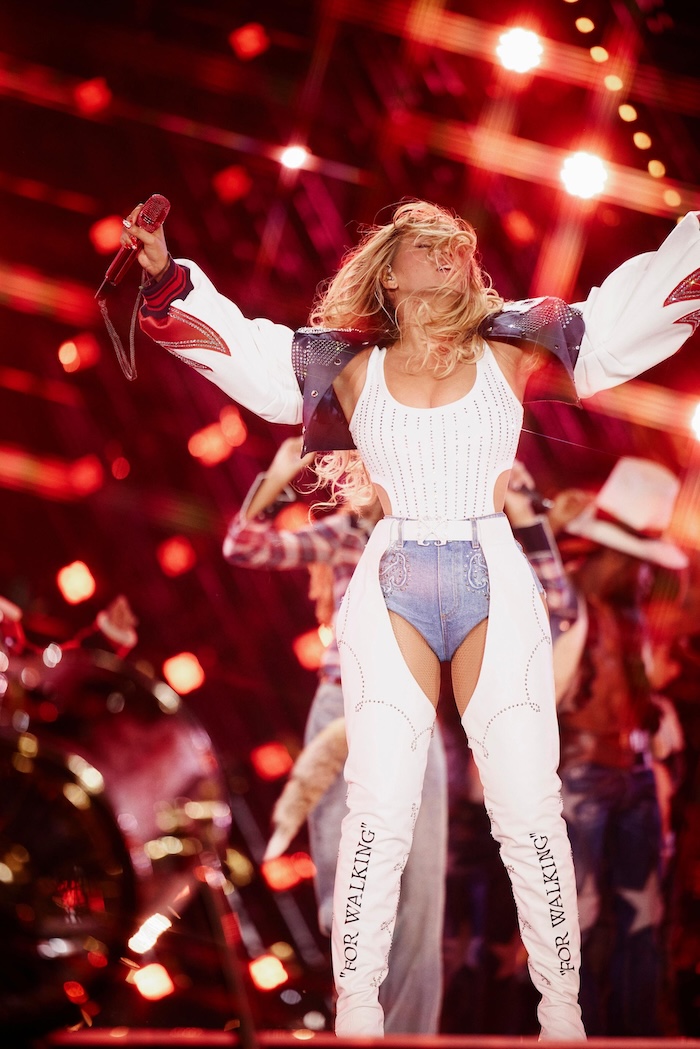
Two decades later, on the very same date, Queen Bee marks another milestone: turning 45, while B’Day officially turns 20.
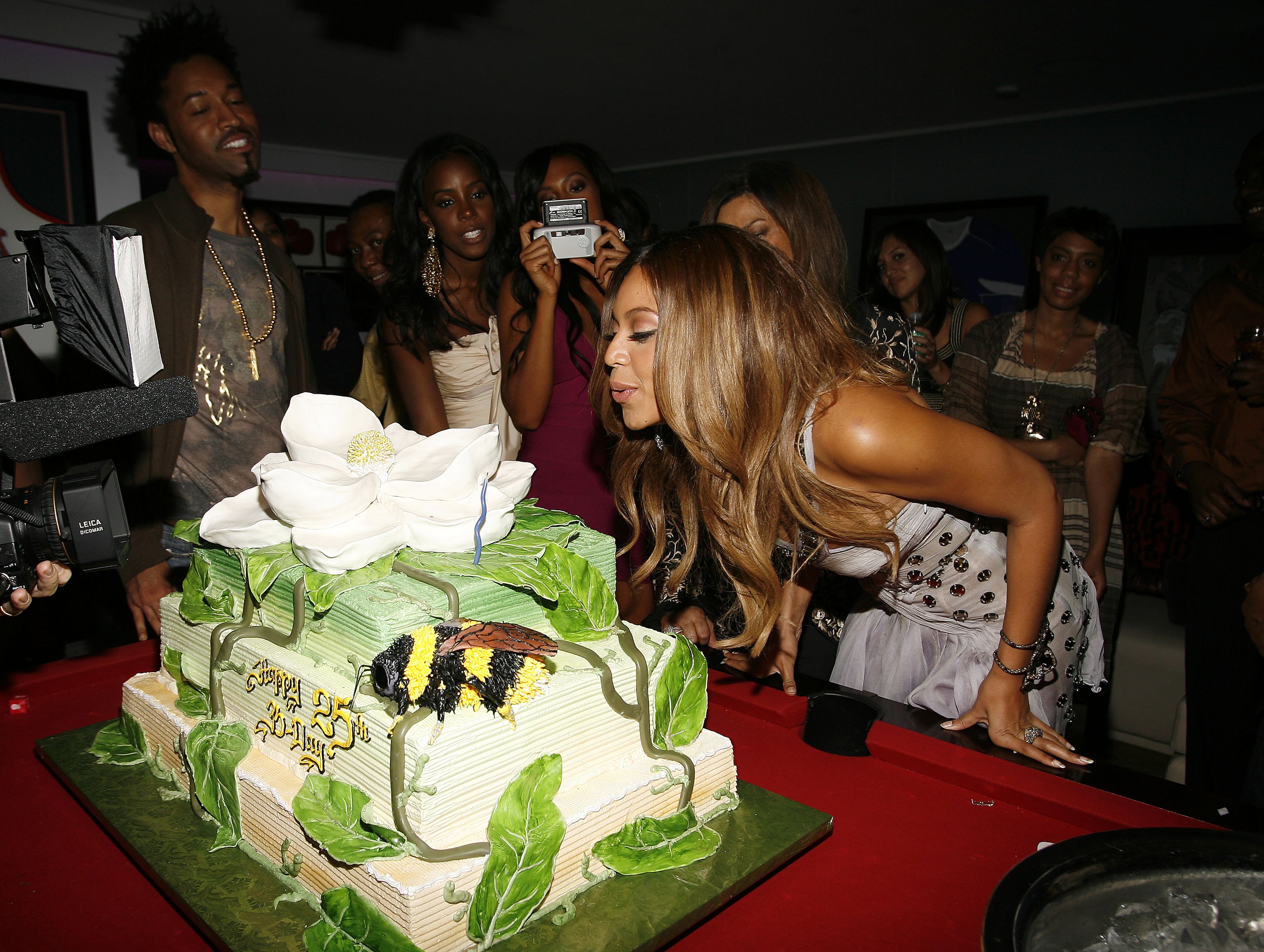
And because this is Beyoncé we’re talking about, a birthday cake and a few balloons simply would not do. Whether we deserved it or not, she is serving up another present to celebrate this milestone anniversary. B’Day (20th Anniversary Edition) offers remastered editions of the album, with an expanded deluxe 27-track collection featuring the original album alongside B-sides, Spanish-language recordings, alternate versions and additional material.

The deluxe physical edition spans four LPs on “Bayou Blue” vinyl and includes a 60-page commemorative booklet and collectible art prints. For the BeyHive, the real treat is what’s been pulled from the vault: previously unreleased material including “Can I Watch You,” “Lost Yo Mind,” “Creole” and “Back Up,” plus an extended version of “Get Me Bodied.”
And then there’s “Morning Dew (Donk)”… On July 4, Beyoncé surprise-released the track, her first new music since Cowboy Carter, kicking off a 60-day countdown to her birthday and the B’Day reissue. Naturally, the BeyHive started wondering what else Beyoncé might have up her sleeve for the big day.
Whatever she has planned, the celebration is already giving: a reopened vault, new music and a 20th anniversary for one of the most important albums of her career. Around the world, the BeyHive is celebrating right along with her.
How B’Day Revealed The Beyoncé She’d Become
Part of what makes revisiting B’Day 20 years later so rewarding is realizing how much of Beyoncé’s future was already hiding in plain sight: The control. The ambition. The vocal athleticism. The fashion. The choreography. The Southern influence. The insistence on movement. The understanding that a song could live as music, image, dance and a cultural moment all at once.
Beyoncé would spend the next two decades perfecting that skill. From the surprise release of Beyoncé that changed the rules of album rollouts to Lemonade’s visual storytelling; from Renaissance’s celebration of Black queer dance-music lineage to Cowboy Carter’s excavation of Black roots in country and Americana, Beyoncé’s career has repeatedly asked the same question: Who gets to define the story? Her answer, time and again, has been simple: “I do.”
With B’Day as the blueprint, Beyoncé was already building the icon she’s become.
In honor of Beyoncé’s birthday, the album’s anniversary and two decades of Black girls everywhere knowing exactly when to scream “to the left,” here is our definitive ranking of B’Day’s unforgettable songs:
10. “Suga Mama”
Before Beyoncé gave us “Diva,” there was “Suga Mama.” The song is flirtatious, funky and wonderfully unserious about traditional gender roles. She’s got the money, she’s got the confidence and, apparently, she’s perfectly willing to spend it on her man. But something deeper is happening beneath the wink. Beyoncé has always understood the pleasure of letting Black women be fully dimensional in pop music—ambitious, sexy, romantic, funny, angry and materialistic — without having to turn any of those qualities into an apology. And yes, she makes paying the bill sound hot.
9. “Green Light”
“Green Light” doesn’t walk into the room. It kicks the door open. The production and performance have an urgency that makes the song feel like Beyoncé is physically trying to outrun a bad relationship. The rhythm is restless, the vocals are sharp, and the attitude is immaculate. It’s also a reminder that B’Day was not interested in sitting still. The album moves. It sweats. It dances. It demands your body.
8. “Kitty Kat”
There is something wonderfully petty about “Kitty Kat.” Beyoncé is over it, and she wants you to know it. The song finds her in that particular emotional territory where a relationship has gone from complicated to simply inconvenient. No grand speech. No begging. Just a woman realizing her time is too valuable to waste. It’s playful, dismissive and deliciously early-Beyoncé.
7. “Freakum Dress”
There may be no greater Beyoncé thesis than “Freakum Dress.” The premise is simple: sometimes you put on the dress. Not because you need somebody’s approval. Not because you’re trying to compete. Not because you’re dressing for the male gaze. Because you feel good. Because you look good. Because sometimes getting dressed is an act of reclamation. “Freakum Dress” turned feminine confidence into a full production number, and its influence can still be felt every time a woman changes outfits before going out because, actually, the first dress wasn’t giving what it needed to give. We have all been there. Beyoncé simply gave it a soundtrack.
6. “Ring the Alarm”
Now, this is Beyoncé mad. “Ring the Alarm” is not subtle. It is not serene. It is not interested in emotional regulation. It is Beyoncé at full volume, delivering fury with the kind of theatrical commitment that only she can pull off. The song’s production sounds like an actual emergency, and her vocal performance follows suit. There is something liberating about hearing a woman refuse to make her anger palatable. Especially a Black woman. Especially one who would eventually become known for such meticulous control. “Ring the Alarm” lets her lose it. And we love her for that.
5. “Upgrade U”
“Upgrade U” is Beyoncé and Jay-Z speaking fluent Black luxury. But the song isn’t simply about cars, diamonds and designer everything. It’s about partnership, aspiration and the idea that two people can enter a relationship with their own power intact. There is no damsel waiting to be rescued here. Beyoncé is not asking to be upgraded. She is suggesting that if you are going to stand beside her, you better be ready to level up, too. Twenty years later, the message remains delicious.
4. “Resentment”
And here is where the ranking gets serious. “Resentment” isn’t the biggest B’Day hit. It isn’t the song that makes you immediately jump out of your chair. It is, however, one of the songs that best reveals the emotional architecture underneath Beyoncé’s larger-than-life persona. The performance is wounded, restrained and devastating. Instead of giving us a clean resolution, “Resentment” leaves us sitting in the uncomfortable space after betrayal: when you know something has changed, but you haven’t figured out what comes next. That emotional ambiguity would become increasingly important to Beyoncé’s art.
3. “Get Me Bodied”
This is Beyoncé at her most communal. “Get Me Bodied” isn’t simply a song you listen to. It is a song you do. The choreography became part of its legacy. The call-and-response energy makes it feel built for a room full of women who have collectively decided that tonight is not the night to stay home. And its extended version only doubles down on that mission. This song has continued to thrive long after its original chart run. Beyoncé understands something that many pop stars don’t: joy is an artistic language, too. “Get Me Bodied” is sexy. It’s playful. It’s sweaty. It’s Black. It’s glamorous. It’s a little ridiculous. In other words, it is Beyoncé.
2. “Déjà Vu”
“Déjà Vu” is the sound of Beyoncé announcing that she had no intention of making Dangerously in Love twice. From the opening groove, the song feels physical. The instrumentation is dense, funky and rhythmic, while Beyoncé attacks the vocals with the precision of a performer who knows exactly how much she can do with her voice. The chemistry with Jay-Z is undeniable, but the record belongs to Beyoncé. It was an opening statement for a new era—one that sounded more adventurous, more rhythmic and more willing to let Beyoncé’s personality take up space… And she took up plenty.
1. “Irreplaceable”
“To the left, to the left.” You already know. “Irreplaceable” became bigger than a breakup song. It became a cultural shorthand for knowing your worth after somebody else failed to recognize it. Its brilliance is in the contrast: the production is breezy, the melody is accessible, and Beyoncé sounds almost conversational. Meanwhile, she is calmly escorting a man out of her life. No screaming required. Just directions.
And tucked inside that pop-country sound is another early glimpse of Beyoncé’s range. Long before Cowboy Carter would put her relationship to country music front and center, “Irreplaceable” showed just how effortlessly she could move across genres without losing herself in the process.
Beyoncé was already extraordinary at 25. Two decades later, she has given us more than we could have imagined back then—and somehow, she still makes us wonder what she might do next. Happy B’Day, Bey. And yes, girl. We are still getting bodied.