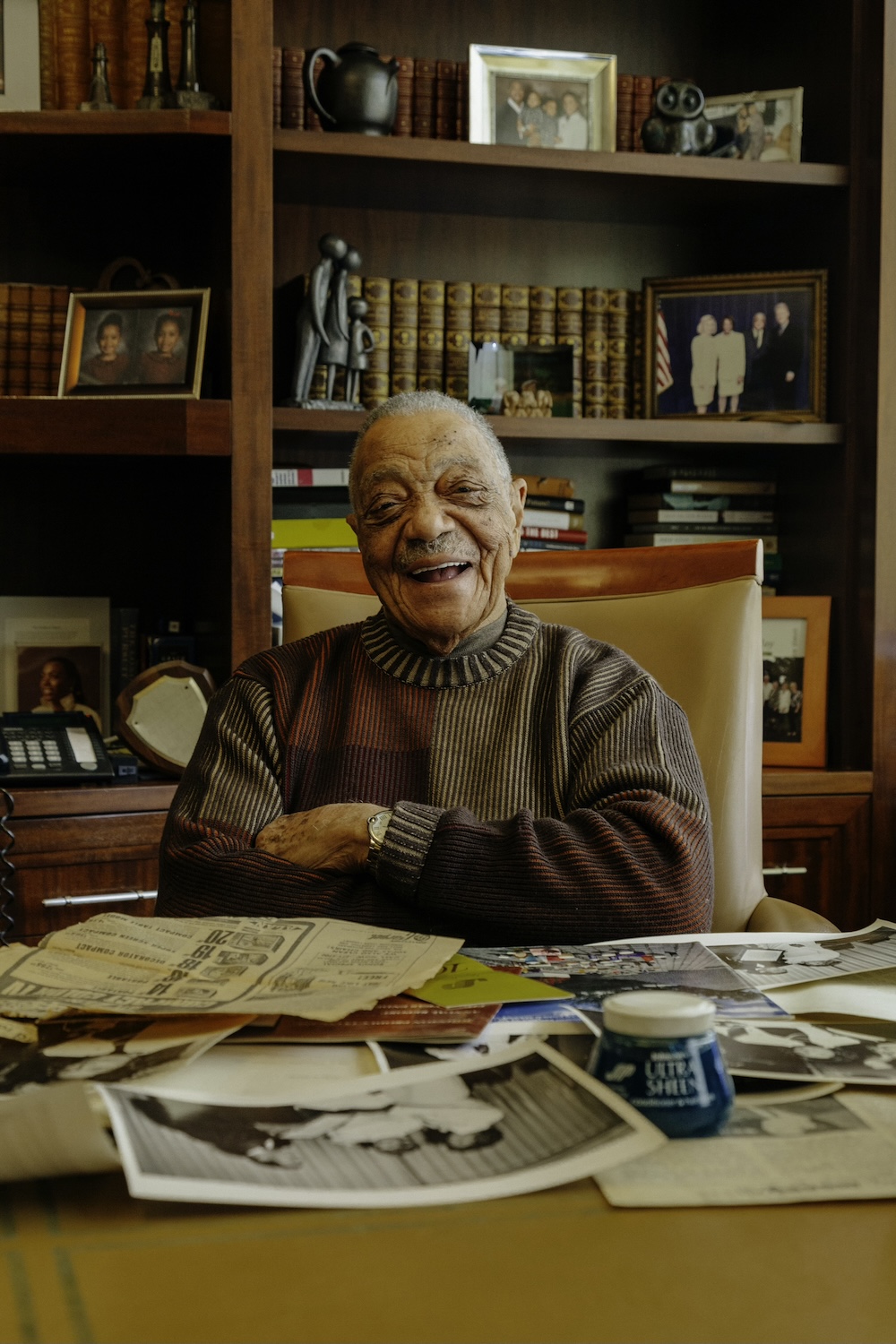
Every generation has someone whose work quietly becomes part of everyday Black life. For millions of families, that person was George E. Johnson. Whether it was an Afro Sheen can sitting on a bathroom counter, an Ultra Sheen relaxer tucked beneath the sink or one of the company’s iconic advertisements filling the pages of EBONY, Johnson’s vision found its way into homes long before many people knew the man behind it. In building Johnson Products Company, he created more than one of the most influential Black-owned businesses in American history. He helped redefine how Black beauty, Black entrepreneurship and Black excellence were seen around the world.
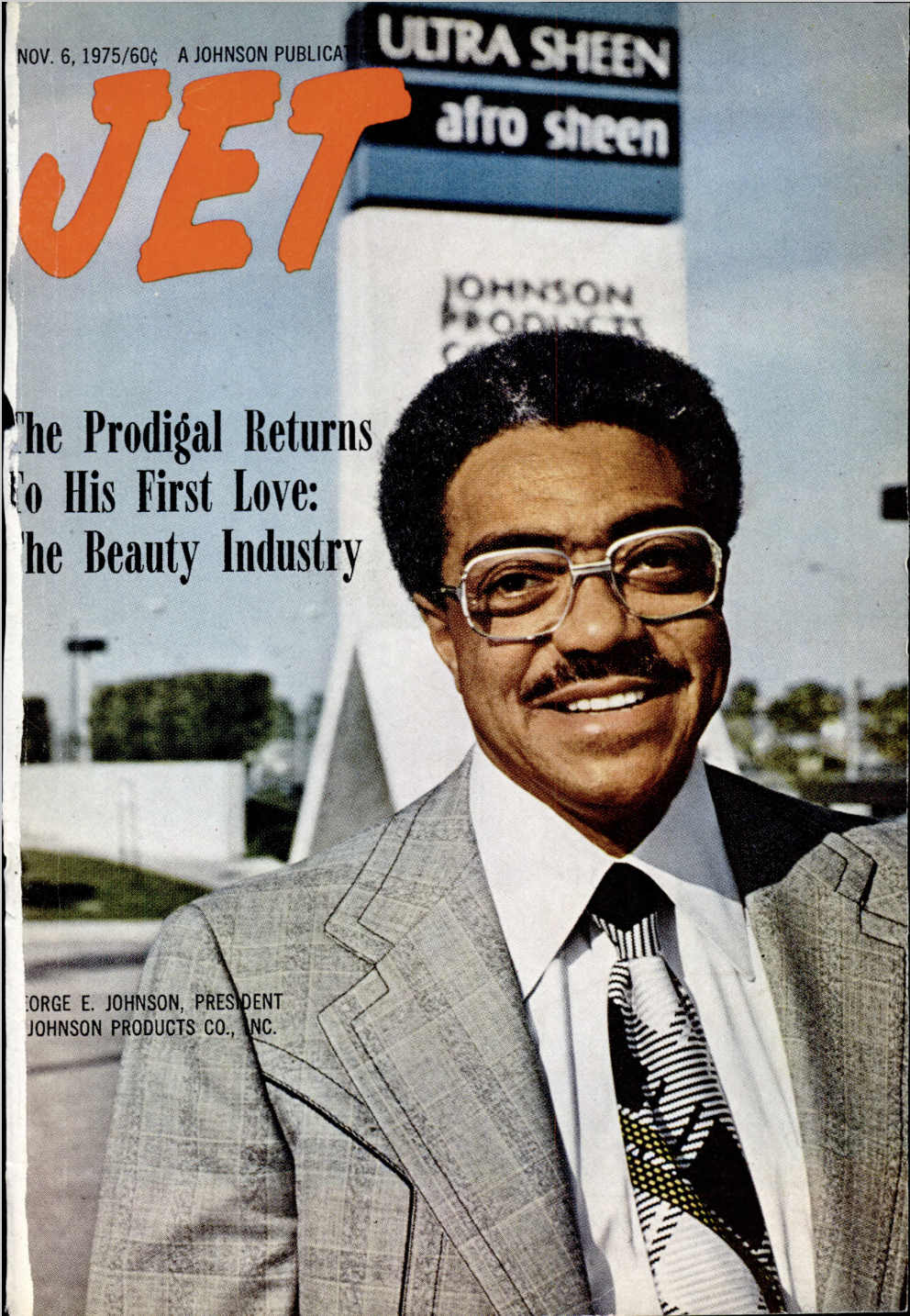
Johnson, who founded Johnson Products in Chicago in 1954 alongside his wife, Joan, transformed a small haircare company into a cultural institution. At a time when mainstream beauty brands largely ignored Black consumers, Johnson Products answered the call with innovations like Ultra Sheen and Afro Sheen. The products became staples in homes and barbershops across the country, supporting generations as Black hair evolved from straightened styles to natural Afros, braids, curls and locs. His business wasn’t simply selling haircare. It was affirming identity.

His influence extended well beyond the beauty aisle. In 1971, Johnson Products became the first Black-owned company listed on the American Stock Exchange, marking a historic milestone for Black entrepreneurship and proving that a company built by and for Black people could compete on the national stage.
For readers of EBONY, Johnson’s legacy feels especially personal.
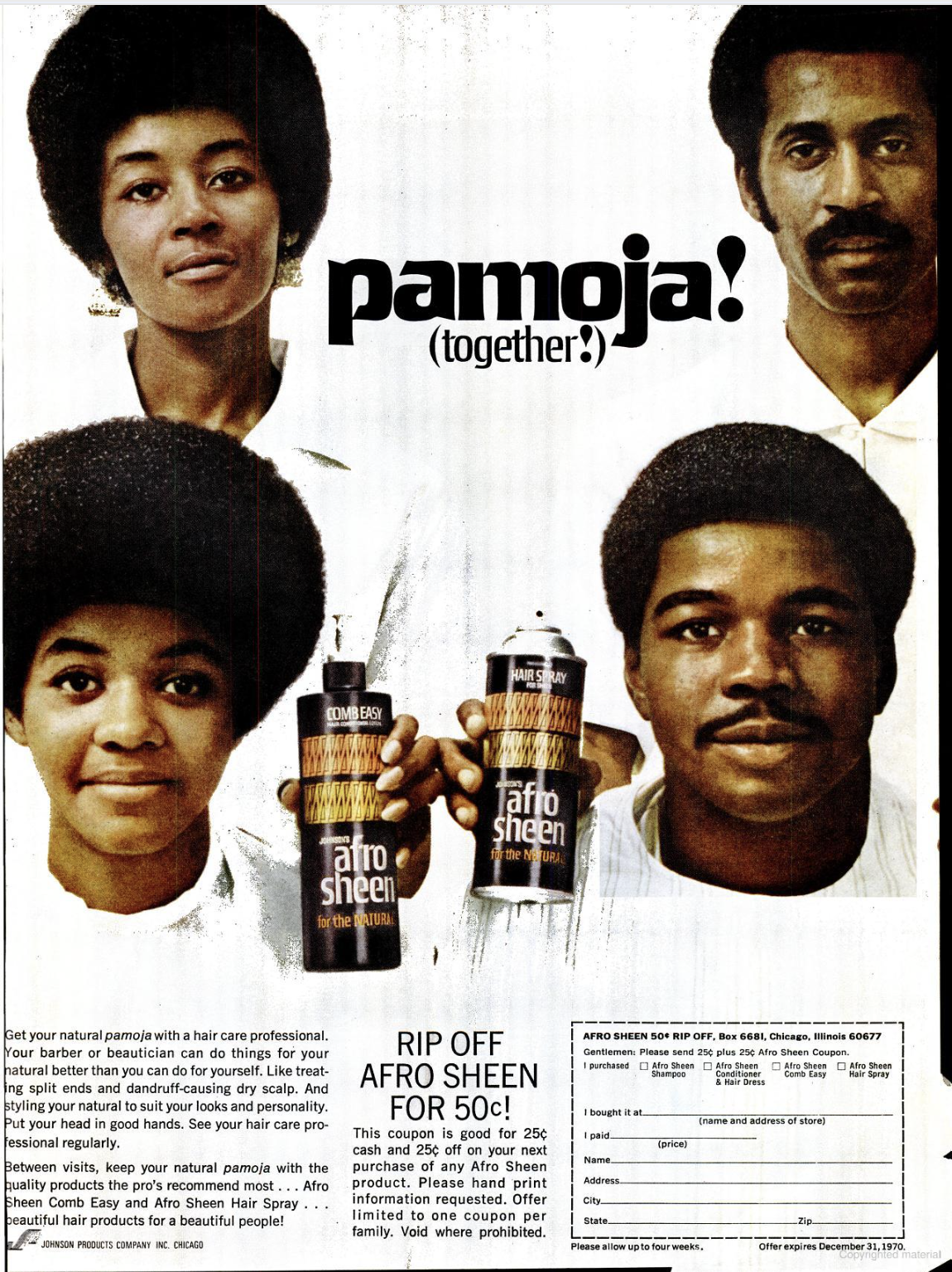
For decades, Johnson Products and EBONY grew alongside one another, each becoming pillars of Black culture during an era when few mainstream institutions invested in Black life. While EBONY documented our milestones, celebrated our beauty and chronicled our triumphs, Johnson Products filled its pages with advertisements that reflected those same values. The iconic Afro Sheen campaigns, featuring proud Black families, entertainers, athletes and everyday people, weren’t simply marketing. They became part of the visual language of Black America.
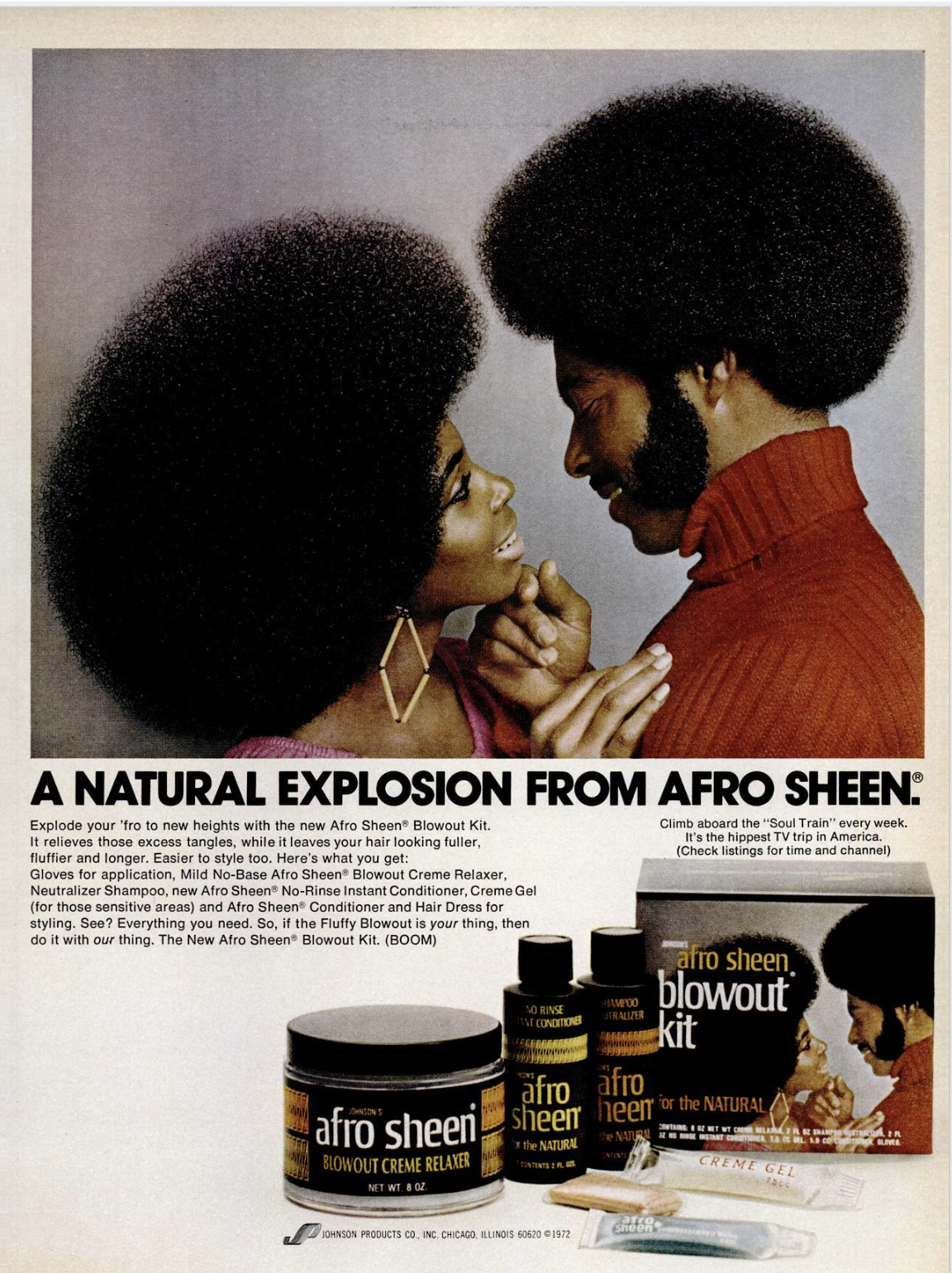
Johnson never forgot the role EBONY played in that journey. Looking back on the company’s rise, he told the magazine, “When I could afford to advertise in the late 1950s, EBONY helped to build my business by giving our products and JPC national exposure.” The relationship was mutually reinforcing. As Johnson Products grew into a household name, its presence in EBONY became part of the magazine’s visual identity, reflecting a generation of Black consumers who saw themselves represented with pride.
Those glossy advertisements did more than sell products. They reflected possibility. They reminded readers that Black beauty wasn’t something to be corrected or hidden. It was worthy of celebration, investment and innovation. For countless readers flipping through EBONY each month, Johnson Products stood as proof that Black-owned businesses could become household names while remaining deeply connected to the communities they served.
Johnson also understood that lasting success wasn’t measured solely by profits. It was measured by the way people were treated. Throughout his career, he credited the Golden Rule as both his personal philosophy and the foundation of his company.
“The power of Jesus’ edict ‘Do unto others as you would have others do unto you’ is unsurpassed. I adopted the Golden Rule in my life and made it the foundation of JPC. The Golden Rule is grounded in love, and that’s how I ran my business throughout my career.”
That belief shaped a company that invested in its employees, its customers and the communities it served. Long before conversations about corporate responsibility became commonplace, Johnson understood that treating people with dignity wasn’t a business strategy. It was a way of life.
When Johnson published his memoir, AFRO SHEEN: How I Revolutionized an Industry with the Golden Rule, from Soul Train to Wall Street, at the age of 97, he admitted telling his story didn’t come naturally.
“For more than 30 years, family and friends urged me to write my story. Every time I recounted all the blessings that made my business successful, I would cry, and I don’t like talking about myself. However, on a Sunday morning, November 21, 2021, I had an epiphany. I heard five words, ‘You must tell your story.’ I believe it was the Lord’s voice telling me to write my book.”
It’s fitting that Johnson finally chose to tell his story because, in many ways, it mirrors the story of modern Black enterprise itself. His journey from a small Chicago business owner to the founder of a nationally recognized brand helped create opportunities for generations of entrepreneurs who followed.
Today, nearly every beauty brand speaks about inclusion, textured hair and multicultural consumers. George E. Johnson built his company on those principles decades before the industry caught up.
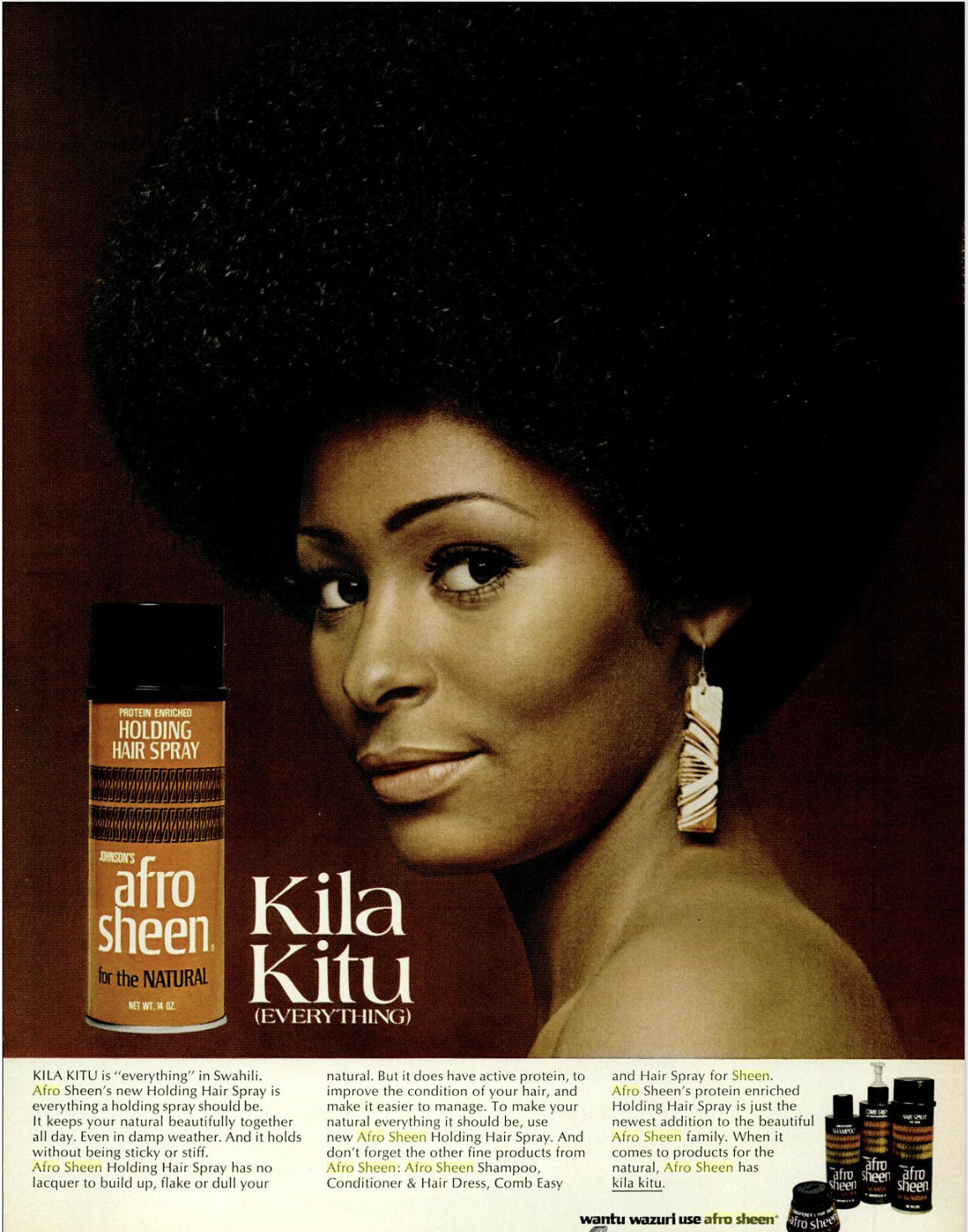
His legacy lives on in every Black-owned beauty founder raising capital, every entrepreneur building products with cultural intention and every young person who sees themselves reflected in the pages of publications like EBONY. The blueprint he created continues to shape an industry that once overlooked the very consumers who now drive it forward.
George E. Johnson leaves behind more than a successful business. He leaves behind a legacy of ownership, innovation and cultural pride that helped redefine what Black excellence looked like, both on store shelves and in the pages of EBONY. His products filled our homes, his advertisements filled our pages and his vision helped shape the way generations of Black Americans saw themselves.