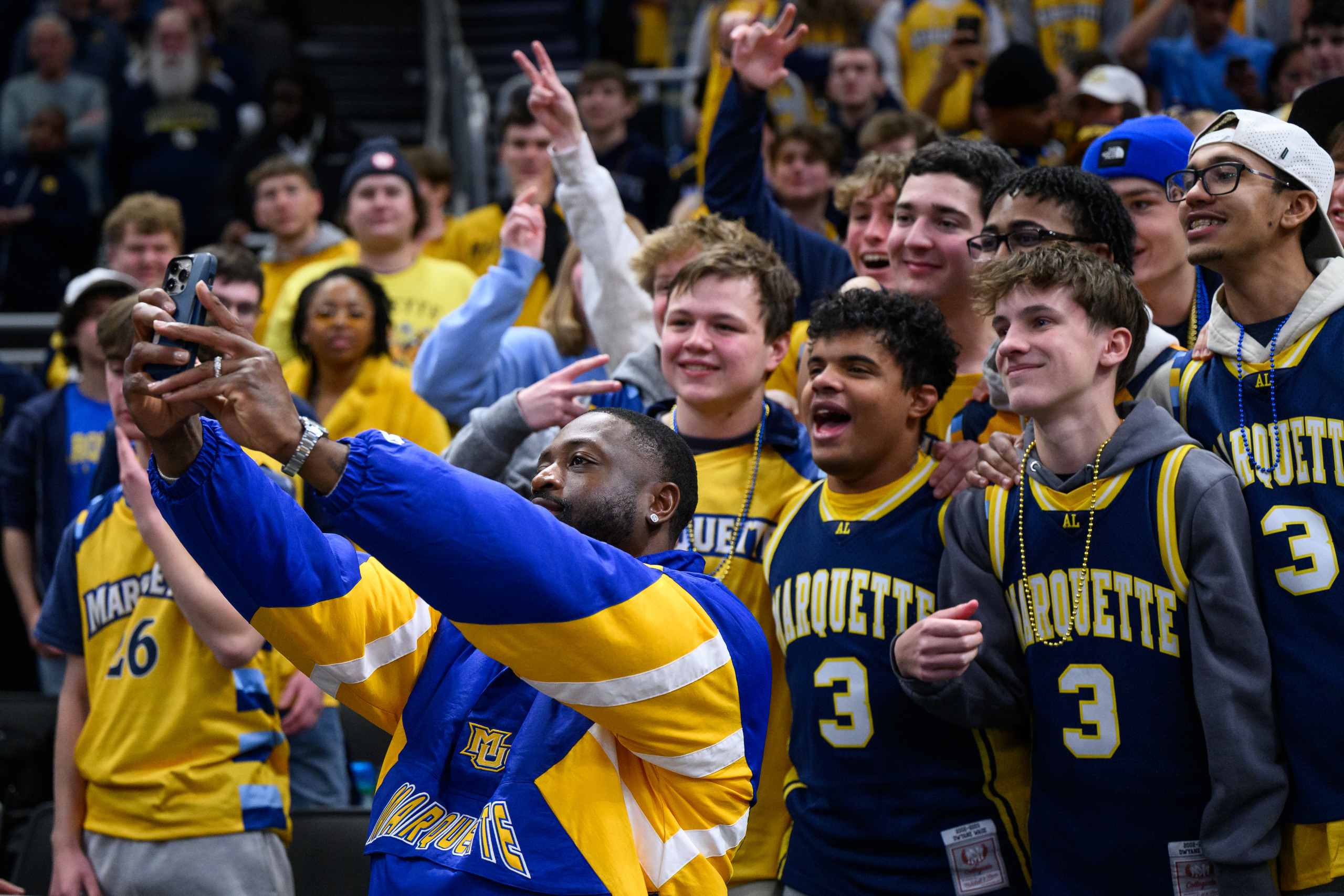
There was a time when the moment between an athlete and a fan was simple… and mostly private. A side hug. A signed autograph. Maybe — if you were lucky — you’d snag a sweaty wristband or towel tossed into the crowd. Today, that moment is something else entirely.
Yes, the nine-year-old in all of us still wants that signed poster of our favorite player to hang on the wall. But the reality is, when it comes to meeting your favorite athlete, the ultimate cultural currency is (drumroll please) the selfie. Proof. Not that you were just at the game, but so that you — yes, you — can have your own personal moment to stunt on the ’Gram.
This shift says a lot about how sports, technology, and storytelling are evolving together. Fans no longer simply watch games. They document them. They film entrances, capture buzzer-beaters from the stands, and post reactions before the SportsCenter highlight package even airs. Fan involvement has become a form of participatory storytelling. The athletes play the game, and the fans narrate it. This is all powered, of course, by the tech in our pocket.
Smartphone cameras have become increasingly powerful and intuitive tools, making it even easier to be involved. Tech companies are no longer just selling devices. They’re selling access to the moment itself. Delivering the ability to document it and occasionally place ourselves inside the story.
Which brings us, perhaps unexpectedly, to Samsung.
Samsung and the Creator Economy
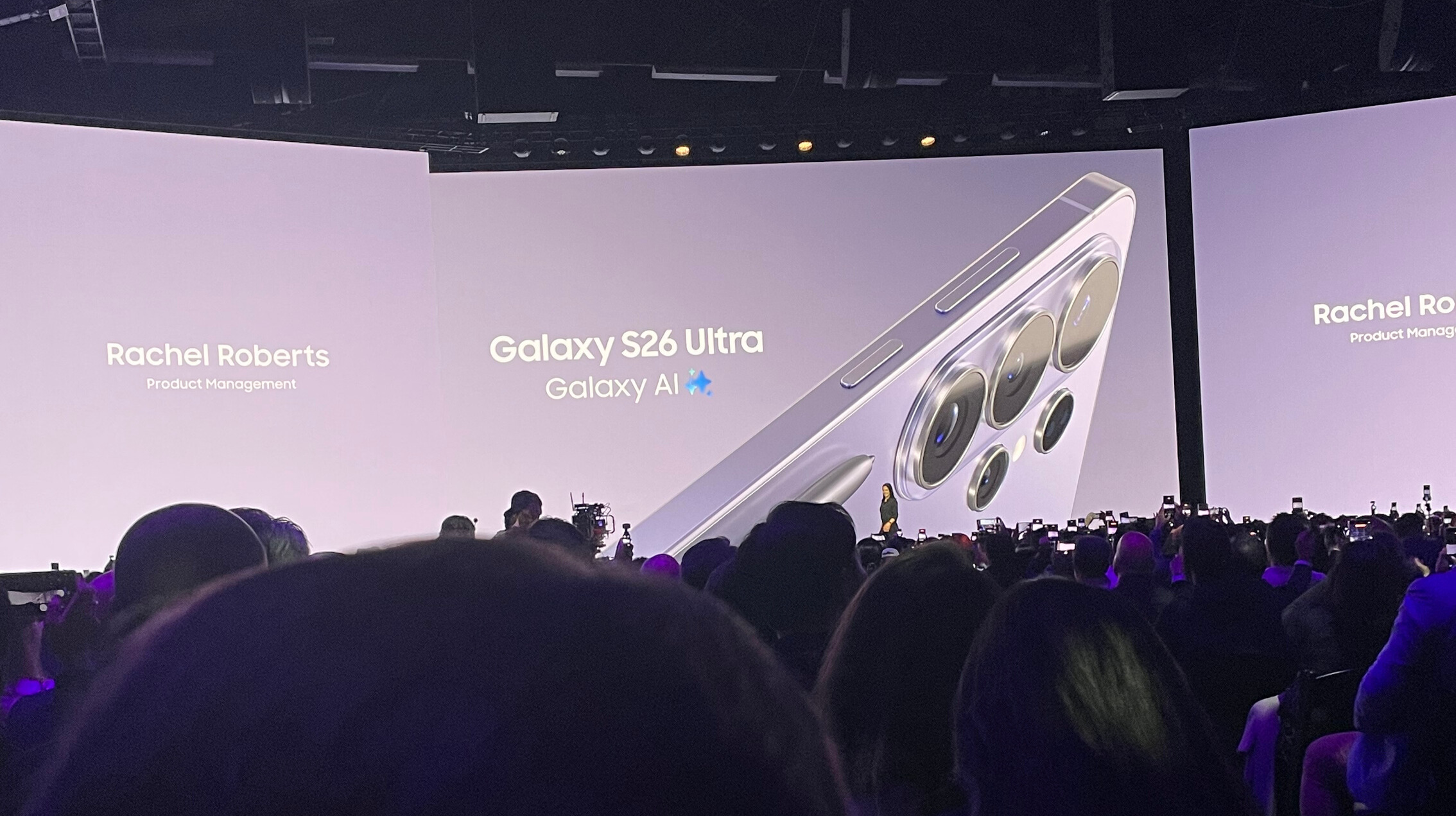
At their latest Galaxy Unpacked event in San Francisco, Samsung introduced its newest lineup of devices, including the Galaxy S26 Ultra smartphones and Galaxy Buds4 earbuds (available March 11), with the usual parade of technological upgrades. The S26 Ultra promises stronger low-light photography and enhanced Nightography video designed to keep images brighter and clearer after dark.
Meanwhile, the Buds4 series leans into adaptive audio and personalized listening, adjusting sound depending on where you are and what you’re doing. After a few weeks of testing, an honest assessment is that the creator tools are sharper, and the devices are smarter. Seriously, you should see my pictures of the moon.
But Samsung isn’t just selling hardware. It’s selling the chance to join the conversation. The company’s latest moves suggest that the future of tech is less about raw specs and more about who can make the products feel like part of the culture.
For years, the language of consumer technology has been clinical. Faster processors, more storage, and a lexicon many of us would never fully understand. Innovation used to mean beating last year’s RAM speed, but somewhere along the way, that’s changed.
Today, the most important feature of your phone isn’t necessarily its speed. It’s what the device allows you to do with the moment happening in front of you. The modern smartphone is less a piece of equipment than a portable storytelling studio.
That shift explains why much of the tech industry now talks less about raw power and more about creativity, workflow, and ease of expression. The S26 Ultra’s AI-assisted editing tools promise to smooth the path between capturing something and shaping it into content. The camera enhancements are designed less for hobbyist photographers obsessing over aperture settings and more for the casual documentarian filming a concert, a late-night street scene, or a courtside moment with their favorite player.
The pitch has moved from operational to aspirational. Brands aren’t just promising capability and convenience anymore. They’re offering capability and authorship. This idea leans into the idea that each of us no longer has to consume culture. We get to help shape it.
Of course, that promise deserves a little skepticism. Once every company starts talking about “creativity” and “empowerment,” the language can start to feel suspicious. Not every improved camera turns its owner into an artist. Not every editing tool produces something meaningful. Trust me, some of the images I generated will never see the light of day.
Still, the tools are undeniably changing the landscape.
Ten years ago, producing polished video or crisp audio required equipment, editing software, and a certain amount of patience. Today a phone can stabilize shaky footage, isolate voices, and remove distractions in seconds. The barrier between idea and execution keeps shrinking.
Whether the world actually needs more creators is another question entirely, as the internet already groans under the weight of content. But ease of access continues to widen the doorway, inviting veterans, novices, and curious amateurs alike into the same arena.
Which brings us back to that moment courtside. The selfie.
A Moment Becomes Media
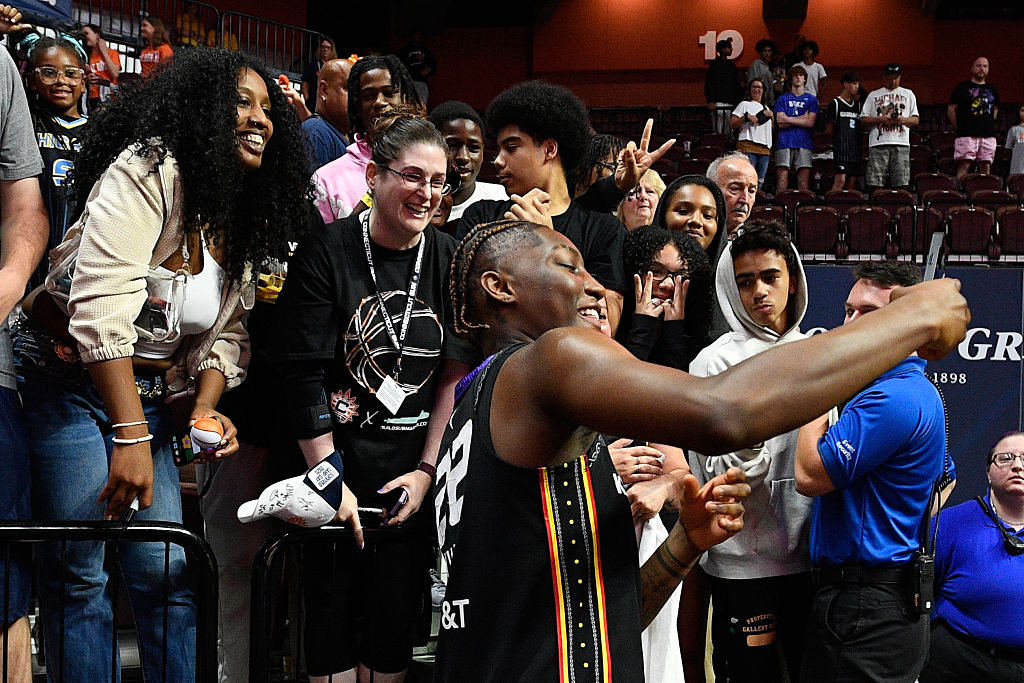
A tiny ritual that captures something larger about how culture now moves. The fan leans in, the athlete smiles, and within seconds, the moment that once would have lived as a personal memory is now posted, shared, and folded into the endless narrative of the internet.
A moment becomes media.
And in that small transformation lies the real competition facing tech companies today. Because our phone is no longer just equipment. It’s our collaborator. And the brands that win may not simply be the ones that build the best devices. They’re the ones who best understand the stories we want to tell with them.