As of late, there’s been a particular focus on environmental repercussions, the impacts of data centers, food recalls, and other indicators that the world in which we live is slowly, but surely transforming into something unfathomable — right in front of our eyes. With information having the capacity to travel at the speed of light, trying to keep up with what requires our immediate attention can prove difficult when it appears that we’re being pointed in several directions at once.
The short answer is that everything requires as much attention as we can muster up. Being informed about our lived environment isn’t a choice we get to approach passively. As history and even current conditions have shown us, communities where Black residents account for the majority in residential neighborhoods are routinely under-resourced and left to endure living conditions that do not reflect the realities of our counterparts. With the evolving state of the planet and its wearing impacts on the condition of how we experience our communities, understanding what is at stake and how we can participate in the decision-making is vital.
In the grand scheme of things, two of the most prominent factors largely impacting the environment are El Niño and the increased implementation of data centers. On a quest for answers, EBONY sat down with Dr. Nkosi Muse –you may also know him as weatherkos online– an Environmental Fellow at Harvard University’s Center for the Environment. Dr. Muse lended his expert perspective, weighing in on what he’s tracking on the weather front involving El Niño and what he thinks of data centers impacting the living conditions of communities.

Concurrently, when there is constantly something to watch, it can be difficult to determine what deserves our attention and what we can reasonably prepare for. El Niño is one phenomenon worth understanding because its effects extend far beyond the Pacific Ocean. The climate pattern occurs when unusually warm ocean temperatures develop in the tropical Pacific, influencing atmospheric circulation, precipitation and temperatures across the globe. The National Oceanic and Atmospheric Administration (NOAA) says El Niño is currently strengthening, with more than a 90% chance of a very strong event during fall and winter 2026-27.
That does not mean that every community should expect the same weather event. El Niño influences probabilities, rather than guaranteeing a specific outcome. In the U.S., it can mean wetter conditions across parts of the South and Southeast, shifts in winter storm patterns and increased flooding risks in some areas. It can also suppress Atlantic hurricane activity, while increasing hurricane activity in parts of the Pacific.
For everyday people, that can translate into changes in how we prepare for severe weather, commute, protect our homes and manage household expenses. Dr. Muse emphasized that preparation should not disappear simply because a community has experienced a relatively quiet hurricane season.
“If you live near the coast, just because we haven’t had a hurricane yet does not mean that we can’t see one sneak through at some point. So it’s just always stay ready so you don’t have to get ready at the last second,” said Dr. Muse.
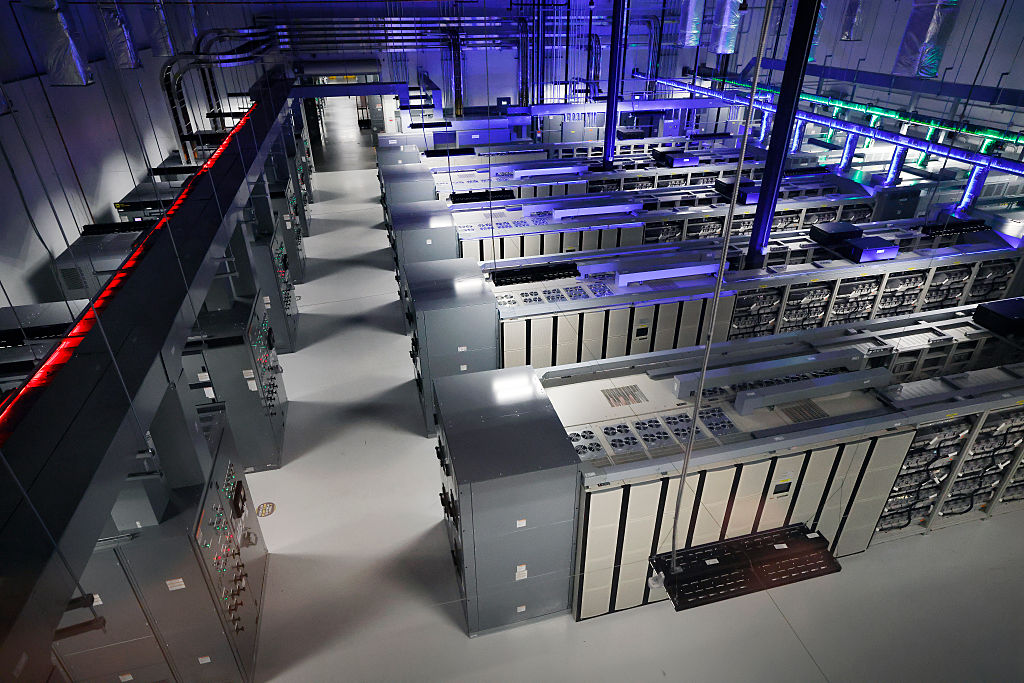
Data centers present a different, but equally tangible, concern. The facilities that power AI and cloud computing require enormous amounts of electricity and water. Medium-sized data centers can use roughly 300,000 gallons of water per day, while larger facilities can consume as much as five million gallons.
There is also the heat. Research cited by Yale’s School of the Environment found that a large data center can release waste heat comparable to that produced by tens or even hundreds of thousands of households. In some locations, that waste heat has been associated with higher surrounding temperatures, potentially adding another layer to the heat already experienced in urban communities.
For communities, particularly those already dealing with strained infrastructure, these aren’t abstract numbers. More demand for water and electricity can affect the resources residents depend on, while increased energy demand can contribute to higher costs, pollution and pressure on the electrical grid. The NAACP has specifically identified water depletion, air pollution, energy use, utility costs and inequitable siting as environmental justice concerns associated with data center expansion.
Dr. Muse describes the issue plainly: “I think data centers are essentially new age environmental injustice.”
So, what can we actually do? Pay attention before decisions are made. Dr. Muse says communities should attend local community, council and commission meetings, where residents can learn what is being proposed and make their voices heard.
“What gives me hope is the fact that there are so many communities that have been pushing back against data centers and winning. There’s another part of environmental justice that’s called procedural justice, which includes inviting everybody to the table so that everybody has an input in how things are developed. And sometimes we have to fight a little bit for that, we have to make sure that we have a seat at the table. I think showing up, being involved in some way, shape, or form is big,” Dr. Muse said.
Environmental awareness isn’t about predicting the next disaster or carrying the weight of saving the planet individually. It is about understanding what is happening around us, knowing how it can affect our communities and recognizing that our voices have a place in the decisions that shape where we live.