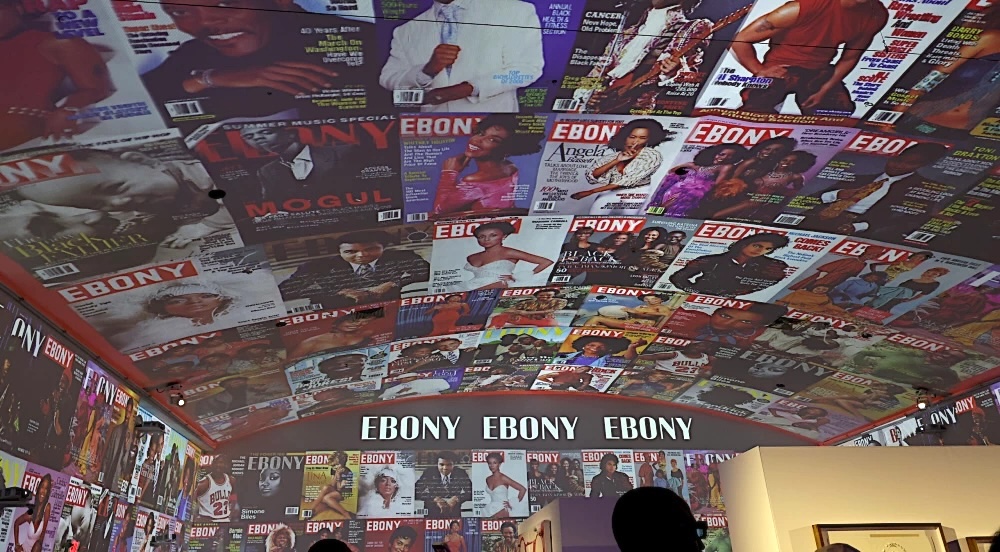
After the end of World War II, EBONY launched as the lighter, more beautiful and engaging counterpart to its sister publication Negro Digest. When EBONY was published in 1945, it was designed to show Black people what the promise of plenty might look like. For eight decades, EBONY has been the trusted outlet for Black storytelling. The legacy continues.
The 1940s
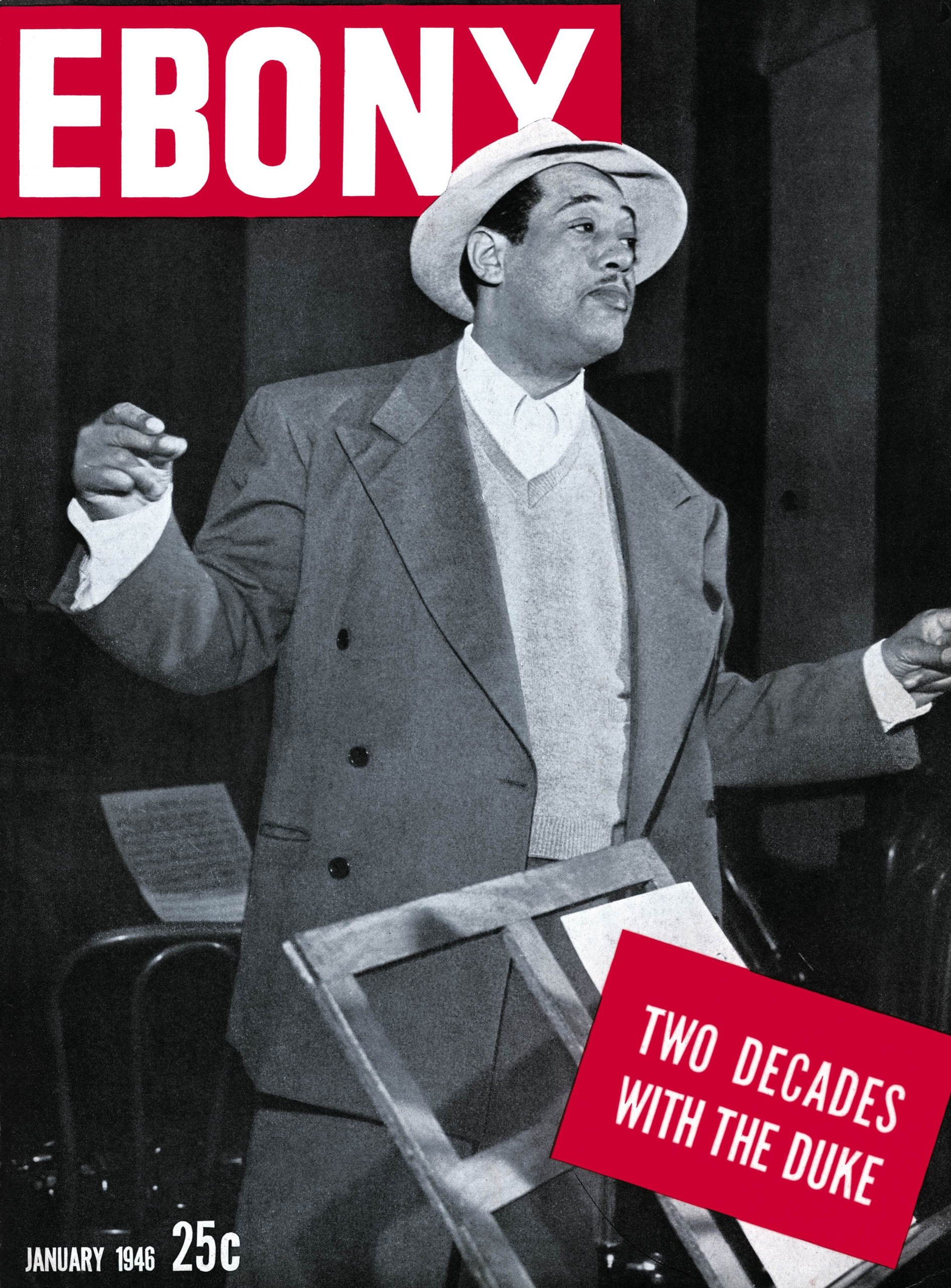
January 1946: Duke Ellington
Duke Ellington embodied all that was possible for Black people in post-war America. A leading figure in the development of jazz — the art form that came to be known as true American music — the Duke performed for white and Black audiences all around the world. EBONY chronicled his career and personal life through cover stories and features throughout his lifetime.
The 1950s
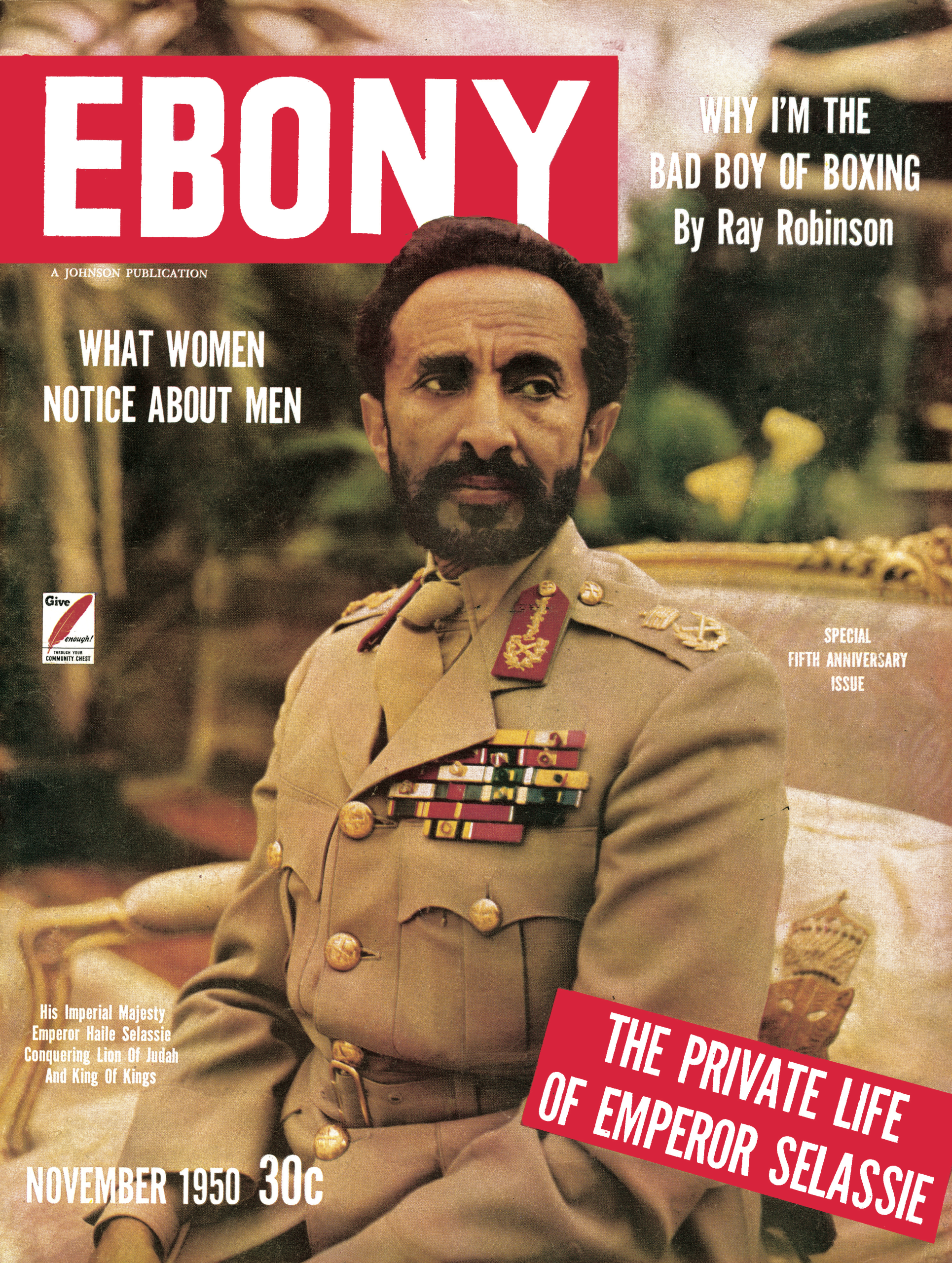
November 1950: The Private Life of Emperor Selassie
Access to the great Black men of the world was EBONY’s calling card, as few publications wanted to celebrate our people. Featuring the opulence of Ethiopia’s Emperor Haile Selassie — who represented the original culture and pride of all people of African descent — showed readers that we are indeed descendants of royalty.
The 1960s — TIE
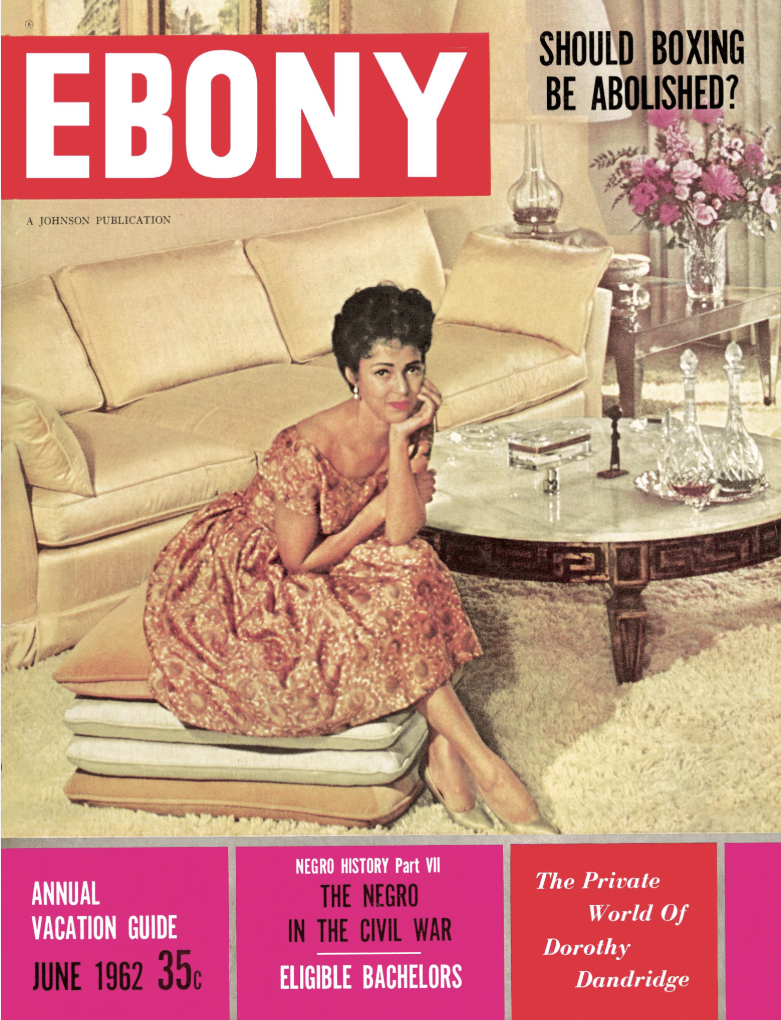
June 1962: Dorothy Dandridge
As Black stars emerged in television and film, EBONY was often the first — and for years the only — publication other than Life to feature them prominently. In 1954, Dorothy Dandridge became the first African American to be nominated for an Academy Award for Best Actress for her performance in Carmen Jones. She graced EBONY’s cover multiple times, offering a rare glimpse into her private life. Yet another example of the deep trust these icons placed in EBONY to share their intimate lives.
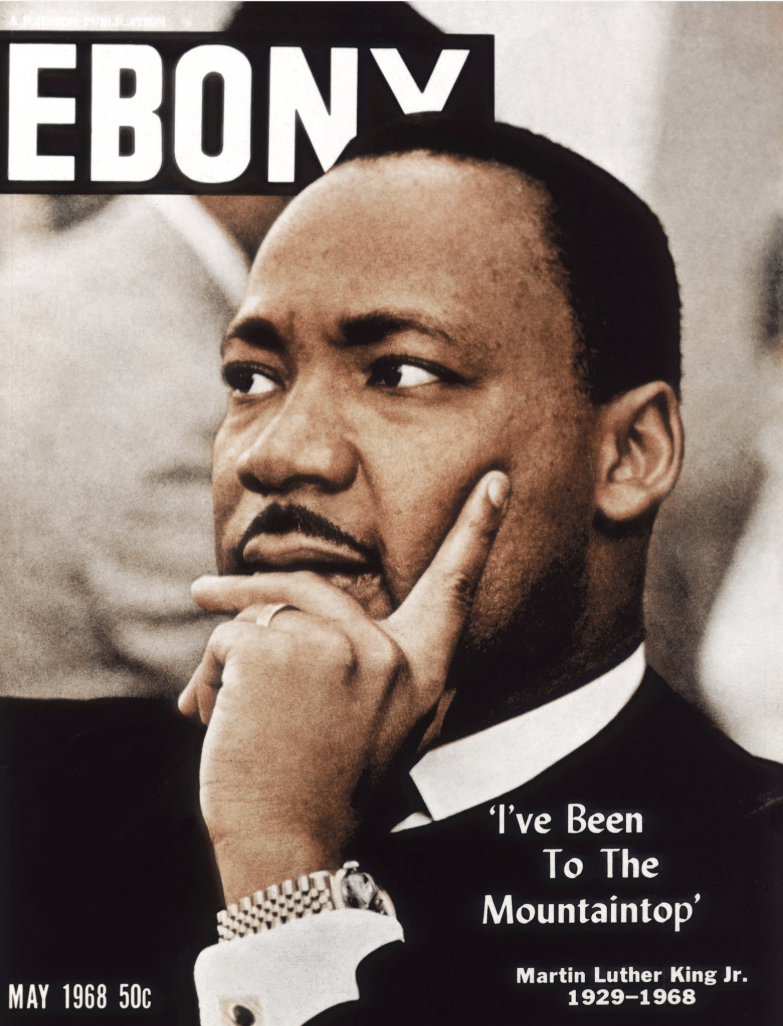
May 1968: Martin L. King, Jr.
Dr. Martin Luther King, Jr.’s journey as the leader of the Civil Rights Movement was meticulously documented thanks to the guidance of EBONY’s legendary executive editor Lerone Bennett. By the time of this issue, King had been assassinated, and the world was mourning. EBONY reflected on the slain leader’s impact on Black America.
The 1970s
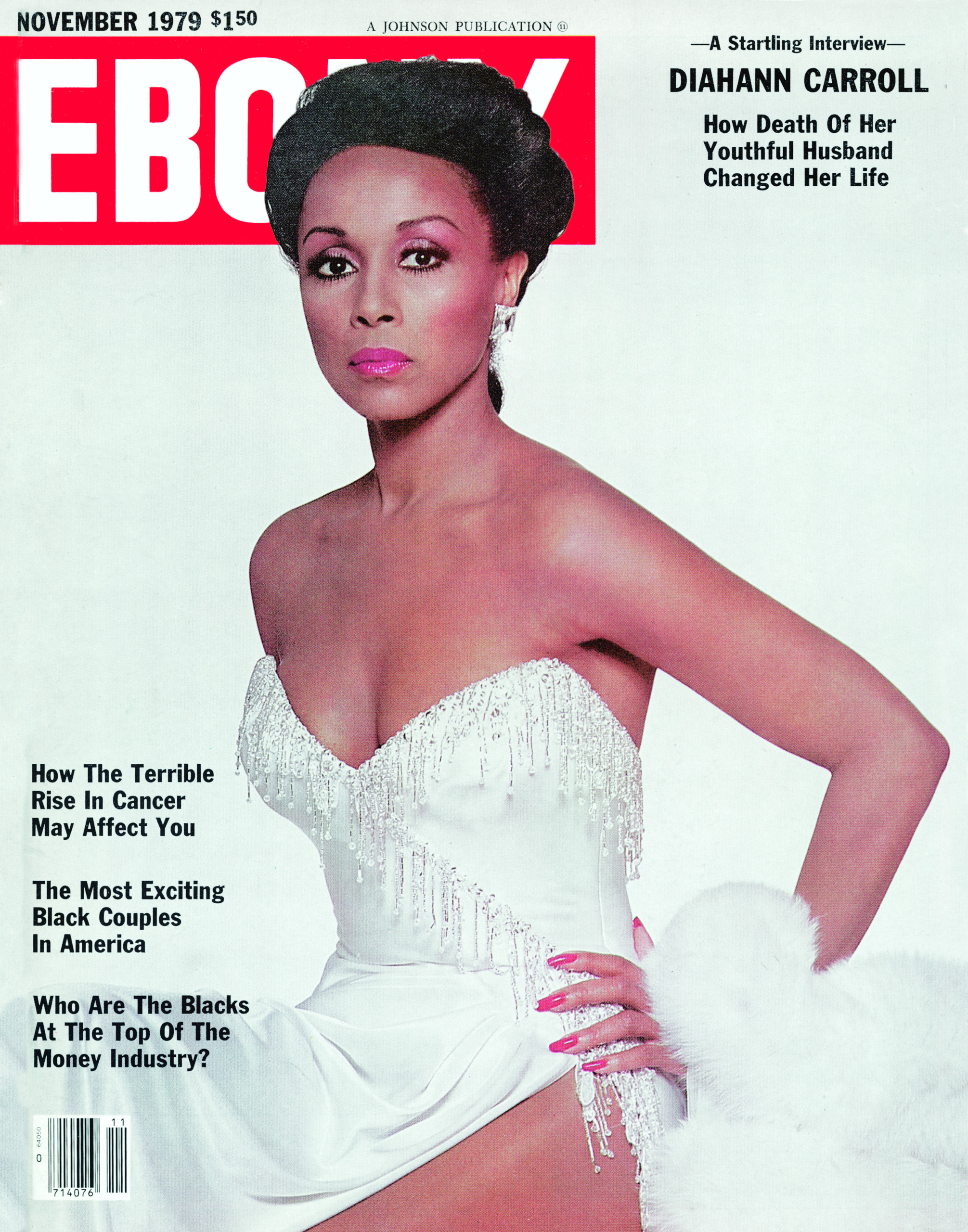
November 1979: Diahann Carroll
The 1970s marked an era of “firsts” across corporate America, in the judiciary, in government, in wealth building, and even in entertainment. Diahann Carroll had already starred in Carmen Jones and Porgy and Bess, and made history as the first Black woman to lead the TV series Julia (1968-1971). She later earned an Academy Award nomination for Best Actress for her role in Claudine (1974). This cover story offered an exclusive look into her private life after the tragic death of her husband, Robert DeLeon, a managing editor of JET.
The 1980s
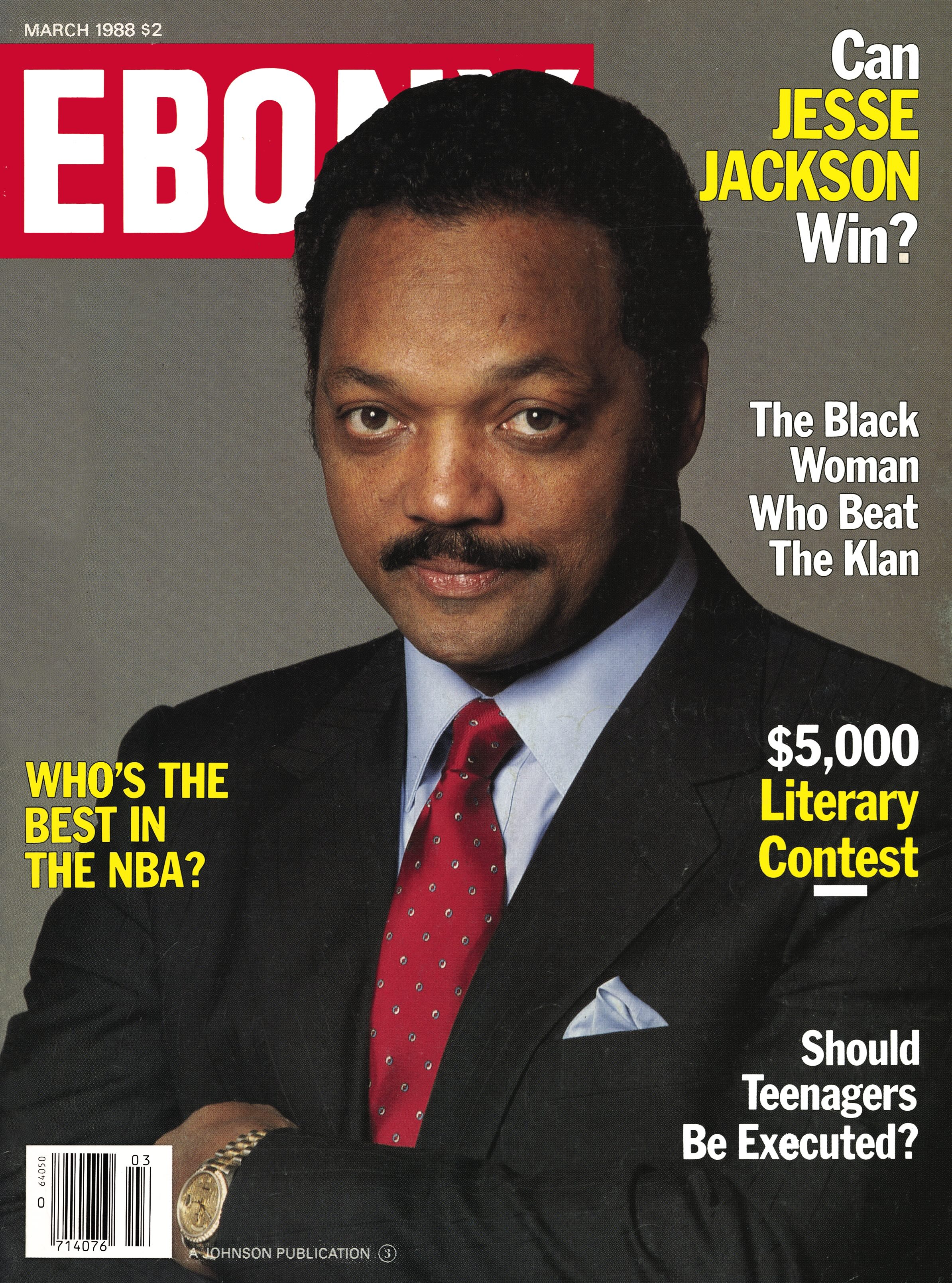
March 1988: Jesse Jackson
Although EBONY covered Shirley Chisholm’s historic presidential campaign in 1972, it would be Rev. Jesse Jackson’s presidential run nearly a decade later that redefined what was possible. The visionary behind Operation Breadbasket and the Rainbow Coalition mobilized a movement that took the nation by storm. His campaign slogan, “Keep Hope Alive,” became a mantra for change within the Black community.
The 1990s — TIE
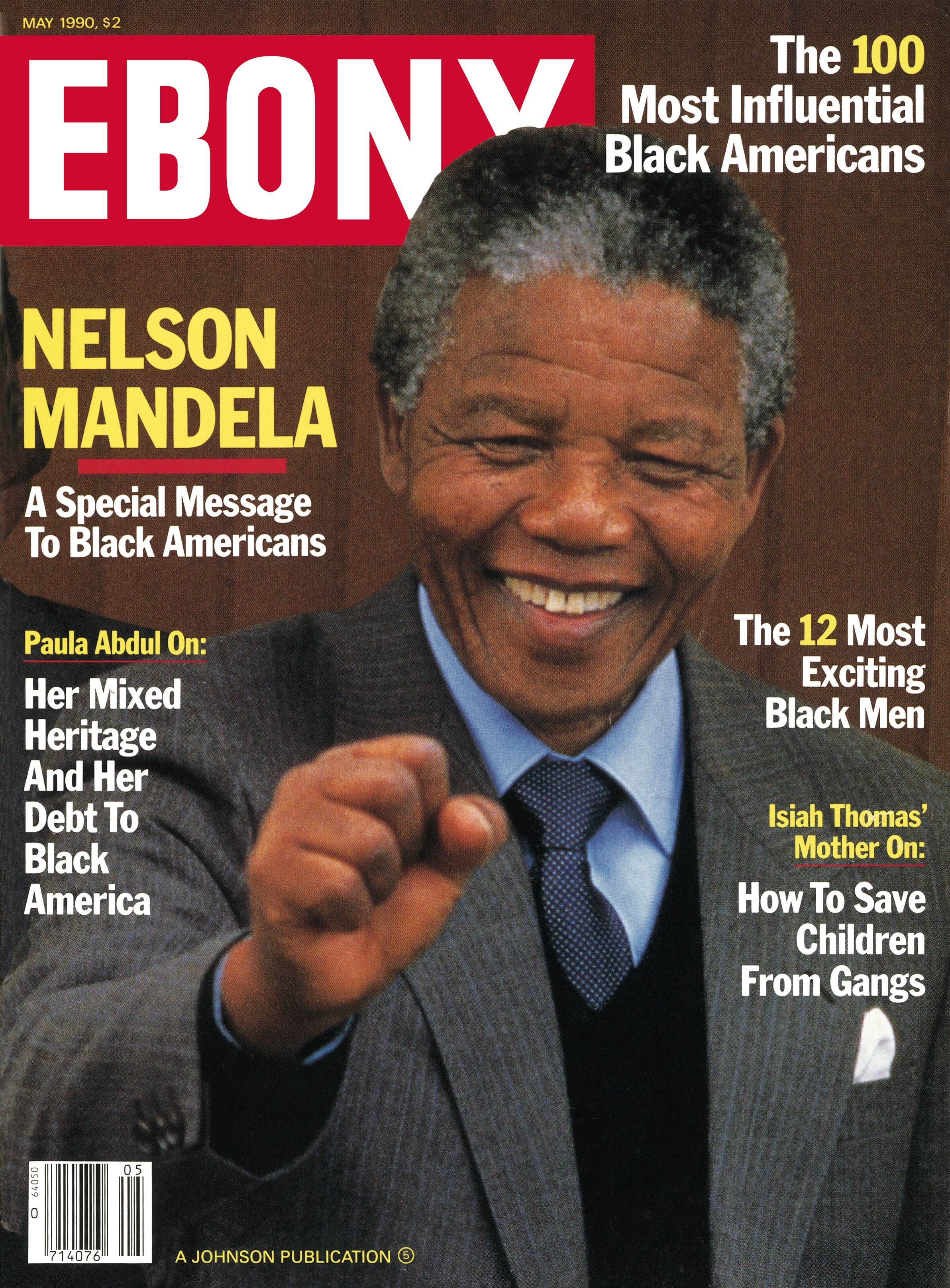
May 1990: Nelson Mandela
From grassroots organizers to world leaders, EBONY has been at the forefront chronicling the truth about the struggles and triumphs of people of African descent. When Nelson Mandela was freed from a South African prison after 27 years, EBONY was there to capture the moment that was a turning point for South Africa that reverberated worldwide.
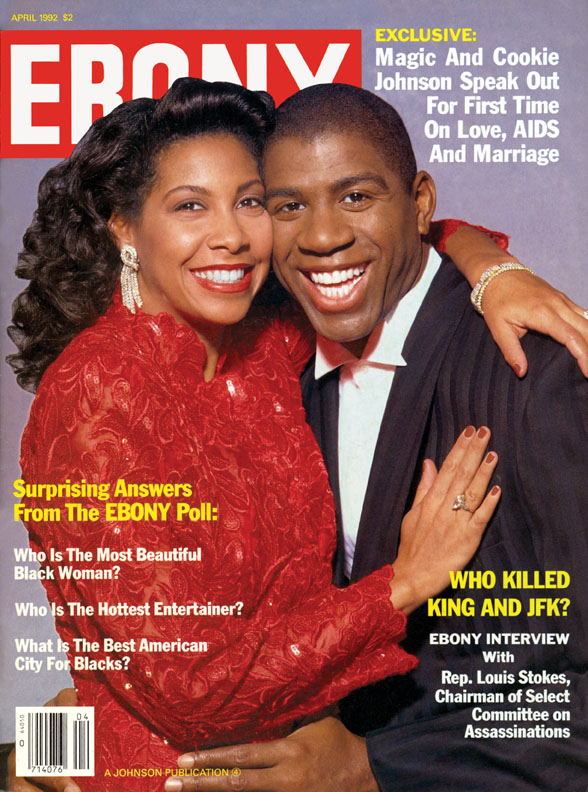
April 1992: Magic and Cookie Johnson
For decades, EBONY celebrated legendary athletes like Muhammad Ali and Michael Jordan. But when Los Angeles Lakers star Magic Johnson and his wife Cookie appeared on the April 1992 cover, it was not for athletic achievement. It was something far deeper than sports. Johnson had been diagnosed with HIV at the height of the epidemic, and stigma and misinformation around the disease were rampant. The couple trusted EBONY to tell their story for the first time, helping to shatter the myths and spark critical conversations within the Black community.
The 2000s — TIE
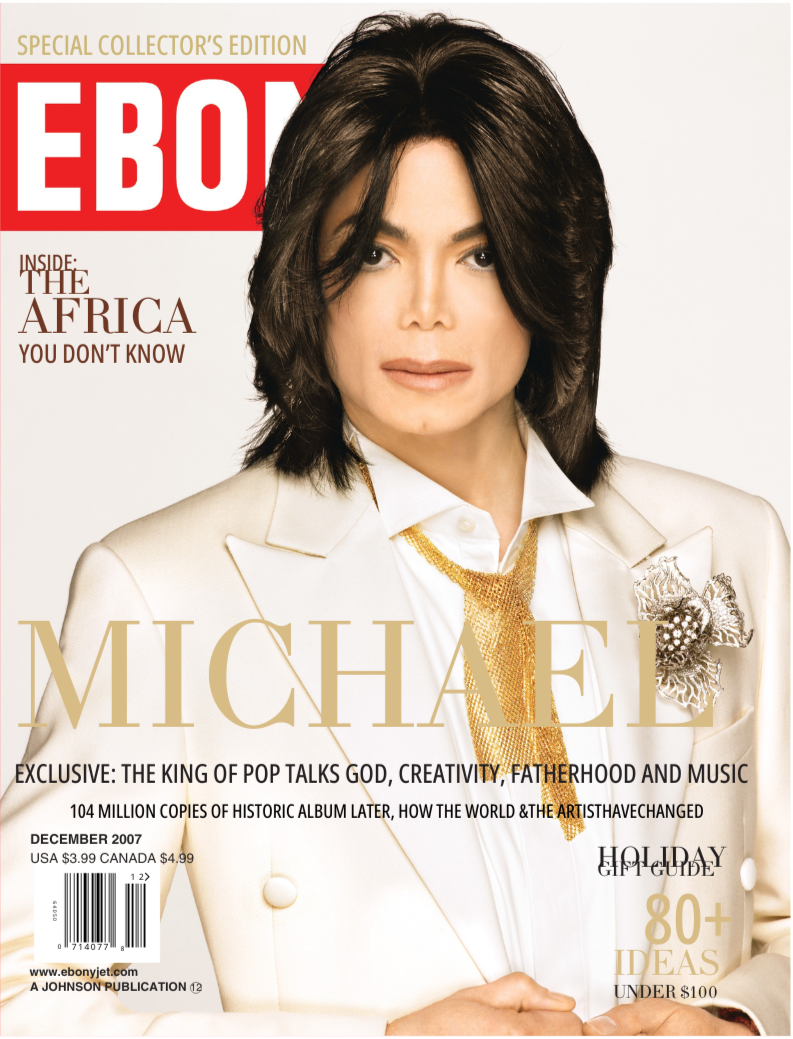
December 2007: Michael Jackson
Since the rise of The Jackson Five in the 1970s, EBONY has captured Michael Jackson’s journey from prodigy to icon. When EBONY convinced him to come out of self-imposed isolation after his highly publicized child-molestation trial (for which he was acquitted), it reaffirmed the magazine still had juice in the age of the internet. On the heels of the 25th anniversary of Thriller, Jackson agreed to discuss his career and his legacy. It would be his last photoshoot and interview before he died two years later.
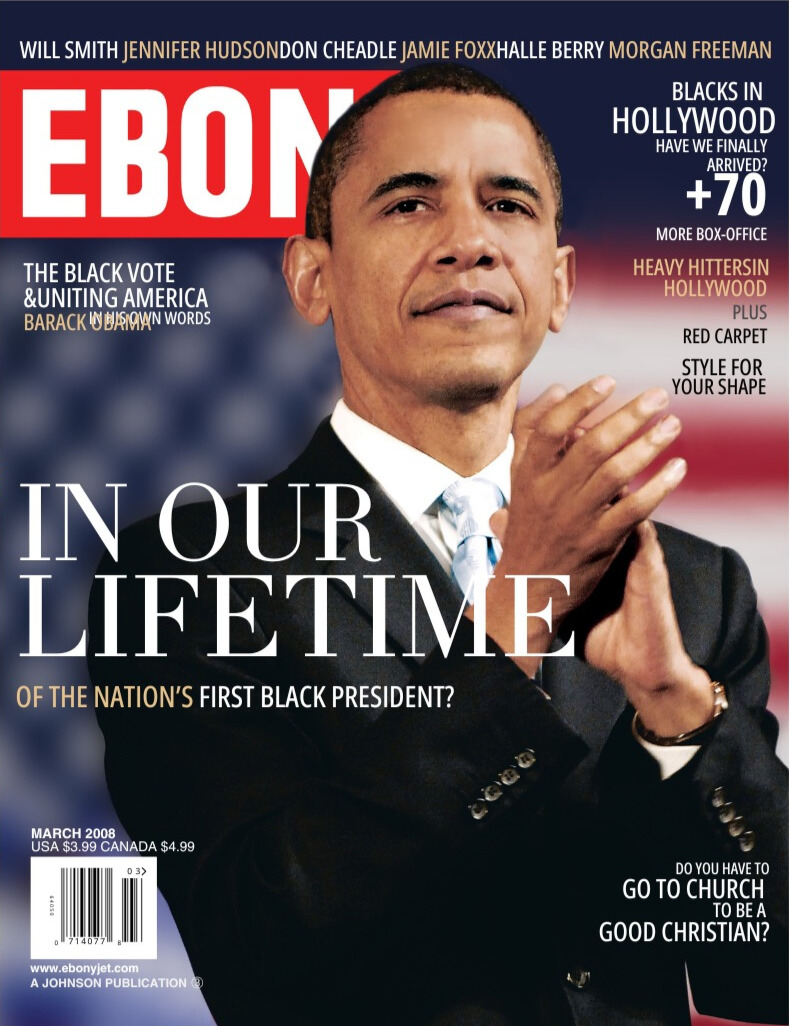
March 2008: President Barack Obama
From Barack Obama’s early days as a community organizer on the South Side of Chicago, to his rise from state senator to his historic election as president, EBONY was there. Thanks to publisher Linda Johnson Rice, EBONY secured the first cover of Barack and Michelle Obama that ran days before he announced his bid to run for the Oval Office (February 2007). A year later, in Chicago’s Grant Park, EBONY’s offices were the first media stop Obama made after he claimed victory.
The 2010s
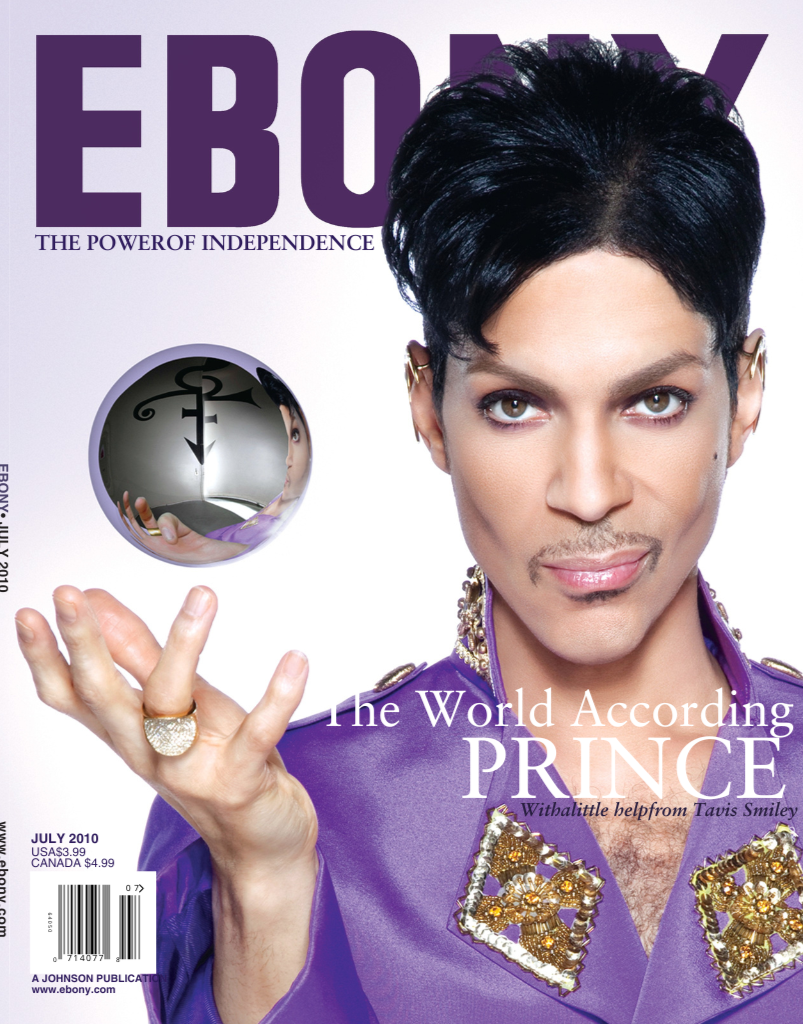
July 2010: Prince
Prince rarely sat for interviews. He preferred to be observed from afar. Through his friend and journalist, Tavis Smiley, EBONY received an invitation to Paisley Park, where the reclusive artist opened his “Reading Room,” a library filled with books about spirituality. He also revealed the infamous vault that housed volumes of unpublished music and the cavernous soundstage where he often hosted countless private jam sessions. Prince vibed with the EBONY team so deeply that he invited them to dine with him, and afterwards, he and one of his singers, Shelby J .from New Power Generation, performed a private concert that lasted well into the next morning. It was quintessential Prince: intimate, spontaneous and unforgettable.
The 2020s —TIE
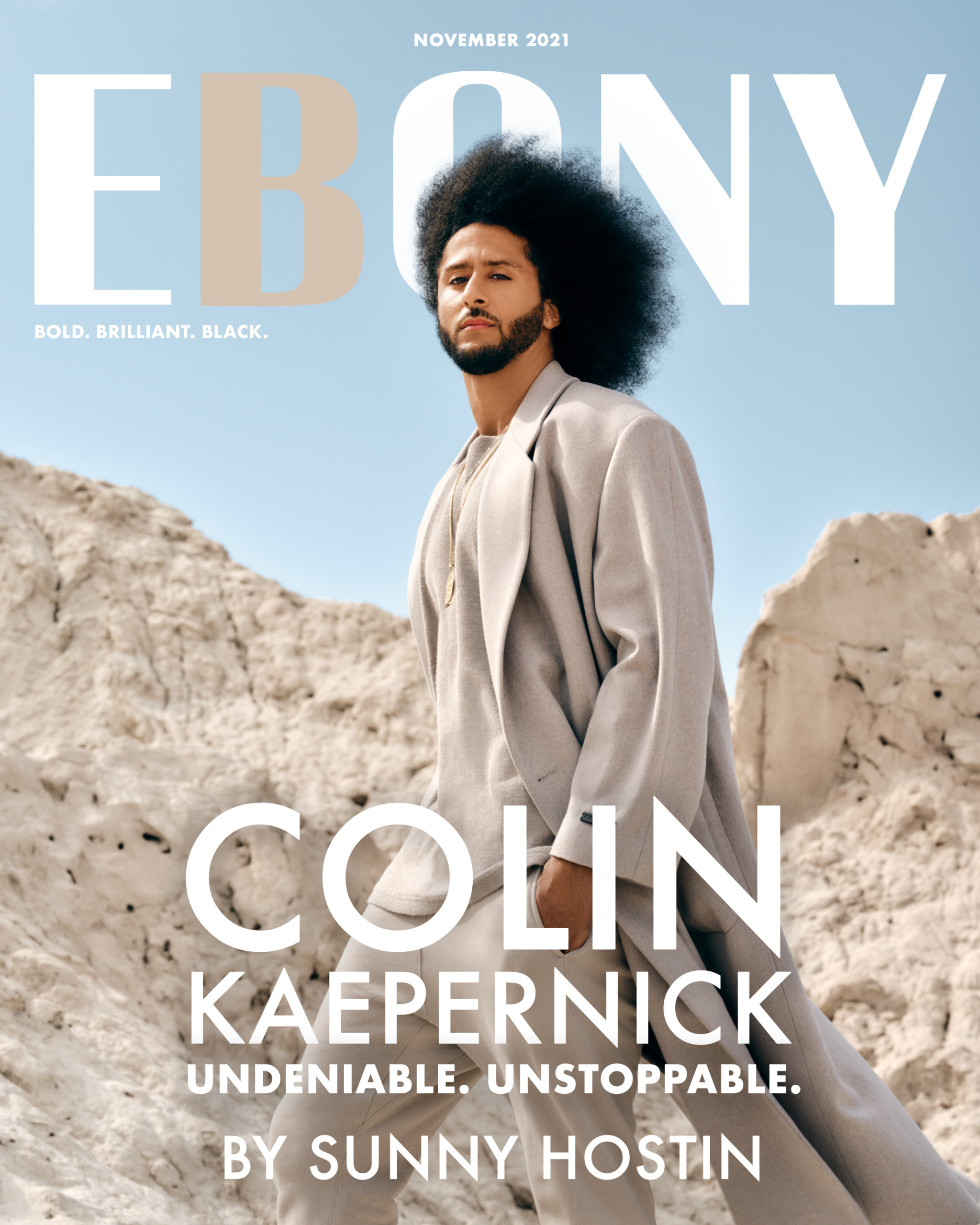
November 2021: Colin Kaepernick
Former San Francisco 49ers quarterback Colin Kaepernick has become known by many, perhaps more for his activism than for his athletic achievements. During an NFL game in 2016, Kaepernick took a knee in protest of police brutality and racial inequality during the national anthem. The world took notice, and backlash ensued, leading to his release from the team. This nonviolent action ignited a global movement, solidifying him as an unwavering voice for justice.
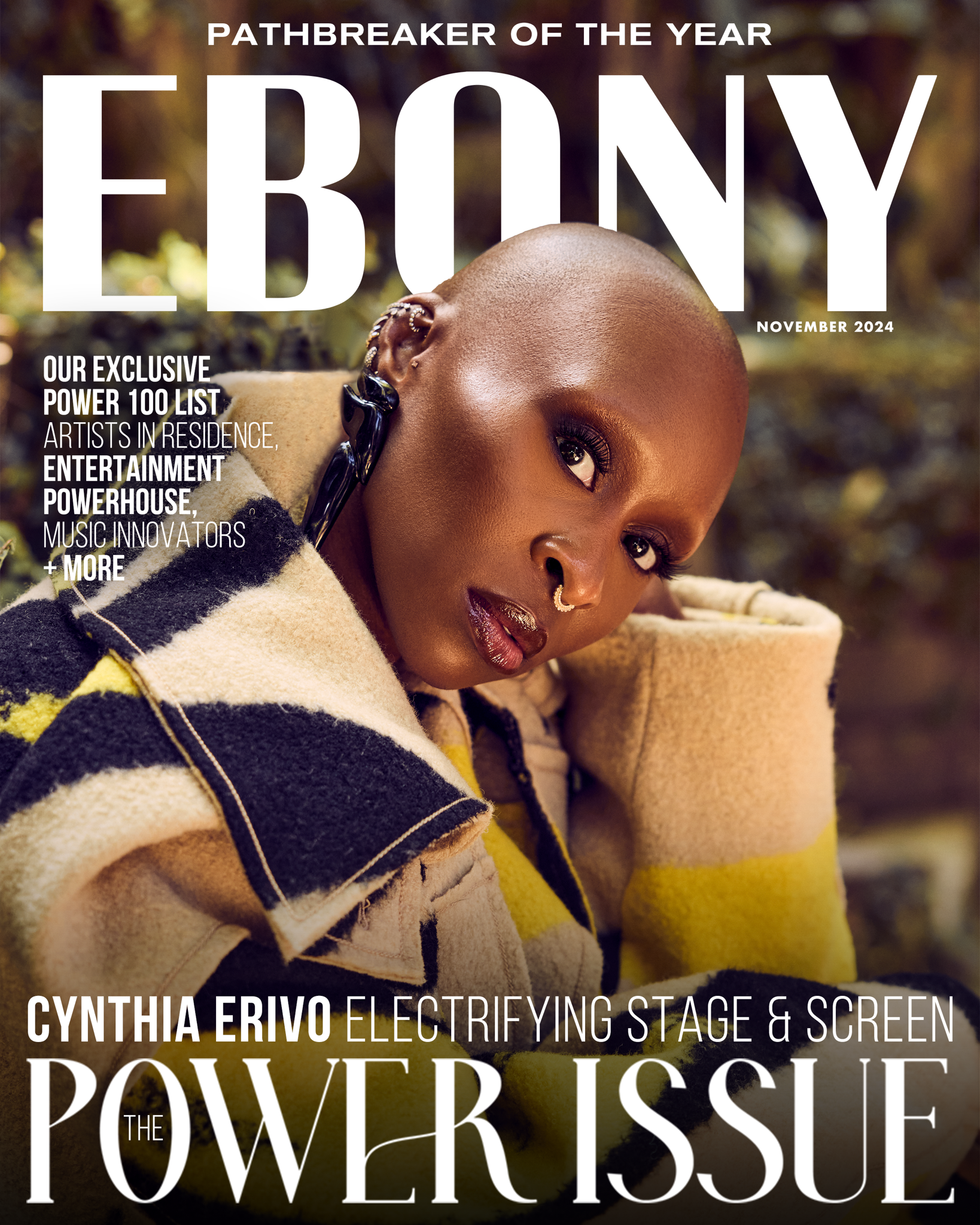
November 2024: Cynthia Erivo
The Power 100 Issue is the cornerstone of EBONY. Before other publications cared about the power base in the Black community, EBONY highlighted individuals across a variety of disciplines: politics, religion, government, business, sports, entertainment and more. The smoky siren Cynthia Erivo brought all of her swagger and ferocity to this issue as the 2024 Pathbreaker of the Year. In doing so, she stands on the shoulders of other powerful performers like Mahalia Jackson, Eartha Kitt, Diana Ross, Lena Horne, Shirley Bassey, Whitney Houston, Beyoncé and so many more.
Harriette Cole was the first female Editor-in-Chief of EBONY. She served as Creative Director and Editor-in-Chief from 2009-2010, producing many of EBONY’s most memorable covers, including the Obamas, Michael Jackson and Prince.