“Where are the boys?”
@lonniehammons @EADEM ♬ original sound – Lonnie Hammons
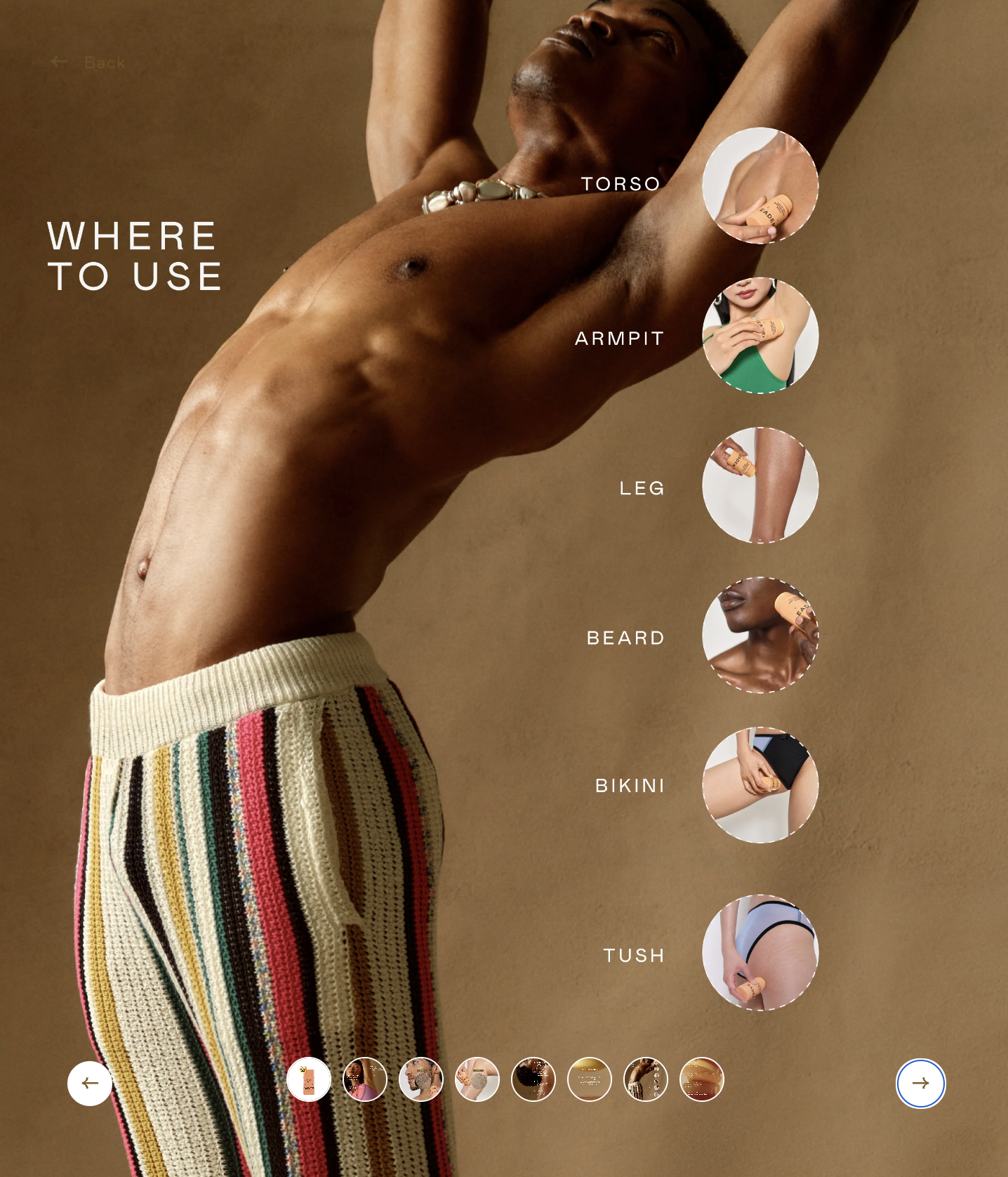
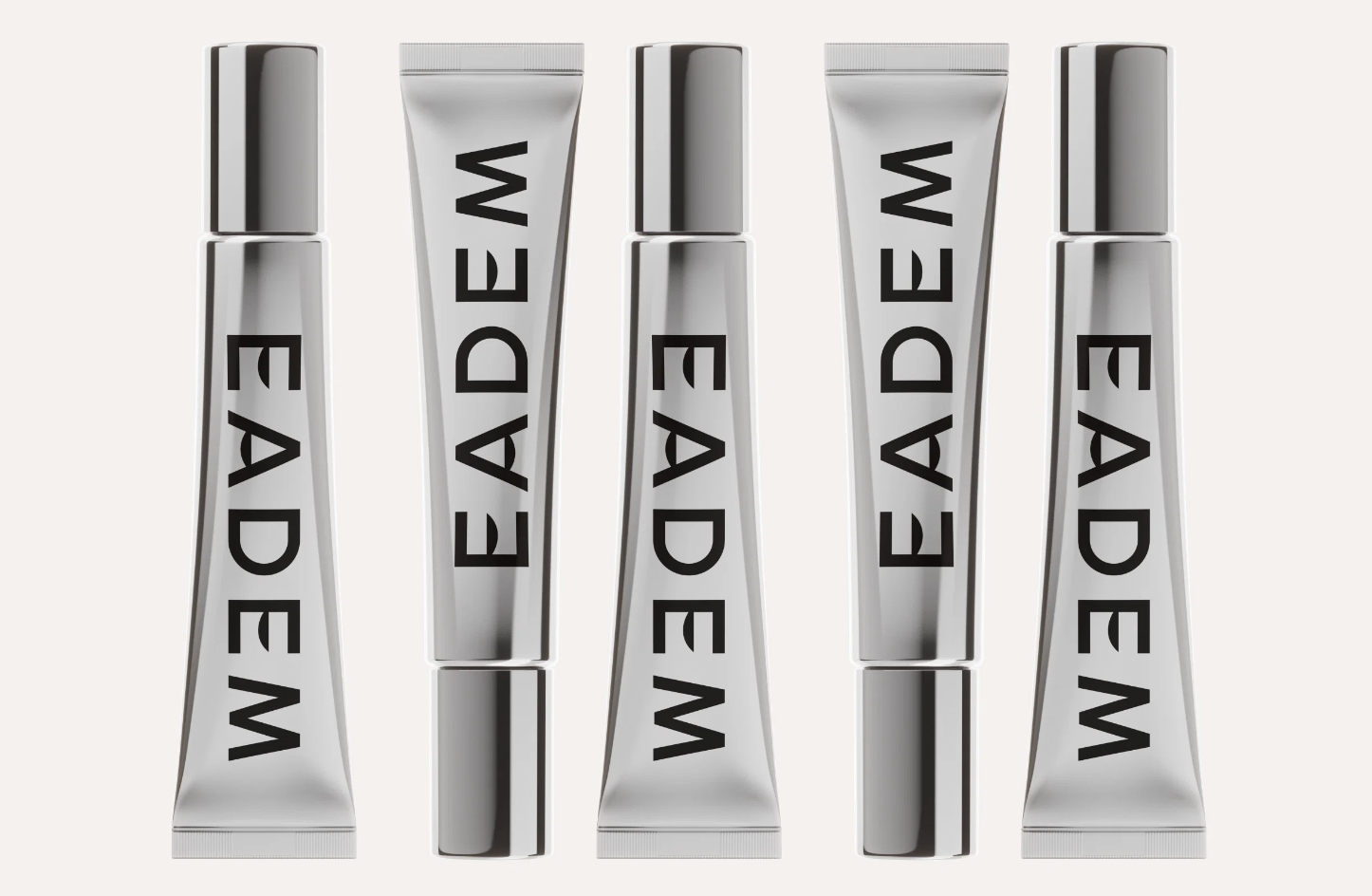
TikTok creator Lonnie Hammons has repeatedly asked brands, “Where are the boys?” challenging them over the apparent absence of men from their social channels and other brand moments, which isn’t true because we’re there. This time, EADEM entered the conversation. And watching a brand created by two women of color become the latest target of that criticism made me wonder whether we have completely lost the plot when talking about representation in beauty. Before you keep reading, understand this is not the time or space to be homophobic.
Perhaps the better question is: Why are women still being asked to make room for men?
EADEM was founded by Marie Kouadio Amouzame and Alice Lin Glover, two women of color who met while working at Google and eventually built a skincare company specifically with melanin-rich skin in mind. The founders have spoken about putting their own savings into the company and entering investor meetings where they were told their traction wasn’t enough and the world didn’t need another beauty brand. That context matters.
Women creating businesses around women is not discrimination against men. Black women creating spaces centered around Black women is not an attack on anybody else. And a company does not automatically have an obligation to represent every possible consumer in every campaign, dinner, press trip or piece of content it produces.
Inclusivity should not become another word for access to women.
That distinction becomes particularly important when we’re talking about beauty, an industry whose consumers, workers, artists and cultural tastemakers have long included enormous numbers of women while the highest levels of corporate power have not always reflected them. A 2026 MBS Group and CEW report found that women now occupy 54 percent of executive committee positions across the beauty companies it studied, an encouraging increase from 35 percent in 2021. Yet among the world’s top 20 beauty companies, women occupied just 7 percent of chair and CEO positions.
So, respectfully, where are the girls?
Men are hardly missing from beauty’s power structure or its most visible entrepreneurial success stories. François Nars built NARS. Mario Dedivanovic built Makeup by Mario. Patrick Ta built Patrick Ta Beauty. Patrick Starrr founded ONE/SIZE. Makeup by Mario has become prominent enough that Sephora launched a global TikTok-first series around Dedivanovic this year, while ONE/SIZE explicitly markets its products across skin types, tones, ages and genders. Patrick Ta Beauty and Makeup by Mario also continue appearing among major beauty publications’ most celebrated products in 2026.
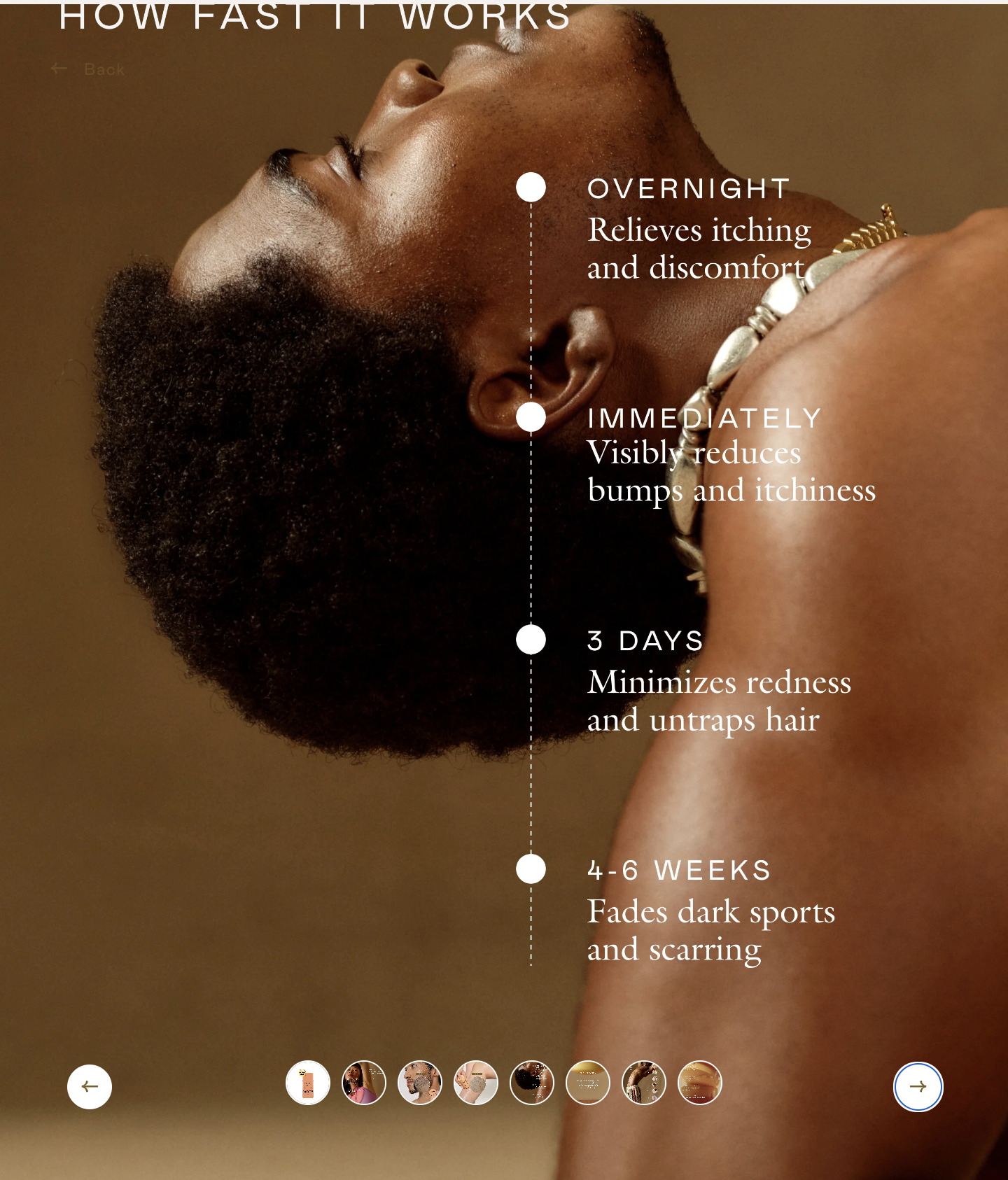
Nobody should begrudge these men their success. That’s precisely the point. Men have built enormous careers in beauty, and male-founded brands can and should determine the communities and consumers they want to speak to. Women deserve that same autonomy without being handed another inclusion checklist.
The conversation becomes even more complicated when gay men are involved. Gay men have unquestionably helped shape modern beauty culture, from artistry and hair to fashion, nightlife and digital beauty communities. Gay men have also experienced very real discrimination. But queerness is not an exemption from misogyny.
A man being marginalized because of his sexuality does not mean he loses every form of privilege associated with being a man. Two things can exist simultaneously. Someone can experience homophobia and still hold sexist expectations of women. Someone can advocate for LGBTQ+ representation and still participate in a culture that expects women to provide opportunities, validation, visibility and access to men.
Calling that tension out is not homophobia. It is intersectionality doing what intersectionality was always supposed to do: allowing us to acknowledge that power does not operate along only one axis.
And when the conversation moves specifically into Black beauty, another layer emerges. Black gay men are perfectly capable of advocating for themselves. They do not require non-Black men to appoint themselves their representatives and then use Black women-founded or women-of-color-founded companies as the battleground for that advocacy. If a Black male consumer believes EADEM should speak more directly to him, he has every right to make that argument. But speaking for Black men while publicly demanding something from women of color deserves considerably more scrutiny.
@eadem.co This is how Le Chouchou Lip Softening Balm makes us feel 🧈 @tyrell ♬ original sound – EADEM
Especially because Black founders are not operating on an even financial playing field.
McKinsey’s research into Black representation in beauty found that among 213 venture-backed beauty companies it examined, only 16 were Black-founded. Black beauty companies represented 9 percent of early-stage venture investments and just 4 percent of late-stage investments, and early-stage Black beauty businesses raised substantially less venture funding than their non-Black counterparts. EADEM’s own founders say they initially financed their idea with their savings.
Meanwhile, the broader economic disparity between men and women hasn’t magically disappeared because our For You Pages look diverse. Bureau of Labor Statistics data for the second quarter of 2026 showed median weekly earnings of $1,131 for women working full-time compared with $1,380 for men, meaning women’s median earnings were 82 percent of men’s. Race further complicates the picture: 2025 annual BLS figures put Black women’s median weekly earnings at $942, compared with $1,354 for White men, although those figures measure broad worker populations rather than identical jobs and therefore should not be read as a controlled equal-pay-for-equal-work comparison.
That is the part of the “where are the boys?” conversation that an algorithm cannot reduce to a catchy sound bite.
We can absolutely talk about men’s relationship to beauty. We should talk about the ways rigid masculinity has discouraged generations of men from skincare, makeup, grooming and self-expression. We should celebrate male beauty creators. We should advocate for Black queer creators who have historically influenced culture without receiving appropriate recognition or compensation. And brands that explicitly claim to serve everyone should be prepared to explain what “everyone” actually looks like in practice.
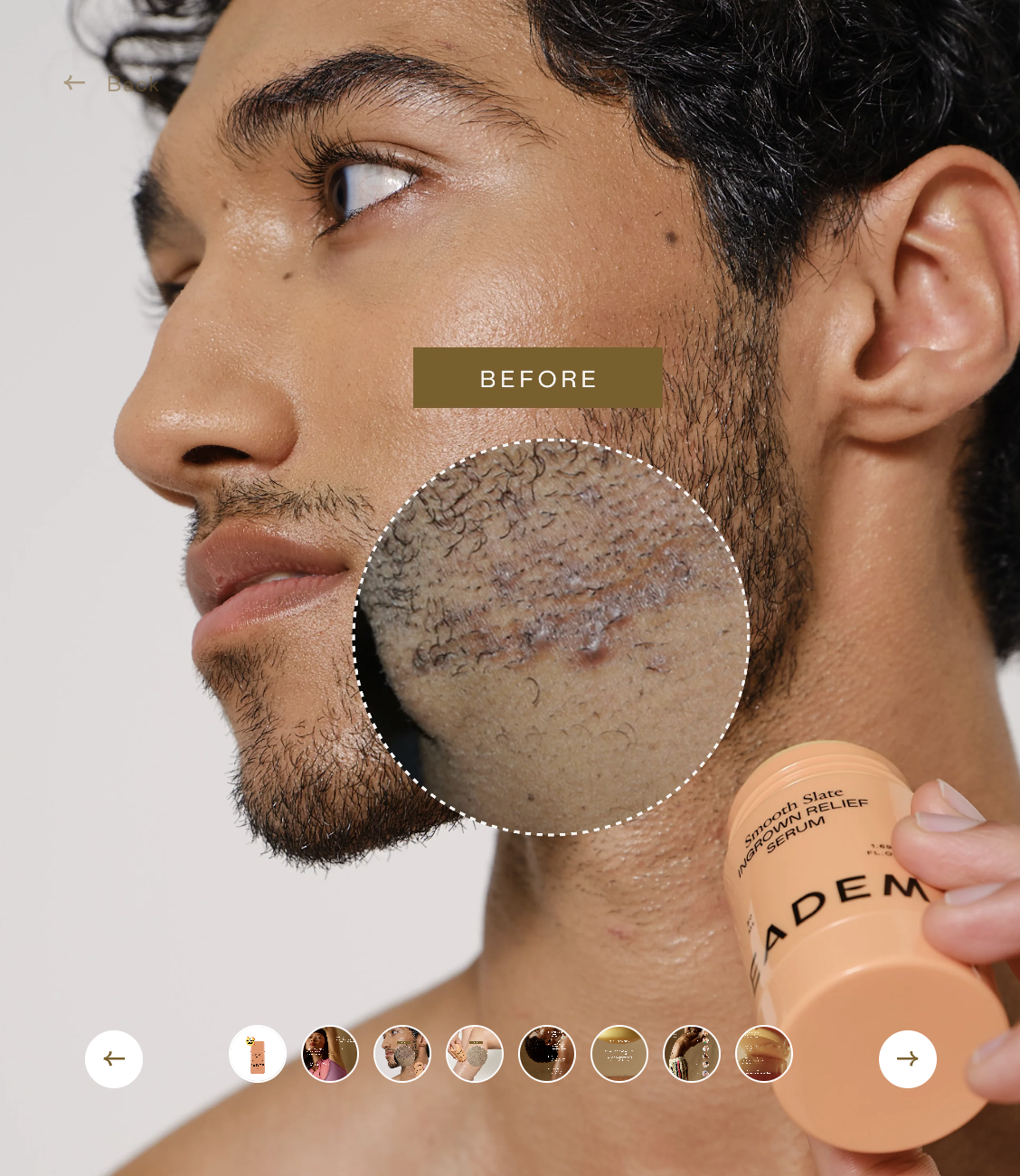
But none of that requires turning women into the gatekeepers responsible for solving men’s exclusion.
Women are allowed to build for women. Black women are allowed to build for Black women. Asian women are allowed to build for Asian women. Women of color are allowed to create businesses rooted in their own experiences without expanding the mission every time someone outside the original audience asks, “But what about me?”
It is almost 2027. Maybe inclusion has matured enough for us to understand that representation does not require every room to contain every person.
Sometimes equity means finally allowing the people who spent generations being pushed to the margins to stand in the center without being asked to move over.
And if men want more rooms in beauty, history has already shown us something rather convincingly: they are more than capable of building them.