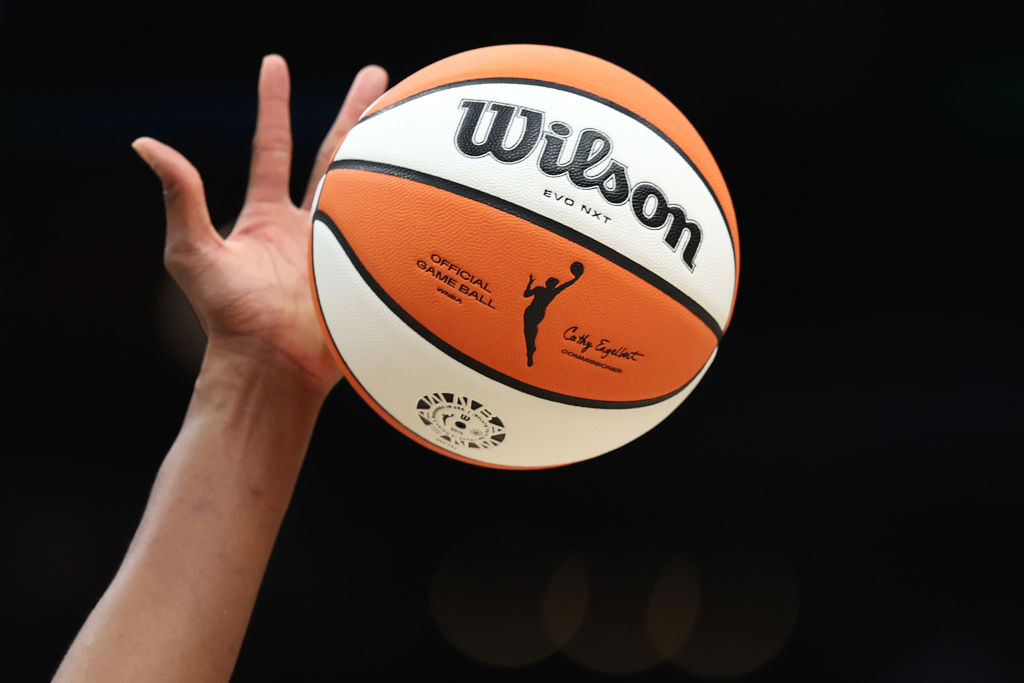
Since the end of the 2025 WNBA season, March 10 has felt like a slow march toward what many feared could become another tense moment in the league’s labor history. Last night, the extended deadline passed, but the good news is that negotiations between the WNBA and the Women’s National Basketball Players Association (WNBPA) are still ongoing. Indicating that the talks may be trending in a positive direction.
Both sides reportedly worked through the night as they attempt to finalize a new collective bargaining agreement that could shape the next era of the league.
WNBA commissioner Cathy Engelbert said the two sides are working hard toward what was described as a “win-win deal,” but there’s still “a lot of work left to do.”
While no agreement has yet been announced, discussions between league officials and the players’ union remain active. The negotiations arrive at a critical moment for the WNBA, which is experiencing one of the most visible growth periods in its nearly three-decade history, with rising attendance, increased media attention and expansion teams on the horizon.
It’s also important to note that missing the informal deadline does not automatically threaten the 2026 WNBA season.
However, the league calendar leaves little room for prolonged negotiations. Several key events — including the expansion drafts for Toronto and Portland, free agency, and the WNBA Draft — must take place before training camps are scheduled to open on April 19.
In short, both sides will need to come to terms soon to keep the league’s offseason timeline intact.
What Are the Negotiations About?
At the center of the negotiations is a familiar issue in professional sports: how the league’s growing revenue should be shared with its players.
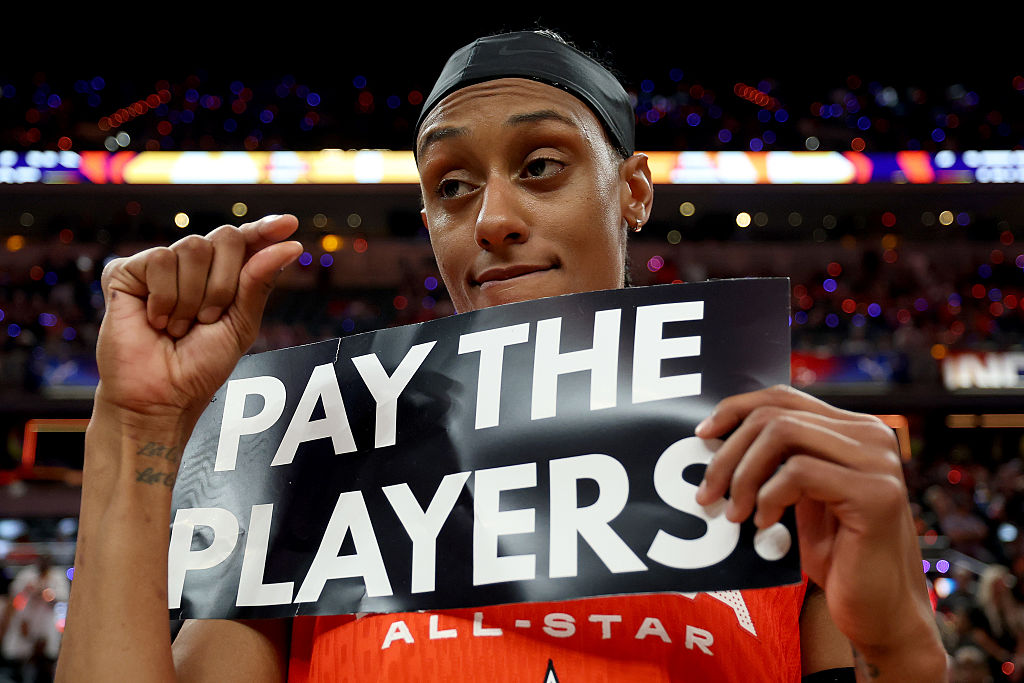
Image: Steph Chambers/Getty Images
Many players have pushed for what they describe as a “transformational” agreement that reflects the increased visibility and financial momentum around women’s basketball. The union has emphasized higher salaries, improved benefits and long-term revenue sharing as priorities in the negotiations.
But the discussions have also revealed differences in priorities among players themselves.
Recently, WNBA stars Kelsey Plum and Breanna Stewart sent a letter to the WNBPA’s executive leadership expressing concerns about communication and transparency during the negotiation process. Both players serve on the union’s executive committee and emphasized the importance of keeping players informed as talks progress.
The union later responded by reaffirming its commitment to representing player interests and working toward a deal that benefits the league’s athletes.
While salary growth has dominated much of the public conversation around the negotiations, several players have stressed that quality-of-life issues are just as important.
“We’re still not making enough,” – Natasha Cloud, Guard – New York Liberty
One major issue is housing. For years, many WNBA teams have provided housing for players during the season — a benefit that helps offset the cost of living in several of the league’s markets. Some players have argued that maintaining those housing protections is critical, particularly in cities where rent can be extremely high.
Cloud and other players have noted that in markets such as New York, housing costs could quickly erase the financial impact of salary increases if those benefits were removed or scaled back.
As a result, players are balancing two goals in negotiations: increasing compensation while also protecting the benefits that make it financially viable to play across the league’s different markets.
The Stakes for the League
For the WNBA, the stakes of this agreement are significant. The league has entered a new phase of growth, fueled by expanding television exposure, rising interest in women’s basketball, and the addition of new franchises in cities such as Toronto and Portland. How that growth translates into player pay and league economics will likely define the next era of the WNBA.
If the league can’t work this out and the players decide to strike, what is left chance will be fan loyalty to return back to the game once things are ironed out.
But for now, negotiations continue and after the overnight push toward a deal, both the league and the players appear determined to reach an agreement that could shape the future of the WNBA for years to come.