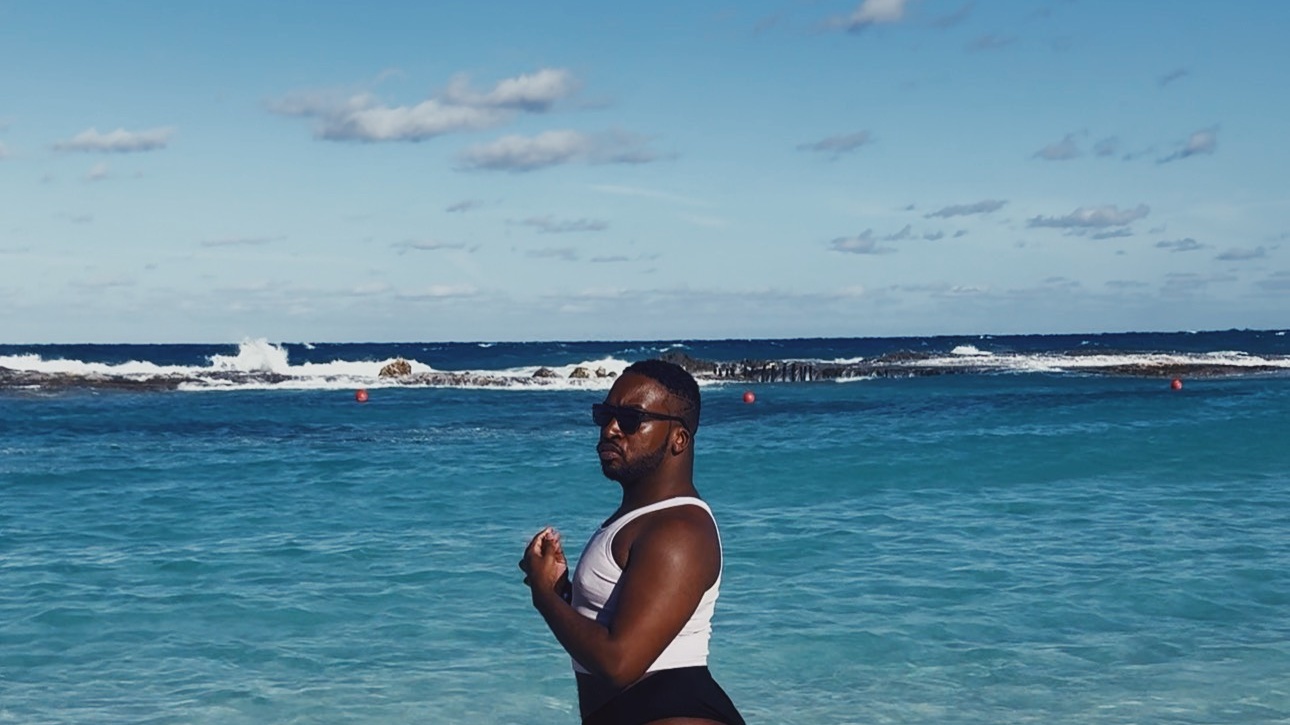
I am a workaholic. For years, I wore busyness like armor, layering deadlines over social obligations and professional ambition over personal stillness. I convinced myself that as long as I stayed in motion, as long as my calendar remained full and my inbox constantly refreshed, I would never have to interrogate the quiet exhaustion humming beneath the surface of my success.
I moved from event to event and project to project with the kind of urgency that felt noble. I kept telling myself that staying “on” was simply the price of relevance, especially as a Black creative navigating industries that reward visibility but rarely acknowledge depletion.
The truth is that I did not know how to be still, because stillness felt like vulnerability, and that felt dangerous in a world that often mistakes rest for laziness and equates overextension with drive. I had internalized the belief that if I was not producing, networking, responding, or showing up somewhere, then I was falling behind, and falling behind was not an option for someone raised on stories of sacrifice, resilience, and the necessity of working twice as hard to receive half as much.
Then I stepped away and took a few trips to escape reality.
A stay at Murrieta Hot Springs in California interrupted my rhythm in a way I had not anticipated, because the environment itself demanded slowness. Without the constant buzzing of notifications or the pressure to document every moment, I found myself sitting with long stretches of silence. I moved through purifying sauna sessions, lingered in rooftop sun soaks, and walked the Kneipp path—alternating between hot and cold water at shin level—feeling circulation return to places that had grown stiff from years of sitting, rushing, and holding myself too tightly.
Sleep came easily there, because for once I was not anticipating the next demand, the next email, the next opportunity that required immediate response.
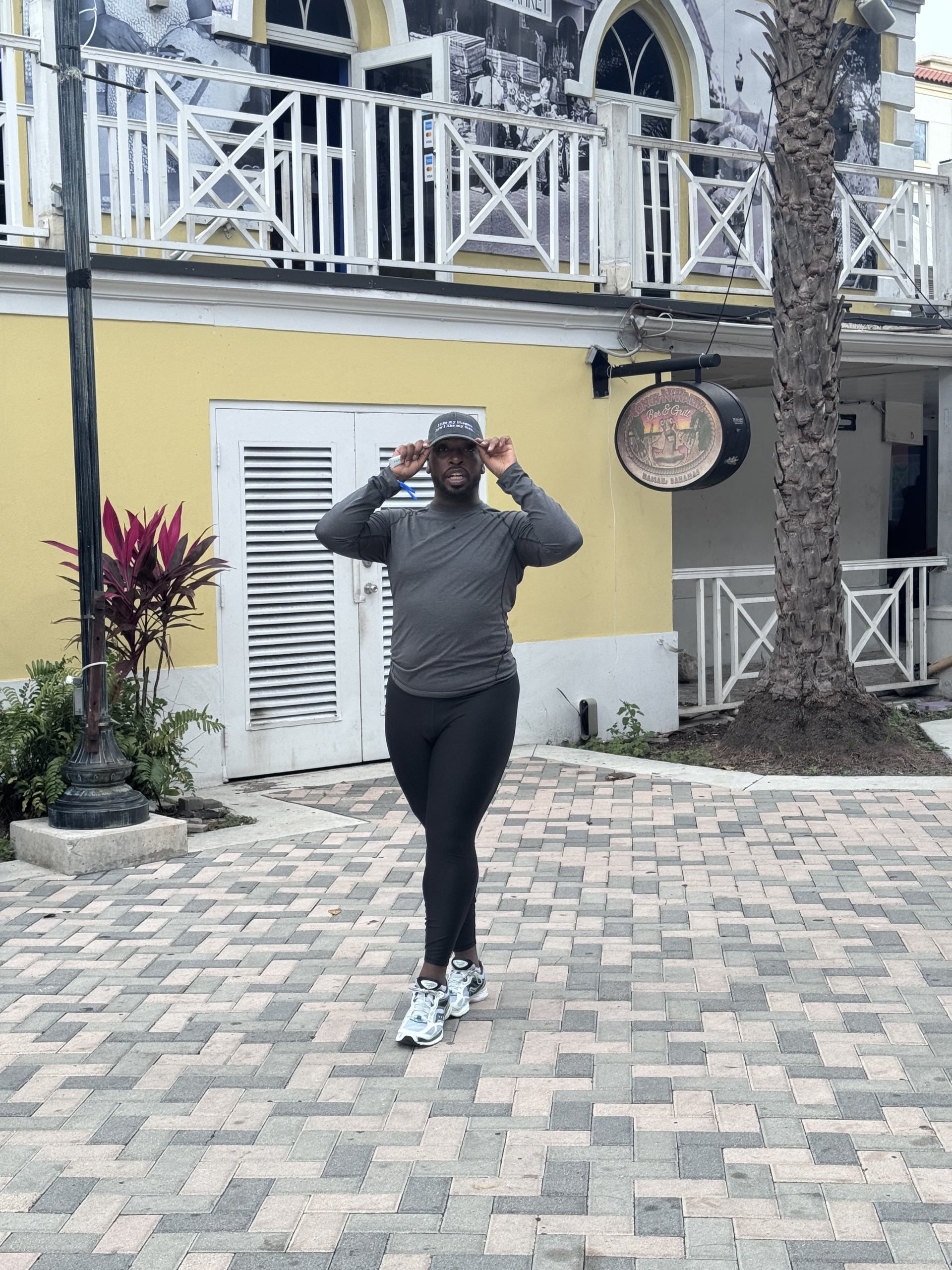
Two months later, when I traveled to Nassau, Bahamas, on a Royal Caribbean cruise to visit the Royal Beach Club, walking along the shoreline without an agenda, feeling the sun settle heavily against my shoulders while the tide moved in steady rhythm beside me, I began to understand how rarely I allowed myself to exist without performing productivity.
There was something quietly radical about knowing that no one needed anything from me in those moments, that the world would continue turning without my constant participation, and that my value did not diminish simply because I chose not to be available. The days unfolded without structure, and instead of feeling anxious about what I was not accomplishing, I felt a widening sense of clarity about what I had been sacrificing in the name of accomplishment.
As Black people, we inherit a complicated relationship with rest, shaped by generations who had no choice but to endure and survive, who measured safety in labor and security in productivity. Also, who often could not afford the luxury of slowing down. Hustle becomes not only cultural but protective, a way of proving that we belong in spaces that were not designed with our ease in mind. Yet somewhere along the way, that protective instinct can calcify into self-neglect, into a pattern of overextension that leaves little room for joy, softness, or reflection.
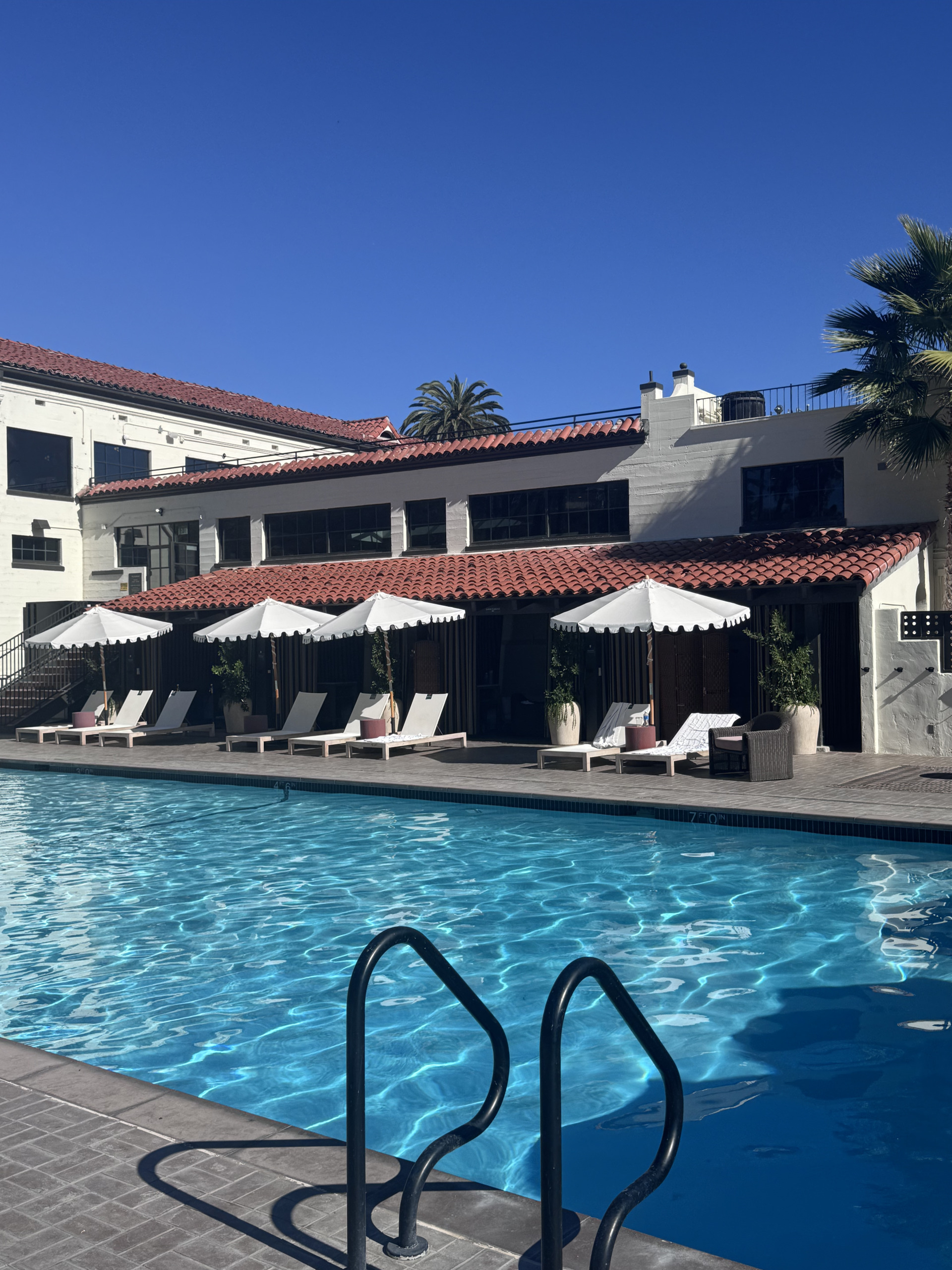
In Murrieta and Nassau, I began to unlearn the idea that rest must be earned through exhaustion, recognizing instead that stillness is not a reward at the end of suffering but a prerequisite for sustainable living. When I slowed down, I did not lose my ambition. I refined it, separating what genuinely fulfilled me from what merely kept me visible. I noticed how much clearer my thoughts became when they were not competing with constant noise, and how much more intentional my choices felt when they were not driven by fear of missing out.
I returned home different, not because travel transformed me into someone new, but because it reintroduced me to the version of myself that exists beneath urgency, beneath performance, beneath the armor of busyness I had mistaken for strength. I now build space into my schedule with the same seriousness that I once reserved for deadlines, understanding that my creativity sharpens in quiet and my resilience strengthens when it is supported by rest rather than fueled by adrenaline.
The grind once convinced me that staying “on” was the only way to survive, but stillness taught me that survival is not the same as thriving. Choosing to pause, breathe, and exist without constant output is not an act of weakness, but an act of self-preservation.